
Defining the “upper middle class” in any geographical context requires careful consideration, but nowhere is this more nuanced than in California. The Golden State, renowned for its innovation, natural beauty, and aspirational lifestyle, also boasts some of the highest costs of living in the United States. Consequently, an income level that might signify affluence elsewhere could merely represent comfortable solvency within California’s most expensive locales. Understanding this economic segment is crucial for grasping the broader societal and lifestyle dynamics within the state.
Defining the Upper Middle Class in a Golden State Context
The upper middle class is generally characterized not just by income, but by a combination of factors including education, occupation, and lifestyle. Economically, it typically refers to households earning significantly more than the median income but not quite reaching the top echelons of wealth. In California, this definition is perpetually stretched by unique market forces.

Beyond Raw Numbers: The Nuance of California’s Economy
While national definitions often place the upper middle class within a certain multiple of the median household income, California’s economic landscape demands a more localized approach. The state’s median household income, while higher than the national average, masks vast disparities between regions. High-paying industries like technology in Silicon Valley, entertainment in Los Angeles, and finance in San Francisco drive up average incomes, but also inflate the cost of living to extraordinary levels.
For a household to be considered upper middle class in California, their income must provide them with access to certain lifestyle amenities, security, and discretionary spending capabilities that are indicative of this social stratum. This often means being able to afford quality housing, private education options, advanced healthcare, and regular leisure activities, including travel, without significant financial strain.
Income Brackets vs. Purchasing Power
A simple statewide income figure for the upper middle class can be misleading. For instance, a household earning $200,000 annually might be comfortably upper middle class in a less expensive part of the state, such as the Central Valley or parts of the Inland Empire. However, that same income in the Bay Area or affluent coastal enclaves of Southern California could feel more like a comfortable middle-class existence, largely due to housing costs.
Typically, economic analysts use percentiles to define income classes. Nationally, the upper middle class might fall between the 60th and 80th percentiles of income distribution. In California, applying this percentile range will yield significantly higher dollar amounts than the national average, reflecting the state’s economic dynamism and inflationary pressures. For a family of four in a major metropolitan area of California to truly experience an upper middle class lifestyle, an annual household income often needs to exceed $150,000, and in some areas, can easily push past $250,000 or even $300,000 to maintain the same standard of living associated with this group in other states.
The High Cost of Living: Shaping California Lifestyles
The primary driver behind California’s unique income requirements for the upper middle class is the exorbitantly high cost of living. This isn’t merely an inconvenience; it fundamentally shapes how people live, save, and spend.
Housing as a Primary Determinant
Housing is, without question, the largest financial burden for most Californians, and a key determinant of what constitutes an upper middle class income. Owning a single-family home in desirable areas of Los Angeles, San Francisco, San Diego, or Orange County often requires a mortgage payment that would consume a significant portion of a high-earning household’s income. Even with substantial salaries, many upper middle class families find themselves making trade-offs, such as living further from work, opting for smaller homes, or renting longer than their counterparts in other states. The ability to comfortably afford a spacious home in a good school district is a definitive marker of the upper middle class in California.
Everyday Expenses and Discretionary Spending
Beyond housing, nearly every other expense category is elevated in California. Groceries, gasoline, utilities, and even leisure activities like dining out or attending events come with a premium. This means that a substantial portion of an upper middle class income is absorbed by basic necessities, leaving less for discretionary spending or savings than one might assume.
However, the defining characteristic of the upper middle class lifestyle is precisely this ability to engage in discretionary spending comfortably. This includes:
- Dining: Frequent dining at acclaimed restaurants, enjoying California’s vibrant culinary scene.
- Culture & Entertainment: Attending concerts, theater productions, sporting events, and exploring museums.
- Wellness: Investing in fitness memberships, specialized health treatments, and personal care.
- Travel: Taking domestic and international vacations, often to high-end resorts or unique destinations, without financial stress.
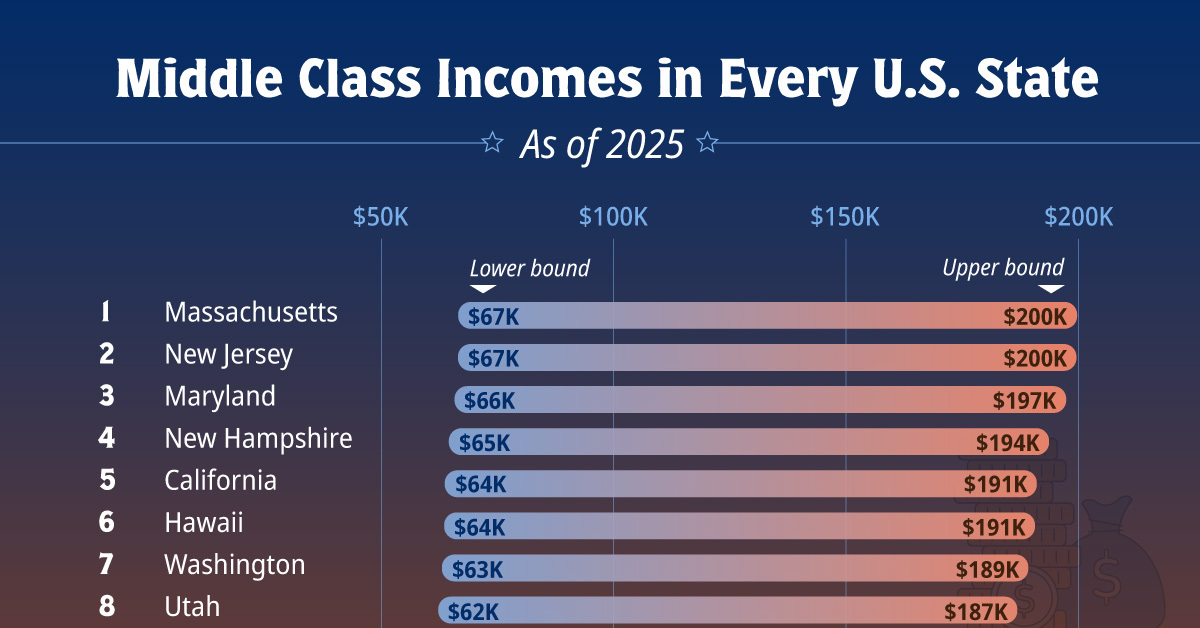
The income threshold for the upper middle class in California must therefore be high enough to absorb these inflated costs while still allowing for a comfortable margin for lifestyle choices and financial security.
Characteristics of the Upper Middle Class Lifestyle in California
The lifestyle afforded by an upper middle class income in California is aspirational for many, blending professional success with access to the state’s diverse offerings. It’s a life characterized by strategic choices in education, career, and leisure.
Education and Career Paths
A hallmark of the upper middle class often involves significant investment in education, both for themselves and their children. This group typically consists of professionals in fields such as tech, medicine, law, engineering, and upper management. They often hold advanced degrees from prestigious universities, whether within California’s esteemed UC or CSU systems or private institutions. For their children, access to top-tier public schools in well-funded districts, or increasingly, private K-12 education, is a priority. This pursuit of educational excellence is both a driver and a consequence of their economic standing.
Leisure, Travel, and Consumption Patterns
With high incomes, California’s upper middle class enjoys a wide array of leisure activities. Weekends might involve trips to wine country in Napa Valley or Sonoma, skiing in Lake Tahoe, or coastal getaways to Santa Barbara or Carmel-by-the-Sea. International travel, often focusing on experiential luxury or cultural immersion, is also common.
Their consumption patterns reflect a preference for quality, convenience, and ethical considerations. This can manifest in organic groceries, sustainable fashion brands, premium vehicles, and smart home technology. They are often early adopters of innovative products and services that enhance their quality of life, demonstrating a readiness to invest in comfort and efficiency.
Investment and Financial Planning
Beyond immediate consumption, a crucial aspect of the upper middle class lifestyle is strategic financial planning. This includes robust retirement savings, investment portfolios, and often, secondary property investments. The goal is not just current comfort but long-term financial security and wealth accumulation for future generations. Given the high cost of living, savvy financial management is paramount to maintain and grow their economic standing.
Regional Variations Across the Golden State
The perception and reality of upper middle class income fluctuate dramatically depending on the specific region within California.
Bay Area and Southern California Hubs
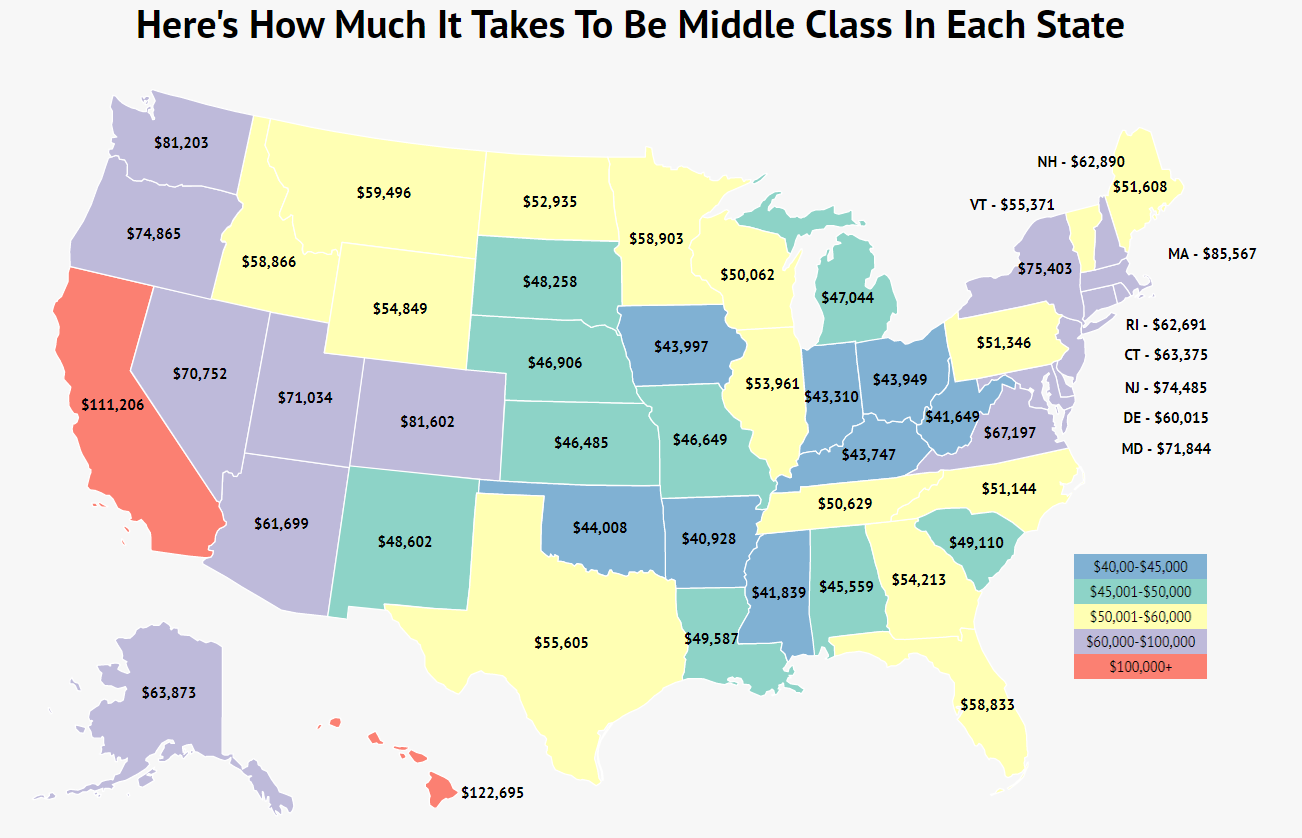
In the major metropolitan areas like the Bay Area (including San Francisco, Oakland, and San Jose) and affluent parts of Southern California (such as Los Angeles, Orange County, and San Diego), the income threshold for the upper middle class is significantly higher. Households often require incomes well into the $200,000s and $300,000s, and sometimes even higher, to truly enjoy the characteristic lifestyle without feeling stretched. Housing costs alone can devour a substantial portion of lower-end upper middle class incomes, making it challenging to save or indulge in other luxuries. Here, the definition is heavily skewed by the prevalence of high-tech and high-finance salaries.
Sacramento and Central Valley Considerations
Conversely, in regions like the Central Valley (e.g., Fresno, Bakersfield) or the state capital of Sacramento, the cost of living, particularly housing, is considerably lower. An income that places a family in the upper middle class in these areas might be closer to the national average for that demographic, perhaps starting around $100,000 to $150,000 annually. In these regions, such incomes afford a much larger home, more disposable income, and a generally less financially stressed existence, aligning more closely with the conventional understanding of the upper middle class elsewhere in the U.S.
In conclusion, defining upper middle class income in California is less about a single number and more about understanding the complex interplay of high costs, regional disparities, and the lifestyle aspirations that differentiate this group. It signifies an economic stratum capable of thriving in one of the world’s most dynamic yet expensive economies, balancing professional success with a rich and varied personal life that is uniquely Californian.
LifeOutOfTheBox is a participant in the Amazon Services LLC Associates Program, an affiliate advertising program designed to provide a means for sites to earn advertising fees by advertising and linking to Amazon.com. Amazon, the Amazon logo, AmazonSupply, and the AmazonSupply logo are trademarks of Amazon.com, Inc. or its affiliates. As an Amazon Associate we earn affiliate commissions from qualifying purchases.