
Planning a trip to Las Vegas requires more than just booking a flight and reserving a suite; it demands a strategic understanding of the Mojave Desert climate. Situated in a basin surrounded by mountains, this iconic destination experiences a subtropical hot desert climate, characterized by long, intensely hot summers, mild winters, and very little precipitation throughout the year. Whether you are walking the Las Vegas Strip or planning a hike in Red Rock Canyon, understanding the seasonal shifts is essential for a seamless experience.
The Peak of Heat: Summer in the Desert
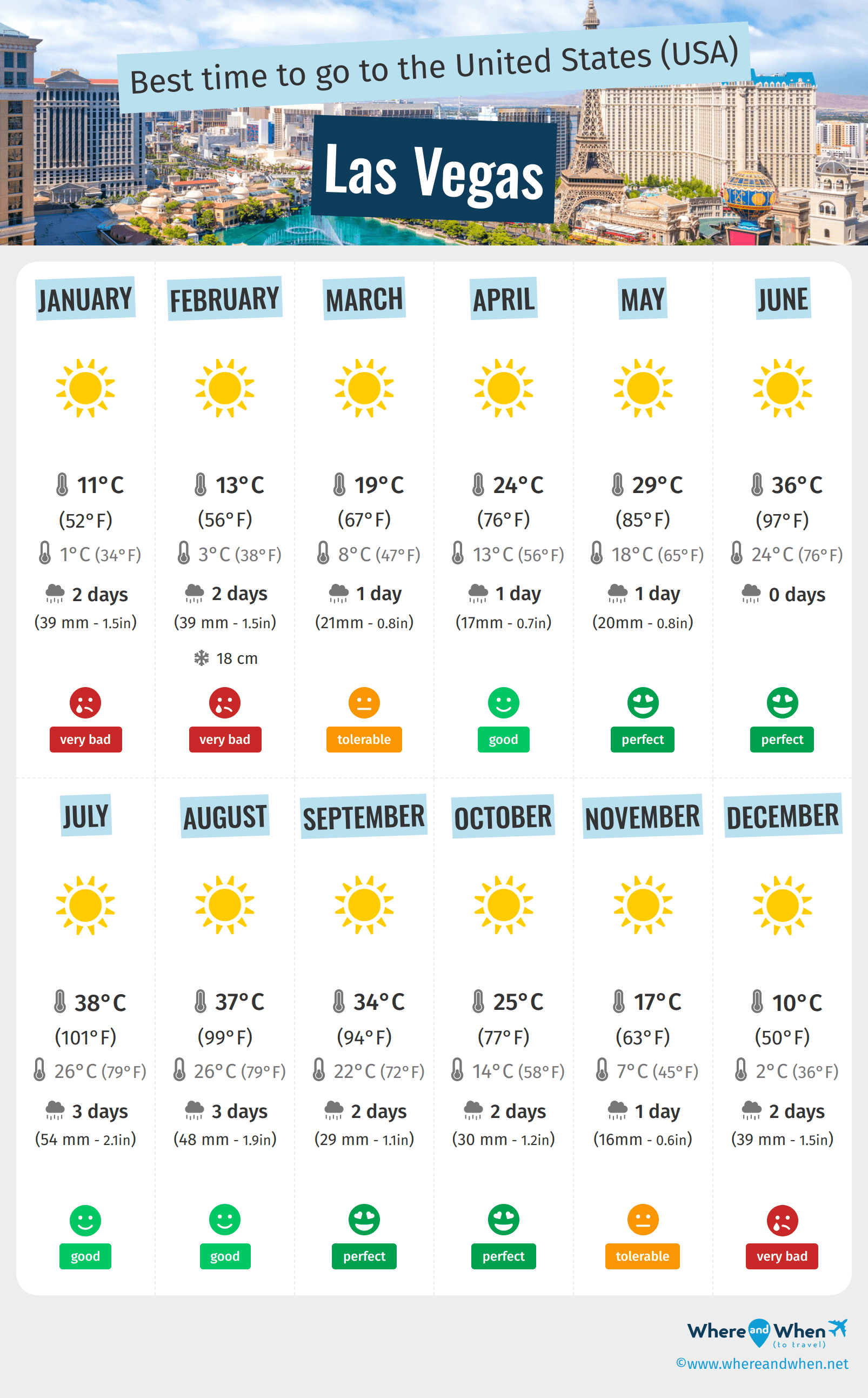
Summer in Nevada is not for the faint of heart. Spanning from June through early September, the temperatures frequently soar well above 100°F (38°C). During July and August, it is not uncommon for the mercury to climb toward 110°F, creating a dry, searing heat that defines the mid-year travel experience.
Thriving Under the Sun
While the heat is intense, the lack of humidity makes the environment more manageable than coastal tropical destinations. However, the intensity of the sun is a significant factor. For those staying at properties like Caesars Palace or Bellagio, the focus shifts toward indoor entertainment, world-class pools, and climate-controlled shopping experiences. Daytime activities are best kept to the early morning hours or late evening.
Navigating the Summer Nights
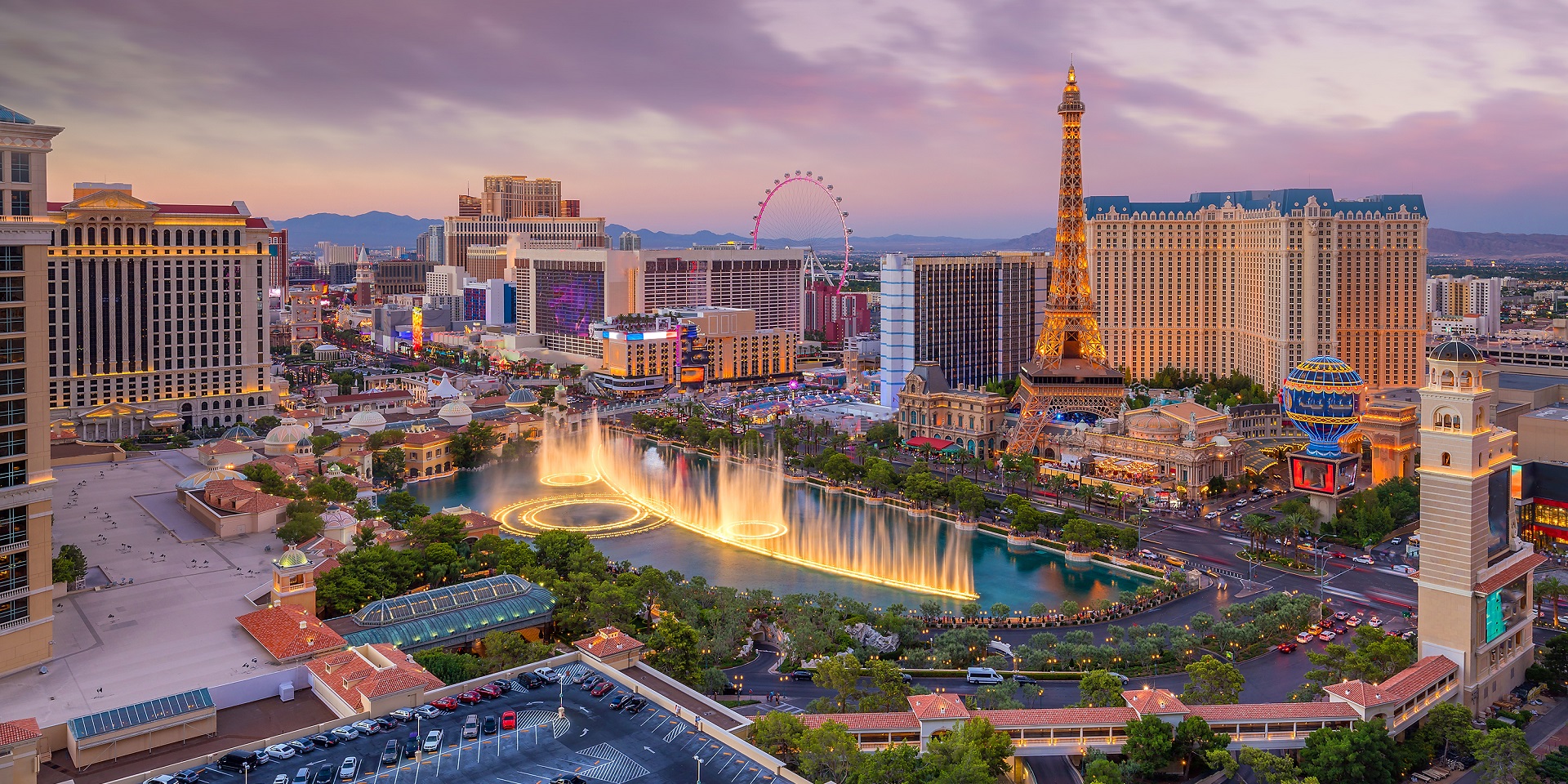
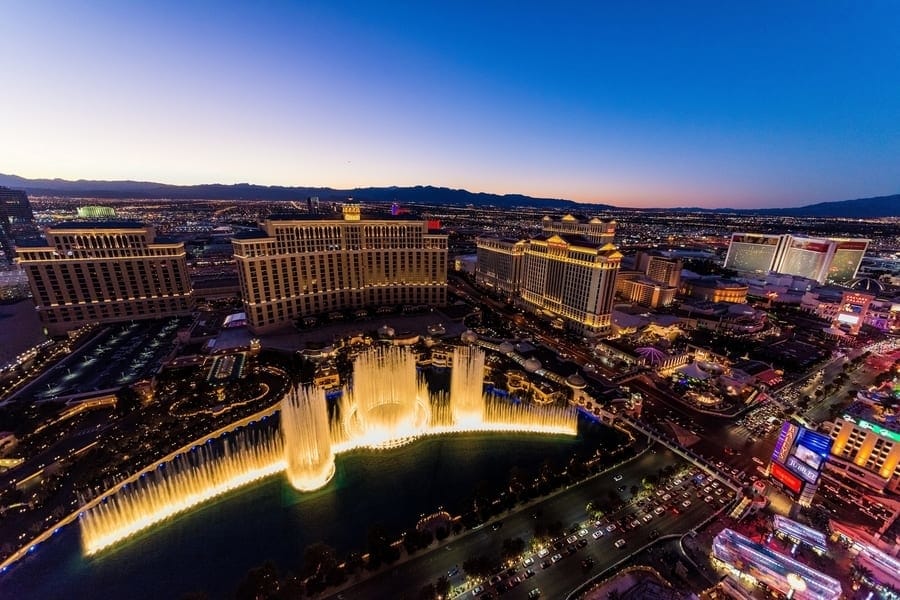
Even after the sun sets, the desert retains a significant amount of heat. Nighttime temperatures in July often hover in the 80s, providing a warm, comfortable atmosphere for outdoor dining or visiting attractions like the Fountains of Bellagio. It is a time when the city truly comes alive, illuminated by the neon lights that contrast against the dark, vast expanse of the surrounding landscape.
The Ideal Window: Spring and Autumn Comfort
For most travelers, the “shoulder seasons” of spring (March to May) and autumn (October to November) represent the most pleasant time to explore. During these months, the daytime highs usually settle into the comfortable range of 70°F to 85°F, making it the perfect climate for walking outdoors and exploring the sprawling grounds of the The Venetian or the gardens at Wynn Las Vegas.
Spring Blooms and Breezes
Spring in Clark County brings a unique charm. The desert landscape often experiences brief, light winds, and the vegetation begins to show signs of life. This is the prime season for day trips to nearby natural wonders like Hoover Dam or Valley of Fire State Park. The mild temperatures mean you can spend hours exploring without the exhaustion that accompanies the peak summer heat.
The Crisp Appeal of Autumn
As October arrives, the aggressive summer heat fades into a crisp, refreshing coolness. Evenings become noticeably chilly, often requiring a light jacket, while the days remain bright and sunny. This predictability makes autumn one of the most popular times for tourism, as travelers prefer the mild weather for attending outdoor events, sporting competitions, or simply wandering from one resort to another along the Las Vegas Boulevard.
Winter in the Desert: Cool and Calm
Winter, lasting from December through February, brings a sharp change in pace. While many associate The United States with snowy winters, the weather here is surprisingly moderate. Daytime highs typically range from 55°F to 65°F, while nighttime temperatures can dip into the 30s, occasionally flirting with the freezing point.
Minimal Precipitation
Rainfall in this region is scarce, but when it does occur, it is most likely to happen during the winter months. Even then, the “storms” are usually short-lived, with long stretches of crystal-clear, blue skies dominating the horizon. The low humidity remains, which means even in the colder months, the air feels crisp rather than damp.
Why Visit in Winter?
Visiting during the off-season offers several advantages. The crowds are thinner, allowing for easier access to popular restaurants at MGM Grand or The Cosmopolitan of Las Vegas. Furthermore, many visitors find the cooler weather to be a relief, especially those who struggle with high heat. If you enjoy the festive atmosphere of the holidays, the city decorates with incredible enthusiasm, providing a unique visual experience that differs significantly from the summer aesthetic.
Practical Tips for Weather-Preparedness
Regardless of when you visit, there are fundamental rules to follow to ensure your comfort in this arid environment. The climate is unforgiving, and preparation is the key to maintaining a high-quality travel experience.
Hydration and Sun Protection
The dry air of the Mojave Desert can cause rapid dehydration, often before you feel thirsty. Always carry a reusable water bottle. Sunscreen is non-negotiable year-round, as the high elevation and thin atmosphere can lead to rapid sunburn, even on cloudy days.
Wardrobe Considerations
Packing for this destination is an exercise in layering.
- Summer: Wear breathable, lightweight fabrics and ensure you have high-quality sunglasses and a wide-brimmed hat.
- Winter: Bring a medium-weight coat or a heavy sweater for the evenings, as the temperature drop after sunset is significant.
- Year-Round: Always wear comfortable, broken-in walking shoes. The distances between properties like Aria Resort and Casino and The Mirage are deceptive; you will likely walk several miles per day, and comfortable footwear is the most important item in your suitcase.
Anticipating the Microclimates
It is important to remember that while the outdoors might be hot, the interior of every casino, hotel, and restaurant is aggressively air-conditioned. You may find yourself walking from 100°F heat into a 68°F climate-controlled ballroom. Carrying a lightweight scarf or a cardigan is a simple local trick to keep from feeling the shock of these temperature transitions. By keeping these climate realities in mind, you can plan your trip to align with the weather that best suits your lifestyle and travel goals, ensuring a memorable stay in this vibrant oasis.
LifeOutOfTheBox is a participant in the Amazon Services LLC Associates Program, an affiliate advertising program designed to provide a means for sites to earn advertising fees by advertising and linking to Amazon.com. Amazon, the Amazon logo, AmazonSupply, and the AmazonSupply logo are trademarks of Amazon.com, Inc. or its affiliates. As an Amazon Associate we earn affiliate commissions from qualifying purchases.