
The Napali Coast stands as one of the most magnificent natural cathedrals on the planet. For those traveling to the Hawaiian Islands, this stretch of shoreline is often the primary objective, representing the raw, untamed essence of the Pacific. Understanding exactly where this landmark is located and how to access its rugged terrain is the first step in planning a journey to this remote paradise.
Geographic Location and Setting
The Napali Coast is located on the northwest side of Kauai, the oldest and fourth-largest of the main Hawaiian Islands. Specifically, it spans approximately 17 miles of the island’s northern shoreline, stretching from the end of the road at Ke’e Beach in Haena State Park to the remote valley of Polihale State Park on the west side.

The Isolation of the North Shore
The region is defined by its extreme isolation. Because of the sheer, vertical cliffs known as “pali,” there are no roads that traverse this coastline. The mountains rise thousands of feet directly from the Pacific Ocean, creating a natural barrier that has preserved the land in a near-pristine state for centuries. To visit this area is to step back into a time when the islands were shaped solely by wind, rain, and tectonic shifts rather than modern infrastructure.
Connectivity to Nearby Landmarks
While the coast itself remains roadless, it serves as the backdrop for some of the most iconic landscapes in Hawaii. The nearby Hanalei Bay serves as a gateway for travelers looking to explore the northern reaches, while Waimea Canyon—often called the “Grand Canyon of the Pacific”—offers a different perspective of the island’s geological complexity further to the southwest.
Exploring the Natural Grandeur
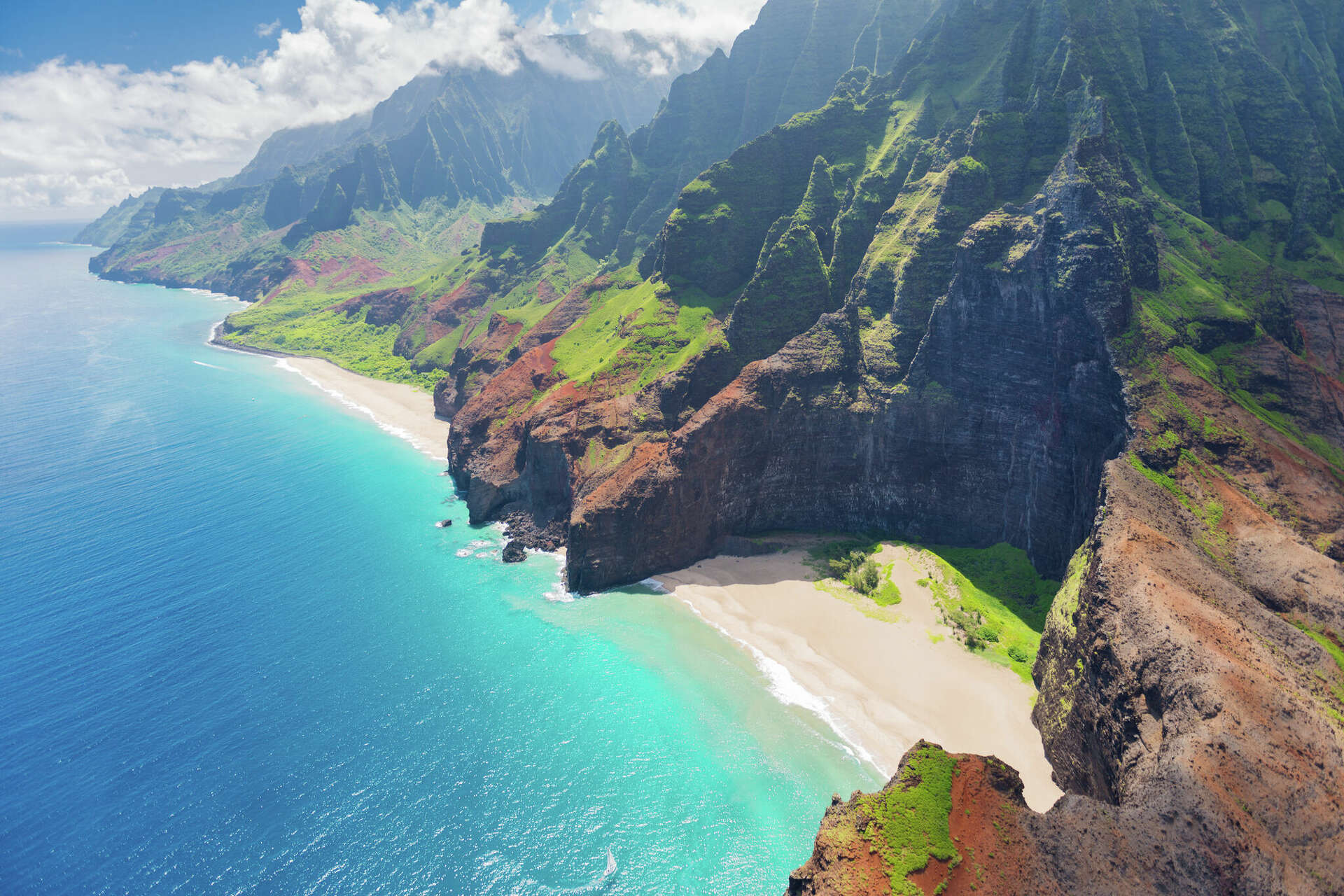
The primary draw of this location is its unparalleled topography. The jagged, emerald-green ridges of the Napali Coast are the result of millions of years of erosion. This landscape is characterized by deep, narrow valleys that plummet into the sea, interspersed with cascading waterfalls and lush, hidden beaches.
The Geological Significance of the Cliffs
The cliffs reach elevations of up to 4,000 feet. These formations are essentially the remnants of a massive, ancient caldera that has been carved away by the heavy rainfall characteristic of Kauai. This geography makes the area a sanctuary for endemic flora and fauna that cannot be found anywhere else on earth.

Marine Life and Biodiversity
The waters surrounding the Napali Coast are part of a protected state wilderness area. The marine environment here is thriving, often visited by pods of Spinner Dolphins, Hawksbill Sea Turtles, and, during the winter months, Humpback Whales. The coral reefs near the shore are vital ecosystems that sustain this diverse marine life, making snorkeling and boat tours highly popular experiences for those visiting the island.
Accessing the Coastline
Because the Napali Coast is inaccessible by car, travelers must rely on alternative modes of transportation to witness its majesty. Each method offers a vastly different perspective on the scale and beauty of the region.
The Kalalau Trail
For the adventurous, the Kalalau Trail is the only land-based path into the heart of the coast. This 11-mile trek begins at Haena State Park and winds along the cliffside, crossing streams and valleys before reaching the secluded Kalalau Beach. It is widely considered one of the most difficult and rewarding hikes in the world. Hikers must obtain permits well in advance, as the fragile ecosystem is carefully managed to prevent overcrowding and environmental damage.
Sea and Air Perspectives
Most visitors opt to experience the coastline from the water or the air.
- Boat Tours: Departing primarily from Port Allen or Hanalei, these excursions allow travelers to navigate the sea caves and witness the massive scale of the cliffs from the base.
- Helicopter Tours: Flying over the Napali Coast provides an aerial vantage point that is otherwise impossible to achieve. From the air, one can see the hidden waterfalls and the intricate architecture of the ridges that make this location so distinct from other parts of Hawaii.
Cultural Significance and Stewardship
The Napali Coast holds profound historical and spiritual significance for the people of Hawaii. It was once home to thriving settlements, where native communities lived in harmony with the land, relying on the valleys for agriculture and the ocean for sustenance.
Archaeological Heritage
Evidence of these ancient civilizations remains visible in the form of stone terraces and remnants of house sites scattered throughout the valleys. These sites are a testament to the resilience of those who called this challenging terrain home. Today, the area is treated with immense respect, and there are active efforts to preserve the cultural history of the land while managing the modern flow of tourism.
Sustainable Tourism Practices
Maintaining the integrity of this landmark is a priority for the State of Hawaii. Whether you are arriving by boat, foot, or helicopter, it is essential to practice “leave no trace” principles. This includes staying on marked trails, avoiding interference with wildlife, and respecting the quiet nature of the sacred valleys. By choosing reputable tour operators who emphasize conservation, visitors contribute to the long-term preservation of one of the most delicate natural environments on the globe.
As you plan your itinerary, remember that the Napali Coast is not merely a destination for a quick photo opportunity; it is a living, breathing landscape that commands reverence. Whether you find yourself gazing up at the cliffs from the deck of a boat or looking down from a high-altitude hike, the experience is designed to humble the observer, reminding us of the sheer power of the natural world. From the lush greenery of the northern slopes to the stark, arid beauty of the southern boundary near Polihale State Park, the coast remains an enduring symbol of the untamed spirit of the Pacific Islands.
LifeOutOfTheBox is a participant in the Amazon Services LLC Associates Program, an affiliate advertising program designed to provide a means for sites to earn advertising fees by advertising and linking to Amazon.com. Amazon, the Amazon logo, AmazonSupply, and the AmazonSupply logo are trademarks of Amazon.com, Inc. or its affiliates. As an Amazon Associate we earn affiliate commissions from qualifying purchases.