
Puerto Rico, a captivating Caribbean island, is a destination that blends vibrant culture, stunning natural beauty, and a rich history. As travelers plan their adventures to this U.S. territory, a common and practical question arises: “What languages are spoken in Puerto Rico?” Understanding the linguistic landscape is key to enhancing your travel experience, from navigating bustling cities like San Juan to immersing yourself in the local way of life.
While the island’s cultural tapestry is woven with influences from indigenous Taíno heritage, Spanish colonization, and American administration, its language reflects this unique historical journey. This article delves into the official languages of Puerto Rico and the prevalence of English, offering insights for tourists, business travelers, and those considering a longer stay.
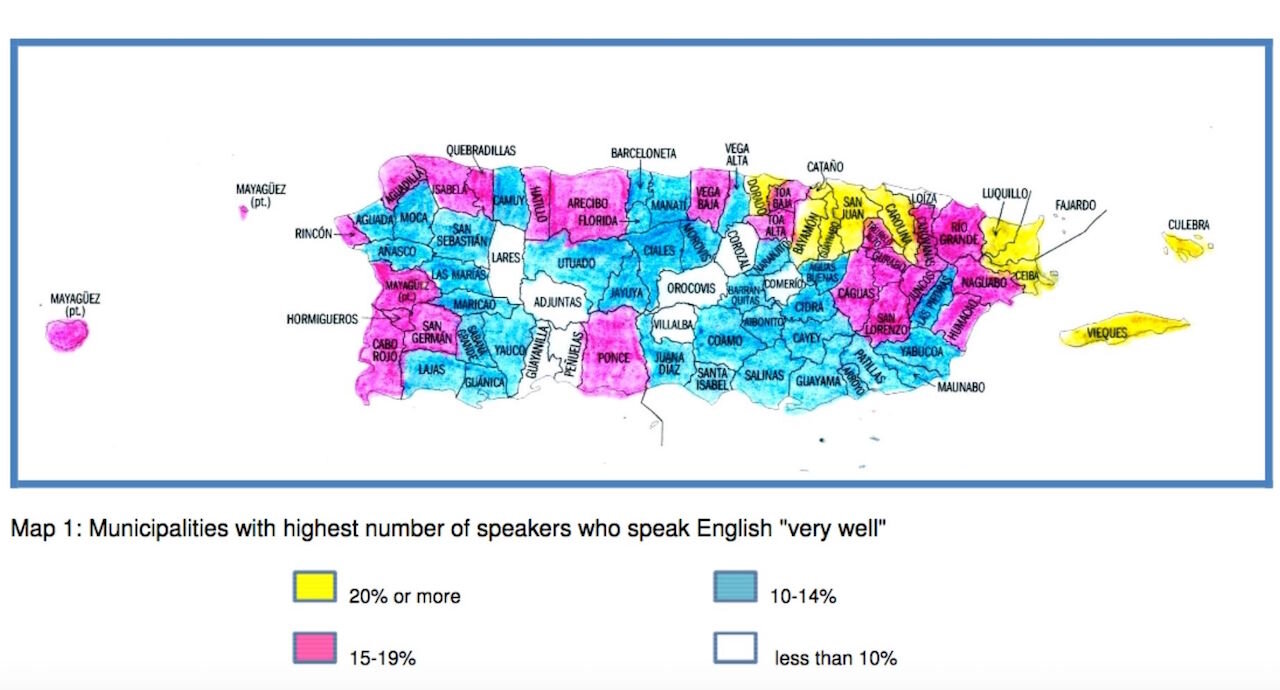
The Dual Official Languages: Spanish and English
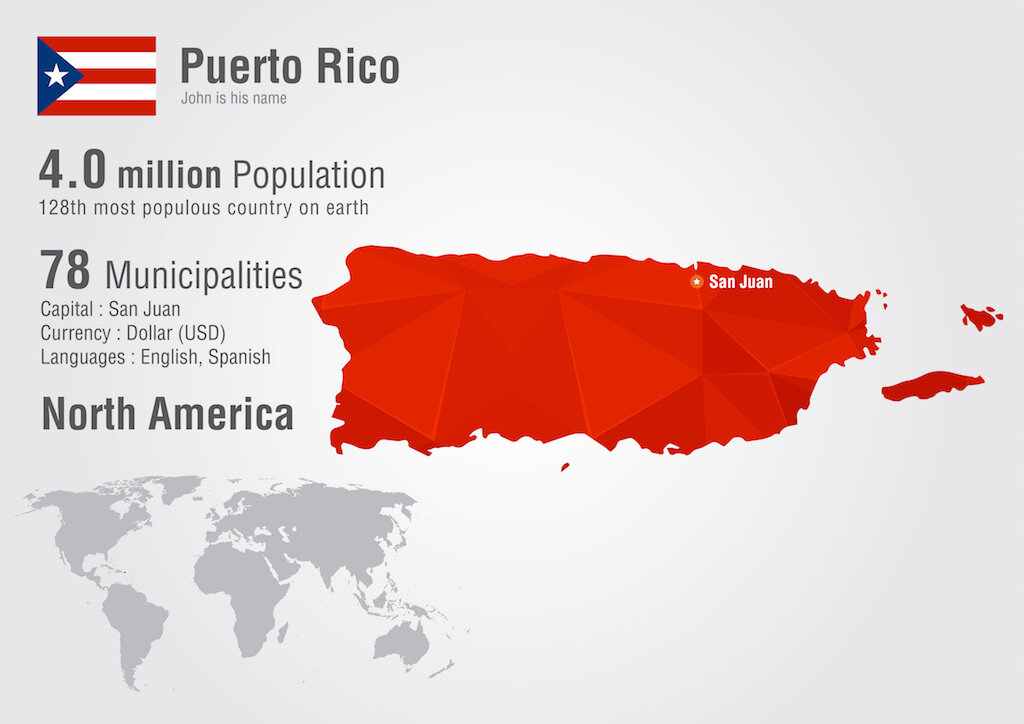
Puerto Rico’s linguistic identity is firmly rooted in its dual official languages: Spanish and English. This designation, established by law, acknowledges the historical dominance of Spanish and the significant influence of English due to the island’s political status as a U.S. territory.
Spanish: The Lingua Franca of the Island
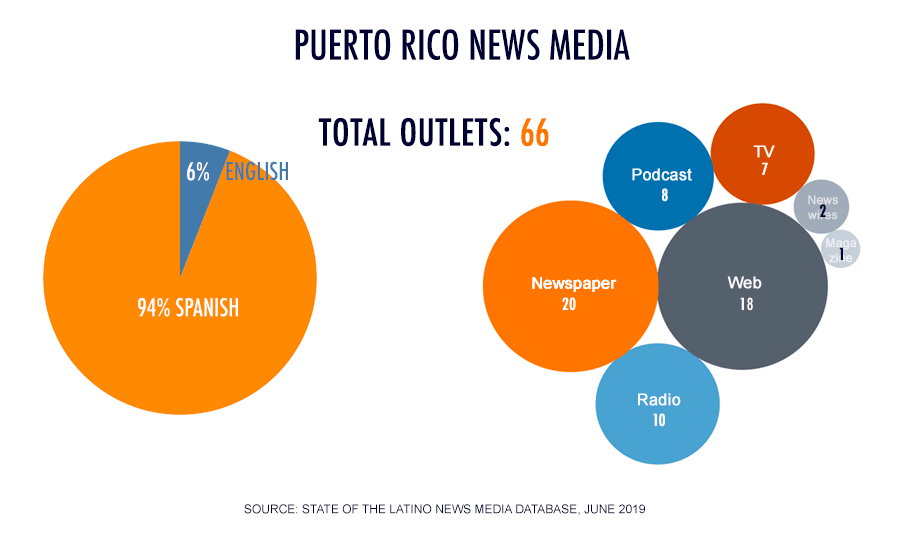
Spanish is undeniably the primary and most widely spoken language in Puerto Rico. It is the language of everyday life, heard in homes, markets, local businesses, and community gatherings across the island. From the charming cobblestone streets of Old San Juan to the laid-back coastal towns, Spanish is the rhythm of daily conversation.
The Spanish spoken in Puerto Rico, often referred to as Puerto Rican Spanish, has its own distinct nuances, vocabulary, and idiomatic expressions. It has been shaped by centuries of evolution, absorbing influences from the indigenous Taíno language, African languages brought during the era of slavery, and even some borrowings from English. Travelers who speak Spanish will find it immensely beneficial for deeper engagement with the local culture.
For instance, when ordering food at a roadside “kiosko” in Luquillo, asking for directions to El Yunque National Forest, or striking up a conversation with a vendor at the La Plaza del Mercado de Santurce, Spanish will be the most effective means of communication. Even if you are staying at a luxury resort like the Dorado Beach, a Ritz-Carlton Reserve, you’ll encounter many staff members who are fluent in Spanish and may even prefer to use it among themselves.
Understanding Puerto Rican Spanish Nuances
While a traveler familiar with standard Spanish will generally be understood, there are certain aspects of Puerto Rican Spanish that can be unique. For example, the pronunciation might differ, with a tendency to soften or drop the final ‘s’ in words. The vocabulary can also surprise, with many words having distinct meanings or being entirely unique to the island. Phrases like “echar pa’lante” (to push forward, to persevere) or “qué chulería” (how cool!) are common and add a distinctive flavor to the language.
Even if your Spanish is not fluent, making an effort to use even a few basic Spanish phrases will be greatly appreciated by the locals. Simple greetings like “Buenos días” (Good morning) or “Gracias” (Thank you) can go a long way in fostering positive interactions and demonstrating respect for the local culture.
English: A Widely Understood Second Language
English holds official status in Puerto Rico and is widely understood, particularly in tourist areas, major cities, and among the educated population. This prevalence is a direct result of Puerto Rico’s political relationship with the United States, which began in 1898.
In major tourist destinations, such as hotels like the Caribe Hilton or the Wyndham Grand Rio Mar Puerto Rico Golf & Beach Resort, you will find that most staff members are proficient in English. This makes it easy for American tourists, and other English speakers, to navigate their accommodations, order meals, and ask for information.
English is also the language of business and government in many official capacities. Educational institutions often teach in English, and government documents may be available in both languages. This means that for many professional interactions, or if you need to access official services, English will be perfectly adequate.
English Usage in Tourism and Business
When visiting popular attractions like the Castillo San Felipe del Morro or exploring the vibrant nightlife in Condado, English signage and information are readily available. Many tour operators and guides are also fluent in English, ensuring that visitors can fully appreciate the historical context of sites like the San Juan National Historic Site or the natural wonders of El Yunque National Forest.
For business travelers, knowing that English is widely understood can alleviate concerns about communication barriers. Whether you are attending meetings in Hato Rey, the financial district of San Juan, or exploring potential investment opportunities, English proficiency among professionals is common.
However, it’s important to remember that while English is widely understood, it is not the primary language for a vast majority of the population. Stepping away from the heavily touristed areas or engaging with smaller, locally-owned businesses might see a more limited use of English.
The Impact of Languages on Your Travel Experience
Understanding the linguistic landscape of Puerto Rico significantly impacts how you can engage with the island and its people. It shapes your interactions, your ability to explore off-the-beaten-path destinations, and the depth of your cultural immersion.
Navigating Daily Life and Cultural Immersion
For travelers who are monolingual in English, Puerto Rico remains an accessible and enjoyable destination. The tourism infrastructure is well-equipped to cater to English speakers. However, for those who can speak Spanish, or are willing to learn some basic phrases, a richer and more authentic experience awaits.
Imagine visiting a local “panadería” (bakery) in a smaller town like Utuado. While you might be able to point at pastries, a simple Spanish request like “¿Me da un mallorquín, por favor?” (May I have a mallorquín, please?) can lead to a warmer interaction and perhaps even a recommendation from the baker. Similarly, attending a local festival or “fiesta patronal” will offer a more vibrant cultural exchange if you can converse in Spanish.
If you’re considering a longer stay or perhaps a vacation rental like a villa in Fajardo, being able to communicate in Spanish can be invaluable. It allows for easier interactions with neighbors, landlords, and local service providers, fostering a greater sense of belonging and integration.
Bridging the Language Gap
Even if Spanish is not your strong suit, there are ways to bridge the language gap and ensure a smooth trip.
- Utilize Translation Apps: Modern technology offers excellent translation apps that can be a lifesaver in various situations. These can help you understand menus, translate signs, or even facilitate short conversations.
- Learn Key Phrases: As mentioned, learning a few basic Spanish phrases is highly recommended. Greetings, please, thank you, and common questions like “¿Cuánto cuesta?” (How much does it cost?) can make a significant difference.
- Be Patient and Polite: Locals are generally welcoming and understanding. A smile and a polite demeanor can go a long way, even if there are language barriers.
- Seek Bilingual Assistance: In hotels, major tourist attractions, and larger establishments, you can often find staff who are bilingual and can assist you. Don’t hesitate to ask if someone speaks English.
Beyond the Main Languages: Indigenous and Other Influences
While Spanish and English are the dominant languages, it’s worth acknowledging the historical linguistic roots and any other minor influences on Puerto Rico’s language.
The Echoes of Taíno
Before the arrival of Europeans, the indigenous Taíno people inhabited Puerto Rico. While their language is no longer spoken conversationally, it has left an indelible mark on Puerto Rican Spanish. Many place names, such as Borikén (the Taíno name for the island), Utuado, and Caguas, are of Taíno origin. Additionally, numerous everyday words for fruits, plants, and animals have Taíno roots, such as “hamaca” (hammock) and “canoa” (canoe).
Other Minor Influences
Over centuries of migration and trade, other languages have had minor influences, but none have gained significant traction as a primary spoken language. However, in communities with specific immigrant populations, you might encounter limited use of languages like Italian or Portuguese, though this is not widespread. The overwhelming linguistic reality for visitors and residents alike remains the interplay between Spanish and English.
In conclusion, when you ask, “What languages are spoken in Puerto Rico?”, the answer is primarily Spanish, with English serving as a widely understood second language, especially within the tourism and business sectors. This linguistic duality offers a unique cultural experience, making Puerto Rico a destination that is both accessible and rich with opportunities for deeper connection for those willing to explore beyond the surface. Whether you’re planning a luxurious stay at a resort like the St. Regis Bahia Beach Resort or seeking budget-friendly accommodation and authentic experiences, your linguistic preparation, however basic, will undoubtedly enhance your journey through this enchanting island.
LifeOutOfTheBox is a participant in the Amazon Services LLC Associates Program, an affiliate advertising program designed to provide a means for sites to earn advertising fees by advertising and linking to Amazon.com. Amazon, the Amazon logo, AmazonSupply, and the AmazonSupply logo are trademarks of Amazon.com, Inc. or its affiliates. As an Amazon Associate we earn affiliate commissions from qualifying purchases.