
Planning a trip to the Sunshine State often involves more than just picking a destination; it’s about timing. For many travelers, especially families or those seeking a more serene experience, knowing “When do Florida schools end?” is a critical piece of the puzzle. This seemingly simple question unlocks a wealth of insights into crowd levels, pricing fluctuations, and the overall ambiance you can expect across Florida’s diverse attractions. Understanding the rhythms of the academic calendar can be the difference between a crowded, costly getaway and a relaxed, budget-friendly escape.
The state of Florida, known for its world-class theme parks, pristine beaches, and vibrant cities, experiences significant seasonal shifts largely dictated by school breaks. From the bustling corridors of Walt Disney World Resort in Orlando to the tranquil shores of the Florida Keys, the influx of families on vacation dramatically alters the travel landscape. This guide will delve into the intricacies of Florida’s school schedules, helping you strategically plan your visit to maximize enjoyment and minimize stress.
Understanding Florida’s Varied School Calendars
Unlike a nationwide standard, school calendars in Florida are not uniform. They are primarily set at the district level, leading to a patchwork of start and end dates across the state’s 67 counties. This decentralization means that while general trends exist, precise dates can vary significantly.
Public vs. Private Schools
Public school districts, governed by county school boards, typically adhere to a calendar set through public consensus and state guidelines. These calendars are often published well in advance, usually a year or more out, allowing families and travelers to plan. Private schools, however, operate with greater autonomy. Their calendars might align closely with public schools or diverge significantly, particularly regarding holiday breaks and the exact end of the academic year. If your travel plans hinge on specific local school schedules, verifying with the relevant district or institution is paramount.
District-Specific Schedules
Each of Florida’s 67 counties has its own school district, and each district sets its academic calendar. For instance, schools in Miami-Dade County might end a week earlier or later than those in Orange County (home to Orlando’s major theme parks) or Pinellas County (serving St. Petersburg and Clearwater). This variation means that even when most Florida schools are out for summer, there might be a staggered effect, leading to slightly different crowd patterns early or late in the season.
Early vs. Late Start Dates
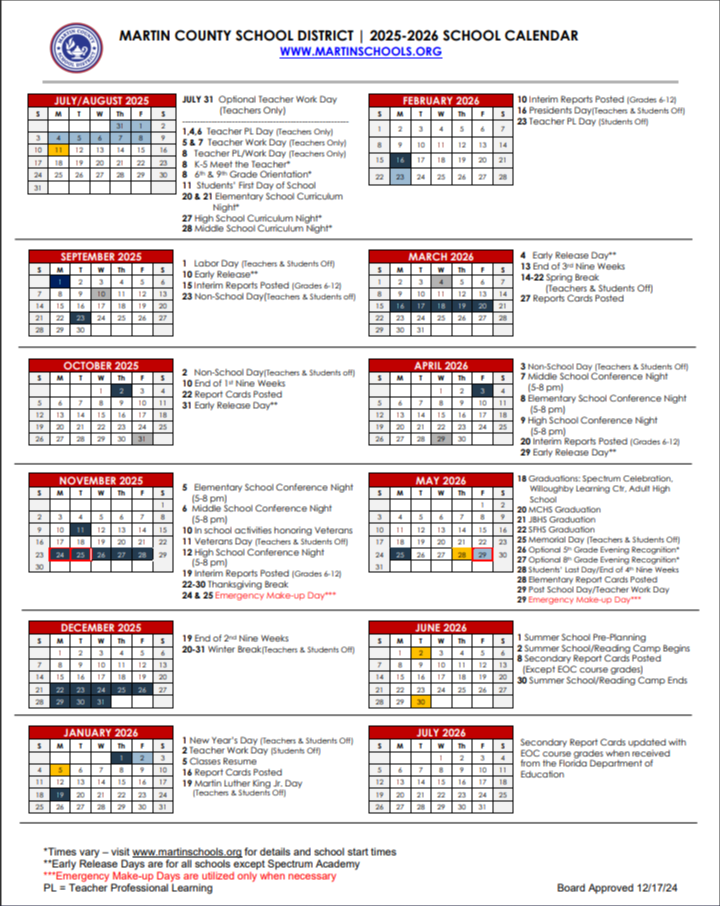
Generally, most Florida public schools conclude their academic year sometime in late May or early June. The exact date often falls within the last week of May or the first two weeks of June. For example, some districts might finish before Memorial Day, while others extend into the second week of June. Similarly, the new school year typically commences in mid-August. This roughly three-month window marks the peak summer travel season for Florida families and visitors from other states whose schools follow a similar schedule.
Peak Travel Seasons and Their Impact
Florida’s travel industry is acutely sensitive to school breaks. These periods inevitably lead to surges in demand, impacting everything from hotel rates and flight prices to wait times at attractions.
Summer Break Rush (June-August)
The summer months, particularly from mid-June through mid-August, represent the absolute peak travel season for family vacations in Florida. Once schools let out, families flock to destinations like Orlando for its theme parks (Universal Orlando Resort, Walt Disney World Resort), and to coastal cities for their beaches. Expect higher accommodation costs, increased crowds at attractions, and often longer queues. The humid summer weather, while perfect for water activities, also contributes to the perceived intensity of the crowds.
Spring Break Frenzy (March-April)
Spring Break is another major influx period, usually spanning from early March through mid-April. This is when high school and college students, alongside families with younger children, descend upon popular beach destinations like Miami Beach, Fort Lauderdale, and Panama City Beach. Theme parks also see a significant boost in visitors. This period is characterized by lively atmospheres, but also by substantially higher prices and maximum crowd levels, especially in the most popular locales.
Winter Holidays & Shorter Breaks
Beyond the major summer and spring breaks, shorter academic recesses also trigger mini-peak seasons. The Thanksgiving week, Christmas, and New Year’s holidays see a massive surge in tourism, particularly around theme parks and festive events. Additionally, districts often have a “President’s Day” long weekend in February and a “Veterans Day” break in November, which can lead to slightly elevated crowds for those specific days. These shorter breaks are less intense than summer or spring break but still warrant consideration for travelers seeking solitude.
Strategies for Off-Peak Travel
For those looking to avoid the busiest periods and potentially save money, leveraging the school calendar to your advantage is key.
Avoiding Crowds and Long Lines
The sweet spot for lighter crowds in Florida typically falls into these windows:
- Late August to late September: After Florida schools resume, but before the major holiday rush. While it’s still hurricane season, this period offers significantly fewer crowds and often lower prices.
- Late January to mid-February: Post-New Year’s lull and pre-Spring Break. Weather is usually pleasant, and crowds are manageable, especially mid-week.
- Late April to mid-May: After Spring Break but before the onset of summer vacation for most schools. This window can offer a balance of good weather and moderate crowds.
Traveling during these periods means shorter wait times at attractions, easier restaurant reservations, and more space on the beaches.
Finding Budget-Friendly Options
Lower demand during off-peak times translates directly into savings. You’ll often find more competitive rates for:
- Accommodation: Hotels, resorts, and vacation rentals typically offer discounts or promotions.
- Flights: Airfares tend to be lower outside of major holiday periods and school breaks.
- Attraction Tickets: While base ticket prices for major theme parks often remain constant, package deals or special offers might be more prevalent.
- Rental Cars: Lower demand usually means better rental car rates.
By planning your trip outside of school holidays, you can significantly reduce the overall cost of your Florida vacation.
Enjoying a More Relaxed Experience
Beyond cost and crowds, off-peak travel allows for a more relaxed and authentic Florida experience. You can savor the local culture without feeling rushed, explore natural wonders like Everglades National Park or the Kennedy Space Center Visitor Complex at your own pace, and generally enjoy the destination without the added pressure of peak season crowds. This is especially true for destinations like the Florida Keys or smaller Gulf Coast towns where the charm can be overshadowed by overtourism.
Major Florida Destinations & School Breaks
The impact of school schedules is felt differently across Florida’s diverse regions.
Orlando Theme Parks
Orlando is perhaps the most sensitive destination to school calendars. Walt Disney World Resort, Universal Orlando Resort, and other attractions like Busch Gardens Tampa Bay see their heaviest visitation during summer break, spring break, and the winter holidays. Traveling to Orlando in late January, most of February, late August, or September typically offers the best combination of pleasant weather and lighter crowds.
Miami Beaches & Culture
Miami, with its iconic South Beach and vibrant cultural scene, experiences significant surges during Spring Break and the winter holidays. While summer is busy, the intense heat can deter some visitors, making it slightly less crowded than other periods, though still bustling. For a more sophisticated and less frenetic Miami experience, consider visiting in the shoulder seasons of late fall (before Thanksgiving) or late spring (after Easter).
Florida Keys & Gulf Coast Getaways
The laid-back Florida Keys, stretching down to Key West, and the serene Gulf Coast cities like Sarasota and Clearwater also feel the effects of school breaks. These destinations are popular with families and tend to be busiest during summer and spring breaks. However, their natural beauty and more relaxed pace can absorb crowds better than urban centers. The best times to visit these areas for tranquility and good weather are usually April-May and October-November, outside the peak school holiday windows.
Planning Your Florida Travel: Key Considerations
Armed with an understanding of Florida’s school schedules, you can now make informed decisions for your travel plans.
Checking Specific School Calendars
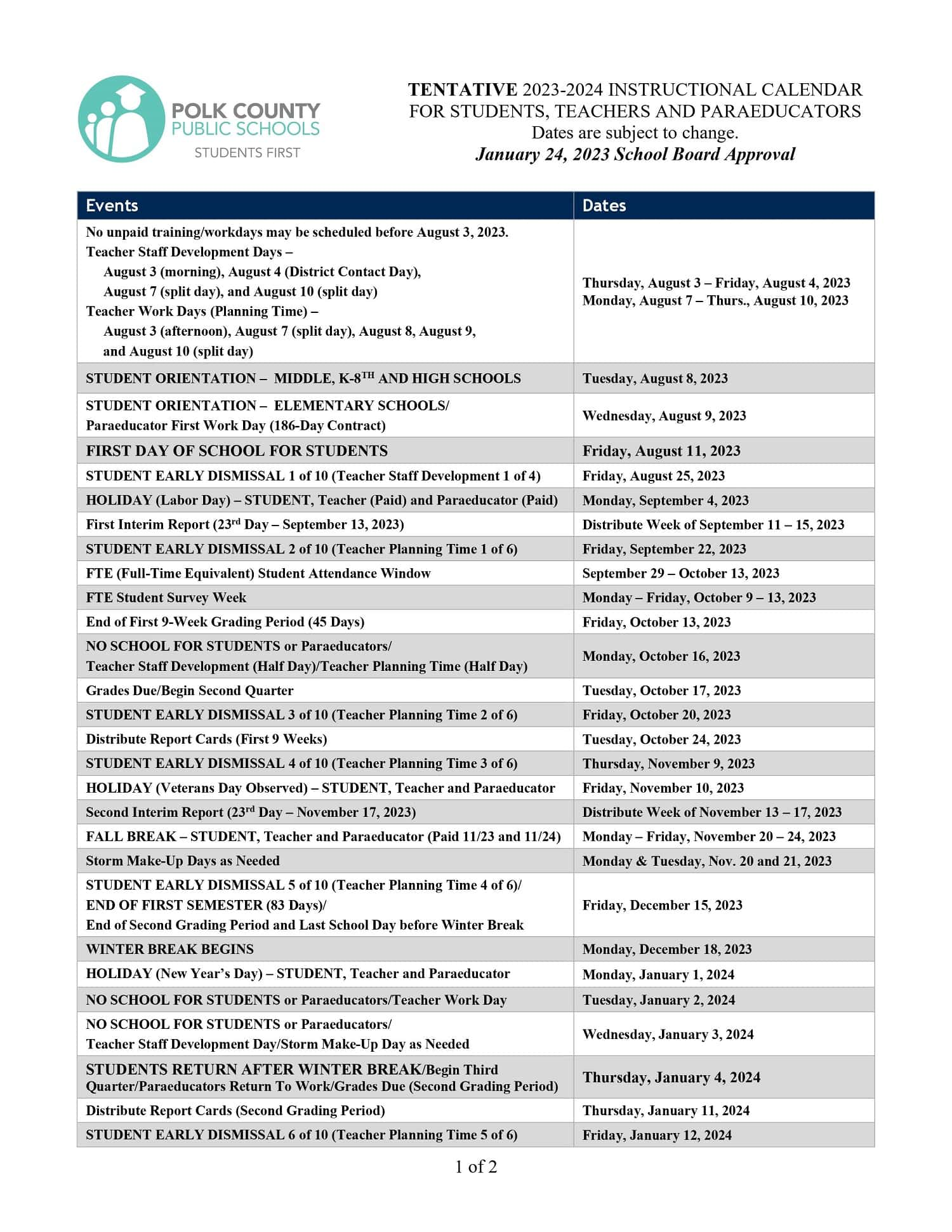
The most reliable way to gauge crowd levels for your desired travel dates is to consult the academic calendars of several major Florida school districts (e.g., Orange County, Miami-Dade County, Hillsborough County for Tampa). A quick online search for “[County Name] School District Calendar” will usually provide the official dates for the current and upcoming academic years. Look for start and end dates, as well as any extended breaks for Thanksgiving, Winter Holidays, and Spring Break.
Booking in Advance
Regardless of whether you choose to travel during peak or off-peak times, booking your accommodations, flights, and major attraction tickets well in advance is always a wise strategy. During peak seasons, this is crucial for securing availability and avoiding inflated last-minute prices. Even during quieter periods, booking ahead can often yield better deals and give you peace of mind. For popular Florida destinations, “in advance” can mean 6-12 months for peak times, and 3-6 months for off-peak.
Embracing Flexibility
If your schedule allows for flexibility, you have the greatest advantage. Being able to shift your travel dates by even a week can sometimes move you from a major peak into a shoulder season, significantly enhancing your experience. Consider traveling mid-week instead of on weekends, or scheduling your visit immediately after a major holiday period rather than right before it. Flexibility is your best tool for navigating the ebb and flow of Florida’s tourism landscape, especially when informed by the state’s school calendars.
In conclusion, the question “When do Florida schools end?” is far more than a simple academic inquiry for prospective travelers. It’s a foundational element of strategic travel planning, directly influencing the cost, crowd levels, and overall enjoyment of your Sunshine State adventure. By understanding the nuances of Florida’s varied school calendars, you can unlock the best times to visit, ensuring a memorable and perhaps even serene journey through this vibrant and diverse state.
LifeOutOfTheBox is a participant in the Amazon Services LLC Associates Program, an affiliate advertising program designed to provide a means for sites to earn advertising fees by advertising and linking to Amazon.com. Amazon, the Amazon logo, AmazonSupply, and the AmazonSupply logo are trademarks of Amazon.com, Inc. or its affiliates. As an Amazon Associate we earn affiliate commissions from qualifying purchases.