
Arizona, a state synonymous with arid landscapes and iconic desert vistas, might not immediately evoke images of towering peaks. Yet, the Grand Canyon State boasts a surprisingly diverse and dramatic mountainous topography, ranging from the rugged Sangre de Cristo range extensions to volcanic cones and ancient, eroded massifs. These geological wonders are not merely backdrops; they are integral to Arizona’s identity, offering unparalleled opportunities for exploration, adventure, and a deeper appreciation of the natural world. For the intrepid traveler, understanding these mountain ranges is key to unlocking the state’s most breathtaking destinations and experiencing its unique geological tapestry.
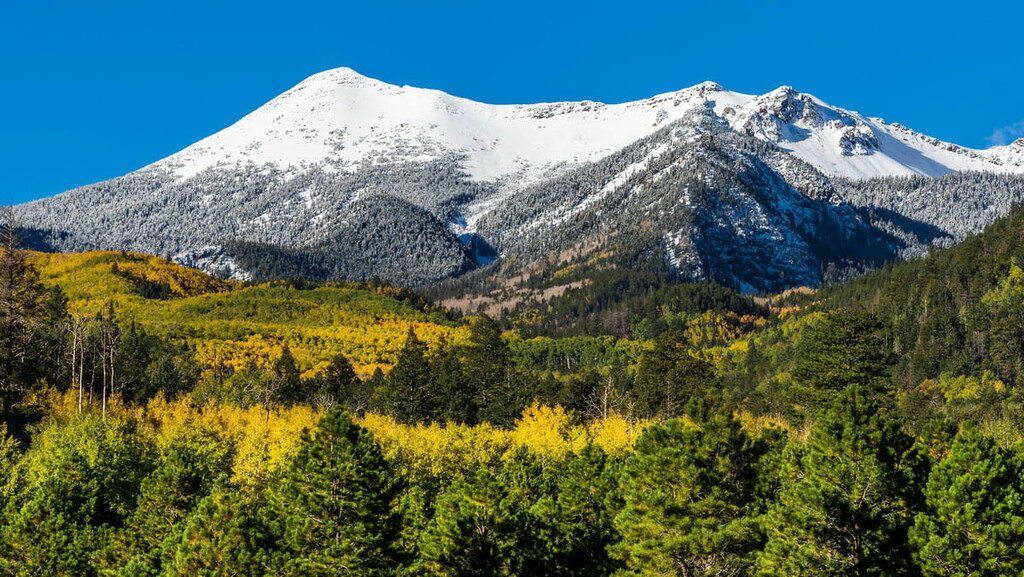
The Majestic Peaks of Northern Arizona
Northern Arizona is perhaps the most renowned region for its mountainous terrain, largely due to its proximity to the Colorado Plateau and its proximity to the Grand Canyon National Park. This area is characterized by high elevations, dramatic geological formations, and a climate that can vary significantly from the desert floor.
The San Francisco Peaks
Dominating the skyline above Flagstaff, the San Francisco Peaks are the most prominent mountain range in Arizona. These ancient volcanoes are home to Humphreys Peak, the highest point in the state, reaching an elevation of 12,633 feet. The peaks are not a single monolithic entity but a complex of several mountains, including Agassiz Peak, Fremont Peak, and Doyle Peak.
- Humphreys Peak: As the crown jewel of Arizona’s mountains, Humphreys Peak offers a challenging but rewarding hiking experience. The ascent to the summit is a strenuous 5-mile trail that winds through alpine forests, meadows bursting with wildflowers in the summer, and eventually above the tree line to a barren, rocky summit. The panoramic views from the top are truly spectacular, encompassing vast expanses of northern Arizona, including the Painted Desert and the Petrified Forest National Park on a clear day. The trail is typically snow-covered from late fall through spring, making it a popular destination for winter sports enthusiasts as well.
- Arizona Snowbowl: Located on the slopes of the San Francisco Peaks, Arizona Snowbowl is Arizona’s premier ski resort. It offers a unique skiing and snowboarding experience with its high elevation and abundant snowfall, providing a welcome contrast to the surrounding desert climate. Beyond winter sports, the Snowbowl offers scenic chairlift rides during the summer months, providing accessible and stunning views of the San Francisco Peaks and the surrounding landscape without the strenuous hike.
- Native American Significance: The San Francisco Peaks hold profound spiritual and cultural significance for various Native American tribes, including the Navajo (Diné), Hopi, Yavapai, and Havasupai. These mountains are considered sacred sites, believed to be the homes of deities and spirits. Visitors are encouraged to approach these areas with respect and awareness of their cultural importance.
The Mogollon Rim
While not a mountain range in the traditional sense, the Mogollon Rim is a dramatic geological escarpment that forms the southern boundary of the Colorado Plateau. This towering cliff face stretches for over 200 miles and creates a distinct ecological transition zone, with pine forests at its crest and a more arid environment below.
- Scenic Drive: The Rim is traversed by the scenic State Route 87 and State Route 260, offering numerous overlooks and pull-offs with breathtaking views. These drives are a popular choice for travelers seeking dramatic landscapes and access to hiking trails, fishing lakes, and campgrounds.
- Ecological Diversity: The higher elevations of the Mogollon Rim support dense ponderosa pine forests, providing habitat for a variety of wildlife. As the elevation drops, the vegetation transitions to pinyon-juniper woodlands and eventually into the desert scrub. This ecological diversity makes the Rim a fascinating area for nature observation and photography.
- Recreational Opportunities: Numerous state parks and national forests are situated along the Mogollon Rim, offering extensive opportunities for hiking, camping, fishing, and wildlife viewing. Popular spots include Tonto Natural Bridge State Park, Payson, and the Coconino National Forest.
The Rugged Beauty of Central and Eastern Arizona
Moving towards the central and eastern parts of the state, the mountains become more rugged, characterized by ancient geological formations, mineral-rich deposits, and a history deeply intertwined with mining.
The Bradshaw Mountains
Located north of Phoenix and west of Prescott, the Bradshaw Mountains are a significant mountain range in central Arizona. These mountains are known for their rugged terrain, rich mineral history, and a surprising abundance of water sources in their higher elevations.
- Historical Mining Towns: The Bradshaws were once a hotbed of mining activity, particularly for gold and silver. Remnants of this era can still be found in the form of ghost towns and abandoned mines, offering a glimpse into Arizona’s Wild West past. Towns like Jerome, perched precariously on the mountainside, have transformed into vibrant arts and cultural centers, drawing visitors interested in history and unique experiences.
- Hiking and Exploration: The range offers numerous trails for hikers and off-road enthusiasts, winding through canyons, along ridgelines, and into high mountain meadows. The diverse vegetation, from saguaro cacti at lower elevations to pine and juniper forests at higher altitudes, makes for varied and visually interesting hikes.
- Water Features: Despite their arid surroundings, the Bradshaw Mountains contain several important waterways, including the Agua Fria River. These water sources are vital for the region’s ecosystems and offer opportunities for fishing and other water-based recreation.
The Pinal Mountains

Southeast of Phoenix, the Pinal Mountains rise as a prominent range, offering a cooler climate and lush forests that contrast sharply with the surrounding desert.
- Pinal Peak: The highest point in the Pinal Mountains is Pinal Peak, providing a popular destination for hiking and enjoying panoramic views. The drive up to the peak, often accessible by forest service roads, is an adventure in itself, revealing changing vegetation and stunning vistas.
- Recreation and Conservation: The Pinal Mountains are a significant area for recreation, with numerous trails and campgrounds managed by the Tonto National Forest. The area is known for its biodiversity, including populations of elk, deer, and various bird species.
The Galiuro Mountains
Located in southeastern Arizona, the Galiuro Mountains are a more remote and rugged range, known for their dramatic canyons, volcanic origins, and relatively pristine wilderness.
- Wilderness Areas: A significant portion of the Galiuros is designated as Wilderness, preserving their natural character and offering a true escape into the wild. These areas are ideal for experienced hikers and backpackers seeking solitude and immersion in nature.
- Geological Interest: The mountains exhibit fascinating geological features, including evidence of past volcanic activity and significant erosion that has carved deep canyons and steep slopes. This makes them of particular interest to geologists and those who appreciate raw, untamed landscapes.
The Diverse Ranges of Southern and Western Arizona
Southern and western Arizona, while predominantly known for its desert environments, also harbors a collection of mountain ranges that contribute to the state’s varied topography and offer unique travel experiences.
The Superstition Mountains
East of Phoenix, the Superstition Mountains are a dramatic and iconic range characterized by their sharp, jagged peaks, steep canyons, and a mystique fueled by legend and folklore.
- Superstition Wilderness: The majority of the range is protected as the Superstition Wilderness, a popular destination for hikers and backpackers. Trails range from relatively easy walks to challenging climbs, often leading to hidden canyons, archeological sites, and stunning viewpoints.
- Legends and Lore: The Superstitions are steeped in tales of lost gold mines, lost Dutchman legends, and mysterious disappearances. This aura of mystery adds an adventurous layer to exploring the rugged terrain, drawing visitors who are intrigued by the local lore.
- Apache Trail: The historic Apache Trail, a winding and scenic road that skirts the edge of the mountains, offers incredible views and access to various trailheads and historic sites, including the charming town of Tortilla Flat.
The Santa Catalina Mountains
Just northeast of Tucson, the Santa Catalina Mountains rise abruptly from the desert floor, offering a dramatic contrast in elevation and climate.
- Mount Lemmon: The highest peak in the range, Mount Lemmon, is accessible via the stunning Catalina Highway Scenic Drive. This drive is a journey through multiple life zones, from the saguaro-dotted desert to cool pine forests at the summit, showcasing Arizona’s incredible ecological diversity.
- Biosphere 2: The innovative Biosphere 2, a unique research facility and exhibit, is located in the foothills of the Santa Catalinas, offering a glimpse into cutting-edge environmental science and the challenges of closed ecological systems.
- Sky Island Ecosystem: The Santa Catalinas are part of Arizona’s famed “Sky Island” region, where isolated mountain ranges rise like islands from a sea of desert. This creates unique microclimates and supports a remarkable array of plant and animal life, often found nowhere else.
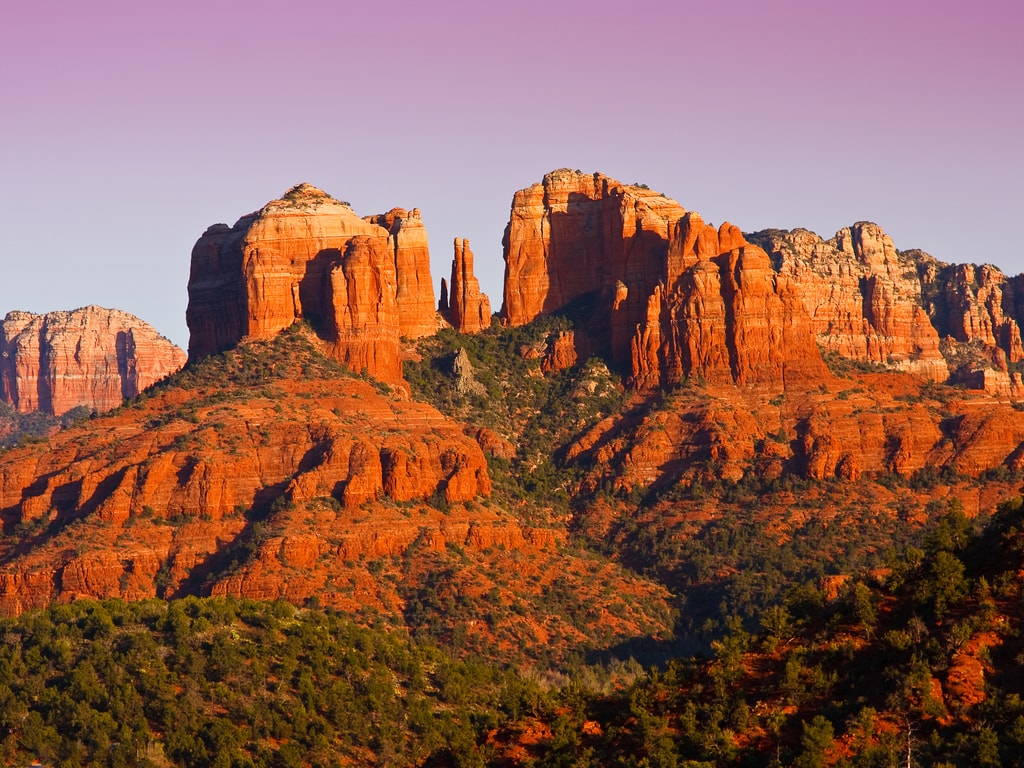
The Huachuca Mountains
In the southeastern corner of Arizona, near the border with Mexico, the Huachuca Mountains are another significant “Sky Island” range.
- Birdwatching: These mountains are renowned worldwide for their exceptional birdwatching opportunities, particularly for diverse species of hummingbirds and other high-altitude avian life.
- Fort Huachuca: The historic Fort Huachuca, a U.S. Army installation, is situated in the foothills, adding a layer of military history to the region.
Arizona’s mountains are far more than just geological features; they are vital ecosystems, cultural touchstones, and adventure hubs. From the volcanic grandeur of the San Francisco Peaks to the rugged canyons of the Superstitions and the ecological marvels of the Sky Islands, these ranges offer a compelling counterpoint to the state’s famous desert landscapes, inviting exploration and promising unforgettable experiences for every traveler.
LifeOutOfTheBox is a participant in the Amazon Services LLC Associates Program, an affiliate advertising program designed to provide a means for sites to earn advertising fees by advertising and linking to Amazon.com. Amazon, the Amazon logo, AmazonSupply, and the AmazonSupply logo are trademarks of Amazon.com, Inc. or its affiliates. As an Amazon Associate we earn affiliate commissions from qualifying purchases.