
California is an extraordinary state, celebrated globally not only for its vibrant cities, sun-drenched beaches, and innovative spirit but also for its unparalleled natural beauty. When one asks, “What national park is in California?”, the answer is not a singular one, but a resounding chorus of nine magnificent national parks, each a testament to the diverse ecosystems and breathtaking landscapes that define the Golden State. These protected areas offer an array of experiences, from towering ancient forests and glaciated peaks to stark desert vistas and pristine island ecosystems, making California a premier destination for nature enthusiasts and adventurers alike.
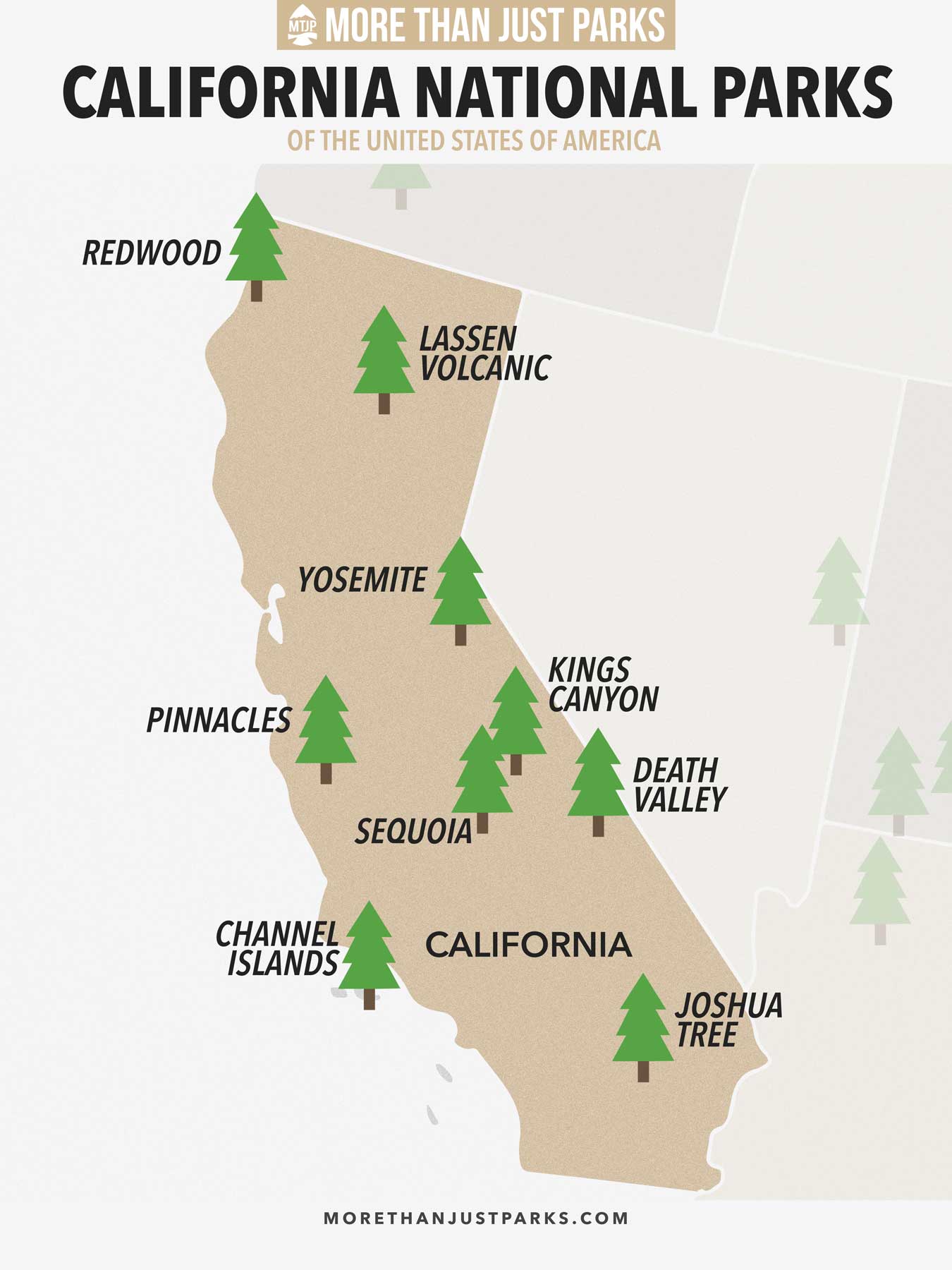
Exploring California’s national parks is more than just a trip; it is an immersion into some of the most iconic natural wonders on Earth. From the dramatic granite cliffs of Yosemite to the otherworldly Joshua trees of its namesake park, and the deepest canyons alongside the world’s most massive trees, these parks represent a commitment to preserving natural heritage for future generations. For the avid traveler, they offer endless opportunities for hiking, wildlife viewing, photography, and profound connection with the wilderness.
California’s Abundance of Natural Wonders: An Introduction to Its National Parks
California stands unique with its impressive collection of nine national parks, a number surpassed by only a few other states. This rich tapestry of protected lands is a direct reflection of California’s extraordinary geographical diversity, encompassing everything from the lowest point in North America to its highest peak, Mount Whitney, just a short distance away. Each park offers a distinct ecological narrative and a unique set of adventures.
A Legacy of Preservation
The establishment of national parks in California dates back to 1890, with the designation of Yosemite, Sequoia, and Kings Canyon National Parks, primarily championed by conservationists like John Muir. These early efforts set a precedent for safeguarding invaluable natural resources against the tide of industrial expansion. Over the decades, more areas of exceptional beauty and ecological significance were added, culminating in the diverse portfolio we cherish today. This legacy ensures that these pristine environments remain accessible and preserved, offering a continuous source of inspiration and education.
Why Visit California’s National Parks?
The allure of California’s national parks is multifaceted. For many, it’s the opportunity to witness monumental landscapes that defy imagination – ancient sequoias that have stood for millennia, granite formations carved by ice, or vast deserts teeming with resilient life. For others, it’s the thrill of adventure: conquering challenging trails, rafting wild rivers, or stargazing under exceptionally dark skies. Beyond the physical activities, these parks provide a sanctuary for mental rejuvenation, a chance to disconnect from the digital world and reconnect with nature. They are also crucial habitats for countless species of flora and fauna, making them vital centers for ecological research and conservation.
Iconic Giants of the Sierra Nevada
The Sierra Nevada mountain range is the backbone of California’s most famous national parks, boasting dramatic elevation changes, ancient forests, and geological marvels born from glaciation and tectonic forces.
Yosemite National Park: Granite Cliffs and Waterfalls
Perhaps the most famous of all, Yosemite National Park is an icon of the American wilderness, renowned for its dramatic granite cliffs, colossal waterfalls, and ancient giant sequoias. Located in the central Sierra Nevada, Yosemite Valley is its crown jewel, offering breathtaking views of El Capitan, Half Dome, and the majestic Yosemite Falls, which ranks among the tallest in North America. Beyond the valley, visitors can explore high country wilderness, pristine alpine lakes, and expansive meadows. Popular activities include hiking the Mist Trail to Vernal and Nevada Falls, rock climbing on the formidable granite walls, and driving through Tuolumne Meadows for stunning vistas. Yosemite truly embodies the grandeur of nature, attracting millions each year to witness its splendor.
Sequoia National Park and Kings Canyon National Park: Land of the Giants
Often managed as a single unit, Sequoia National Park and Kings Canyon National Park are home to the largest trees on Earth by volume – the giant sequoias. Sequoia National Park is famous for the Giant Forest, where you can find the General Sherman Tree, the world’s most massive single living organism. The park’s deep canyons, soaring peaks, and alpine wilderness offer profound solitude and rugged adventure. Kings Canyon National Park, to the north, boasts one of the deepest canyons in North America, carved by glacial action and the Kings River. Both parks provide extensive hiking opportunities, from accessible walks through groves of giants to strenuous backcountry treks leading to breathtaking panoramas. Visiting these parks offers a humbling experience, walking among living giants that predate human civilization.
Desert Landscapes of Unique Beauty
Moving east, California’s landscape dramatically shifts to expansive deserts, each with its own distinct character, offering a different kind of wilderness experience that challenges perceptions of beauty and resilience.
Death Valley National Park: Extremes of Nature
Death Valley National Park is a land of extremes and mesmerizing beauty, holding the record for the lowest point in North America at Badwater Basin and often the hottest temperatures on Earth. Despite its formidable name, Death Valley is teeming with life and surreal landscapes. Visitors can explore vast salt flats, colorful badlands, sand dunes, and mysterious moving rocks. The park’s unique geology, vibrant mineral deposits, and profound silence offer an otherworldly experience. Popular spots include Zabriskie Point for sunrise views, Artist’s Drive for its vibrant hues, and hiking opportunities through canyons like Mosaic Canyon. The best time to visit is during the cooler months to fully appreciate its stark grandeur.
Joshua Tree National Park: A Confluence of Deserts
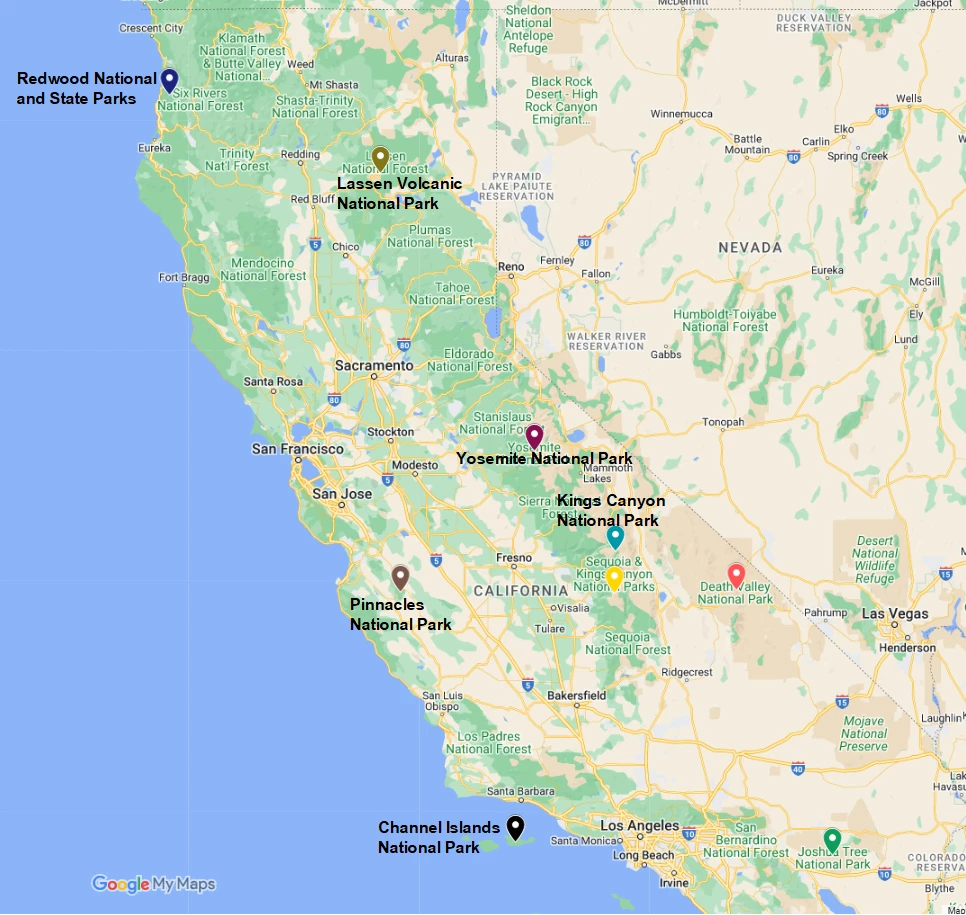
Joshua Tree National Park is where two distinct desert ecosystems, the Mojave and the Colorado, meet, creating a unique and captivating landscape. The park is famous for its namesake Joshua trees, distinctive yucca plants that dot the landscape, alongside a fascinating array of rock formations popular with climbers and boulderers. This park offers a rugged beauty, perfect for stargazing, hiking among the whimsical trees, and exploring its many geological features. Skull Rock, Hidden Valley, and Barker Dam are popular spots. The unique juxtaposition of flora and dramatic rock formations makes Joshua Tree a photographer’s paradise and a spiritual retreat for many.
Coastal, Volcanic, and Hidden Gems
Beyond the towering mountains and vast deserts, California holds a collection of national parks that showcase its volcanic past, ancient coastal forests, and isolated island ecosystems, each offering a distinct adventure.
Redwood National Park: Towering Ancient Forests
Stretching along the rugged northern California coast, Redwood National Park (which includes several State Parks) is home to the tallest trees on Earth – the coastal redwoods. These magnificent trees can soar over 300 feet, creating an awe-inspiring cathedral-like environment that filters sunlight into ethereal shafts. Walking through these ancient groves is a truly immersive and humbling experience, connecting visitors to a primordial forest that has existed for millions of years. The park offers scenic drives, serene hiking trails, and opportunities for wildlife viewing, including Roosevelt elk. The coastal fog provides the essential moisture for these giants, making the atmosphere cool and mystical, a stark contrast to California’s drier regions.
Lassen Volcanic National Park: A Hydrothermal Wonderland
Tucked away in northeastern California, Lassen Volcanic National Park is a hidden gem that showcases all four types of volcanoes: shield, composite, cinder cone, and plug dome. It is an active volcanic area, where visitors can witness steaming fumaroles, bubbling mud pots, and hot springs, remnants of its fiery past and present. The park’s centerpiece, Lassen Peak, last erupted in the early 20th century. Hiking to the summit offers panoramic views, while trails around Bumpass Hell provide a close-up look at the vibrant hydrothermal features. The landscape is also dotted with pristine alpine lakes and meadows, offering excellent opportunities for hiking, fishing, and snowshoeing in winter.
Channel Islands National Park: California’s Galápagos
Just off the southern California coast lies Channel Islands National Park, an archipelago often referred to as “North America’s Galápagos.” Five of the eight islands and their surrounding waters are protected here, boasting unique ecosystems, endemic species found nowhere else on Earth, and remarkable marine life. Accessible only by boat or plane, these islands offer an unparalleled sense of wilderness and solitude. Visitors can enjoy kayaking through sea caves, snorkeling or diving in kelp forests, hiking pristine trails, and observing rare animals like the island fox. The journey to the islands often includes whale and dolphin sightings, adding to the sense of adventure and discovery.
Pinnacles National Park: A Geologic Marvel
Pinnacles National Park, located inland from Monterey Bay, is a landscape born of ancient volcanic activity. Over millions of years, erosion has carved spectacular rock formations, spires, and caves from a portion of an extinct volcano. The park is a haven for rock climbers and hikers who can explore its unique terrain and talus caves, home to various bat species. Pinnacles is also critical habitat for the endangered California condor, and visitors often have the chance to spot these magnificent birds soaring overhead. Its rugged beauty and diverse wildlife make it a fascinating destination for those seeking a different kind of national park experience.
Planning Your National Park Adventure in California
With such a diverse array of national parks, planning a visit to California offers a wealth of choices. Each park has distinct features and optimal visiting periods, making careful planning essential for a rewarding experience.
Best Time to Visit
The “best” time to visit California’s national parks largely depends on which park you intend to explore. For the desert parks like Death Valley and Joshua Tree, the cooler months from October to April are ideal. Mountain parks like Yosemite, Sequoia, and Kings Canyon are most accessible and popular in the summer, though spring offers spectacular waterfalls and autumn brings vibrant foliage. Lassen Volcanic is best in summer due to heavy winter snows. Redwood National Park is beautiful year-round, with summer offering milder weather. Channel Islands is accessible year-round, with spring and fall offering calm seas. Pinnacles is best in spring when wildflowers bloom and temperatures are moderate.

Essential Tips for a Rewarding Experience
When planning your trip, consider making reservations for popular parks like Yosemite, especially during peak season, as entry permits or timed entry systems are often in place. Always check the official National Park Service website for current conditions, road closures, and specific regulations. Pack appropriate gear for the climate and activities planned, including plenty of water, sun protection, and layers of clothing. Embrace the “Leave No Trace” principles to help preserve these pristine environments. Finally, allow ample time to explore; these parks are vast and offer endless opportunities for discovery and introspection.
In conclusion, California is not home to just one national park, but rather a spectacular collection of nine, each a unique jewel in the crown of the American landscape. From the ancient grandeur of its sequoia groves to the stark beauty of its deserts and the untamed wilderness of its islands, California’s national parks offer an unparalleled spectrum of natural wonders and adventures, beckoning travelers to explore, appreciate, and protect these invaluable treasures.
LifeOutOfTheBox is a participant in the Amazon Services LLC Associates Program, an affiliate advertising program designed to provide a means for sites to earn advertising fees by advertising and linking to Amazon.com. Amazon, the Amazon logo, AmazonSupply, and the AmazonSupply logo are trademarks of Amazon.com, Inc. or its affiliates. As an Amazon Associate we earn affiliate commissions from qualifying purchases.