
When planning a trip to the Golden State, it’s essential to be informed about the natural forces that shape its dramatic landscapes and occasionally disrupt life. California’s diverse geography, from its rugged coastline to its towering mountains and arid deserts, makes it susceptible to a variety of natural phenomena. While its allure lies in its sunshine, beaches, and iconic landmarks, understanding the potential for natural disasters is a crucial part of responsible travel and lifestyle planning. This guide explores the most common natural disasters in California, offering insights for travelers, accommodation seekers, and those interested in the state’s unique environmental characteristics.
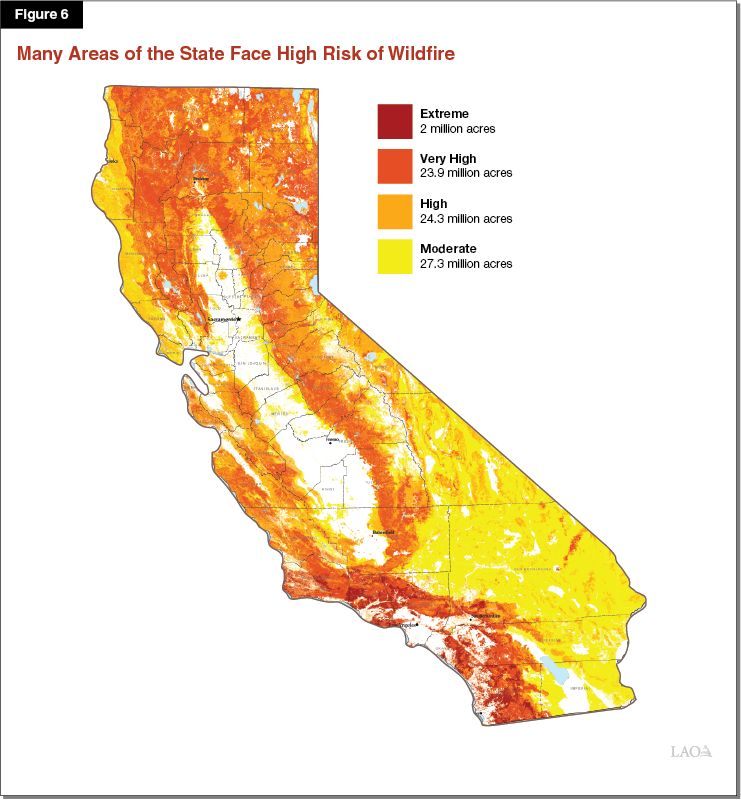
California is a state defined by its dynamic geology and varied climate, placing it at the forefront of seismic activity and prone to extreme weather events. The state’s position along the San Andreas Fault, a massive transform fault that runs through California, is a constant reminder of its seismic volatility. However, earthquakes are just one piece of the natural disaster puzzle. Wildfires, droughts, floods, and even occasional landslides are all phenomena that residents and visitors should be aware of. This awareness allows for better preparation, safer travel, and a deeper appreciation for the resilience of this vibrant state.
The Ever-Present Threat: Earthquakes
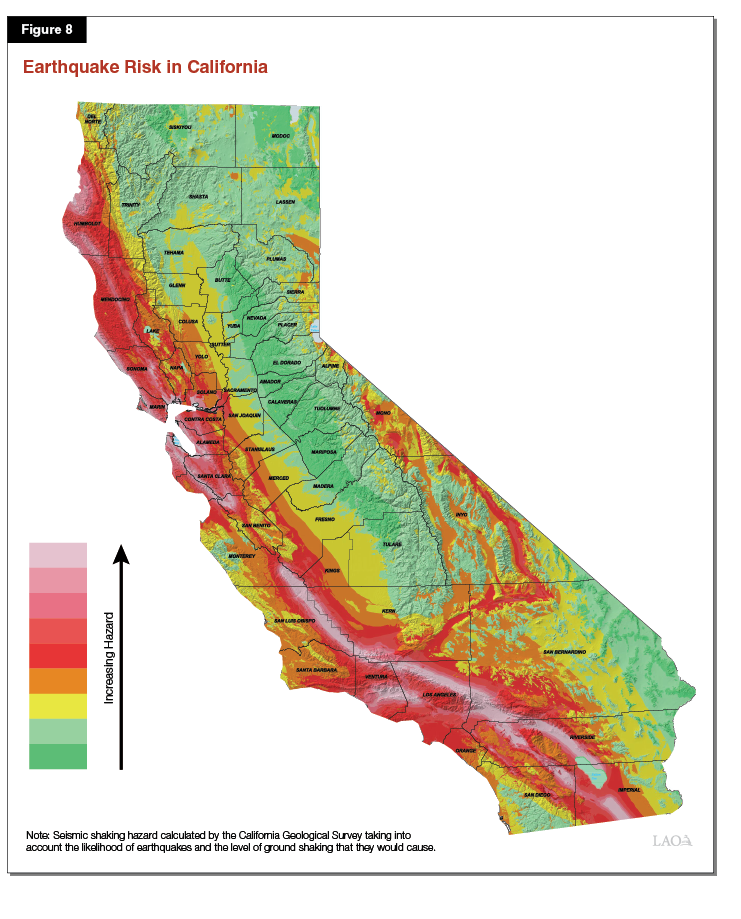
California is synonymous with earthquakes, a reality dictated by its location on the Pacific Ring of Fire. The state is home to thousands of faults, with the San Andreas Fault being the most famous and significant. This geological boundary marks the meeting point of the Pacific Plate and the North American Plate, and their slow but powerful movement generates the seismic energy that California frequently experiences.
Understanding Seismic Activity in California
Earthquakes in California range from minor tremors that are barely felt to major, devastating events. While predicting the exact time and magnitude of an earthquake is impossible, seismologists continuously monitor seismic activity, providing valuable data for understanding the risks. The California Institute of Technology (Caltech) and the United States Geological Survey (USGS) are key institutions at the forefront of earthquake research and public safety information in the state.
The sheer number of faults in California means that earthquakes can occur throughout the state, not just along the San Andreas Fault. Areas like the Los Angeles Basin, the San Francisco Bay Area, and the Southern California desert regions are all subject to seismic hazards. Minor earthquakes are a regular occurrence, often felt as a brief shaking or a gentle sway. However, the potential for larger, more destructive earthquakes remains a significant concern. Historical events like the 1906 San Francisco earthquake and the 1989 Loma Prieta earthquake serve as stark reminders of the destructive power these geological events can unleash.
Preparing for and Responding to Earthquakes
For travelers and residents alike, preparedness is key. Understanding basic earthquake safety measures can significantly mitigate risks. During an earthquake, the immediate advice is to “drop, cover, and hold on.” This means dropping to the ground, covering your head and neck with your arms, and holding on to a sturdy piece of furniture. It’s also advisable to stay away from windows, heavy objects that could fall, and anything that could become a projectile.
Beyond immediate safety, having an emergency kit with essentials like water, non-perishable food, a first-aid kit, and a flashlight is crucial. Familiarizing yourself with evacuation routes and knowing how to shut off utilities like gas and water can also be vital in the aftermath of a significant seismic event. Many hotels and accommodations in California provide earthquake safety information to their guests, and it’s wise to review these guidelines upon arrival.
The Fiery Menace: Wildfires
California’s climate, characterized by hot, dry summers and often wet winters, creates ideal conditions for wildfires, particularly in its vast wildland areas. These fires have become a more frequent and intense threat in recent decades, fueled by factors such as drought, climate change, and the accumulation of vegetation.
Causes and Contributing Factors
Wildfires in California can be ignited by natural causes such as lightning strikes, but human activities are also a significant factor, including campfires left unattended, sparks from equipment, and downed power lines. The state’s extensive wildland-urban interface, where human settlements meet natural vegetation, means that fires can quickly threaten homes and communities.
The growing season in California is often followed by prolonged periods of dry conditions, turning grasses, shrubs, and trees into highly flammable fuel. When combined with high winds, often experienced during Santa Ana or Diablo wind events, these fires can spread with astonishing speed and ferocity, engulfing vast areas in a matter of hours. The impact of these fires extends beyond immediate destruction, leading to significant air pollution, displacement of communities, and long-term ecological damage.
Navigating Wildfire Seasons
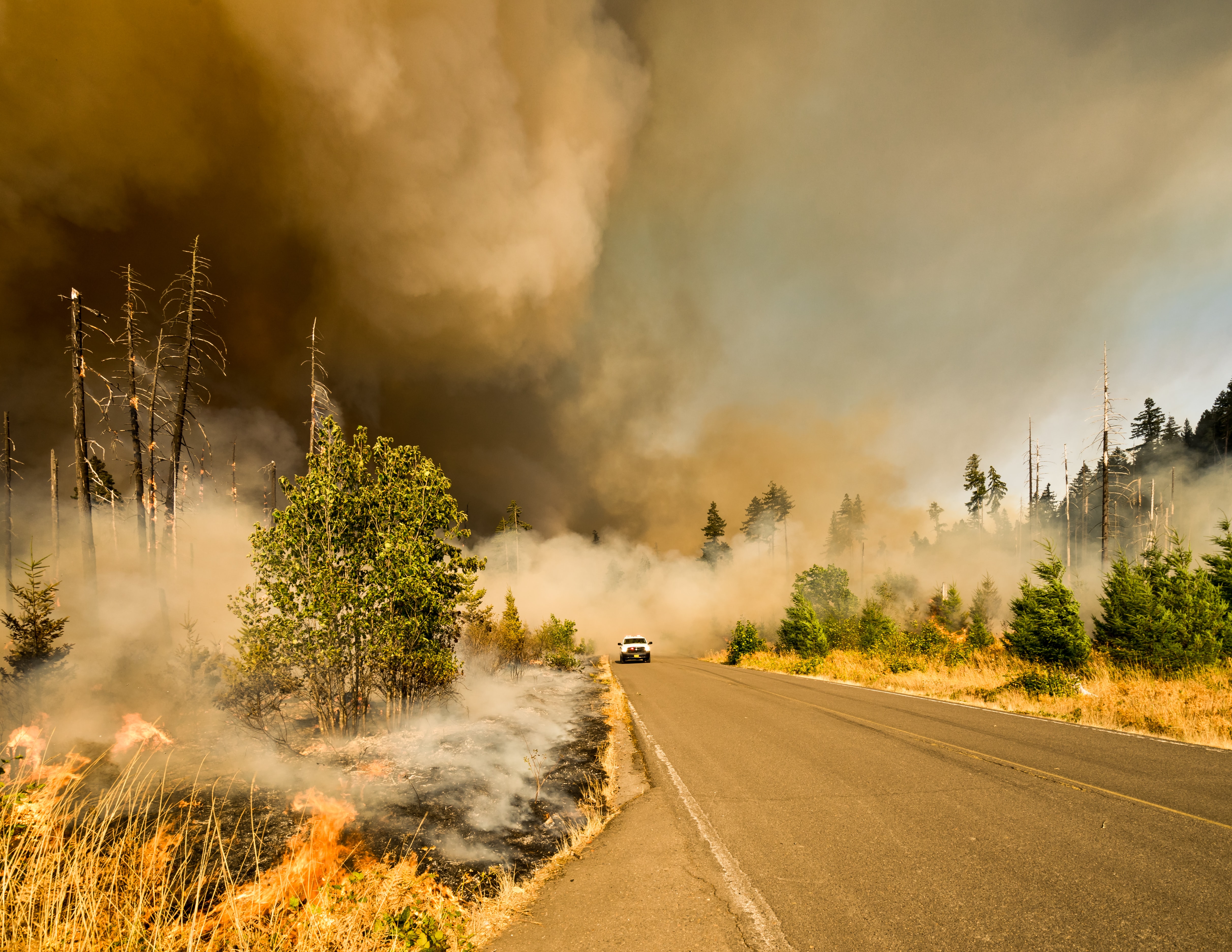
Wildfire season in California typically runs from late spring through fall, but in recent years, it has extended for longer periods. Travelers planning trips during these months, especially to areas near wildlands or mountains like the Sierra Nevada or the Santa Monica Mountains, should stay informed about current fire conditions. Air quality can be significantly impacted by smoke, leading to advisories and potential health concerns.
Many destinations, including national parks like Yosemite or Joshua Tree National Park, may implement fire restrictions or even closures during periods of high fire danger. It is essential to check the official websites of parks and local authorities for the latest updates. If you encounter smoke or are in an area with an active fire, it’s important to follow evacuation orders promptly and prioritize safety. Accommodation providers may also have specific protocols in place for guests during wildfire events.
The Dual Edge: Floods and Droughts
California’s weather patterns are marked by extremes, presenting a duality of threats: prolonged periods of severe drought interspersed with intense rainfall and flooding. These hydrological extremes have significant impacts on the state’s water resources, agriculture, and natural ecosystems.
The Cycle of Drought
California has a long history of experiencing droughts, some of which have been particularly severe. These periods of significantly below-average rainfall lead to depleted reservoirs, reduced snowpack in the mountains (a crucial source of water), and increased stress on natural habitats. During droughts, water restrictions are often implemented, affecting everything from agricultural irrigation to residential water use.
The impacts of drought are far-reaching, affecting the state’s iconic agricultural industry, the health of its forests, and the availability of water for its large population. The Central Valley, a major agricultural hub, is particularly vulnerable to the effects of prolonged drought.
The Perils of Heavy Rainfall and Flooding
Conversely, California can also experience periods of intense rainfall, often following extended dry spells. When the parched earth can no longer absorb the water, and reservoirs are at capacity, heavy rainfall can lead to flash floods, mudslides, and debris flows, especially in burn scar areas where vegetation has been removed by wildfires. Coastal areas can also be affected by storm surges and heavy ocean swells.
The Sierra Nevada’s snowpack plays a vital role in the state’s water supply. While beneficial in times of drought, rapid snowmelt, especially when combined with warm rains, can lead to significant flooding in river valleys and lower-lying areas. Understanding the potential for these events is crucial, particularly when traveling in mountainous regions or near major river systems.
Other Notable Natural Events
While earthquakes, wildfires, floods, and droughts are the most prominent natural disasters in California, other phenomena can also pose risks.
Landslides and Mudslides
The state’s mountainous terrain, combined with heavy rainfall or rapid snowmelt, can trigger landslides and mudslides. Areas with steep slopes, particularly those that have been disturbed by construction or affected by wildfires, are more susceptible. Travelers in mountainous areas should be aware of road conditions and potential closures due to these events.
Coastal Hazards
California‘s extensive coastline is beautiful, but it is also subject to coastal hazards. These can include strong rip currents at beaches, storm surges during severe weather, and the long-term threat of coastal erosion. Coastal communities and visitors should always be mindful of ocean conditions and heed warnings from lifeguards and local authorities.
In conclusion, California is a state of remarkable beauty and immense natural power. While the allure of its diverse landscapes, vibrant cities like San Diego and Sacramento, and iconic attractions draws millions, a comprehensive understanding of its natural disaster landscape is paramount. By staying informed, preparing adequately, and respecting the forces of nature, visitors and residents can enjoy all that California has to offer with greater safety and peace of mind, ensuring a fulfilling experience whether you’re exploring its natural wonders or seeking the perfect accommodation.
LifeOutOfTheBox is a participant in the Amazon Services LLC Associates Program, an affiliate advertising program designed to provide a means for sites to earn advertising fees by advertising and linking to Amazon.com. Amazon, the Amazon logo, AmazonSupply, and the AmazonSupply logo are trademarks of Amazon.com, Inc. or its affiliates. As an Amazon Associate we earn affiliate commissions from qualifying purchases.