
The allure of a perfectly grilled, succulent steak is undeniable. Whether you’re dining at a high-end steakhouse in the heart of Manhattan or enjoying a casual barbecue in your own backyard, certain cuts of beef have earned legendary status. Among these, the New York Strip stands out for its rich flavor, tender texture, and satisfying chew. But beyond the delicious experience it offers, a question often arises: what exactly is a New York Strip, and where does it come from on the cow? This exploration delves into the anatomy of this beloved cut, its culinary journey, and its place within the broader landscape of travel, tourism, and gastronomic adventures.
The New York Strip steak, also known by a variety of regional names such as Kansas City Strip, Sirloin Strip, Top Loin, or simply Strip Steak, is a prime example of how specific cuts of meat can become synonymous with both a location and an experience. Its popularity is so widespread that it has transcended its origins to become a global culinary icon, a staple on menus from the bustling streets of New York City to the serene landscapes of the French countryside. Understanding its origin not only satisfies culinary curiosity but also adds a layer of appreciation to the dining experience, much like understanding the history of a landmark or the cultural significance of a local dish enhances a travel itinerary.
Our journey into the world of the New York Strip begins with its anatomical classification. To truly appreciate this steak, we must look to the animal itself, understanding the muscles that contribute to its unique characteristics. This knowledge can enrich any culinary tour, turning a simple meal into an educational exploration of local produce and farming practices.
The Anatomy of a Premier Steak Cut
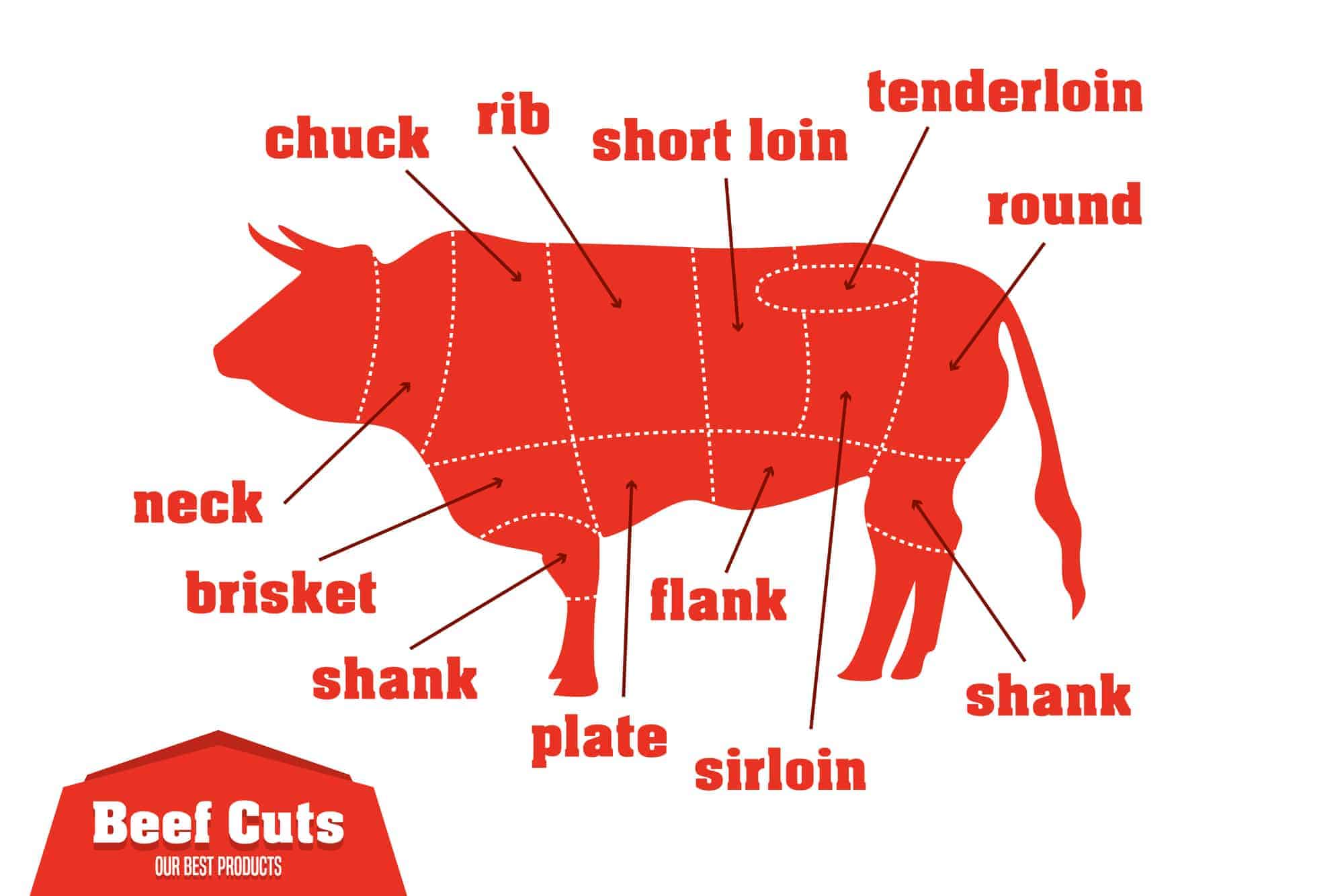
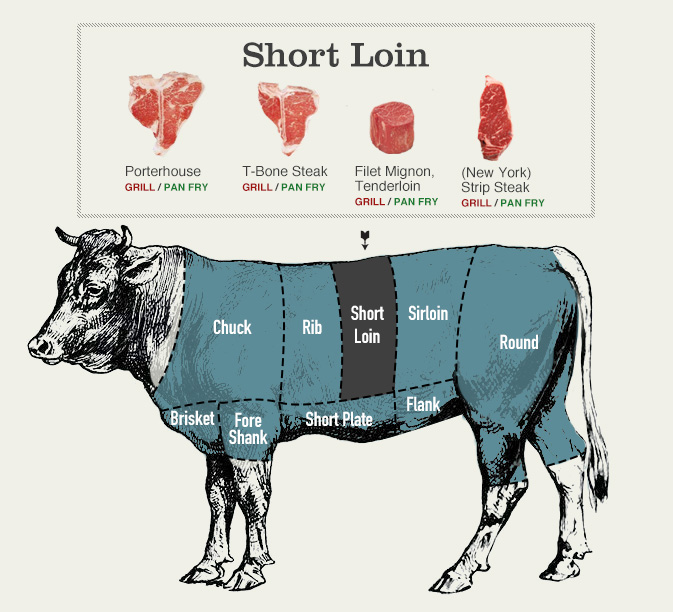
The New York Strip is expertly carved from the short loin of the cow. This particular section of the bovine is a treasure trove for steak enthusiasts. The short loin is a tender area that runs along the cow’s back, behind the ribs and extending towards the hindquarters. Because the muscles in this region are not heavily worked, the beef tends to be exceptionally tender.
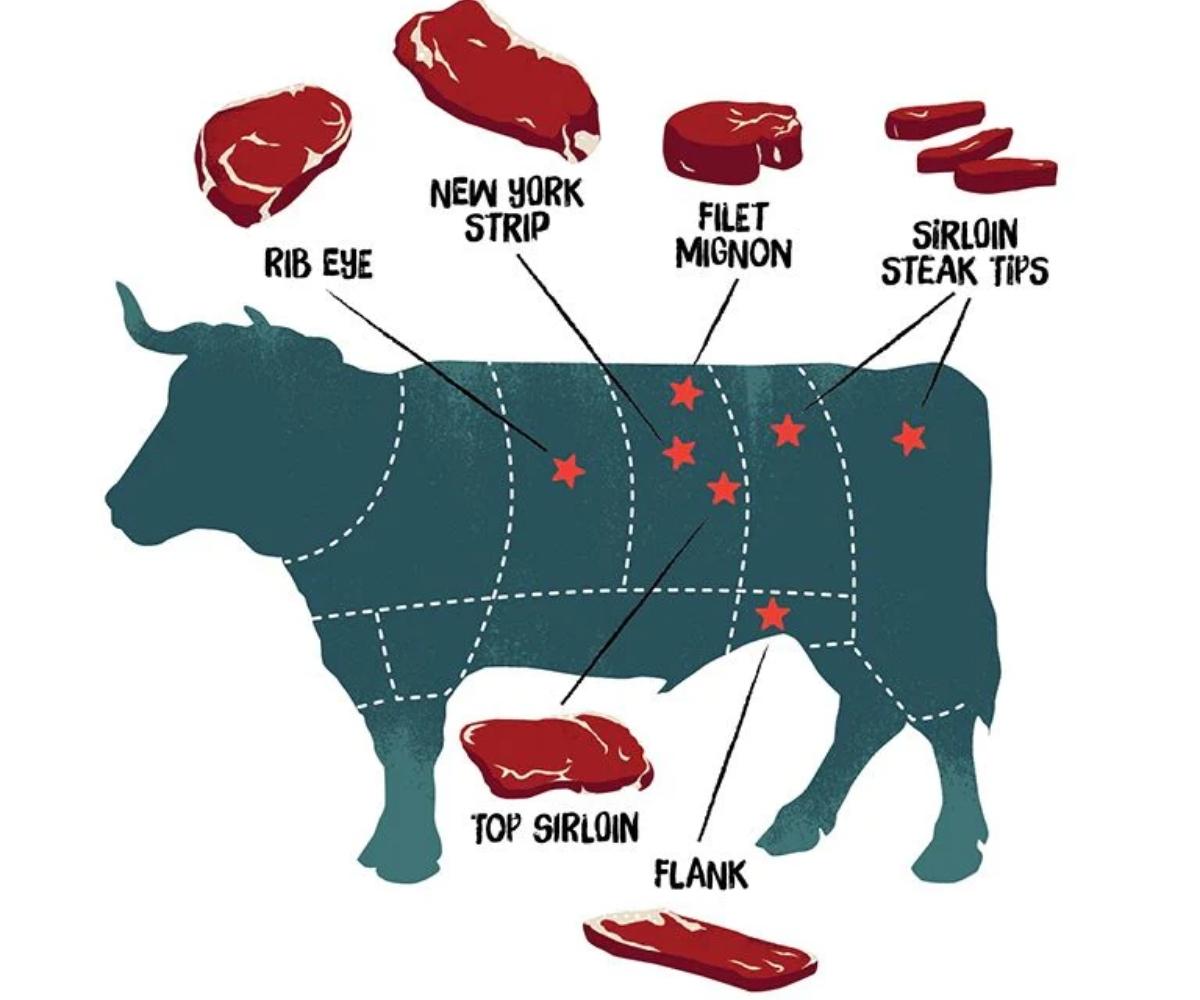
Within the short loin, the New York Strip specifically comes from the top loin primal cut. This sub-primal cut is then further divided into individual steaks. What makes the New York Strip so distinct is its ideal balance of tenderness and flavor. Unlike the even more tender but less flavorful filet mignon (which comes from the tenderloin, a different part of the cow’s back), the New York Strip possesses a more robust, beefy taste. This is due to its marbling – the intramuscular fat that melts during cooking, basting the meat from within and contributing to its juicy, flavorful profile.
The Strip vs. Other Popular Cuts
To further clarify the New York Strip’s position in the steak hierarchy, it’s helpful to compare it with other well-known cuts. This comparative understanding can be particularly useful for travelers exploring local butcher shops or seeking out authentic culinary experiences in different regions.
- Ribeye: Hailing from the rib section, the Ribeye is renowned for its abundant marbling and rich, buttery flavor. While also very tender, it can sometimes be richer and fattier than the New York Strip. Many steak connoisseurs debate which cut reigns supreme, much like art lovers might debate the merits of different masterpieces.
- Tenderloin (Filet Mignon): As mentioned, the Tenderloin is the most tender cut of beef, coming from the underside of the backbone. Its mild flavor profile makes it a canvas for sauces and seasonings, but it lacks the pronounced beefy character of the Strip. When dining in Paris, for example, seeking out a perfectly cooked Filet Mignon with a classic Béarnaise sauce is a quintessential experience.
- Sirloin: Often confused with the New York Strip (due to the “Sirloin Strip” moniker), the Sirloin is a broader category. The Top Sirloin is the most tender and flavorful part of the sirloin, located just behind the short loin. However, the New York Strip is generally considered more tender and better marbled than most other sirloin cuts, making it a more premium choice. Exploring the diverse cuts of beef at a local market in Argentina, a country famed for its beef, offers a fantastic opportunity to learn about these distinctions firsthand.
- Porterhouse and T-Bone: These iconic steaks are essentially two steaks in one, cut from the short loin where the bone separates the tenderloin and the strip steak. A Porterhouse is cut from the rear of the short loin and has a larger portion of tenderloin, while a T-Bone has a smaller piece of tenderloin. These are often the king of steaks for those who want the best of both worlds.
The New York Strip’s consistent quality and desirable texture place it firmly in the upper echelon of steak cuts. Its inherent beefiness, coupled with a satisfying chew, makes it a favorite for purists who appreciate the unadulterated flavor of high-quality beef.
Culinary Journeys and Global Appreciation
The popularity of the New York Strip has solidified its place on menus worldwide, making it a significant component of culinary tourism. Whether you’re on a gastronomic adventure in Italy, sampling traditional trattoria fare, or exploring the vibrant food scene in Tokyo, the New York Strip often makes an appearance, prepared in ways that reflect local culinary traditions.
From Butcher to Table: The Preparation and Appeal
The journey of a New York Strip from the farm to your plate is a testament to the skill of butchers and chefs alike. The way it is cut, aged, and cooked significantly impacts its final flavor and texture.
- Aging: Many premium steakhouses employ aging processes, such as dry-aging or wet-aging, to enhance the flavor and tenderness of the New York Strip. Dry-aging, in particular, allows enzymes to break down muscle fibers while moisture evaporates, concentrating the flavor and creating a nutty, complex taste. This meticulous process is often a talking point for foodies and travelers interested in the craft of meat preparation.
- Cooking Techniques: The New York Strip is remarkably versatile. It excels when grilled, pan-seared, or broiled, often cooked to medium-rare or medium to achieve optimal tenderness and juiciness. A perfectly seared crust, combined with a tender, flavorful interior, is the hallmark of a well-prepared Strip Steak. Many luxury hotels and resorts around the world, from the Ritz-Carlton to the Four Seasons, feature expertly prepared New York Strip steaks on their menus, often highlighting locally sourced ingredients.
- Pairings: The robust flavor of the New York Strip pairs exceptionally well with a variety of accompaniments. Classic steakhouse sides like mashed potatoes, creamed spinach, or grilled asparagus are popular choices. Wine pairings are also crucial, with bold red wines such as Cabernet Sauvignon, Merlot, or Malbec complementing the steak’s rich profile. Exploring these pairings can be a delightful part of experiencing a destination’s culinary offerings. For instance, a wine tour through the Napa Valley could easily include a tasting featuring local wines alongside a perfectly cooked New York Strip.
The global demand for high-quality beef has also influenced how and where these cuts are sourced and prepared. Travelers seeking authentic food experiences often find that understanding the provenance of their meal, including the cut of beef and its preparation, adds significant value to their trip.
The “New York” Connection: A Culinary Legacy
While the New York Strip is enjoyed globally, its name has sparked curiosity about a direct link to New York City. While the exact origin of the name is debated among culinary historians, the association with New York City likely stems from the steak’s prominence in the city’s legendary steakhouses. These establishments, often found in districts like Midtown or Wall Street, have been serving exceptional steaks for decades, becoming iconic institutions in their own right.
The city’s vibrant restaurant scene, with its emphasis on quality ingredients and refined dining, has undoubtedly played a role in popularizing and solidifying the New York Strip as a distinguished cut. Many of these historic steakhouses, such as Peter Luger Steak House in Brooklyn, are considered culinary landmarks and are often high on the list for tourists visiting New York City. Experiencing a meal at one of these institutions is not just about the food; it’s about immersing oneself in the history and culture of New York dining.
The naming convention might also reflect a broader trend where desirable products become associated with prominent, influential cities. Just as certain fashion styles are linked to Milan or technological innovation to Silicon Valley, the New York Strip may have gained its name as a nod to the city’s status as a culinary capital and a hub of sophisticated tastes.
Regardless of the precise historical narrative, the name New York Strip evokes an image of classic, sophisticated dining. It represents a commitment to quality, a robust flavor profile, and a dining experience that is both satisfying and memorable. Whether you are planning a trip to the bustling metropolis or simply enjoying a well-prepared steak at home, understanding the origin and characteristics of the New York Strip enhances the appreciation for this truly iconic cut of beef. It’s a delicious intersection of anatomy, culinary artistry, and a touch of urban legend, making it a perfect subject for exploration within the realms of travel and food.
LifeOutOfTheBox is a participant in the Amazon Services LLC Associates Program, an affiliate advertising program designed to provide a means for sites to earn advertising fees by advertising and linking to Amazon.com. Amazon, the Amazon logo, AmazonSupply, and the AmazonSupply logo are trademarks of Amazon.com, Inc. or its affiliates. As an Amazon Associate we earn affiliate commissions from qualifying purchases.