
As Hurricane Milton churns in the Atlantic, its potential trajectory poses significant concerns for travelers with plans for the Sunshine State. Florida, a perennial magnet for tourists seeking sun, sand, and vibrant experiences, is no stranger to tropical weather. However, the anticipated impact of a major storm like Milton necessitates careful planning and awareness for anyone considering a visit. Understanding which regions are most likely to be affected, how travel plans might need to adapt, and essential safety measures are paramount for a safe and enjoyable trip.
Understanding Hurricane Impact on Florida Travel
Hurricanes are complex weather systems, and their precise paths can shift, making definitive predictions challenging until closer to landfall. For travelers, this uncertainty means staying informed is crucial. The primary concerns for those planning a trip to Florida during a hurricane threat include safety, accessibility, and the operational status of attractions and accommodations.
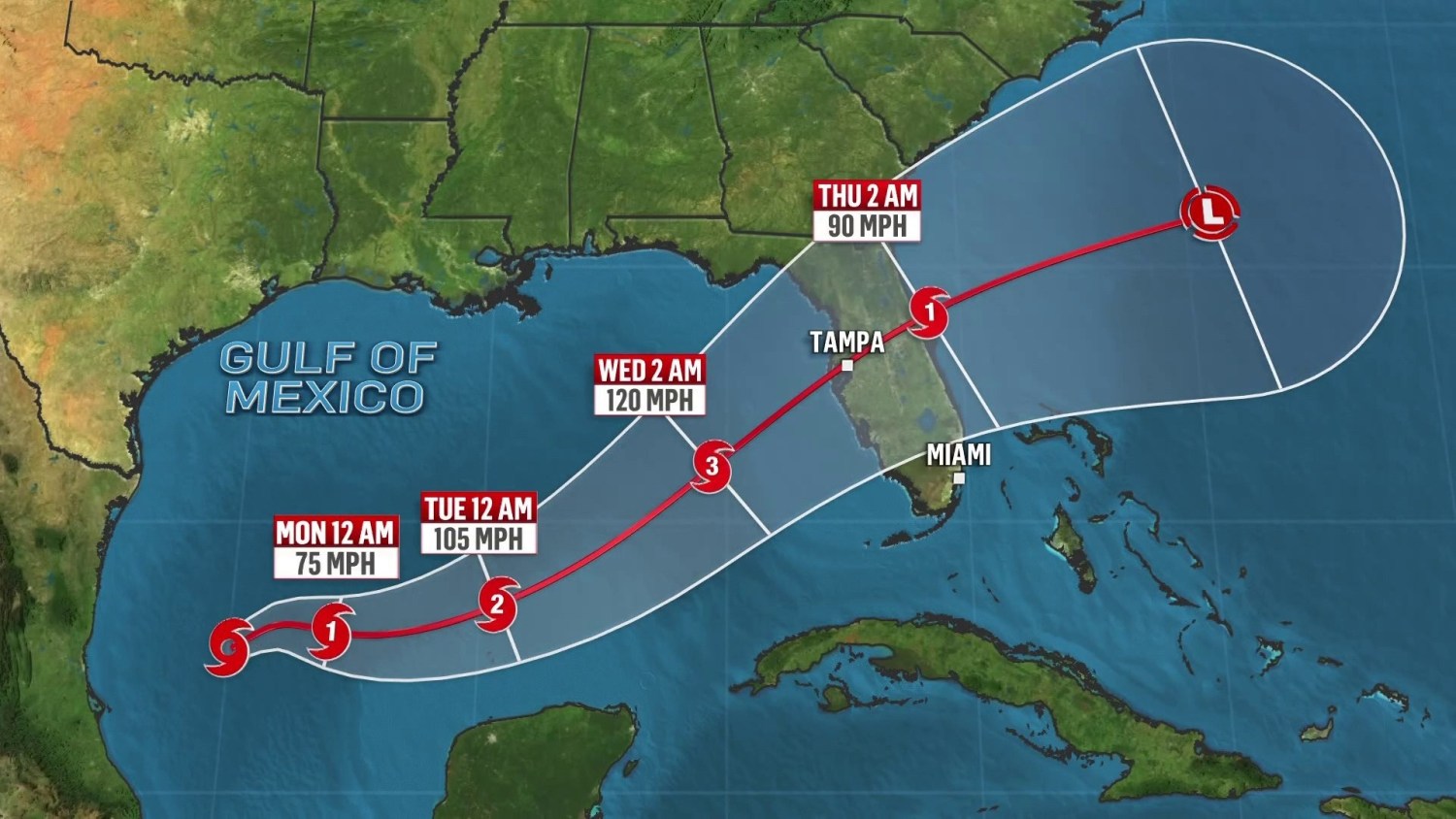
The Nature of Hurricane Milton’s Threat
Hurricane Milton presents a multifaceted threat, encompassing high winds, torrential rainfall, storm surge, and potential tornadoes. Each of these elements can severely disrupt travel and pose direct dangers. High winds can damage infrastructure, including airports and roads, leading to cancellations and delays. Heavy rains can cause widespread inland flooding, making many areas impassable. Storm surge, particularly along coastal areas, is often the most destructive aspect, capable of inundating entire communities and rendering resorts and beachfront properties temporarily uninhabitable.
Key Factors for Travelers
When assessing the risk posed by Hurricane Milton, travelers should focus on several key factors. First, monitor the official forecasts from reputable sources like the National Hurricane Center (NHC). These updates provide the most accurate and current information on the storm’s projected path, intensity, and potential impacts. Second, consider your specific destination within Florida. The state is vast, and while one region might be directly in the path, another could experience minimal effects. Finally, evaluate the timing of your trip relative to the storm’s projected arrival. Arriving just before or during a hurricane is strongly discouraged, as it can put you in harm’s way and strain local emergency services.
Regions Most Susceptible to Milton’s Path
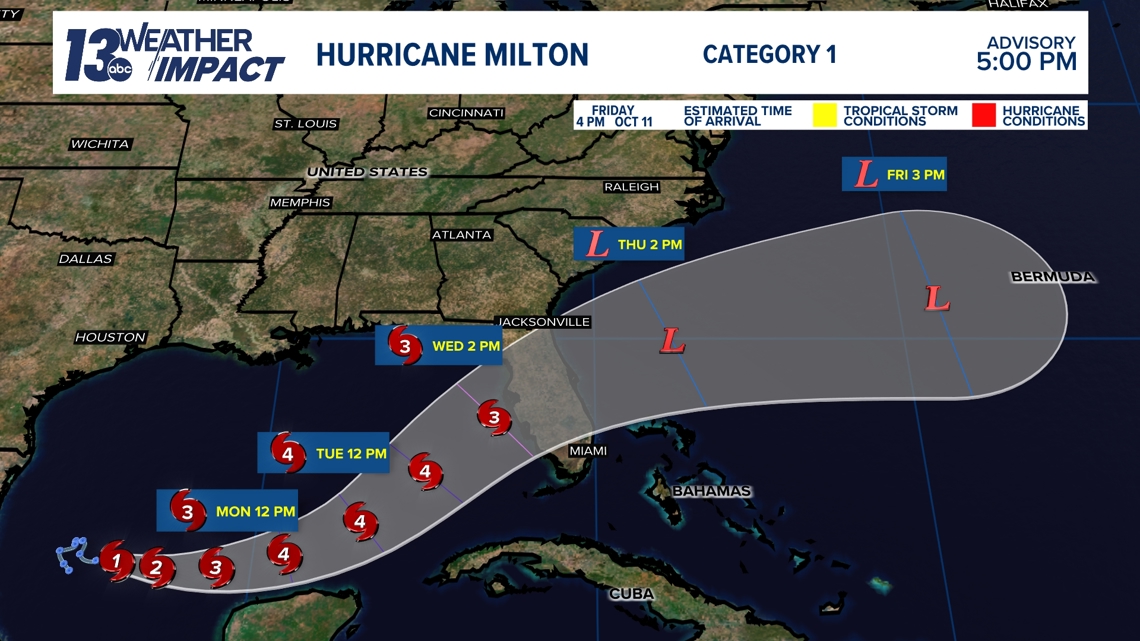
While the exact path of Hurricane Milton is subject to change, meteorological models typically provide a cone of uncertainty that indicates the most probable areas of impact. For Florida, this often means that coastal regions, particularly those facing the storm’s approach, are at highest risk.
The Gulf Coast’s Vulnerability
Early projections suggest that the Gulf Coast of Florida could be particularly vulnerable. This expansive region, stretching from the Panhandle down to South Florida, includes popular destinations like Tampa, Sarasota, Naples, Fort Myers, and Cape Coral. These areas are known for their pristine beaches, vibrant cultural scenes, and numerous attractions. However, their low-lying nature makes them highly susceptible to storm surge, especially in bays and estuaries. Travelers planning to visit destinations along the Gulf Coast should be prepared for potential evacuations, business closures, and significant disruptions to their itineraries. Resorts and hotels in these areas may initiate mandatory evacuations, and transportation routes, including major interstates like I-75, could experience severe congestion or closures.
Florida Keys and South Florida Considerations
The Florida Keys, a delicate archipelago extending southwest from the tip of Florida, are notoriously vulnerable to hurricane impacts due to their low elevation and limited access via the Overseas Highway. Destinations such as Key West, Marathon, and Key Largo are often among the first to receive evacuation orders. Similarly, metropolitan areas in South Florida, including Miami and Fort Lauderdale, face risks from both storm surge and heavy rainfall. While these cities have robust infrastructure, extensive flooding can paralyze urban travel and affect operations at major international airports such as Miami International Airport (MIA) and Fort Lauderdale-Hollywood International Airport (FLL). Attractions like Everglades National Park could also experience closures and significant environmental impacts.
Central and Northeast Florida Preparedness
Even if Hurricane Milton makes landfall on the Gulf Coast or in South Florida, its effects can ripple across the entire state. Inland areas like Orlando, home to world-renowned theme parks such as Walt Disney World and Universal Studios Florida, can still experience significant rainfall, strong winds, and power outages. While these destinations are generally more resilient to direct storm surge, they may close parks, modify operating hours, and disrupt guest experiences for safety. Further north, the Northeast Florida coast, encompassing cities like Jacksonville and historic St. Augustine, could face heavy rainfall, gusty winds, and coastal erosion, particularly if Milton tracks across the state and re-emerges over the Atlantic. Travelers to these areas should monitor forecasts for potential flooding and wind damage, which could impact road conditions and the availability of local attractions.
Essential Traveler Preparedness and Safety
For any traveler heading to Florida during hurricane season, preparedness is not just recommended, it’s essential. A proactive approach can mitigate risks and ensure peace of mind, even if Milton deviates from its predicted path.
Monitoring Official Advisories
The most critical step is to continuously monitor official sources. The National Hurricane Center (NHC) provides advisories, watches, and warnings that are updated regularly. The Florida Division of Emergency Management (FDEM) offers state-specific guidance, including evacuation orders and shelter information. Local county emergency management websites also provide hyper-local updates pertinent to specific communities and tourist areas. Subscribing to text alerts or using weather apps can help ensure you receive timely notifications.
Pre-Trip Planning and Flexibility
Before departing, review your travel insurance policy to understand coverage for hurricane-related cancellations, delays, or medical emergencies. Many policies offer specific provisions for named storms. Consider purchasing “cancel for any reason” insurance for maximum flexibility, though it typically costs more. Ensure all essential documents – passports, IDs, insurance details, booking confirmations – are easily accessible and stored in waterproof bags. It’s also wise to have a “go-bag” ready with a few days of essentials, medications, and chargers, should an unexpected evacuation become necessary. Furthermore, embrace flexibility in your plans; having alternative destinations or dates in mind can reduce stress if your initial itinerary is disrupted.
Evacuation Routes and Shelter Information
If you are already in Florida and an evacuation order is issued for your area, adhere to it immediately. Local authorities provide designated evacuation routes to guide residents and travelers safely out of harm’s way. Do not attempt to ride out a storm in an evacuated zone. Familiarize yourself with these routes and the locations of official shelters, even if you don’t anticipate needing them. Remember that traffic can become extremely heavy during evacuations, so leaving early is paramount. Hotels and resorts typically have their own emergency plans and will communicate with guests regarding safety protocols.
Adjusting Your Florida Travel Plans
Facing a hurricane threat often means making difficult decisions about existing or upcoming travel plans. Proactive communication with airlines, hotels, and travel providers is key to minimizing financial loss and logistical headaches.
Re-routing and Alternative Destinations
If your intended destination is in the direct path of Hurricane Milton, consider re-routing your trip. Instead of the Gulf Coast, perhaps the East Coast of Florida might be less affected, or vice versa, depending on the storm’s exact track. Alternatively, explore inland Florida cities that are less prone to storm surge, or even consider a temporary pause in your trip to a neighboring state until the threat passes. Attractions like the Kennedy Space Center or the beaches of Sarasota might operate under normal conditions or be entirely shut down; checking their official websites is vital. For theme park vacations in Orlando, while parks might close temporarily, their robust infrastructure often allows for quicker recovery. It’s crucial to check the specific policies of Walt Disney World, Universal Studios Florida, and other major attractions as they often have “hurricane guarantees” or flexible rebooking options.
Travel Insurance and Airline Policies
Before making any changes, contact your airline or travel agency. During hurricane threats, many airlines issue waivers that allow passengers to change flights without penalty. Similarly, hotels and resorts often have flexible cancellation policies or allow rebooking for future dates. Document all communications and retain any cancellation numbers or confirmation emails. This information will be vital if you need to file a claim with your travel insurance provider. Understanding the specific terms of your bookings can save considerable time and money.

Post-Storm Travel Considerations
Even after Hurricane Milton has passed, its effects can linger. Roads may be damaged or closed, power outages could persist, and many businesses and attractions might remain shut down for recovery efforts. Prioritize safety and respect local recovery operations. Do not rush to an affected area immediately after the storm, as resources may be strained. Instead, allow time for cleanup and restoration. When it is safe to return or visit, your presence can contribute to the local economy’s recovery, but ensure you are not adding to the burden of emergency services. Keep an eye on local news and official reports for updates on conditions and reopening schedules for specific destinations and attractions.
LifeOutOfTheBox is a participant in the Amazon Services LLC Associates Program, an affiliate advertising program designed to provide a means for sites to earn advertising fees by advertising and linking to Amazon.com. Amazon, the Amazon logo, AmazonSupply, and the AmazonSupply logo are trademarks of Amazon.com, Inc. or its affiliates. As an Amazon Associate we earn affiliate commissions from qualifying purchases.