
Navigating California Residency and Tax Obligations for a Mobile Lifestyle
The allure of a dynamic, mobile lifestyle, whether driven by remote work, extended business opportunities, or the pursuit of adventure, often brings with it a unique set of administrative considerations. Among these, understanding and fulfilling tax obligations in various jurisdictions is paramount. For individuals whose chosen lifestyle brings them into prolonged contact with California, deciphering the state’s tax residency rules is a critical first step. It is not merely about where one currently resides, but about one’s “domicile” and the extent of their physical presence and activities within the state.
California defines a resident for tax purposes as any individual who is in California for other than a temporary or transitory purpose, or any individual domiciled in California who is outside California for a temporary or transitory purpose. This distinction is vital for those embracing a modern, flexible lifestyle. A digital nomad might spend several months working from a co-working space in Los Angeles, while an executive might be on an 18-month assignment in San Francisco. Both scenarios necessitate a careful evaluation of their tax status. Failing to understand whether one has established residency, even inadvertently, can lead to unexpected tax liabilities and administrative burdens that disrupt the very freedom and flexibility a mobile lifestyle aims to achieve. Proactive planning and a clear understanding of these nuances empower individuals to maintain financial health and compliance, ensuring their chosen lifestyle remains sustainable and stress-free.
The Digital Nomad’s Guide to California Tax Filing
The phenomenon of the digital nomad has redefined the concept of the workplace, liberating professionals from geographical constraints. Yet, this freedom comes with the responsibility of navigating diverse tax landscapes. For digital nomads who find themselves drawn to California’s vibrant economy and scenic beauty, understanding their tax obligations to the state is crucial. Even if their primary business is registered elsewhere or their clients are international, income “sourced” to California – meaning income earned from services performed within the state’s borders – can trigger a tax filing requirement.
This isn’t just about income, but also about the duration and nature of one’s stay. Spending more than a certain number of days in California, especially while conducting business activities, can impact one’s residency status, regardless of their intended domicile. For the digital nomad, this means maintaining meticulous records of travel dates, work locations, and income streams. Engaging with tax professionals specializing in multi-state taxation can provide invaluable guidance, helping to structure one’s operations and personal finances to remain compliant without sacrificing the flexibility inherent in their lifestyle. The goal is to harness the opportunities California offers without falling afoul of its tax laws, ensuring that the dream of location independence remains a practical reality. Properly managed, administrative tasks like tax filing become minor speed bumps rather than insurmountable obstacles in the journey of a truly global lifestyle.
Business Travel and Extended Stays: Fulfilling Your California Tax Duties
For professionals on extended business assignments or those managing projects that require significant time within California, tax considerations extend beyond mere per diems and expense reports. An extended stay, particularly one exceeding six months, can dramatically shift an individual’s tax obligations from their primary residence state to California. This is particularly true for those who establish a “temporary home” within the state, even if their family and primary domicile remain elsewhere. Companies deploying talent to California often focus on corporate tax implications, but individuals must also be diligent about their personal income tax liabilities.
Income earned during the period of physical presence in California is typically subject to California income tax, regardless of where the employer is headquartered. This necessitates careful tracking of workdays within the state, understanding any reciprocal agreements with other states, and potentially filing non-resident returns or even full resident returns depending on the duration and intent of the stay. For the business traveler focused on professional success, overlooking these tax duties can lead to unexpected financial penalties and administrative headaches, detracting from their ability to perform optimally. Integrating tax planning into the overall strategy for an extended business stay ensures that professional commitments can be met with peace of mind, knowing that all personal financial obligations are also handled responsibly, fostering a well-rounded and compliant lifestyle.
Practical Steps for Mailing Your California Tax Return
Even in an increasingly digital world, the option, and sometimes the necessity, of mailing a physical tax return persists. For those living a mobile lifestyle in California, whether as digital nomads, extended business travelers, or new residents, knowing precisely where to mail your California tax return to the Franchise Tax Board (FTB) is an essential administrative detail. The correct address depends on several factors, including whether you owe tax, are expecting a refund, or are submitting required attachments for an e-filed return. Accuracy in selecting the proper mailing address ensures timely processing and avoids potential delays or complications.
Submitting Returns with Payment
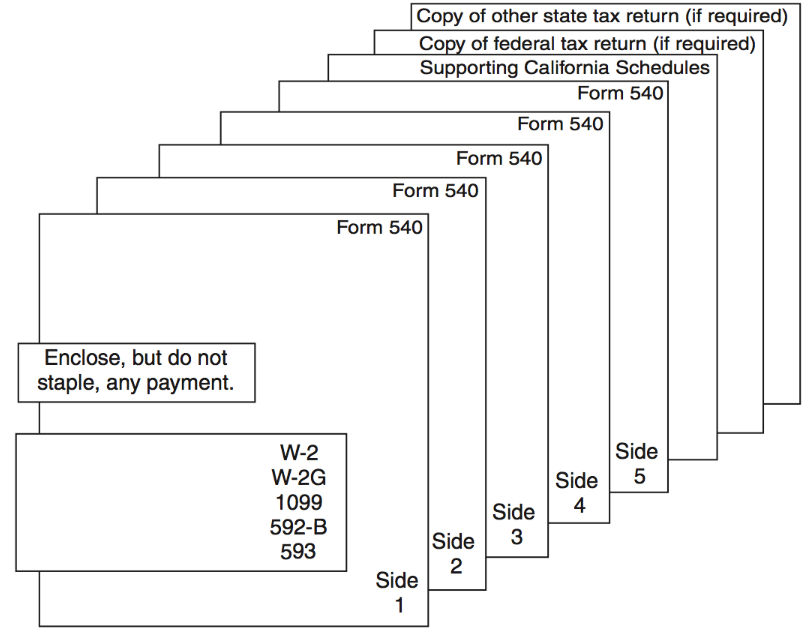
If you are mailing a paper return and owe tax to California, ensure your check or money order is attached to the return. Do not staple it to the return but rather use a paper clip to avoid damaging the payment. Mail your return and payment to:
Franchise Tax Board
PO Box 942867
Sacramento CA 94267-0001
Submitting Returns Without Payment or for a Refund
If you are mailing a paper return and are due a refund, or if you have no amount due and are not making a payment, use this address:
Franchise Tax Board
PO Box 942840
Sacramento CA 94240-0001
Filing Attachments for E-Filed Returns
Even if you have e-filed your California tax return, certain forms, such as W-2s or 1099s that contain withholding and were not submitted electronically by your employer or payer, might need to be mailed separately as attachments. Always refer to the specific instructions provided by the FTB for your particular forms. Generally, these attachments should be mailed to:
Franchise Tax Board
PO Box 942867
Sacramento CA 94267-0001
Essential Mailing Tips
Regardless of which address applies to your situation, consider these additional tips:
- Use Certified Mail: For critical documents like tax returns, especially those with payments or sensitive information, using certified mail with a return receipt provides proof of mailing and delivery. This small extra step can offer significant peace of mind for anyone managing their affairs remotely.
- Keep Copies: Always make and retain copies of your entire tax return and all supporting documentation before mailing.
- Postmark Deadline: Be mindful of the annual filing deadlines. Your return is considered timely filed if it is postmarked by the due date. Check the current year’s FTB instructions for specific dates.
Adhering to these practical steps ensures that a vital administrative task is completed accurately and efficiently, allowing individuals to focus on enjoying their California experience and maintaining their desired lifestyle without undue financial concerns.

Beyond Mailing: Modern Approaches and Proactive Planning
While understanding where to mail a California tax return is crucial, especially for specific scenarios, the modern lifestyle often leans towards more streamlined and efficient methods. Electronic filing (e-filing) has become the preferred and most common method for submitting tax returns, offering numerous advantages that align perfectly with a mobile and agile lifestyle. E-filing often results in faster processing of refunds, provides immediate confirmation of receipt, and minimizes the risk of common errors associated with paper forms. For the digital nomad or the business professional constantly on the move, e-filing through authorized software or an authorized tax preparer eliminates the need for physical mailboxes, stamps, and trips to the post office, offering unparalleled convenience.
However, the convenience of e-filing does not negate the need for proactive tax planning. For individuals living lifestyles that involve income from multiple sources, cross-state work, or even international earnings, the complexities can quickly escalate. This is where professional advice becomes indispensable. Engaging with a qualified tax advisor who specializes in multi-state or international taxation can help optimize your tax strategy, ensure full compliance, and identify potential deductions or credits that might be overlooked. These experts can assist in determining residency status, accurately sourcing income, and navigating the intricate balance between state and federal tax obligations.
Ultimately, successful lifestyle management, whether it involves extensive travel, remote work, or long-term relocation, requires a robust administrative framework. Integrating tax planning into the overall design of one’s lifestyle provides a foundation of financial security and peace of mind. By embracing modern tools like e-filing when appropriate, understanding the specific requirements for mailing when necessary, and seeking expert guidance for complex situations, individuals can enjoy the freedom and opportunities their chosen lifestyle affords, confident that their financial house is in order. This proactive approach ensures that the administrative side of life supports, rather than detracts from, the richness and flexibility of a truly modern existence.
LifeOutOfTheBox is a participant in the Amazon Services LLC Associates Program, an affiliate advertising program designed to provide a means for sites to earn advertising fees by advertising and linking to Amazon.com. Amazon, the Amazon logo, AmazonSupply, and the AmazonSupply logo are trademarks of Amazon.com, Inc. or its affiliates. As an Amazon Associate we earn affiliate commissions from qualifying purchases.