
The azure waters separating the southern tip of Florida from the island nation of Cuba beckon with a sense of proximity and allure. For many travelers, particularly those based in or visiting Key West, the question of distance to Cuba isn’t just geographical; it’s an inquiry into accessibility, adventure, and the tantalizing prospect of a unique international excursion. Understanding this distance is the first step in envisioning a journey that bridges two distinct yet geographically intimate worlds.
The Direct Line: Nautical Miles and Airspace
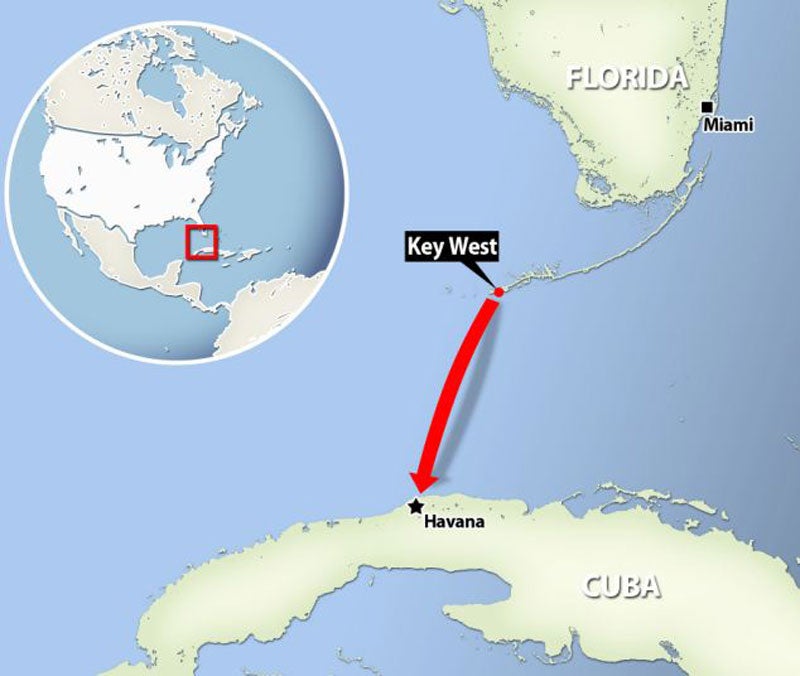
The shortest distance between Key West and Cuba is a matter of nautical miles, a measurement that speaks to maritime travel and the vast expanse of the ocean. The closest point in Cuba to Key West is the northwestern tip of the Pinar del Río province, specifically the region around Cape San Antonio.
Calculating the Span
The approximate direct distance, as the crow flies or a boat sails across the relatively narrow Straits of Florida, is roughly 90 miles (approximately 145 kilometers). This figure is often cited by maritime enthusiasts and those planning cross-border voyages. It’s a distance that, in the grand scheme of global travel, feels remarkably close. This proximity has historically facilitated a degree of interaction, albeit often complex and regulated, between the two landmasses.
Navigational Considerations
While 90 miles might sound like a short hop, it’s crucial to remember that this measurement is across open water. For any form of travel, whether by private vessel or potentially scheduled flights, this distance is subject to a multitude of factors. Weather conditions play a significant role, with the Straits of Florida capable of experiencing swift currents and unpredictable seas. Navigational aids, charts, and an understanding of maritime regulations are paramount for anyone considering this voyage by sea. Similarly, airspace regulations and flight paths, dictated by international agreements and safety protocols, would determine actual flight distances and routes.
Bridging the Gap: Travel Options and Realities
The geographical closeness of Cuba from Key West has fueled dreams of direct and accessible travel. However, the practicalities of making this journey are shaped by more than just miles; they are deeply intertwined with political relations, visa requirements, and available transportation infrastructure.
The Era of Flights and Ferries
Historically, there have been periods where direct travel between Florida and Cuba was more readily available. Flights from cities like Miami to Havana were once commonplace, offering a swift journey of just over an hour. While direct flights specifically from Key West to Cuba have been less frequent or non-existent for extended periods, the general proximity meant that connecting through larger Florida airports was an option.
Similarly, discussions and even some attempts at establishing ferry services between Key West and Havana have surfaced over the years. Such a service would undoubtedly capitalize on the short distance, offering a more relaxed and scenic mode of transit. However, regulatory hurdles and logistical complexities have often prevented these ventures from becoming a consistent reality. The dream of a leisurely ferry ride across the Straits, perhaps akin to the journeys between Florida and the Bahamas, remains a tantalizing prospect for many.
Sailing and Private Charters
For the adventurous and those with the means, sailing or chartering a private yacht offers a more direct, albeit still regulated, approach to experiencing the closeness of Cuba. The 90-mile stretch is well within the capabilities of many seaworthy vessels. However, embarking on such a journey requires meticulous planning. This includes obtaining necessary visas for Cuba, understanding U.S. regulations regarding travel to the island, and complying with Cuban customs and immigration procedures. Many private charters that facilitate trips to Cuba will handle much of this complexity, ensuring compliance with all legalities.
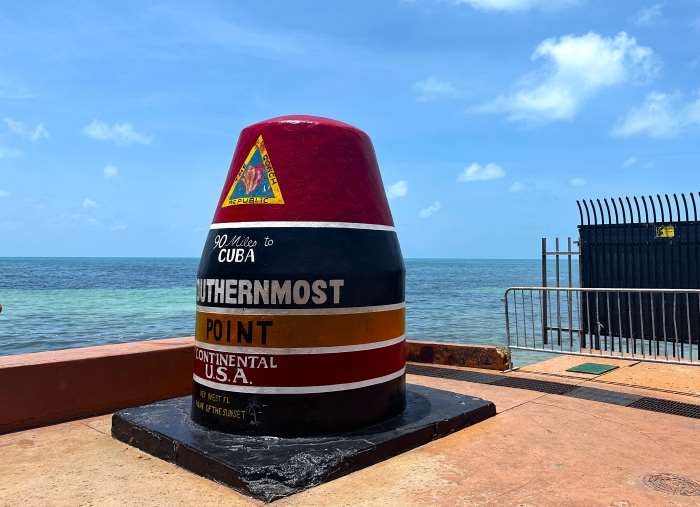
The experience of sailing towards the horizon from Key West and seeing the silhouette of the Cuban coast emerge is a unique travel aspiration. It underscores the geographical connection that persists despite any political divides.
Factors Influencing Perceived Distance
While the physical distance remains constant, the perceived distance and the ease of travel can fluctuate significantly due to a variety of external factors. These elements transform the 90 miles from a simple number into a dynamic variable.
Political Relations and Travel Policies
The most profound influence on the ease of travel between Key West and Cuba has historically been the political relationship between the United States and Cuba. U.S. regulations, which have varied considerably over decades, can restrict or permit travel for U.S. citizens. These policies dictate whether travel is permitted under specific “people-to-people” initiatives, humanitarian grounds, educational programs, or general tourism. Consequently, what might feel like a short hop on a map can become an insurmountable journey depending on current U.S. State Department guidelines and Cuban entry requirements.
Visa Requirements and Documentation
Even when travel is permitted, the process of obtaining the necessary visas and documentation is a crucial step that adds to the perceived effort and time involved. U.S. citizens traveling to Cuba generally require a Cuban tourist card, often referred to as a visa. The process for obtaining this can involve applications through airlines, charter companies, or Cuban consulates. For those traveling from Key West, this often means engaging with specialized travel agencies that can navigate the intricacies of U.S. Treasury Department regulations and Cuban entry protocols.
Economic and Logistical Considerations
The cost of travel is another significant factor. Direct flights, ferry services, or private charters all come with associated expenses. The economic feasibility of a trip from Key West to Cuba can be influenced by the availability of direct routes, which often reduce the need for costly layovers or connections. The logistics of booking, especially for unique travel arrangements, also contribute to the overall planning effort.
The Allure of Proximity: A Traveler’s Perspective
The question of “How far is Cuba from Key West?” is more than a geographical query; it’s a gateway to a particular kind of travel aspiration. It speaks to the desire to explore distinct cultures that lie tantalizingly close, to experience the thrill of crossing an international border with relative ease, and to discover the unique charm of destinations that are neighbors, even if separated by sea.
Distinct Cultures, Close Together
Key West itself is a melting pot of cultures, infused with Caribbean, Latin, and American influences. Its laid-back, bohemian atmosphere, vibrant music scene, and historic architecture offer a unique experience. Just 90 miles away, Cuba presents a rich tapestry of history, art, music, and a distinct political and social landscape that has captivated travelers for decades. The contrast between the two, coupled with their proximity, makes the prospect of a trip incredibly appealing. Imagine enjoying a sunset on Mallory Square in Key West one evening, and the next day exploring the historic streets of Old Havana, sampling authentic Cuban cuisine and listening to live salsa music.

The “Other” Side of the Strait
For residents and visitors of the Florida Keys, Cuba represents not just a foreign country, but an almost tangible presence on the horizon, especially on exceptionally clear days. This visibility fuels a sense of wonder and a desire to bridge that seemingly small gap. It’s the allure of the undiscovered, the accessible exotic, that draws many to inquire about this proximity. The journey, when achievable, offers a profound travel experience, one that contrasts the familiar tropical vibe of the Keys with the vibrant, historic, and complex world of Cuba. The 90 miles are not just a distance; they are an invitation to explore a captivating neighbor.
LifeOutOfTheBox is a participant in the Amazon Services LLC Associates Program, an affiliate advertising program designed to provide a means for sites to earn advertising fees by advertising and linking to Amazon.com. Amazon, the Amazon logo, AmazonSupply, and the AmazonSupply logo are trademarks of Amazon.com, Inc. or its affiliates. As an Amazon Associate we earn affiliate commissions from qualifying purchases.