
California, a land celebrated for its diverse landscapes, iconic landmarks, and vibrant cultural hubs, also contends with a recurring and often devastating natural phenomenon: wildfires. For anyone invested in or planning to experience the Golden State’s myriad tourist offerings, understanding the origins of these fires is not merely academic; it is crucial for appreciating risks, planning safer journeys, and supporting sustainable tourism. The question of “who starts fires in California?” reveals a complex interplay of natural occurrences and human actions, both profoundly impacting the state’s tourism sector.
The Dual Threat: Natural vs. Human Ignitions and Their Tourism Impact
The origins of California’s wildfires can broadly be categorized into two primary sources: natural events and human activity. While both lead to the same destructive outcome, their predictability, preventability, and implications for tourism management differ significantly. Natural ignitions, predominantly lightning strikes, are an inherent part of the ecosystem, especially in remote wilderness areas. These fires can be challenging to detect early, often occurring in rugged terrain far from human settlements and tourist infrastructure. However, they constitute a smaller percentage of overall ignitions compared to human-caused fires.
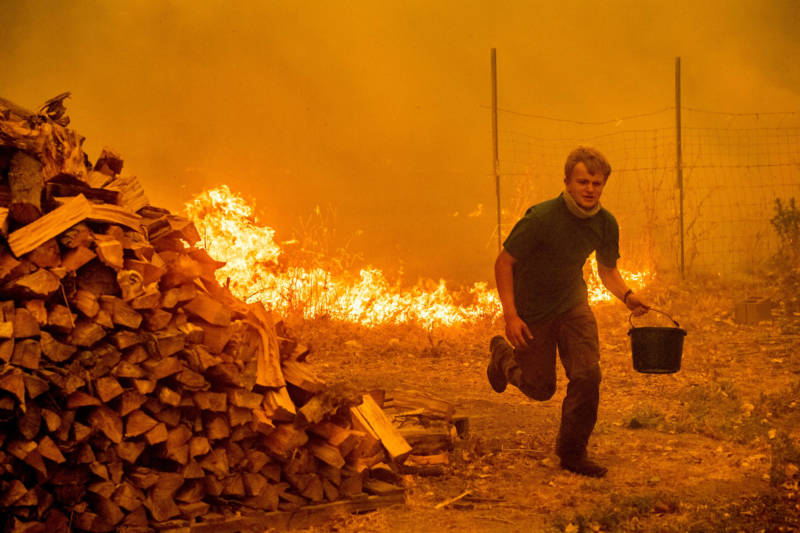
Human-caused fires, on the other hand, represent the vast majority of incidents. This distinction is vital for tourism because it highlights areas where prevention, education, and responsible behavior can drastically reduce risks. Tourist activities, infrastructure, and local populations all contribute to the potential for human-sparked blazes. Understanding this dynamic allows tourism boards, park services, and accommodation providers to implement targeted safety measures and communicate effectively with visitors, ensuring that the allure of destinations like Yosemite National Park or the scenic Pacific Coast Highway is preserved rather than imperiled by preventable actions.
Human Factors: A Preventable Risk to Tourist Hotspots
The overwhelming majority of wildfires in California are initiated by human activity, often inadvertently. For tourists and the industry that serves them, this underscores a critical need for awareness and adherence to safety protocols.
Power Line Malfunctions and Infrastructure
Aging infrastructure, particularly power lines, has been identified as a significant culprit in starting large, destructive fires. High winds can cause lines to snap or sag, igniting dry vegetation. From a tourism perspective, this poses a risk not only to property but also to access routes and air quality in popular areas. When a major utility is implicated, it can lead to planned power outages (Public Safety Power Shutoffs, or PSPS) in high-risk zones, impacting businesses, accommodations, and the overall visitor experience, particularly in rural tourist areas or wine regions like Napa Valley.
Campfires, Grills, and Outdoor Activities
Recreational activities, while central to California’s outdoor tourism appeal, are also a frequent source of accidental ignitions. Unattended campfires, improperly extinguished coals, sparks from barbecues, or even discarded cigarettes can quickly escalate into devastating blazes, especially during dry seasons. National forests, state parks, and campgrounds — all popular tourist destinations — are particularly vulnerable. Regulations regarding campfire bans, designated smoking areas, and fire-safe cooking equipment are strictly enforced in these zones, and tourists play a direct role in upholding these rules to protect the very environments they come to enjoy.
Equipment Use and Vehicular Sparks
The sparks generated by various equipment, such as off-road vehicles, agricultural machinery, or even sparks from chains dragging behind trailers, can ignite dry grasses along roadsides and trails. While perhaps less directly attributable to typical tourist behavior than campfires, the prevalence of vehicular travel to and through tourist areas means that proper vehicle maintenance and responsible driving practices are essential. This extends to parking in designated areas, ensuring hot catalytic converters don’t rest on dry vegetation, and preventing accidental sparks.
Arson and Other Deliberate Acts
While less common than accidental ignitions, intentional acts of arson also contribute to California’s fire burden. Such fires are particularly challenging to prevent and can strike any area, including those with high tourist traffic. The motivations behind arson are varied, but the impact on communities and natural landscapes is universally destructive, posing a significant threat to local economies reliant on tourism.
Nature’s Fury: The Role of Climate and Landscape in Tourism Resilience
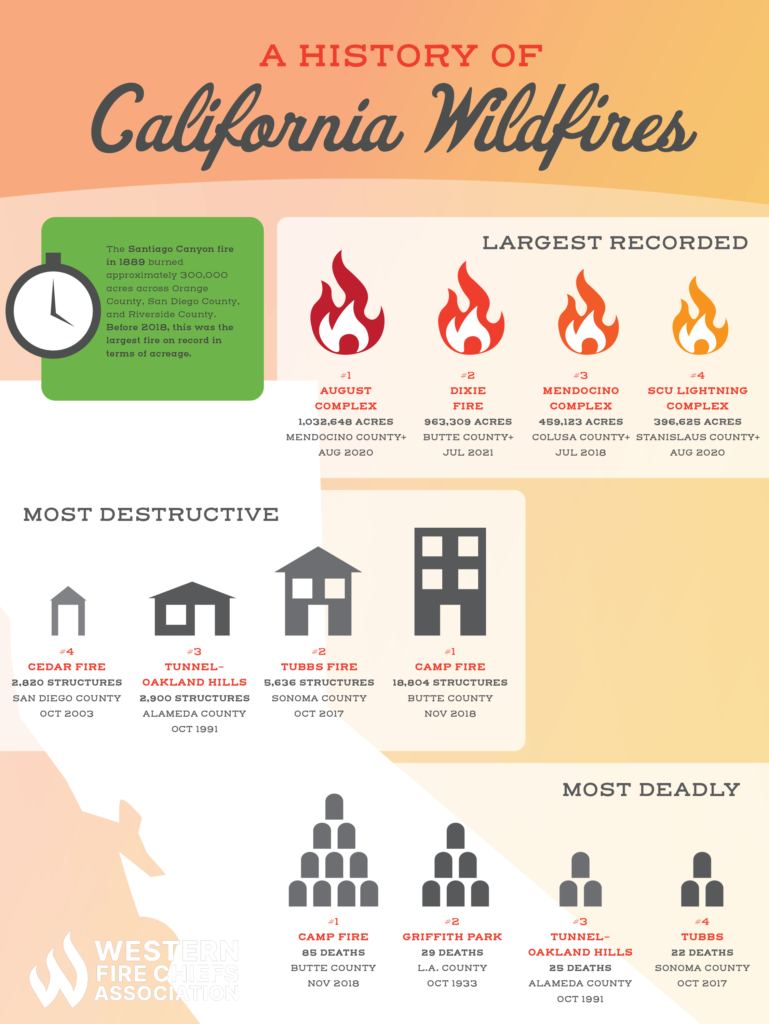
Beyond human actions, California’s unique climatological and ecological conditions create an environment highly susceptible to wildfires, regardless of ignition source. These natural factors mean that even with perfect human vigilance, some fires are inevitable, requiring the tourism industry to adapt and build resilience.
Drought Conditions and Dry Vegetation
Prolonged periods of drought are a critical pre-condition for large and intense fires. When rainfall is scarce, vegetation across the state—from dense forests in the Sierra Nevada to chaparral in southern California—becomes exceptionally dry and serves as abundant fuel. This natural cycle, exacerbated by climate change, means that entire regions become tinderboxes, making any spark, human or natural, far more dangerous. For tourism, this translates to heightened fire danger alerts, potential closures of wilderness areas, and a shorter season for certain outdoor activities, impacting visitor flows and revenue.
The Influence of Santa Ana Winds
The infamous Santa Ana Winds, strong, dry, downslope winds that blow through southern California mountain passes, play a pivotal role in accelerating the spread and intensity of wildfires. These winds can turn a small blaze into an inferno in a matter of hours, making containment incredibly difficult. Regions from Los Angeles to San Diego are particularly affected, and the seasonal occurrence of these winds necessitates elevated fire preparedness for hotels, attractions, and local businesses, often leading to advisories for tourists to alter plans or exercise extreme caution during these periods.
California’s Unique Ecosystems
The state’s diverse ecosystems, including its native chaparral, oak woodlands, and conifer forests, are naturally adapted to fire. However, a century of fire suppression has led to an unnatural accumulation of fuel, making fires, when they do occur, much larger and more severe than historical norms. This ecological debt impacts the long-term attractiveness of natural tourist sites, as recovering landscapes can take decades to regain their former beauty and biodiversity, affecting visitor experiences in places like Lake Tahoe or Sequoia National Park.
Beyond the Flames: The Ripple Effect on California’s Tourism Economy
The impact of wildfires extends far beyond the immediate devastation of burned landscapes and structures; it casts a long shadow over California’s vital tourism industry.
Immediate Closures and Evacuations
When fires rage, immediate closures of national parks, state forests, hiking trails, and even sections of major highways are commonplace. This directly affects travel plans, often forcing tourists to cancel or reroute, leading to significant financial losses for hotels, restaurants, tour operators, and local businesses in affected areas. Evacuation orders can empty entire towns, turning bustling tourist destinations into ghost towns overnight.
Air Quality and Public Health Concerns
Smoke plumes from large wildfires can travel hundreds of miles, impacting air quality across vast regions, including major metropolitan areas like Los Angeles and San Francisco. Poor air quality deters visitors, especially those with respiratory conditions, and can lead to a general decline in outdoor activities, which are central to California’s appeal. This can result in reduced bookings and a negative perception of the state as a healthy travel destination.
Long-Term Environmental Damage and Perception
While forests eventually regrow, the ecological damage from severe fires can alter landscapes for decades. Iconic groves, unique wildlife habitats, and popular scenic vistas may be permanently scarred or require extensive recovery periods. This changes the visitor experience and can impact the perception of California as a pristine natural paradise, potentially affecting long-term tourism appeal.
Recovery and Rebuilding Efforts
Post-fire recovery often involves extensive cleanup, restoration, and rebuilding. While challenging, this phase also presents opportunities for sustainable tourism development, focusing on resilient infrastructure and eco-conscious practices. Supporting local businesses during recovery, participating in volunteer efforts, and choosing accommodations committed to fire-safe practices become crucial ways for tourists to contribute positively to the affected communities.
Safeguarding Paradise: Prevention and Preparedness for Travelers and Destinations
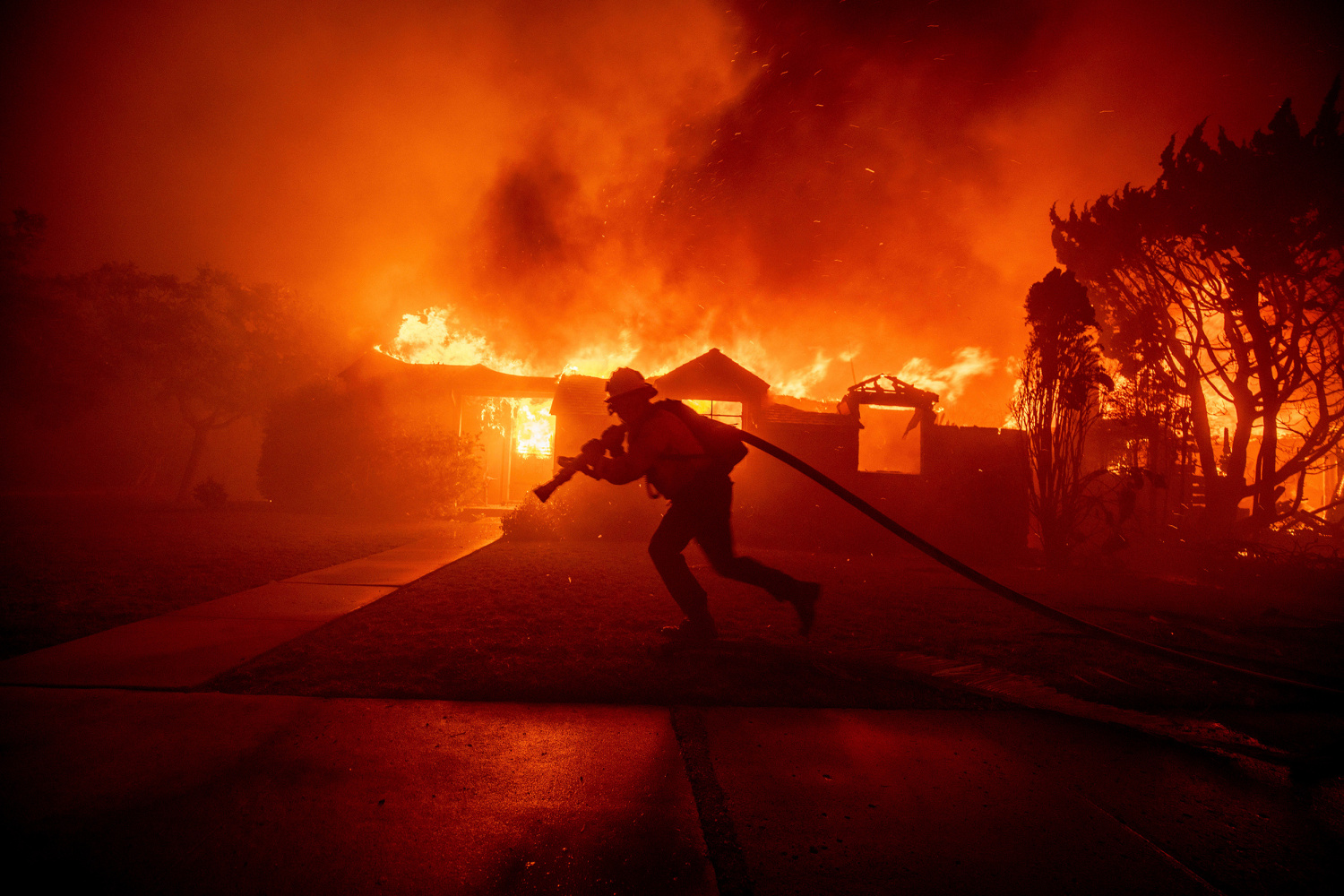
The future of tourism in California is intrinsically linked to effective wildfire management. For travelers, this means being informed and acting responsibly. Checking fire danger ratings, adhering to campfire restrictions, disposing of cigarettes properly, and being mindful of sparks from vehicles or equipment are fundamental steps. Staying updated on local alerts and having evacuation plans are also paramount for personal safety.
For destinations and the tourism industry, it involves proactive measures: maintaining defensible space around properties, investing in fire-resistant construction, implementing robust communication strategies for visitors, and supporting policies that promote forest health and climate resilience. Through a collective commitment to understanding the causes and impacts of wildfires, California can continue to welcome visitors safely, preserving its unparalleled beauty and diverse attractions for generations to come.
LifeOutOfTheBox is a participant in the Amazon Services LLC Associates Program, an affiliate advertising program designed to provide a means for sites to earn advertising fees by advertising and linking to Amazon.com. Amazon, the Amazon logo, AmazonSupply, and the AmazonSupply logo are trademarks of Amazon.com, Inc. or its affiliates. As an Amazon Associate we earn affiliate commissions from qualifying purchases.