
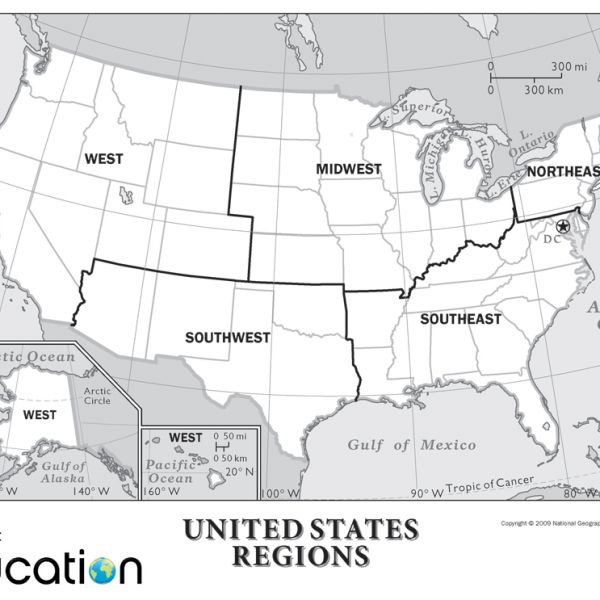
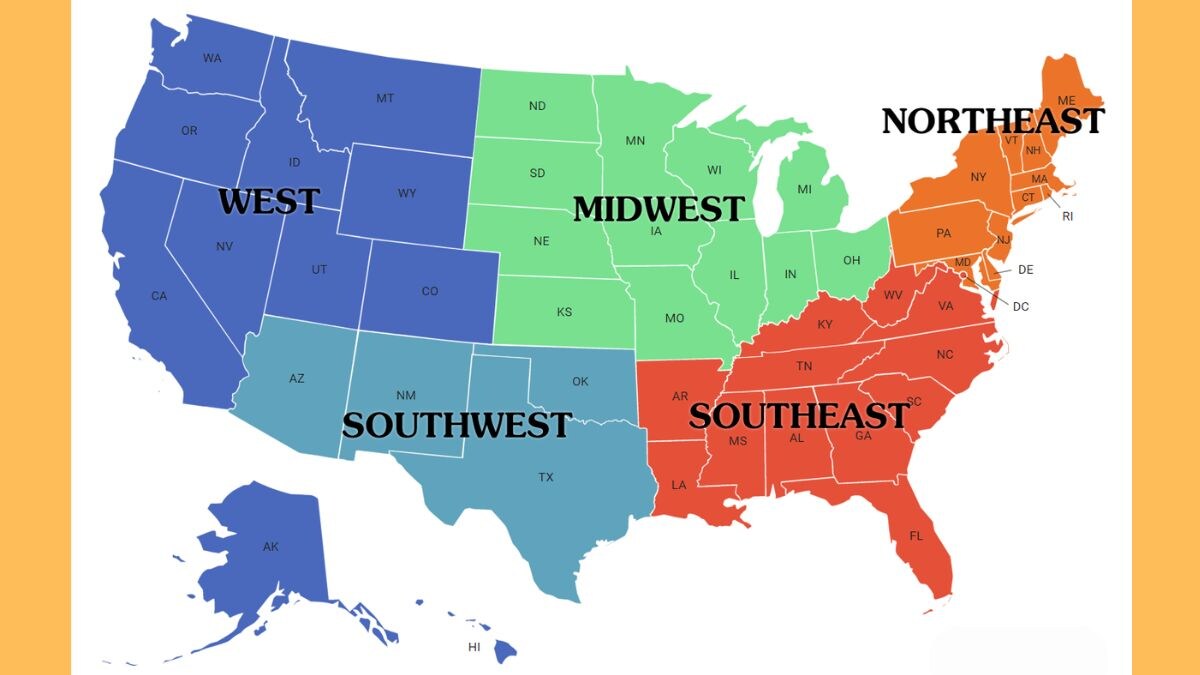
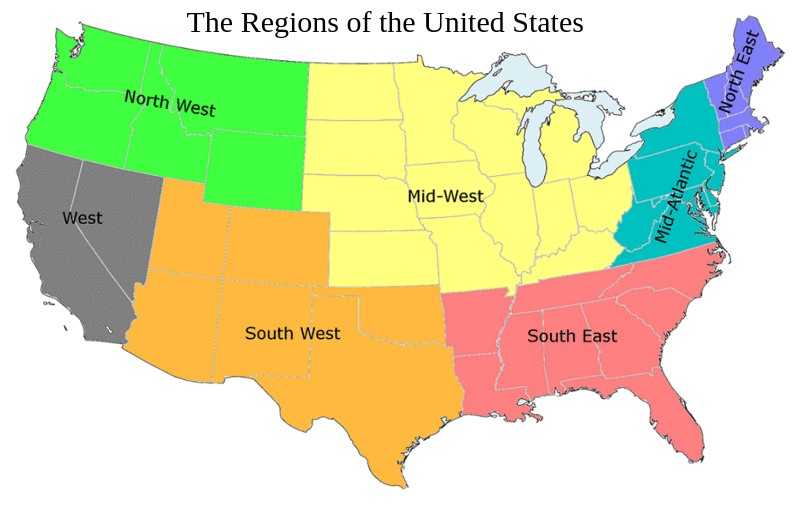
Oklahoma, often affectionately known as the “Sooner State,” occupies a distinctive position on the map of the United States, frequently blurring the lines between several traditional geographical and cultural regions. While many might categorize it simplistically, the true answer is nuanced: Oklahoma is predominantly considered part of the South Central United States, but it uniquely embodies characteristics of the South, the Midwest, and the Southwest. This complex regional identity is precisely what makes Oklahoma such a fascinating and diverse destination for travelers seeking an authentic American experience. From its sprawling plains to its rolling hills, vibrant cities, and rich Native American heritage, Oklahoma offers a tapestry of attractions and experiences that defy simple categorization, making it a truly unique place to explore.
Defining Oklahoma’s Regional Identity
The regional classification of Oklahoma is a subject of much discussion among geographers, historians, and locals alike. Its location serves as a genuine crossroads, where the cultural, climatic, and historical influences of neighboring regions converge and intertwine. This geographical fluidity is not just an academic point but profoundly shapes the state’s culture, cuisine, and landscapes, offering visitors a dynamic blend of experiences.
The South-Central Crossroads: Where the South Meets the West
Geographically, Oklahoma is firmly planted in the South Central United States. This designation typically includes Arkansas, Louisiana, Oklahoma, and Texas. However, its cultural ties extend further. Historically, Oklahoma was part of the “Indian Territory,” a significant destination for the forced relocation of Native American tribes from the southeastern United States. This history has endowed Oklahoma with an exceptionally rich Native American cultural legacy, distinct from any other state. The presence of sovereign nations like the Cherokee Nation, Choctaw Nation, Chickasaw Nation, Creek Nation, and Seminole Nation within its borders contributes to a cultural landscape that is deeply rooted in ancestral traditions and modern tribal governance.
Culturally, Oklahoma exhibits characteristics often associated with the South. You’ll find warm hospitality, a love for comfort food (think BBQ, fried okra, and pecan pie), and a strong sense of community that resonates with Southern traditions. Yet, simultaneously, Oklahoma proudly embraces its Western heritage. Its history as a frontier state, the land runs, and its deep connection to the ranching and cowboy way of life are undeniable. Rodeo is a popular pastime, and the ethos of self-reliance and rugged individualism, hallmarks of the American West, are prevalent. This dual identity—Southern hospitality blended with Western grit—creates a unique cultural experience that is genuinely Oklahoman.
Geographical Diversity: From Prairies to Mountains
The physical landscape of Oklahoma further complicates its regional classification, showcasing an incredible diversity that spans multiple geographical zones.
- Great Plains: Much of Oklahoma’s western and central portions lie within the Great Plains region, characterized by vast, flat to gently rolling grasslands. This is the quintessential image of Oklahoma for many – endless horizons, big skies, and windswept prairies. This area shares much in common with states further north in the Midwest, like Kansas and Nebraska.
- Mountain Ranges: Surprisingly to some, Oklahoma is home to four distinct mountain ranges. In the southeastern part of the state are the rugged Ouachita Mountains, an extension of the Arkansas mountain range, offering dense forests, scenic drives, and hiking trails reminiscent of Appalachia. To the northeast, the foothills of the Ozark Mountains spill over from Missouri and Arkansas, providing a landscape of gentle hills, clear springs, and hardwood forests. In the southwest, the ancient Wichita Mountains rise abruptly from the plains, creating dramatic granite outcrops and a unique ecosystem, including the Wichita Mountains Wildlife Refuge. Finally, the Arbuckle Mountains, though smaller, are one of the oldest mountain ranges in the United States, boasting scenic beauty and natural springs.
- Cross Timbers and Post Oak Savannah: Running through the central part of the state, these areas are characterized by a unique blend of forest and prairie, creating a transitional zone that supports diverse wildlife and vegetation.
- Waterways: The state is also rich in water resources, with numerous rivers like the Red River forming its southern border with Texas, and countless lakes, many of which are man-made, providing ample opportunities for recreation.
This incredible geographical diversity means that a road trip across Oklahoma can feel like traversing several different states, offering everything from flat agricultural lands to pine forests, rocky peaks, and lush river valleys.
Exploring Oklahoma: A Tapestry of Travel Experiences
Given its multifaceted identity, Oklahoma provides an incredibly rich and varied travel experience, making it an appealing destination for a wide range of interests, from history buffs and outdoor enthusiasts to urban explorers and culinary adventurers.
Unearthing History and Culture: Museums and Memorials
Oklahoma’s history is profound and often poignant, largely shaped by its Native American past and its pioneering spirit. Travelers interested in delving into these narratives will find numerous impactful sites:
- Oklahoma City National Memorial & Museum: A solemn and powerful tribute to the victims of the 1995 bombing, this landmark offers a deeply moving experience that fosters understanding and healing. Its outdoor Symbolic Memorial and indoor museum provide a comprehensive and respectful account of the tragedy.
- National Cowboy & Western Heritage Museum in Oklahoma City: This premier museum celebrates the enduring legacy of the American West through art, artifacts, and historical exhibits. Visitors can immerse themselves in the stories of cowboys, Native American cultures, and frontier life, making it a must-visit for anyone fascinated by Western lore.
- First Americans Museum in Oklahoma City: A groundbreaking institution dedicated to telling the collective stories of the 39 distinct tribal nations who call Oklahoma home. Through immersive exhibits, traditional art, and cultural performances, it offers an authentic and powerful insight into Native American history, resilience, and contemporary life.
- Philbrook Museum of Art in Tulsa: Housed in a stunning 1920s Italianate villa, Philbrook boasts a diverse collection spanning European, American, and Native American art, surrounded by 25 acres of formal gardens. It’s a cultural gem that appeals to art lovers and those seeking serene beauty.
- Woody Guthrie Center in Tulsa: Dedicated to the life and legacy of folk legend Woody Guthrie, this center offers a deep dive into American folk music, social justice, and the artist’s enduring influence.
- Chickasaw Cultural Center in Sulphur: An expansive and beautifully designed center that celebrates the rich history, culture, and traditions of the Chickasaw Nation. It features interactive exhibits, a traditional village, and cultural demonstrations, providing a profound educational experience.
Natural Wonders and Outdoor Adventures
For those who love the outdoors, Oklahoma’s diverse geography translates into a plethora of activities.
- Wichita Mountains Wildlife Refuge: Home to free-roaming bison, elk, and longhorn cattle, this refuge in southwestern Oklahoma offers stunning hiking trails, rock climbing opportunities, and picturesque scenic drives through ancient granite mountains. It’s a photographer’s paradise and a haven for wildlife viewing.
- Tallgrass Prairie Preserve: Located in northeastern Oklahoma, this preserve is the largest protected remnant of tallgrass prairie in the world, encompassing over 40,000 acres. Visitors can witness herds of bison roaming freely, hike through expansive grasslands, and experience the ecosystem that once covered much of the central United States.
- Turner Falls Park: In the Arbuckle Mountains, this park features Oklahoma’s largest waterfall, natural swimming holes, caves, and hiking trails, perfect for family adventures.
- Lakes and Rivers: With more than 200 man-made lakes, Oklahoma is a paradise for water sports. Lake Texoma (shared with Texas) and Lake Eufaula are popular destinations for boating, fishing, swimming, and camping. The Illinois River in eastern Oklahoma is renowned for canoeing and kayaking.
Vibrant Cities and Local Flavors
Oklahoma’s major cities, Oklahoma City and Tulsa, are burgeoning hubs of culture, cuisine, and entertainment, each with its distinct character.
- Oklahoma City: The state capital, Oklahoma City, has undergone a dramatic revitalization, transforming into a modern metropolitan area with a vibrant urban core. The Bricktown Entertainment District offers canal cruises, lively restaurants, and nightlife. The Paseo Arts District is a creative enclave with galleries, studios, and unique shops. The city’s culinary scene is booming, with farm-to-table restaurants, classic steakhouses, and diverse international options. Don’t forget to visit the Myriad Botanical Gardens, a stunning urban oasis.
- Tulsa: Once the “Oil Capital of the World,” Tulsa boasts stunning Art Deco architecture, particularly evident in its downtown area. The Blue Dome Entertainment District and the Brady Arts District (now renamed the Greenwood Cultural Center District in honor of Black Wall Street and the Tulsa Race Massacre) are vibrant areas for dining, music, and art. Tulsa is also home to the world-renowned Gathering Place, an extraordinary riverfront park offering playgrounds, gardens, and performance venues, hailed as one of the best public parks in the United States.
- Route 66: For road trip enthusiasts, a significant stretch of historic Route 66 traverses Oklahoma, offering charming small towns, quirky roadside attractions, and a nostalgic journey through Americana.
Accommodation and Hospitality in the Sooner State
Whether planning a luxury getaway, a family vacation, or a budget-friendly trip, Oklahoma offers a wide array of accommodation options designed to suit every traveler’s needs and preferences. The state’s strong sense of hospitality ensures a welcoming stay, from bustling city hotels to tranquil rural retreats.
From Urban Hotels to Rustic Retreats
Oklahoma’s commitment to tourism means a growing number of diverse lodging choices.
- Luxury Hotels and Resorts: In Oklahoma City, upscale options include the historic Skirvin Hilton Oklahoma City, known for its elegant ambiance and storied past, and the contemporary Omni Oklahoma City Hotel, offering luxurious amenities and a prime location near the convention center. Tulsa also boasts sophisticated choices like The Mayo Hotel, an Art Deco landmark offering boutique luxury, and the Ambassador Hotel Tulsa, part of the Autograph Collection, celebrated for its unique character and personalized service. For those seeking a blend of art and hospitality, the 21c Museum Hotel Oklahoma City provides a unique experience with contemporary art galleries integrated into its design.
- Boutique Hotels and Unique Stays: Beyond the major chains, smaller, independently owned boutique hotels offer distinctive charm and a more localized experience. Many of these are found in historic districts, providing guests with a sense of place and local culture. For a truly immersive cultural experience, consider stays within Native American tribal lands, where resorts often blend modern comforts with traditional elements, such as the River Spirit Casino Resort in Tulsa or the WinStar World Casino and Resort near Thackerville.
- Budget-Friendly Options: Travelers on a budget will find a wide range of affordable hotels, motels, and extended-stay properties across the state, especially along major highways and in smaller towns. These options provide clean, comfortable, and convenient places to rest without breaking the bank, often including amenities like free breakfast and Wi-Fi.
- Outdoor and Nature Accommodations: For those drawn to Oklahoma’s natural beauty, camping, cabins, and RV parks are plentiful in state parks, national wildlife refuges, and around its many lakes. Whether you prefer primitive camping under the stars or a cozy cabin with modern conveniences, the options for immersing yourself in nature are vast. Many state parks, like Robbers Cave State Park or Lake Murray State Park, offer lodges and cabins that blend seamlessly into the natural landscape, perfect for family trips or a quiet escape.
Tailoring Your Stay: Luxury, Family, and Budget Options
The diverse range of accommodation in Oklahoma means that every travel style can be accommodated.
- Luxury Travel: For the discerning traveler, Oklahoma delivers sophisticated urban hotels with gourmet dining, spa services, and concierge assistance. Beyond city limits, exclusive resorts nestled in scenic areas provide secluded luxury.
- Family Trips: Families will appreciate hotels with swimming pools, spacious suites, and kid-friendly amenities. Vacation rentals, including apartments and villas, are also popular choices, offering more space and a home-away-from-home feel. Many attractions, like the Gathering Place or various water parks, are designed with families in mind, and nearby accommodations often cater specifically to their needs.
- Budget Travel: Savvy travelers can save significantly by choosing budget hotels, camping, or hostels. Focusing on attractions with free admission, packing picnics for outdoor adventures, and utilizing public transport in cities can further reduce costs while still allowing for a rich travel experience.
- Long-term Stays and Business Travel: Extended-stay hotels with kitchenettes and laundry facilities are ideal for longer visits or business trips. Major cities like Oklahoma City and Tulsa offer modern convention centers and business-friendly hotels equipped with meeting rooms, high-speed internet, and convenient access to corporate districts.
Planning Your Oklahoma Adventure
Before embarking on your journey to the Sooner State, a little planning can go a long way in ensuring a memorable and seamless experience. Understanding the best times to visit and getting a grasp of local tips will help you embrace the unique Oklahoma lifestyle.
Best Time to Visit and Travel Tips
Oklahoma experiences all four seasons, each offering a distinct charm:
- Spring (April-May): This is arguably the best time to visit. Temperatures are pleasant, wildflowers are in bloom, and the landscapes are lush and green. It’s ideal for outdoor activities, though be mindful of the possibility of spring thunderstorms and the start of tornado season.
- Summer (June-August): Summers are hot and humid, especially in July and August. This is perfect for enjoying Oklahoma’s numerous lakes and water parks. Plan indoor activities during the hottest parts of the day.
- Fall (September-November): Another excellent time for a visit, fall brings cooler temperatures, vibrant foliage (especially in the eastern mountains), and comfortable conditions for hiking and exploring. Festivals celebrating harvest and local culture are common.
- Winter (December-March): Winters are generally mild, but periods of cold weather and occasional snowfall do occur, particularly in the panhandle and northern regions. It’s a quieter time for travel, suitable for museum visits, urban exploration, and enjoying cozy indoor attractions.
Travel Tips:
- Rent a Car: Oklahoma is a sprawling state, and a car is essential for exploring its diverse regions and attractions beyond the major cities.
- Pack for All Seasons: Due to its central location, Oklahoma weather can be unpredictable. Be prepared for temperature swings, especially during spring and fall.
- Embrace Local Cuisine: Don’t leave without trying Oklahoma’s famous onion burgers, BBQ, chicken-fried steak, and fried pie. Each region may have its own culinary specialties.
- Respect Native American Culture: With 39 tribal nations, Oklahoma has a rich and vibrant Native American presence. Be respectful when visiting cultural centers, historic sites, or attending tribal events.
- Check Event Calendars: Oklahoma hosts numerous festivals, rodeos, and cultural events throughout the year. Checking local tourism websites for Oklahoma City and Tulsa, as well as state tourism boards, can help you catch a unique experience.
Embracing the Oklahoma Lifestyle
The Oklahoma lifestyle is a blend of resilience, community, and an appreciation for both its rich heritage and forward-looking spirit. Whether you’re seeking luxury travel that pampers with high-end amenities, budget travel that focuses on authentic, affordable experiences, or memorable family trips filled with educational and recreational activities, Oklahoma has something to offer. Its position as a cultural crossroads means you can experience the warmth of Southern hospitality one day and the rugged adventure of the American West the next. From quiet nature retreats to bustling urban centers, the state invites visitors to discover its layered identity.
In conclusion, while Oklahoma is officially classified within the South Central United States, its true regional identity is a captivating fusion of the South, the Midwest, and the Southwest. This unique blend makes it an unparalleled travel destination, offering a dynamic range of cultural, historical, and natural attractions. So, when you next consider a United States adventure, look beyond simple classifications and discover the multifaceted charm of Oklahoma – a state that truly stands apart.
LifeOutOfTheBox is a participant in the Amazon Services LLC Associates Program, an affiliate advertising program designed to provide a means for sites to earn advertising fees by advertising and linking to Amazon.com. Amazon, the Amazon logo, AmazonSupply, and the AmazonSupply logo are trademarks of Amazon.com, Inc. or its affiliates. As an Amazon Associate we earn affiliate commissions from qualifying purchases.