
The identity of New Orleans is inextricably linked to the majestic waterway that carved its path through the heart of the American South. To understand the city’s history, its vibrant culture, and its economic backbone, one must look toward the Mississippi River. This colossal body of water does not merely pass by the city; it defines it, acting as a constant, flowing companion that has shaped every aspect of life in the Crescent City for over three centuries.
The Geopolitical Significance of the Mississippi River
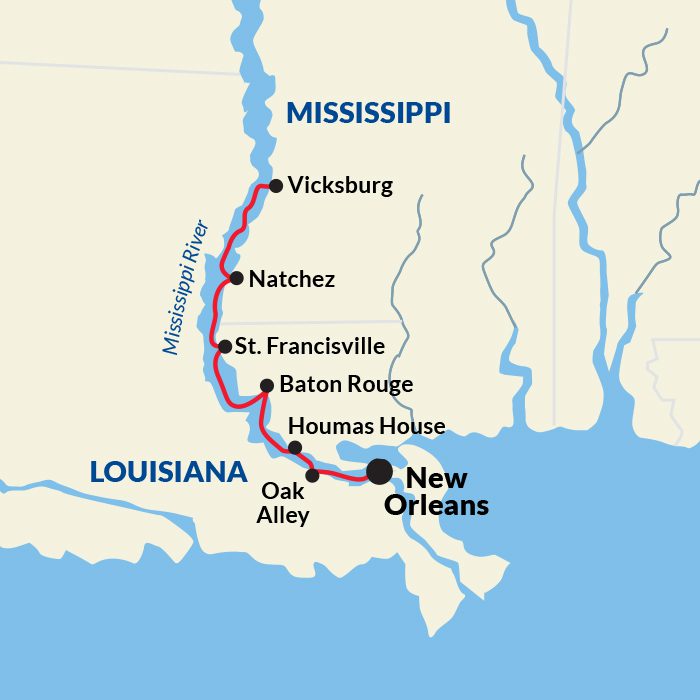
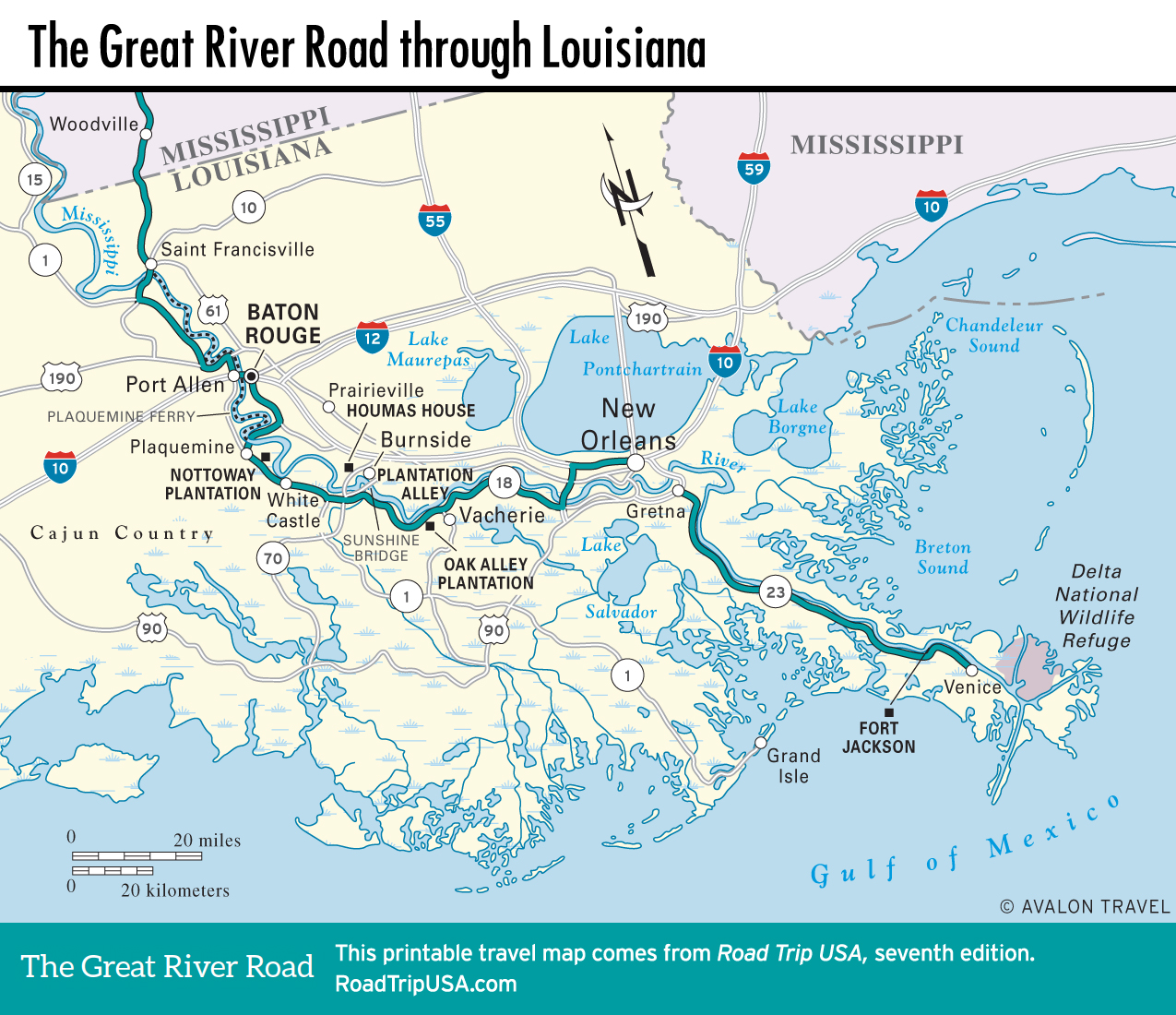
The Mississippi River serves as the primary reason for the very existence of New Orleans. Founded in 1718 by the French explorer Jean-Baptiste Le Moyne de Bienville, the city was strategically positioned at a crescent-shaped bend in the river, just upriver from the Gulf of Mexico. This location provided an unparalleled vantage point for controlling trade moving from the interior of the United States to the wider world.

A Gateway to Global Trade
During the colonial era and into the 19th century, the river was the primary highway for commerce. Goods from the expansive Mississippi River Valley flowed downstream to the port, where they were exchanged for finished goods from Europe and the Caribbean. This trade turned New Orleans into one of the wealthiest and most cosmopolitan cities in the nation, fostering a unique blend of cultures that remains visible today.
Military and Strategic Defense
Because of its control over the river, the city became a highly contested prize. The Battle of New Orleans, fought during the War of 1812, remains a testament to the importance of protecting this vital waterway. Even today, the river remains a critical artery for the national economy, with the Port of New Orleans serving as a global hub for shipping, logistics, and energy industries.
Experiencing the River: Landmarks and Activities
For the modern traveler, the Mississippi River is far more than an industrial asset; it is a primary attraction. The riverfront offers a diverse array of experiences that allow visitors to connect with the city’s maritime heritage while enjoying some of its most iconic views.
The Woldenberg Park Promenade
One of the best ways to appreciate the river is a stroll through Woldenberg Park. This expansive public space stretches along the banks of the Mississippi River, offering uninterrupted vistas of the water and the historic French Quarter. It is a favored spot for locals to walk, jog, or simply watch the massive cargo ships and steamboats glide past.
Riverboat Cruises
No trip to New Orleans is complete without a voyage on a historic riverboat. Whether aboard the Steamboat Natchez or the City of New Orleans, passengers can experience the river just as travelers did a century ago. These cruises often feature live jazz music, traditional Creole cuisine, and insightful commentary on the history of the riverfront, including the location of the famous Battle of New Orleans site at Chalmette Battlefield.
The Crescent City Connection
For those traveling by car, the Crescent City Connection provides a stunning vantage point. These twin cantilever bridges spanning the Mississippi River connect the downtown area to the West Bank. Crossing the bridge at sunset provides one of the most breathtaking panoramas of the city skyline and the winding, muddy water that continues to define the landscape.
The River’s Influence on New Orleans Culture
The presence of the Mississippi River has fostered a culture of resilience and celebration. The city’s legendary culinary scene, its distinct musical heritage, and its unique architecture are all influenced by the trade, migration, and exchange that the river facilitated over hundreds of years.
Culinary Connections
The river brought ingredients from across the globe, leading to the development of Cajun and Creole cuisines. Staples like rice, seafood, and exotic spices arrived at the docks of New Orleans, blending into the famous gumbos and etouffees enjoyed today at institutions like Commander’s Palace or the Cafe du Monde.
The Music of the Waterways
The rhythm of the Mississippi River is often said to mirror the rhythm of the city’s music. Jazz and Blues, which flourished in the historic district of Tremé, draw from the same well of deep history and emotional intensity that characterizes life along the river. Visitors can still hear the echoes of these sounds reverberating through the clubs of Frenchmen Street.
Living with the River: Floods and Engineering
It is impossible to discuss the Mississippi River without addressing the complexity of living below sea level. The history of the city is a history of engineering, from the earliest levees built by hand to the modern Hurricane and Storm Damage Risk Reduction System.
The Levee System
The levees are a constant presence along the riverfront, separating the city from the powerful waters of the Mississippi River. In many areas, the top of the levee has been transformed into a linear park, allowing residents to walk along the very barrier that protects their home. This duality—the river as a source of life and the river as a source of danger—is the fundamental paradox of the New Orleans experience.
Sustainable Tourism and Preservation
Today, there is an increased focus on sustainability and environmental stewardship. Efforts are underway to restore the wetlands near the Mississippi River Delta, ensuring that both the city and the natural environment remain protected for future generations. Organizations like the Audubon Nature Institute work to educate the public on the importance of the river’s ecosystem, highlighting how the health of the Mississippi River directly correlates to the prosperity of the city it sustains.
Why the Mississippi River Defines Your Visit
If you find yourself wondering what river runs through New Orleans, the answer is a gateway to a deeper understanding of the American experience. From the bustling Jackson Square to the quiet banks of the river at Algiers Point, the Mississippi River is ever-present.
It is the reason for the French Quarter’s existence, the lifeline that brought the world’s flavors to our plates, and the current that carries the spirit of New Orleans out toward the Gulf of Mexico. To visit New Orleans is to witness a city that has thrived for centuries in the shadow of one of the world’s most powerful natural forces. Whether you are walking the levee, cruising the waters, or simply listening to the distant foghorn of a ship, the river remains the soul of this remarkable destination. Every stone in the Garden District, every note played on a brass instrument, and every bite of Beignets consumed in the French Quarter is a tribute to the river that has, since the very beginning, served as the lifeblood of this unique and resilient city.
LifeOutOfTheBox is a participant in the Amazon Services LLC Associates Program, an affiliate advertising program designed to provide a means for sites to earn advertising fees by advertising and linking to Amazon.com. Amazon, the Amazon logo, AmazonSupply, and the AmazonSupply logo are trademarks of Amazon.com, Inc. or its affiliates. As an Amazon Associate we earn affiliate commissions from qualifying purchases.