
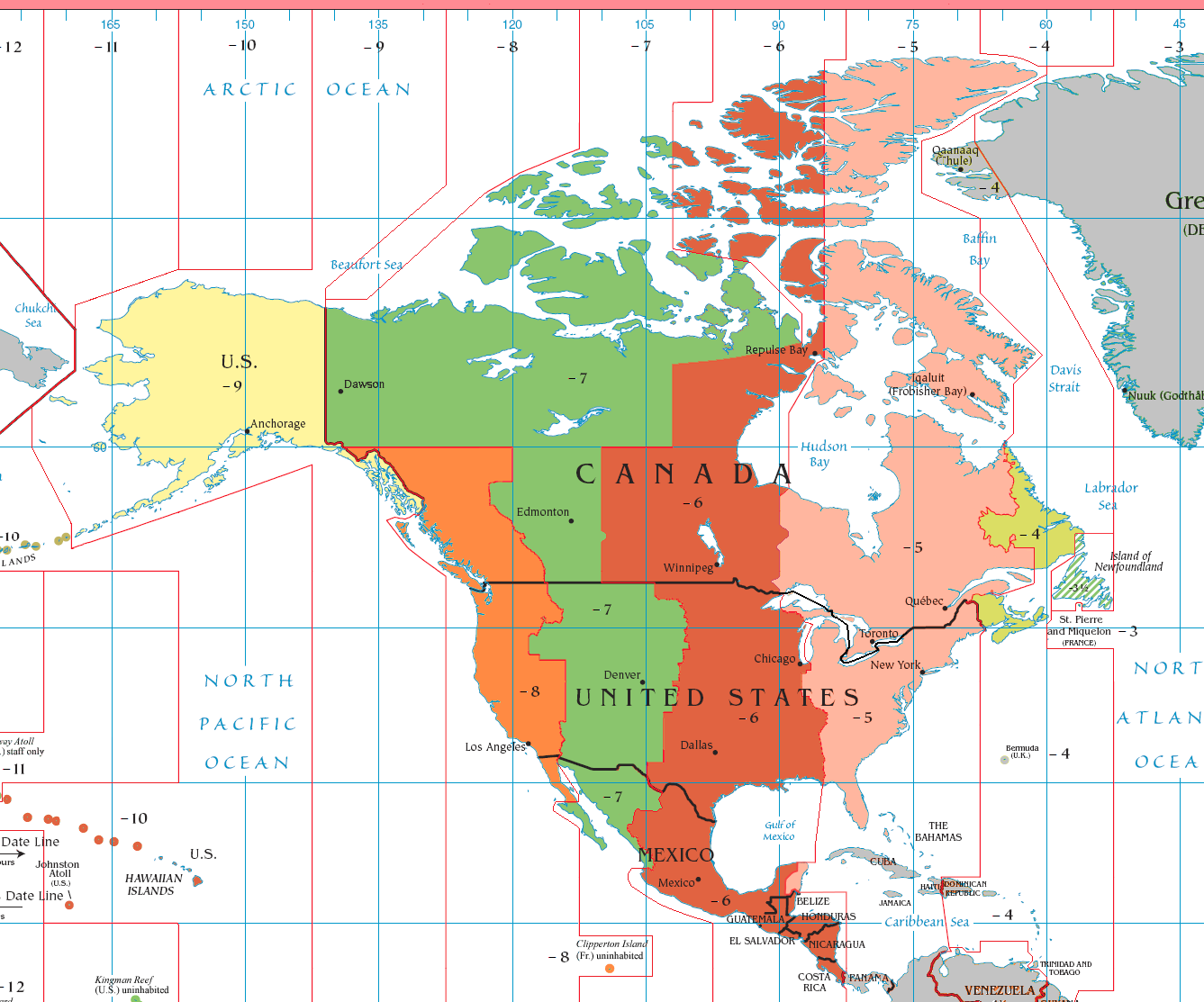
When planning a journey through the southwestern United States, understanding the local time zone is a foundational aspect of itinerary management. For travelers mapping out routes from Texas to Arizona, a common question arises: Is New Mexico in Mountain Time? The answer is a definitive yes. As you traverse the high-desert landscapes and historic corridors of the “Land of Enchantment,” you will be operating on Mountain Standard Time (MST) during the winter months and Mountain Daylight Time (MDT) during the summer, aligning with the broader regional standard of the American West.
Navigating the Mountain Time Zone in the Southwest
The Mountain Time zone covers a vast and geographically diverse swath of North America. For those venturing into New Mexico, maintaining this temporal consistency simplifies travel planning significantly, especially when coordinating arrivals at airports like Albuquerque International Sunport or departing from Santa Fe Regional Airport.
The Regional Context
New Mexico sits firmly within the Mountain Time zone, acting as a bridge between the Central Time zone observed in its eastern neighbor, Texas, and the unique time-keeping practices of Arizona. While Arizona largely eschews Daylight Saving Time, New Mexico adheres to the standard practice of “springing forward” and “falling back.” This shift is vital to remember if your travel plans involve crossing the state line between New Mexico and Arizona during the spring or summer months, as you may experience a one-hour time difference upon arrival.
Practical Tips for Long-Distance Travelers
Whether you are road-tripping along Historic Route 66 or navigating the interstate system, keeping your devices synced to the local network is the easiest way to avoid confusion. Most modern smartphones and GPS systems will automatically update as you cross state borders; however, if you are traveling through remote areas—such as the vast expanses near the Gila National Forest or the Bisti De-Na-Zin Wilderness—it is wise to verify your local time via a reliable source if you have an appointment or a scheduled tour.
Optimizing Your Itinerary Based on Time Zones
Understanding the time zone is not merely about punctuality; it is about maximizing the quality of your experiences. The sunlight hours in New Mexico provide unique opportunities for photography, hiking, and cultural immersion, particularly in areas with significant elevation changes.
Leveraging Sunlight for Landmark Exploration
Because New Mexico remains in Mountain Time, the sunrise and sunset patterns remain consistent across the state. This is particularly relevant when visiting iconic sites like White Sands National Park or the ancient dwellings of Bandelier National Monument. Planning your arrival to these landmarks early in the morning allows you to beat the midday heat and avoid the largest crowds, ensuring a more serene experience at sites like Carlsbad Caverns National Park.

Coordinating Multi-State Connections
For travelers flying into regional hubs or connecting through Denver or Phoenix, staying in the same time zone as the regional hub simplifies scheduling. Since Denver and New Mexico share the same time zone, logistics for connecting flights or rental car pick-ups remain straightforward. If your travel path shifts westward into the Pacific Time zone toward California, be prepared to lose or gain an hour depending on the direction of your travel, which can impact your arrival time at your next destination or resort.
The Cultural Pulse and Daily Rhythm of the State
The pace of life in New Mexico is heavily influenced by the natural environment, and the observance of Mountain Time keeps the state in sync with the physical requirements of the day.
Mornings in the High Desert
In cities like Santa Fe and Taos, the day often begins early. Locals frequently take advantage of the crisp morning air for outdoor activities or visiting local markets. Because the state remains in Mountain Time, the transition from dawn to daylight feels organic and predictable. Whether you are grabbing coffee in Old Town Albuquerque or heading out for a hike in the Sandia Mountains, adhering to the local time keeps you aligned with the operational hours of local businesses, galleries, and museums.
Evening Activities and Cultural Events
The evenings are a prime time to enjoy the state’s culinary scene and vibrant arts culture. From the sophisticated dining experiences near The Plaza in Santa Fe to the traditional festivals often held in places like Mesilla, having a clear understanding of when the sun sets—and how that correlates to your clock—helps in planning evening excursions. Watching the sunset turn the sky over the Chuska Mountains into a palette of fire and gold is an essential experience for any visitor, and being in the correct time zone ensures you do not miss the best lighting for your photographs.
Avoiding Common Pitfalls During Your Visit
While the time zone in New Mexico is straightforward, there are subtle nuances that can catch even seasoned travelers off guard.
Boundary Awareness
When traveling near the Navajo Nation, the situation becomes more complex. The Navajo Nation spans portions of New Mexico, Utah, and Arizona. Crucially, the tribal lands observe Daylight Saving Time, even though the state of Arizona does not. If you are crossing in and out of reservation boundaries during the summer, your digital clock may fluctuate. It is best to stick to the standard New Mexico time for your main agenda, but keep an eye on local signage if you are venturing deep into indigenous lands.
Staying Connected and Current
The best way to ensure your trip remains on schedule is to rely on your smartphone’s “automatic time zone” feature. However, ensure that your device has sufficient data roaming or network coverage. In the more rugged terrains like the Lincoln National Forest, signal can be spotty. In these instances, keeping a physical watch or checking the time at local tourist centers—such as the Visitor Center in Roswell—can be a helpful backup.
Final Thoughts on Temporal Logistics
New Mexico offers a rich tapestry of experiences, from the high-altitude peaks of the Sangre de Cristo Mountains to the serene depth of the Chaco Culture National Historical Park. By confirming that the state operates on Mountain Time, you can set aside logistical worries and focus on the beauty of your surroundings. Whether you are planning a relaxing stay at a resort in Las Cruces or embarking on a comprehensive tour of the state’s historical missions, you can rest assured that your timeline will remain consistent throughout your journey. Enjoy the extra time you have to soak in the stunning landscapes, unique cultural heritage, and warm hospitality that define this remarkable part of the world.
LifeOutOfTheBox is a participant in the Amazon Services LLC Associates Program, an affiliate advertising program designed to provide a means for sites to earn advertising fees by advertising and linking to Amazon.com. Amazon, the Amazon logo, AmazonSupply, and the AmazonSupply logo are trademarks of Amazon.com, Inc. or its affiliates. As an Amazon Associate we earn affiliate commissions from qualifying purchases.