
Texas, the Lone Star State, is a land of vast landscapes, vibrant cities, rich history, and diverse culture, attracting millions of travelers annually. From the bustling metropolitan areas of Houston and Dallas to the live music scene of Austin and the historic charm of San Antonio, there’s an experience for every type of visitor. As you plan your adventure through its iconic landmarks, indulge in its delicious cuisine, or seek out the perfect accommodation, understanding the local tax landscape is crucial for effective budgeting. Sales tax, often an overlooked detail, can significantly impact your travel expenses, whether you’re booking a luxury resort, dining at a renowned restaurant, or picking up souvenirs. This guide will demystify the sales tax in Texas, offering insights tailored for travelers to help you budget wisely and enjoy a seamless journey.
Understanding the Foundation: Texas Sales Tax Basics
Before diving into the specifics of how sales tax affects your travel plans, it’s essential to grasp the fundamental structure of sales tax in Texas. Unlike some states that might exempt certain goods or services commonly purchased by tourists, Texas applies its sales tax broadly, with a few key exceptions. Knowing the base rate and understanding how local jurisdictions add their own percentages will empower you to better anticipate costs.
The State Sales Tax Rate
The bedrock of the sales tax system in Texas is the state-mandated sales and use tax rate. This uniform rate applies across the entire state to the sale of most tangible personal property and certain services. Currently, the statewide sales tax rate is 6.25%. This means that for every dollar you spend on taxable items, an additional 6.25 cents goes towards state revenue. This rate is consistent whether you’re purchasing items in a small town or a major urban center.
Local Option Taxes: How Cities and Counties Add On
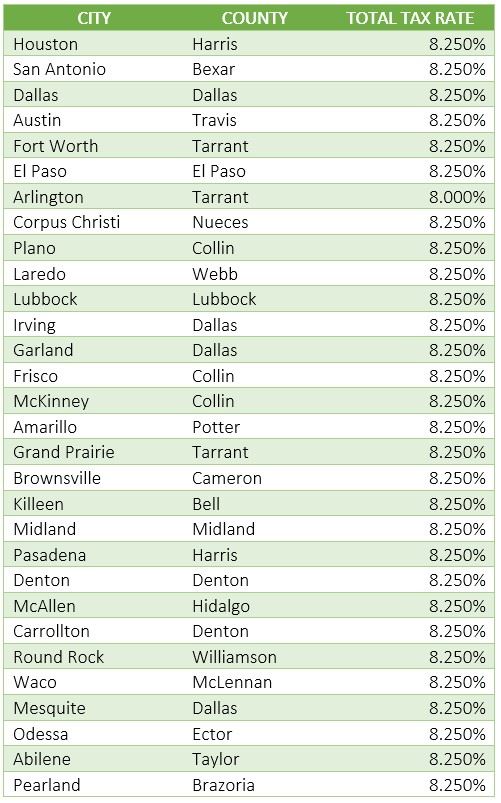
While the state rate provides a baseline, what often surprises travelers is the addition of local option taxes. Cities, counties, and special purpose districts (such as metropolitan transit authorities or economic development zones) have the authority to impose their own sales and use taxes on top of the state rate. These local taxes can add up to an additional 2% to your bill. This means that the total sales tax rate in any given location in Texas can be as high as 8.25% (6.25% state + 2% local maximum). It’s this variability that makes understanding sales tax particularly important, as a purchase in one city might incur a slightly different tax rate than the same purchase just a few miles down the road in another jurisdiction. For instance, the total sales tax rate in Dallas is 8.25%, reflecting the maximum local add-on. This combined rate applies to a wide array of goods and services that tourists commonly encounter, from a new pair of cowboy boots to a meal at a popular restaurant.
Accommodation and Lodging Taxes: Beyond Sales Tax
When planning your stay in Texas, whether it’s a cozy bed and breakfast, a sprawling resort, or a modern apartment for a long-term visit, understanding the specific taxes applied to accommodations is paramount. These taxes are often distinct from the general sales tax and can significantly increase the cost of your booking.
Hotel Occupancy Tax (HOT) Explained
In Texas, accommodations are subject to what is known as Hotel Occupancy Tax (HOT), rather than the standard sales tax. This tax is levied on the cost of a room or space in a hotel, motel, inn, tourist court, or similar facility. The HOT is charged at both the state and local levels. The state HOT rate is 6% of the cost of the room. This tax supports various initiatives, including tourism promotion, historical preservation, and convention center operations, directly benefiting the traveler experience by funding attractions and infrastructure.
Local HOT Rates: A City-Specific Breakdown
In addition to the state HOT, cities and counties in Texas have the authority to impose their own local Hotel Occupancy Taxes. These rates vary significantly depending on the municipality. For example, a major tourist destination like San Antonio might have a combined local HOT rate that pushes the total occupancy tax well into double digits. Houston also has a substantial local HOT, as do popular destinations like Galveston, known for its beaches and historic architecture.
Consider a traveler booking a suite in a Dallas hotel for a week. The advertised nightly rate will be subject to the 6% state HOT plus the city’s specific local HOT, which could bring the total tax on accommodation to around 15-17%. This cumulative percentage can add hundreds of dollars to a longer stay or a more luxurious booking, making it a critical factor in your accommodation budget. Always check the specific HOT rates for your chosen destination within Texas when comparing hotel prices or booking a vacation rental to avoid any surprises.
Dining, Entertainment, and Shopping: What to Expect
A quintessential part of any Texas travel experience involves exploring its culinary scene, visiting iconic attractions, and perhaps indulging in some retail therapy. From sizzling barbecue joints to vibrant live music venues, and from boutique shops to sprawling malls, sales tax will apply to most of these expenditures.
Food and Beverage: Eating Out in Texas
When you dine out in Texas, whether it’s a casual meal at a food truck in Austin or a fine dining experience in Fort Worth, the general sales tax rate of up to 8.25% will be applied to your total bill. This includes restaurant meals, prepared foods, soft drinks, and alcoholic beverages purchased for on-premise consumption. However, there’s a notable exemption for certain grocery items. Unprepared food products, commonly referred to as groceries, are generally exempt from sales tax if purchased for home consumption. So, if you’re stocking up your rental kitchen or buying snacks for a road trip at a supermarket, you likely won’t pay sales tax on most food items, but if you grab a sandwich or hot coffee from the deli counter, it will typically be taxed. This distinction is important for budget travelers who might opt for self-catering to save money.
Attractions and Entertainment: Experiences Taxed
Visiting world-class attractions like the NASA Johnson Space Center in Houston, exploring The Alamo and the River Walk in San Antonio, or enjoying a concert on Sixth Street in Austin are highlights of a Texas trip. Most admission fees to entertainment venues, museums, historical sites, sporting events, and amusement parks are subject to the standard state and local sales tax rate. This means that the ticket price you see advertised might not be your final cost. When budgeting for your itinerary, factor in that an additional 6.25% to 8.25% could be added to the price of entry for these memorable experiences.
Retail Therapy and Souvenirs
From Western wear in Fort Worth to unique artisan crafts in Fredericksburg, shopping is an integral part of the travel lifestyle. Almost all tangible personal property purchased in Texas, including clothing, electronics, books, gifts, and souvenirs, is subject to sales tax. This tax will be calculated at the combined state and local rate for the specific city or county where the purchase is made. If you’re planning on bringing back mementos from your trip, remember to account for this additional cost. For example, a $100 souvenir might cost you $108.25 in Dallas or Houston once sales tax is applied.
Key Texas Cities: A Local Tax Spotlight
While the state sales tax and Hotel Occupancy Tax rates are consistent across Texas, the local add-ons vary by municipality, significantly impacting the total amount you pay. Understanding these differences for major tourist hubs can help you plan your budget more accurately.
Houston: Space City’s Tax Landscape
As one of the largest cities in the United States, Houston is a hub for business, culture, and space exploration. The sales tax rate within the city limits of Houston is the maximum 8.25% (6.25% state + 2% local). This rate applies to most taxable goods and services. For accommodations, the Hotel Occupancy Tax in Houston is substantial, often reaching around 17% to 17.5% when combining state and local rates. This is a critical factor for visitors planning stays near attractions like the Museum District or attending events at the George R. Brown Convention Center.
Dallas: Big D’s Financial Footprint
Dallas, a city known for its vibrant arts scene, upscale shopping, and historical significance, also applies the maximum 8.25% sales tax rate. Travelers enjoying the dynamic food scene, exploring the Dallas Arts District, or shopping at premium outlets will encounter this rate. Hotel stays in Dallas are subject to a combined state and local Hotel Occupancy Tax that can also be around 17%, similar to Houston.
Austin: The Live Music Capital’s Costs
Austin, famous for its “Keep Austin Weird” motto and its status as the “Live Music Capital of the World,” also has a combined sales tax rate of 8.25%. This rate will apply to your purchases, whether you’re buying vintage records on South Congress Avenue, dining at a trendy restaurant, or grabbing a coffee before visiting the Texas State Capitol. The Hotel Occupancy Tax in Austin is equally significant, often hovering around 17%, especially noticeable during major events like South by Southwest (SXSW) or the Austin City Limits Music Festival.
San Antonio: Historic Charm, Modern Taxes
San Antonio, rich in history with iconic sites like The Alamo and the San Antonio Missions National Historical Park, maintains a sales tax rate of 8.25%. This rate affects all taxable purchases made while exploring its historic districts, enjoying a River Walk cruise, or savoring Tex-Mex cuisine. The Hotel Occupancy Tax in San Antonio is also on the higher end, typically reaching about 16.75% to 17% due to significant local levies that fund the city’s robust tourism infrastructure.
Budgeting for Sales Tax: Practical Tips for Travelers
Understanding the various sales tax rates and where they apply is only half the battle. The other half involves integrating this knowledge into your travel planning to avoid financial surprises and ensure a smooth, enjoyable trip through Texas. Effective budgeting can transform your travel lifestyle, allowing you to focus on experiences rather than unexpected costs.
Research Your Destination’s Specific Rates
Before you even pack your bags, take a few moments to research the specific sales tax and Hotel Occupancy Tax rates for the cities and counties you plan to visit. A quick online search for “sales tax in Austin” or “hotel tax in Houston” will usually provide the most current information. Knowing these figures in advance helps you set realistic expectations for your spending. Websites like the Texas Comptroller’s office often provide detailed breakdowns of local tax rates.
Factor Taxes into Your Daily Spending
When you allocate funds for meals, entertainment, and shopping, don’t just consider the advertised price. Always add an extra 8-9% for sales tax on most purchases, and a significant 15-18% for accommodations. For example, if you budget $100 for dinner, realistically expect to spend closer to $108.25 after tax in most major cities. Over the course of a multi-day trip, these small percentages accumulate, impacting your overall travel budget. This approach is particularly important for budget travel, where every dollar counts.
Utilize Online Booking Platforms Wisely
When booking hotels or vacation rentals online, pay close attention to the “taxes and fees” section before confirming your reservation. Most reputable platforms will break down the state and local Hotel Occupancy Taxes, providing you with a clear total cost. Some platforms might initially show a base rate, with taxes only appearing towards the end of the booking process, so always check the final price to avoid any last-minute surprises. This transparency is crucial for managing your accommodation expenses effectively.
Keep an Eye on Your Receipts
Throughout your trip, make it a habit to glance at your receipts. This isn’t just about verifying the sales tax amount but also about understanding what items are taxed and at what rate. It’s a good way to become more familiar with how taxes are applied and can help you adjust your spending habits on the fly. For instance, you’ll see the difference in tax application between a sit-down meal and buying groceries.
Consider Sales Tax Exemptions (Limited for Travelers)
While most purchases are taxable, travelers generally don’t qualify for broad sales tax exemptions unless they are purchasing items for resale or fall under very specific, narrow categories (e.g., certain agricultural items or prescription medications). There isn’t a general “tourist tax refund” system in the United States or Texas for sales tax on goods taken out of the country, unlike some other nations. Therefore, assume nearly all your purchases will be subject to sales tax.
By keeping these tips in mind, you can navigate the sales tax landscape of Texas with confidence, ensuring that your financial planning aligns with your travel aspirations. This meticulous approach to budgeting allows you to fully immerse yourself in the rich experiences Texas has to offer, from exploring the natural beauty of Big Bend National Park to enjoying the vibrant nightlife of its major cities, without any unexpected financial hitches. Happy travels!
LifeOutOfTheBox is a participant in the Amazon Services LLC Associates Program, an affiliate advertising program designed to provide a means for sites to earn advertising fees by advertising and linking to Amazon.com. Amazon, the Amazon logo, AmazonSupply, and the AmazonSupply logo are trademarks of Amazon.com, Inc. or its affiliates. As an Amazon Associate we earn affiliate commissions from qualifying purchases.