
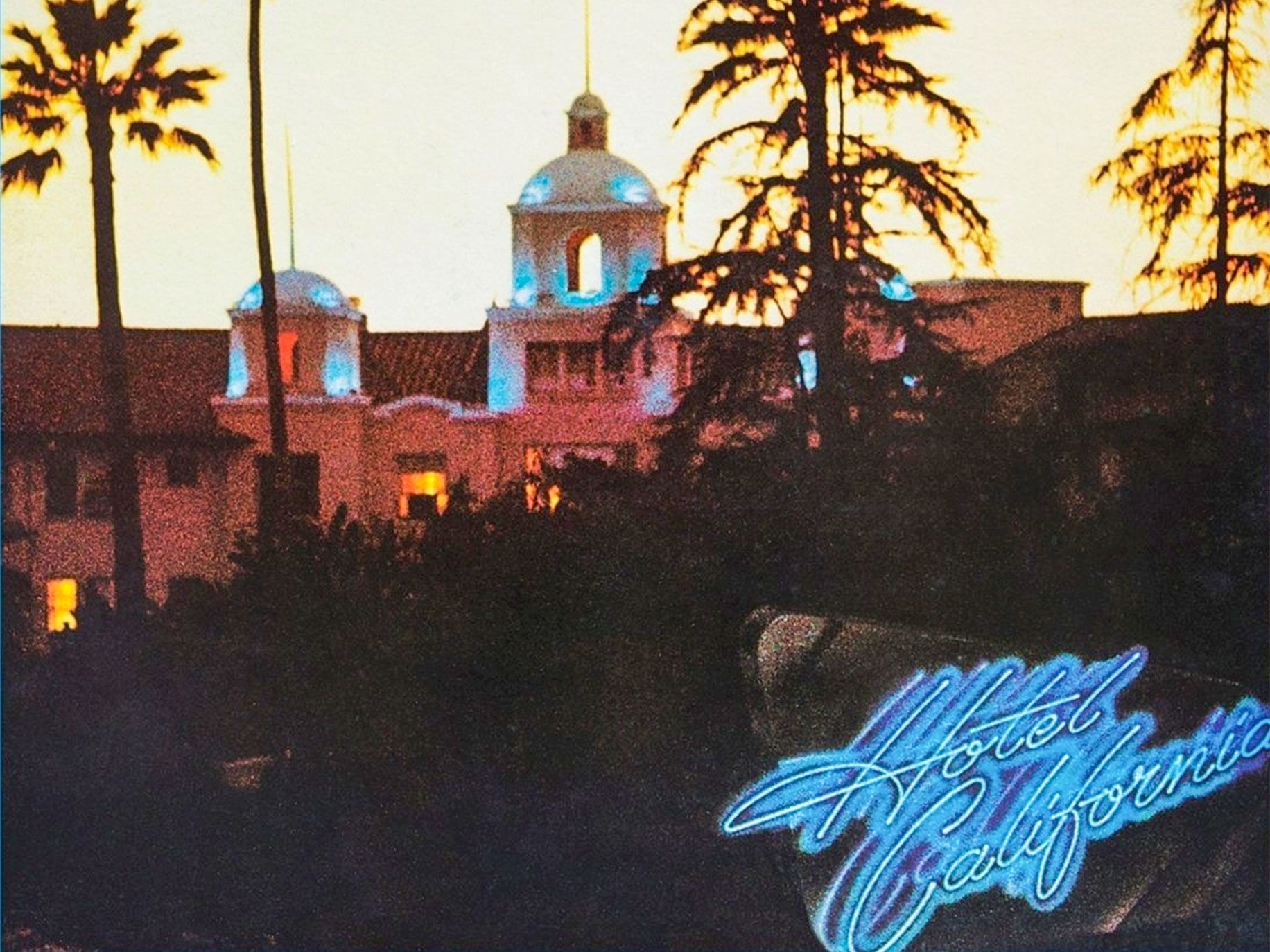
The iconic track “Hotel California” by The Eagles is far more than just a catchy rock anthem; it’s a profound cultural commentary wrapped in a mesmerizing melody and enigmatic lyrics. Released in 1976 as the title track from their album of the same name, the song quickly ascended to legendary status, earning a Grammy Award for Record of the Year in 1978. Its enduring popularity stems not just from its musical brilliance, but from the myriad interpretations it invites, making it a constant source of fascination for listeners worldwide. For anyone interested in the intersection of music, travel, and lifestyle, “Hotel California” offers a rich tapestry of themes that resonate deeply with the allure and occasional disillusionment of exploration and the pursuit of dreams.
At its core, “Hotel California” serves as a complex metaphor, primarily depicting the dark underbelly of the American Dream and the hedonistic excess that characterized Los Angeles in the 1970s. The song’s narrative follows a weary traveler who stumbles upon a seemingly idyllic hotel, only to discover a sinister, inescapable reality beneath its luxurious facade. This journey into the heart of metaphorical darkness is often misinterpreted as a literal ghost story or a tribute to a specific haunted building. However, as the band members themselves have clarified, the “hotel” is a symbolic representation of the traps and temptations of fame, wealth, and the intoxicating yet often corrosive lifestyle of the West Coast entertainment industry. It explores themes of greed, spiritual decay, and the consequences of unchecked ambition, making it a timeless reflection on the human condition and the destinations we choose to pursue.
The Allure and Enigma of the Golden State
The song opens with a vivid description of a long, arduous journey, evoking the classic American narrative of heading West in search of opportunity and a new beginning. The traveler, exhausted and disoriented, finds respite in the form of the eponymous hotel. This initial sense of relief and promise immediately draws parallels to the romanticized image of California itself – a land of sunshine, opportunity, and endless possibilities, often seen as the ultimate destination for those seeking to escape the mundane and embrace a more vibrant lifestyle.
A Journey Through the American Dream
The Golden State has long been synonymous with the American Dream, attracting millions with its promise of prosperity, fame, and a laid-back, luxurious way of life. For many, a trip to California is an aspirational journey, a quest for a particular kind of experience – be it the glitz and glamour of Hollywood, the relaxed vibe of its beaches, or the entrepreneurial spirit of Silicon Valley. The song captures this initial allure perfectly: “On a dark desert highway, cool wind in my hair / Warm smell of colitas, rising up through the air / Up ahead in the distance, I saw a shimmering light / My head grew heavy and my sight grew dim / I had to stop for the night.” This imagery immediately brings to mind road trips, the vast landscapes of the American Southwest, and the anticipation of arriving at a sought-after destination.
However, “Hotel California” quickly introduces a subversive element. The “shimmering light” that promises rest turns out to be something more complex. This mirrors the experience of many who travel to seemingly idyllic destinations only to find that the reality is more nuanced, sometimes even unsettling, than the brochure promises. The song touches on the idea that while destinations like California offer unparalleled attractions and experiences, they can also present challenges, temptations, and a culture that might be overwhelming or even spiritually draining for some. It highlights the importance of discerning the true nature of a place beyond its superficial appeal, a valuable lesson for any traveler considering their next big adventure or long-term stay.

The Symbolic Hotel as a Destination
The “Hotel California” itself acts as a potent landmark and accommodation metaphor within the song. It is described with details that evoke luxury and comfort: “Her mind is Tiffany-twisted, she got the Mercedes bends / She got a lot of pretty, pretty boys, that she calls friends / How they dance in the courtyard, sweet summer sweat / Some dance to remember, some dance to forget.” These lines paint a picture of opulence and a vibrant, yet possibly hollow, social scene. The mention of “Tiffany-twisted” and “Mercedes bends” immediately grounds the hotel in a specific kind of affluent, high-fashion lifestyle, reminiscent of the upscale resorts and boutique hotels found in places like Beverly Hills or Palm Springs.
From a tourism and accommodation perspective, the hotel represents the quintessential five-star experience – a place where every need is met, and luxury abounds. Yet, it also subtly critiques this very notion. The grandness and the amenities become a veil for a deeper, more unsettling reality. The “lovely place,” the “lovely face,” the “plenty of room at the Hotel California” all contribute to an initial impression of a dream vacation or an ultimate resort experience. However, the subsequent revelation that “you can check out any time you like, but you can never leave” transforms this ideal accommodation into a trap. This warning resonates with anyone who has felt overwhelmed by a particular destination or lifestyle choice, struggling to break free from its pull. It’s a cautionary tale about the potentially seductive but ultimately binding nature of certain environments, whether they are physical hotels, cities, or even lifestyles.

Unpacking the Lyrics: More Than Just a Hotel Stay
The true brilliance of “Hotel California” lies in its lyrical depth, which transcends a simple narrative to explore complex themes relevant to lifestyle choices, societal values, and personal freedom. Don Henley, Glenn Frey, and Don Felder, the primary writers, crafted a song that speaks to the experience of a generation grappling with the aftermath of the idealistic 1960s and the materialistic turn of the 1970s.
Decoding the Darker Side of Luxury and Lifestyle
The song’s imagery consistently juxtaposes superficial beauty with underlying decay. The “pink champagne on ice” and the “spirits of the Hotel California” conjure up visions of lavish parties and endless indulgence – a snapshot of the luxury travel and hedonistic lifestyle common in specific circles of Los Angeles at the time. Yet, these symbols of extravagance are subtly tainted by the pervasive sense of unease. The “colitas” (often interpreted as marijuana flowers) and the “warm smell” indicate a relaxed, perhaps overly complacent, atmosphere that can dull one’s senses and judgment. This speaks to the broader concept of how a seemingly desirable lifestyle can subtly erode one’s values or sense of self.
The characters within the hotel further embody this duality. The “mysterious night man” who says, “We haven’t had that spirit here since 1969,” is a particularly telling line. 1969 marked the end of the 1960s, a decade often associated with idealism, peace, and love. Its passing and the subsequent lack of “spirit” at the hotel suggest a loss of innocence, a shift towards a more cynical and self-serving culture. This is a powerful commentary on how societal values and the ethos of a particular destination or lifestyle can evolve, sometimes for the worse. For those interested in local culture and the historical context of destinations, this line offers a fascinating insight into the cultural transformation of California and America at large. The search for genuine connection and authentic experiences within a world of superficiality is a theme that resonates strongly with contemporary discussions about meaningful travel versus purely touristic consumption.
A Metaphor for Excess and Disillusionment
Perhaps the most potent aspect of “Hotel California” is its function as an extended metaphor for the pitfalls of excess and the disillusionment that can follow the relentless pursuit of material wealth and superficial pleasures. Don Henley himself has stated that the song is about “the dark underbelly of the American Dream and about excess in America, which is something we knew a lot about.” The “Hotel California” becomes a symbol for any place or situation that initially appears desirable but ultimately entraps or corrupts those who enter it. This could be interpreted as the music industry itself, the city of Los Angeles, or even the broader capitalist society.
The line “We are all just prisoners here, of our own device” encapsulates the personal responsibility in succumbing to these traps. It’s not just the external forces of the hotel that imprison the traveler, but their own choices and desires that lead them to stay. This theme is incredibly relevant to modern lifestyle discussions, particularly around the sustainability of certain choices, the impact of consumerism, and the search for balance. Whether it’s budget travel versus luxury travel, or the decision to embark on long-term stays in a foreign land, understanding the potential for both freedom and entanglement is crucial. The song acts as a warning: while the attractions and experiences of a place can be captivating, one must remain aware of the potential consequences of becoming too deeply immersed or losing oneself in the pursuit of a particular lifestyle, especially one driven by excess.
The Eagles’ Own Interpretation and Legacy
Despite the countless theories and interpretations that have emerged over the decades – ranging from Satanic cults to psychiatric hospitals – the members of The Eagles have consistently offered a more grounded explanation for the song’s meaning. Their insights are vital for understanding the true intent behind this monumental work.
Voices from the Band
Don Henley, the band’s drummer and co-lead vocalist, has frequently elaborated on the song’s origins. He describes it as “our interpretation of the high life in Los Angeles.” According to Henley, the song aimed to explore the “loss of innocence and the price of excess” in California, particularly within the music and entertainment industry that the band was deeply embedded in. He emphasized that the hotel itself is a metaphor for the music industry, and Los Angeles as a whole, a place where people arrive full of dreams but can easily get caught in a cycle of indulgence and spiritual emptiness.
Glenn Frey, the band’s guitarist and co-lead vocalist, echoed this sentiment, calling it a song about “the dark underbelly of paradise.” He stated that they were “writing about the culture of California at the time… the decadence and the loss of innocence, the dark side of the American Dream.” This perspective is crucial for anyone interested in understanding the cultural history of famous places and the socio-economic factors that shape their identity. The song isn’t just a lament; it’s a critical observation, a mirror held up to a specific time and place. It highlights how even the most celebrated destinations can harbor complex, challenging realities beneath their glossy exterior, urging visitors and residents alike to look beyond the immediate attractions and experiences.
Enduring Relevance in Travel and Culture
Over four decades since its release, “Hotel California” continues to resonate with new generations, a testament to its universal themes. Its exploration of the seductive power of certain destinations and lifestyles, coupled with the potential for disillusionment and entrapment, remains incredibly relevant. For those passionate about travel, hotels, tourism, and lifestyle choices, the song serves as a powerful cautionary tale and a catalyst for deeper thought.
The idea of checking into a resort or booking a long-term stay in a vibrant city, only to find oneself metaphorically unable to leave, speaks volumes about the choices we make and the environments we immerse ourselves in. Whether it’s the pressure to maintain a certain image in a luxury destination, the allure of a vibrant but potentially draining nightlife, or the difficulty of breaking free from a particular social circle, the song’s message holds true. It encourages a mindful approach to travel and lifestyle, prompting individuals to consider not just the physical attractions of a place, but also its cultural impact, its potential pitfalls, and how it might ultimately shape their own journey.
“Hotel California” is more than just a song about a hotel; it’s a profound commentary on the human search for paradise, the price of freedom, and the enduring power of dreams – and nightmares. It reminds us that while the journey to an exciting destination can be exhilarating, it’s essential to remain aware of the path we’re on and the true nature of the “accommodation” we choose along the way. Its legacy lies not only in its unforgettable guitar solo and intricate lyrics but also in its timeless ability to provoke thought about the destinations we seek, the lifestyles we adopt, and the complex realities that often lie beneath the shimmering surface of the American Dream and global tourism alike.
LifeOutOfTheBox is a participant in the Amazon Services LLC Associates Program, an affiliate advertising program designed to provide a means for sites to earn advertising fees by advertising and linking to Amazon.com. Amazon, the Amazon logo, AmazonSupply, and the AmazonSupply logo are trademarks of Amazon.com, Inc. or its affiliates. As an Amazon Associate we earn affiliate commissions from qualifying purchases.