
Planning a trip to the stunning landscapes and vibrant cities of Arizona often involves meticulous preparation, from booking accommodations to mapping out scenic drives. Savvy travelers also understand the importance of being informed about local health concerns to ensure a smooth, enjoyable, and most importantly, healthy experience. While Arizona is a generally safe and welcoming destination, like any region, it has its unique set of seasonal and environmental health considerations. For tourists, understanding these potential issues and how to mitigate them is a crucial tip for responsible travel. This guide aims to provide insights into common illnesses and health risks in Arizona right now, empowering visitors with the knowledge needed to prioritize their well-being.
Seasonal Illnesses and Common Concerns for Tourists
Understanding the cyclical nature of certain illnesses is paramount for any visitor to Arizona. While some health concerns are more prevalent during specific times of the year, others demand year-round vigilance.
Respiratory Illnesses: Flu, RSV, and Common Cold
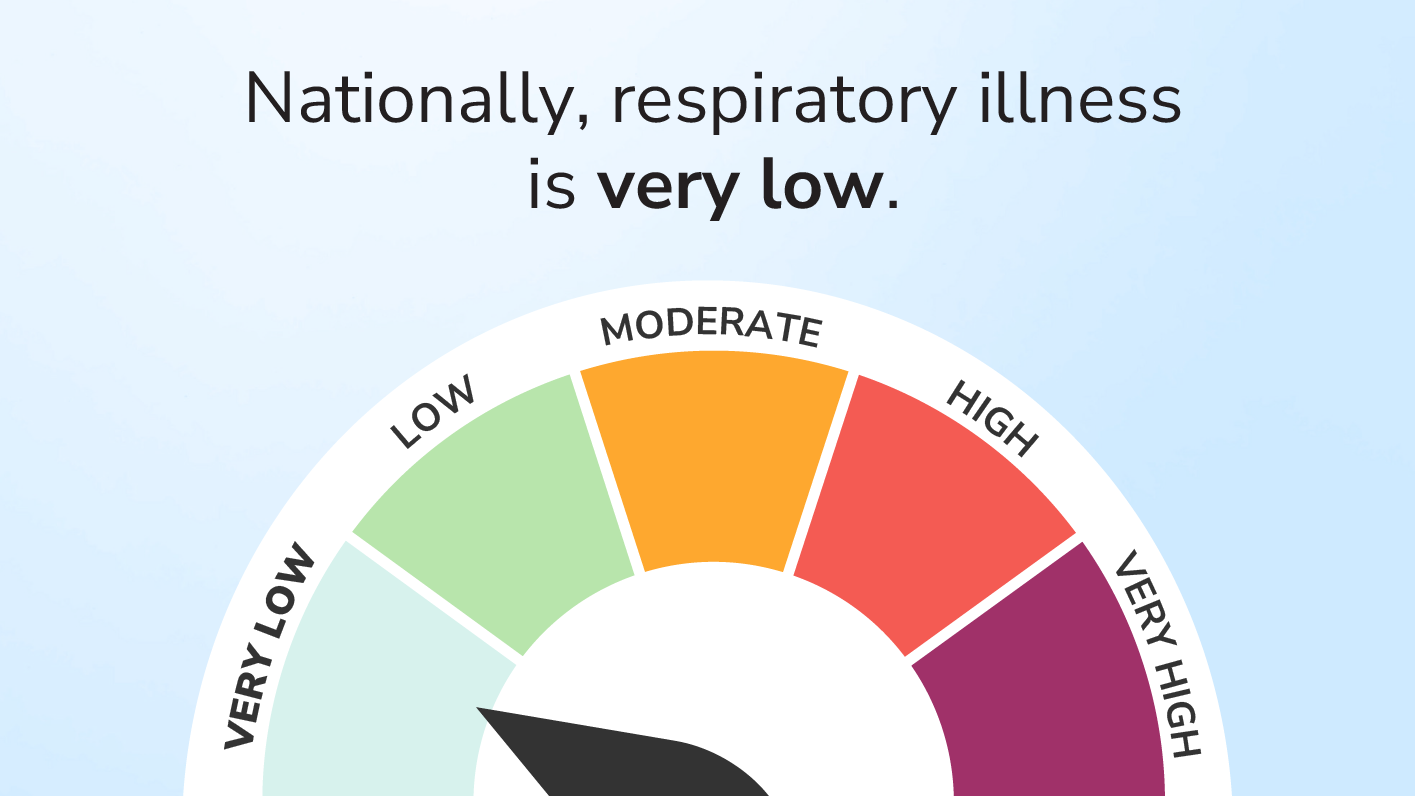
Like much of the United States, Arizona experiences a typical cold and flu season, generally running from fall through winter. During these months, common respiratory viruses, including influenza (flu), respiratory syncytial virus (RSV), and various strains of the common cold, circulate widely. For tourists, this means that crowded attractions, airports, and public transport can increase exposure risks. Symptoms often include cough, sore throat, fever, congestion, and body aches.
To minimize risk, travelers are strongly advised to practice good hand hygiene, washing hands frequently with soap and water or using an alcohol-based hand sanitizer. Staying up-to-date on vaccinations, particularly the annual flu shot, is a highly effective preventative measure. If you begin to feel unwell, it’s considerate and wise to limit contact with others, especially vulnerable populations, and seek rest. Families traveling with infants or young children should be particularly aware of RSV, which can cause severe illness in very young populations, and consult their pediatrician before travel.
Allergies and Environmental Sensitivities
Arizona’s unique desert environment, while breathtaking, can also be a significant source of allergens. Unlike many other regions, the state’s allergy season can extend year-round, with different desert plants pollinating at various times. Common culprits include ragweed, mulberry, mesquite, olive, and various grasses. Symptoms typically mirror those of hay fever: sneezing, runny nose, itchy eyes, and nasal congestion.
Tourists with known allergies should pack their usual antihistamines or other allergy medications. Checking local pollen forecasts, often available through weather apps, can also help visitors plan outdoor activities on days with lower allergen counts. Beyond pollen, dust can also be an irritant. Arizona is known for occasional dust storms, or “haboobs,” which can significantly reduce air quality and trigger respiratory issues for those with asthma or other lung conditions. Staying indoors with windows and doors closed during such events is recommended for health and safety.
Heat-Related Illnesses: A Year-Round Concern
Perhaps the most critical health consideration for visitors to Arizona is heat-related illness. While summer months (June through September) see the most extreme temperatures, warm to hot weather can occur any time of the year, particularly in lower elevations like Phoenix and Tucson. Heat exhaustion and heatstroke are serious conditions that can rapidly progress if not addressed.
Symptoms of heat exhaustion include heavy sweating, cold, clammy skin, fast weak pulse, muscle cramps, tiredness, dizziness, headache, and nausea. Heatstroke, a medical emergency, presents with a body temperature above 103°F (39.4°C), hot, red, dry or damp skin, a fast strong pulse, and potential confusion, slurred speech, or unconsciousness.
Tourists must prioritize hydration, drinking plenty of water throughout the day, even if not feeling thirsty. Avoiding peak sun hours (typically 10 AM to 4 PM), seeking shade, wearing light-colored, loose-fitting clothing, and taking frequent breaks are essential. Never leave children or pets unattended in vehicles, even for a short time. Familiarize yourself with the symptoms and know when to seek immediate medical attention.
Unique Regional Health Considerations for Visitors
Beyond common ailments, Arizona’s distinctive geography and wildlife introduce specific health risks that tourists should be aware of.
Coccidioidomycosis (Valley Fever)
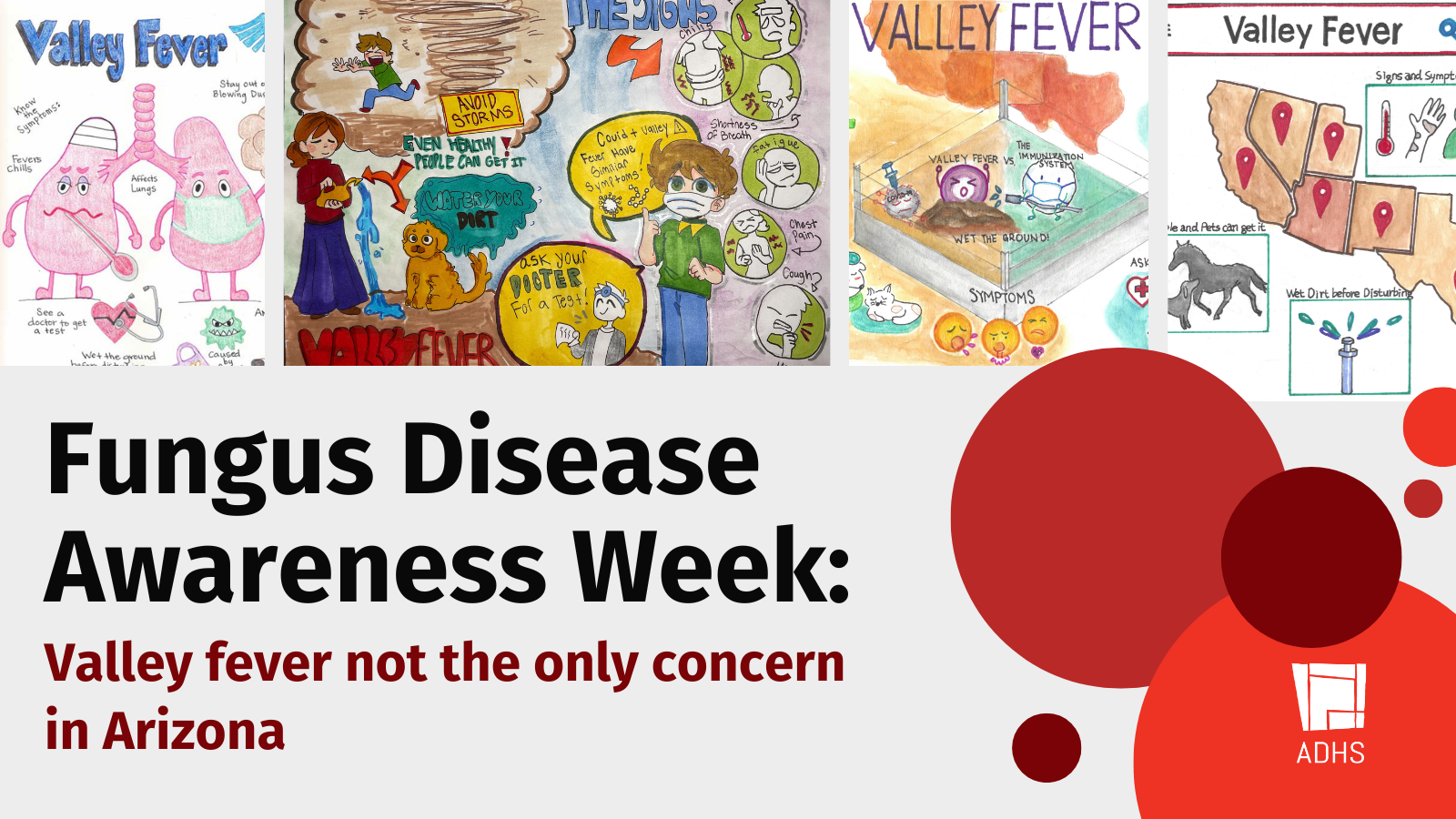
Arizona is endemic for Coccidioidomycosis, commonly known as Valley Fever. This fungal infection is caused by inhaling spores of the Coccidioides fungus, which lives in the soil, particularly in the Sonoran Desert region. When the soil is disturbed by wind, construction, or even digging, these spores can become airborne. Tourists engaging in outdoor activities, especially those that kick up dust, may be at a slightly increased risk.
Symptoms, which typically appear 1-3 weeks after exposure, can range from mild, flu-like illness (fever, cough, chest pain, fatigue, rash, joint aches) to severe, disseminated disease. Many people exposed to the fungus experience no symptoms or only very mild ones. However, some individuals, especially those with weakened immune systems, can develop chronic or severe forms of the disease. While generally low for casual visitors, awareness is key. If you develop flu-like symptoms after visiting Arizona, especially with persistent cough or chest pain, inform your healthcare provider about your travel history.
Vector-Borne Diseases: West Nile Virus and Hantavirus
Mosquito-borne illnesses like West Nile Virus (WNV) are present in Arizona, particularly during the monsoon season (typically July to September) and in areas with standing water. While most WNV infections are asymptomatic or mild, some individuals can develop severe neurological illness. Tourists should protect themselves by using EPA-registered insect repellent, wearing long sleeves and pants during dusk and dawn when mosquitoes are most active, and ensuring accommodations have intact screens.
Hantavirus Pulmonary Syndrome (HPS) is a rare but serious respiratory disease transmitted by infected rodents, primarily deer mice. While the risk for most tourists is low, individuals engaging in outdoor activities such as camping or hiking in remote, rural areas, or exploring abandoned buildings, should be aware. Avoid contact with rodents and their droppings. Do not disturb potential nesting sites. If cleaning out cabins or sheds, ventilate the area thoroughly before entry and use appropriate respiratory protection.
Wildlife Encounters and Related Risks
Arizona’s diverse wildlife includes venomous creatures such as rattlesnakes, scorpions, and black widow spiders. While encounters are relatively rare, especially in well-trafficked tourist areas, it’s crucial for visitors, particularly those hiking in natural areas near Scottsdale, Sedona, or other scenic spots, to be vigilant.
When hiking, stay on marked trails, avoid placing hands or feet where you cannot see them, and wear sturdy, closed-toe shoes. Shake out shoes, clothing, and towels before use, especially if left outdoors. If you encounter a snake, keep a safe distance and do not provoke it. In the unlikely event of a bite or sting, seek immediate medical attention. Additionally, avoid feeding or approaching wild animals like bats, coyotes, or foxes, as they can carry rabies. Admire wildlife from a safe distance.
Navigating Healthcare as a Tourist in Arizona
Should an illness or injury occur despite precautions, knowing how to access healthcare services as a tourist in Arizona is an invaluable tip.
Knowing When to Seek Medical Attention
It’s important to differentiate between minor discomforts and symptoms that warrant professional medical advice. For persistent fever, severe pain, difficulty breathing, symptoms of heatstroke, or any concerns about an animal bite or serious injury, seeking medical attention promptly is crucial. For less severe issues like colds, minor allergic reactions, or upset stomachs, many over-the-counter remedies are readily available. Having comprehensive travel insurance that covers medical emergencies and potential evacuations is highly recommended for all visitors.
Accessing Medical Facilities
Arizona boasts a robust healthcare system, especially in its major metropolitan areas like Phoenix, Tucson, and Flagstaff. For non-life-threatening conditions that require immediate attention but are not severe enough for an emergency room, urgent care centers are an excellent option. These clinics offer walk-in appointments for a range of issues and are generally more cost-effective than emergency departments. For true emergencies (e.g., severe injury, chest pain, stroke symptoms), calling 911 or heading to the nearest hospital emergency room is imperative. Pharmacies are also widespread, offering prescription filling services and a vast array of over-the-counter medications for common ailments.
Essential Travel Health Preparedness
A basic first-aid kit should be a staple in every traveler’s luggage. Include pain relievers, adhesive bandages, antiseptic wipes, allergy medication, antacids, and any personal prescription medications. If carrying prescription medications, keep them in their original containers with clear labeling, and consider bringing a copy of your prescription or a letter from your doctor. Staying adequately hydrated, maintaining a balanced diet, and ensuring sufficient rest are fundamental practices that bolster your immune system and overall resilience against illness while traveling.
Staying Informed: Reliable Resources for Travelers
The landscape of public health can shift, and being able to access current, reliable information is a cornerstone of responsible tourism.
Official Health Websites
For the most accurate and up-to-date information regarding public health in Arizona, tourists should consult official sources. The Arizona Department of Health Services (ADHS) website is an invaluable resource, providing current alerts, disease statistics, and health guidance specific to the state. Additionally, the Centers for Disease Control and Prevention (CDC) offers comprehensive travel health advisories and general health recommendations for various destinations, including domestic travel.
Local Health Department Updates
Many health concerns can be localized, so checking county-specific health department websites can provide more granular and relevant information. For example, visitors to the Phoenix metropolitan area might check the Maricopa County Department of Public Health for local disease activity reports, heat warnings, or specific recommendations. These local resources often provide real-time updates that are highly pertinent to your immediate travel area.

Consulting Your Doctor Before Traveling
For travelers with pre-existing medical conditions, those planning extensive outdoor activities, or individuals with specific health concerns, a pre-travel consultation with their primary healthcare provider is always a wise step. Your doctor can offer personalized advice, ensure your vaccinations are current, and discuss any specific precautions relevant to your health profile and travel itinerary. This proactive approach can address potential issues before they arise, adding an extra layer of security to your trip.
In conclusion, a trip to Arizona promises incredible experiences, from its stunning natural wonders to its rich cultural heritage. While health concerns are an inherent part of any travel, being informed and prepared is the best defense. By understanding the common illnesses and unique regional risks, taking preventative measures, and knowing how to access healthcare, tourists can confidently explore all that Arizona has to offer, ensuring their adventure remains a healthy and memorable one.
LifeOutOfTheBox is a participant in the Amazon Services LLC Associates Program, an affiliate advertising program designed to provide a means for sites to earn advertising fees by advertising and linking to Amazon.com. Amazon, the Amazon logo, AmazonSupply, and the AmazonSupply logo are trademarks of Amazon.com, Inc. or its affiliates. As an Amazon Associate we earn affiliate commissions from qualifying purchases.