
The allure of Hawaii is undeniable. Its volcanic landscapes, pristine beaches, and vibrant Hawaiian culture draw millions of visitors each year. But as you plan your escape to this tropical paradise, a practical question often arises: What state is closest to Hawaii? This isn’t just about proximity; it impacts travel times, flight costs, and even the availability of certain amenities and experiences when you arrive. While many might assume a state on the United States mainland is the nearest neighbor, the answer is a bit more nuanced and depends on how you define “closest.”
Understanding Geographic Proximity: The Vast Pacific
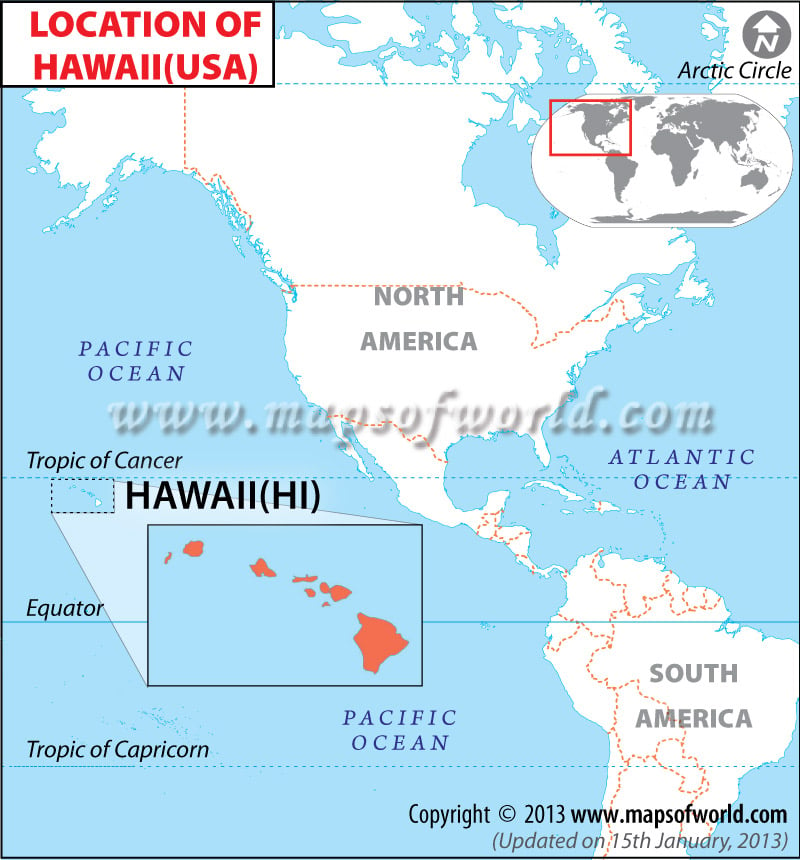
When we talk about geographic proximity, we’re measuring distance across the surface of the Earth. Hawaii is the only U.S. state located entirely in Oceania, a vast archipelago in the central Pacific Ocean. This unique geographical positioning sets it apart from the other 49 states.
The Continental Contenders
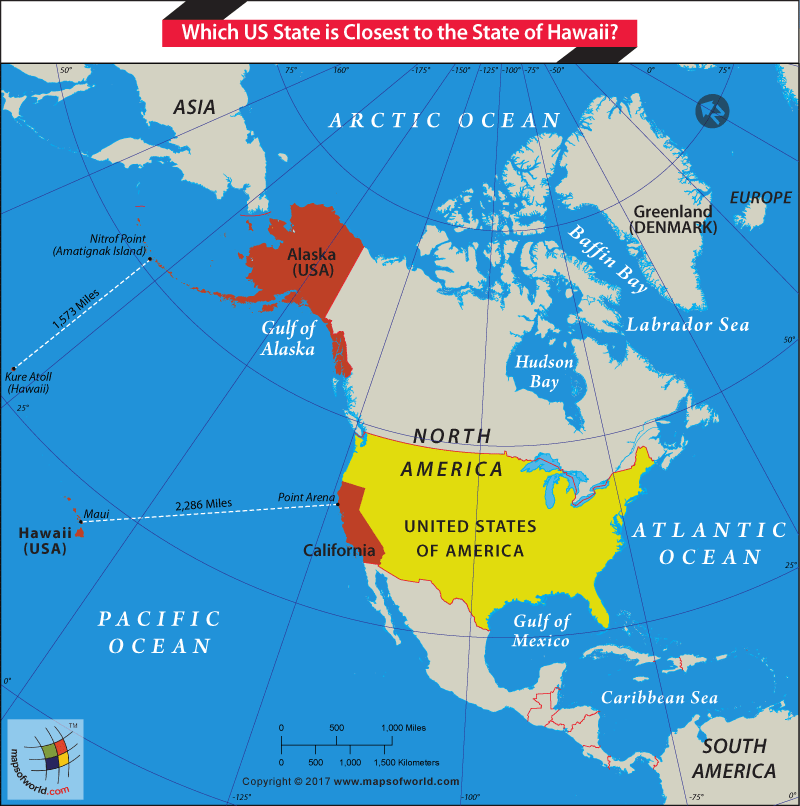
The closest landmass on the continental United States to Hawaii is the westernmost edge of California. However, the actual distance is significant. Honolulu, the capital of Hawaii, is approximately 2,393 miles (3,851 kilometers) from San Diego, California. This distance translates to a flight time of around 5 to 6 hours, depending on wind conditions and the specific aircraft.
Other western states like Oregon and Washington are even further away, with flight times typically exceeding 6 hours. This considerable distance means that for most travelers originating from the continental United States, the journey to Hawaii is a significant travel undertaking, often requiring an overnight flight.
The Closer Neighbor: Alaska
While California is the closest continental state, the true answer to “what state is closest to Hawaii?” often leads us to a surprising candidate: Alaska. Geographically, the westernmost Aleutian Islands of Alaska extend far into the Pacific Ocean, bringing them closer to Hawaii than any point in the contiguous United States.
The distance between the westernmost tip of the Aleutian Islands and the easternmost island of Hawaii is considerably less than the distance from California. While direct commercial flights between these specific points are rare, this proximity is significant for understanding oceanic geography and potential maritime routes. For travelers, however, flights from Alaska to Hawaii often involve a layover on the west coast of Canada or the United States, making the overall travel experience comparable to flying from California.
Implications for Travel and Tourism
The proximity of Hawaii to these states has several practical implications for travelers, influencing everything from booking flights to experiencing the local culture.
Flights and Connectivity
The most direct impact of geographical distance is on air travel. Flights from the west coast of the United States to Hawaii are generally more frequent and often more affordable than those from the Midwest or East Coast. Major hubs like Los Angeles International Airport (LAX) and San Francisco International Airport (SFO) in California serve as primary gateways to the islands.
The closer proximity of Alaska means that flights between Anchorage and Honolulu can sometimes be shorter than those from cities further east in the continental United States. However, the limited direct routes mean travelers from Alaska often face longer overall journey times due to layovers.
For those planning their trip, understanding these distances can help in choosing departure cities that offer the most convenient and cost-effective routes. Websites like Expedia or Booking.com can be invaluable tools for comparing flight options and prices from various origins.
Accommodation and Experiences
While the closest state geographically is Alaska, and the closest continental state is California, the unique island environment of Hawaii means that the closest experience to the mainland in terms of services and amenities might be found on islands with larger populations and more developed infrastructure.
Oahu, for instance, is the most populous island and home to Honolulu and the world-famous Waikiki beach. Here, you’ll find a wide array of hotels, from luxury resorts like the Halekulani Hotel to more budget-friendly apartments and villas. The island offers a bustling urban environment alongside natural wonders like Diamond Head. This island offers a level of commercial activity and accessibility that might feel more familiar to travelers from the mainland.
Other islands, like Maui, offer a different but equally captivating experience. Maui is renowned for its stunning beaches, the scenic Road to Hana, and the majestic Haleakala National Park. Accommodation options range from sprawling resorts in Kaanapali to charming boutique hotels and vacation rentals.
The “closest” experience in terms of the overall travel package – flights, accommodation variety, and accessible tourist activities – is often dictated by the destination island and its level of development, rather than strict geographical proximity to another state.
Cultural Considerations
Hawaii’s unique culture is a significant draw for visitors. While the influence of the United States is evident, the islands retain a distinct Polynesian heritage. This is reflected in the language, traditions, food, and Aloha Spirit.
Travelers arriving from California or other western states might find some cultural touchpoints that feel somewhat familiar due to shared American influences. However, the true essence of Hawaii lies in its indigenous roots, which are cultivated and celebrated across all the islands.
Exploring local food markets, attending a traditional luau, learning about the history of the Hawaiian monarchy at Iolani Palace on Oahu, or experiencing the vibrant arts scene offers deep dives into the local culture. These experiences are not necessarily dictated by proximity to any mainland state but by the rich tapestry of Hawaiian life itself.
Beyond the Closest State: Planning Your Hawaii Adventure
Ultimately, while knowing which state is geographically closest to Hawaii can be an interesting fact, it’s more important for travelers to consider the practicalities of reaching the islands and the types of experiences they seek.
Choosing Your Island Paradise
Each island in the Hawaiian archipelago offers a unique charm:
- Oahu: The “Gathering Place,” home to the capital Honolulu, vibrant Waikiki, historic sites like Pearl Harbor, and legendary surf spots like the North Shore. It’s ideal for those seeking a blend of city life, historical exploration, and beach relaxation.
- Maui: The “Valley Isle,” celebrated for its stunning beaches, the dramatic drive along the Road to Hana, the sunrise at Haleakala, and excellent opportunities for whale watching during the winter months. It’s perfect for a romantic getaway or a family vacation with a focus on natural beauty and adventure.
- Kauai: The “Garden Isle,” known for its lush rainforests, dramatic cliffs of the Na Pali Coast, and picturesque Waimea Canyon. It’s a haven for nature lovers and those seeking a more laid-back, adventurous experience.
- Island of Hawaii (Big Island): The youngest and largest island, offering incredible diversity from the active volcanoes of Hawaii Volcanoes National Park to black sand beaches and snow-capped mountains. It’s for the explorer who wants to witness raw geological power and diverse landscapes.
- Lanai: Once known as the “Pineapple Isle,” now offers secluded luxury resorts and a quieter, more exclusive escape.
- Molokai: The “Friendly Isle,” where you can experience traditional Hawaiian life and learn about the rich cultural heritage with fewer tourist crowds.
Booking Your Stay
Regardless of which island you choose, securing the right accommodation is key to a memorable trip. Options range from luxurious beachfront resorts with world-class amenities like the Four Seasons Resort Maui at Wailea, to charming bed and breakfasts, private villas, and family-friendly apartments. Websites specializing in accommodation comparison and reviews can help you find the perfect spot that fits your budget and travel style, whether you’re looking for a lavish experience or a more budget-conscious stay.
Embracing the Lifestyle of Aloha
More than just a destination, Hawaii offers a unique lifestyle. The spirit of Aloha – encompassing love, peace, compassion, and respect – permeates the islands. Embracing this spirit means slowing down, appreciating the natural beauty, and connecting with the local community. Whether you’re enjoying a sunset stroll on a Maui beach, hiking through a lava field on the Big Island, or learning to surf in Waikiki, taking the time to immerse yourself in the local way of life will undoubtedly enhance your experience.
So, while the question of “What state is closest to Hawaii?” points us towards the geographical proximity of Alaska and the western edge of the continental United States, the true answer for any traveler lies in the journey itself and the incredible experiences awaiting you across the beautiful islands of Hawaii.
LifeOutOfTheBox is a participant in the Amazon Services LLC Associates Program, an affiliate advertising program designed to provide a means for sites to earn advertising fees by advertising and linking to Amazon.com. Amazon, the Amazon logo, AmazonSupply, and the AmazonSupply logo are trademarks of Amazon.com, Inc. or its affiliates. As an Amazon Associate we earn affiliate commissions from qualifying purchases.