
California, often heralded as the Golden State for its unparalleled natural beauty, vibrant culture, and innovative economy, also holds the distinction of having one of the most complex and highest income tax systems in the United States. For residents, potential new arrivals, and even long-term visitors who generate income within its borders, understanding the intricacies of California‘s income tax is not just a fiscal necessity but a crucial component of financial planning. Whether you’re considering a luxurious lifestyle in Beverly Hills, an extended stay in a San Francisco apartment, or managing income from a vacation rental in Napa Valley, the state’s tax policies will inevitably influence your budget and financial decisions. This article delves into the core aspects of California’s income tax, helping you navigate its progressive structure, identify key deductions and credits, and grasp the implications for various financial scenarios, including those related to travel, accommodation, and lifestyle choices within this iconic state.
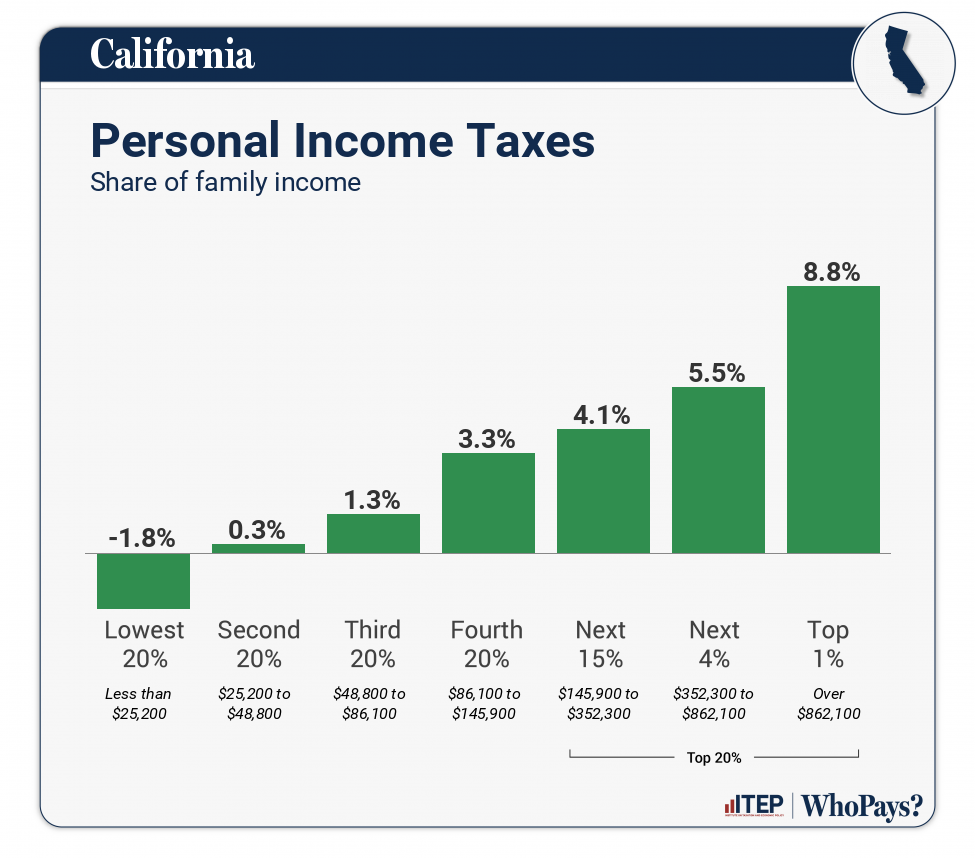
Understanding California’s Progressive Income Tax System
At the heart of California’s tax framework is a deeply progressive income tax system. This means that as an individual’s taxable income increases, so does the percentage of that income they pay in state taxes. Unlike some states with flat tax rates, [California](https://lifeoutofthe state.com/california) employs numerous tax brackets, leading to a significant difference in tax burden between lower and higher earners. This system is designed to distribute the tax load based on the ability to pay, but it also results in the highest marginal tax rates in the nation for top earners.
For many contemplating a move to California or an extended stay for work, the progressive tax structure is a primary concern. High-income professionals drawn to Silicon Valley‘s tech industry or Hollywood’s entertainment sector often face a substantial portion of their earnings being allocated to state taxes. This has a direct impact on disposable income, influencing choices regarding luxury travel experiences, investment in premium accommodations, or even the feasibility of prolonged leisure trips throughout the state.
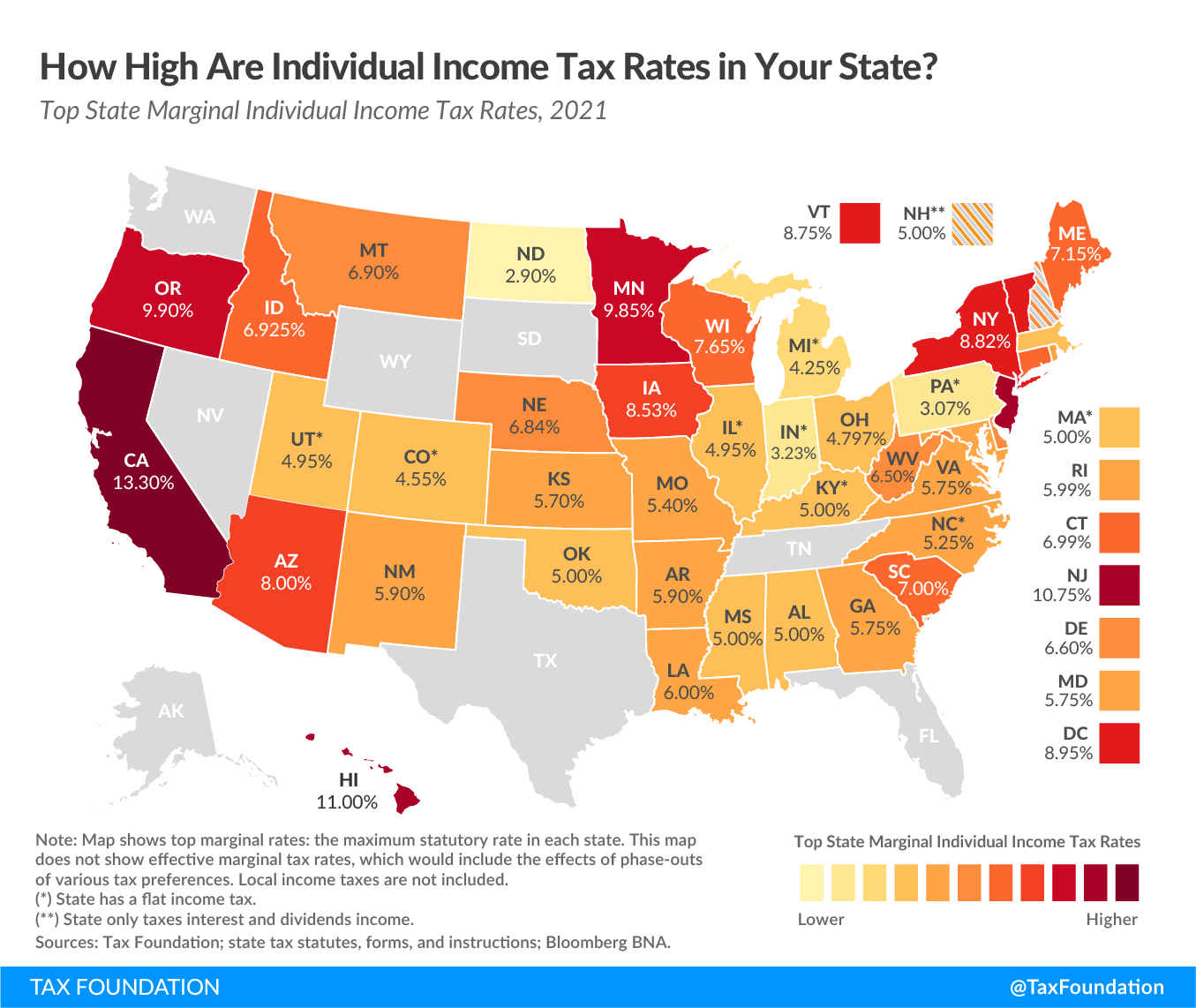
The tax brackets and rates are adjusted annually for inflation by the Franchise Tax Board (FTB), California’s state tax agency. For the most current year, these rates can range from as low as 1% for the lowest taxable income tiers, climbing incrementally to a staggering 13.3% for the highest earners. This top rate, which includes a 1% surcharge on incomes over $1 million to fund mental health services, makes California a unique landscape for financial planning. For individuals and families planning extensive travel or a long-term stay, understanding exactly where their income falls within these brackets is the first step in effective budgeting. The implications of these rates extend beyond just residents, touching part-year residents and non-residents who derive income from California sources, whether from a temporary work assignment in Los Angeles or rental income from a beachfront property in Malibu.
Who Pays California Income Tax? Defining Residency
The question of “who pays” state income tax in California hinges significantly on residency status, a concept that can be surprisingly complex, especially for individuals with mobile lifestyles. The Franchise Tax Board defines three main categories of taxpayers:
- Full-Year Residents: These are individuals who live in California for the entire tax year. This typically means their domicile (the place they intend to return to) is California. Full-year residents are taxed on all their income, regardless of where it was earned. For someone enjoying a permanent luxury abode in Laguna Beach, all worldwide income is subject to California tax.
- Part-Year Residents: This category applies to individuals who move into or out of California during the tax year. They are taxed on income earned while they were a California resident, plus any California-source income earned while they were a non-resident. This is particularly relevant for digital nomads or those who frequently relocate for work or leisure, perhaps splitting their time between California and states like Arizona or Nevada.
- Non-Residents: Individuals who are not residents of California but earn income from California sources. This includes income from property located in California, business conducted within the state, or wages for work performed in California. For example, a business traveler from New York on assignment in San Jose or an out-of-state owner of a rental villa in Palm Springs would fall into this category. Even winning big at a California casino like Pechanga Resort Casino could create California-source income.
Determining residency is crucial as it dictates the scope of your tax liability. The Franchise Tax Board considers various factors, including the amount of time spent in California, the location of your permanent home, your family, bank accounts, and professional ties. For those who frequently travel or maintain residences in multiple states, careful documentation and, often, professional tax advice are essential to avoid unintended tax consequences.
Key Deductions, Credits, and Exemptions
While California’s high tax rates can seem daunting, the state also offers various deductions, credits, and exemptions that can significantly reduce an individual’s taxable income and overall tax liability. Understanding and utilizing these provisions is critical for maximizing your financial well-being, whether you’re a long-term resident or just passing through. These benefits can free up more funds for exploring California’s diverse attractions, from the majestic Yosemite National Park to the bustling piers of Santa Monica.
Reducing Your Taxable Income: Deductions and Exemptions
Deductions reduce your taxable income, meaning you pay tax on a smaller amount. California allows taxpayers to choose between a standard deduction or itemized deductions, similar to federal tax rules, though the amounts and rules differ.
- Standard Deduction: This is a fixed dollar amount that all taxpayers can claim if they do not itemize. The amount is adjusted annually for inflation and varies based on filing status (e.g., single, married filing jointly). For budget-conscious travelers or individuals with simpler financial situations, the standard deduction is often the easiest and most beneficial option.
- Itemized Deductions: For those with significant deductible expenses, itemizing can result in a larger deduction than the standard amount. Common itemized deductions in California include:
- State and Local Taxes (SALT): While federal rules limit the SALT deduction to $10,000, California generally allows a full deduction for state income taxes and property taxes paid. This is particularly important for homeowners in areas with high property values, such as San Diego or Orange County, or those with substantial state income tax liabilities.
- Mortgage Interest: Interest paid on home mortgages can be deductible, offering a significant benefit to homeowners.
- Charitable Contributions: Donations to qualified charities can be deducted, encouraging philanthropy across the state.
- Medical Expenses: Unreimbursed medical and dental expenses exceeding a certain percentage of adjusted gross income can be deducted.
Personal and Dependent Exemptions also play a role. These are fixed amounts that you can subtract from your taxable income for yourself, your spouse, and each dependent. While these are not as substantial as deductions, they add to the overall reduction of your tax burden. For families planning extensive trips, such as a visit to Disneyland or Universal Studios Hollywood, these exemptions help free up funds for family-friendly experiences.
Boosting Your Savings: Tax Credits
Tax credits are particularly valuable because they directly reduce the amount of tax you owe, dollar for dollar, rather than just reducing your taxable income. California offers several significant credits:
- California Earned Income Tax Credit (CalEITC): This credit is designed to benefit low-to-moderate income working individuals and families. It can be a substantial boost, potentially reducing tax liability to zero or even resulting in a refund. For those living on a tight budget or considering seasonal work in California’s tourism industry, CalEITC can be a crucial support system.
- Young Child Tax Credit (YCTC): Available to eligible taxpayers who also qualify for CalEITC and have a child under the age of six. This credit further supports families with young children, easing the financial strain of raising a family in an expensive state.
- Renter’s Credit: This is a nonrefundable credit available to eligible renters who meet certain income requirements. It’s particularly relevant for those on long-term stays in rented apartments, villas, or other accommodations in cities like Long Beach or Oakland. While the amount might seem modest, it’s a direct reduction in tax, acknowledging the housing costs faced by renters.
- Child and Dependent Care Credit: Similar to the federal credit, this helps offset expenses for childcare for children under 13 or for disabled dependents, enabling parents to work or study.
- Other Credits: California also offers various other specific credits for things like college access, adoption costs, and even for those who donate to certain educational funds.
Effectively leveraging these deductions, credits, and exemptions requires careful record-keeping and a good understanding of the current tax laws. For visitors or newcomers, consulting with a California tax professional can ensure you’re taking advantage of all available opportunities, helping you stretch your budget further for unforgettable experiences, from wine tasting in Sonoma to exploring the majestic redwood forests of Big Sur.
Beyond State Income Tax: Other California Taxes to Consider
While state income tax is a primary financial consideration, it’s essential to remember that California has a comprehensive tax structure that includes several other types of taxes impacting residents, visitors, and businesses. For anyone planning travel, long-term accommodation, or lifestyle investments in the Golden State, understanding these additional taxes is crucial for accurate budgeting and financial foresight. These taxes can influence everything from the cost of a souvenir in Anaheim to the overall expense of a luxury resort stay in Santa Barbara.
Sales Tax: Impact on Consumer Spending
California has one of the highest statewide sales tax rates in the United States. The base statewide sales tax applies to the retail sale of tangible goods. However, most cities and counties impose additional local sales taxes, leading to combined rates that can vary significantly across the state. For instance, while the statewide rate is substantial, the combined rate in cities like Sacramento, Los Angeles, or San Francisco can be considerably higher.
For tourists, this means that almost every purchase, from dining out in Napa Valley to buying clothing in Beverly Hills, or even souvenirs at Pier 39 in San Francisco, will incur this additional cost. It’s an important factor to include in your travel budget, especially if you plan on significant shopping or indulging in local artisan goods. Businesses operating in the tourism sector, such as shops and restaurants, must collect and remit these taxes, which are ultimately borne by the consumer.
Property Tax: A Consideration for Homeowners and Investors
Property taxes in California are governed by Proposition 13, a landmark initiative passed in 1978. This proposition generally limits the annual increase in assessed property value to no more than 2% per year, unless there is a change in ownership. When a property is sold, it is reassessed to its current market value. The tax rate itself is generally limited to 1% of the assessed value, plus any approved local bond measures or special assessments.
For those considering long-term accommodation options, such as purchasing a vacation home near Lake Tahoe or investing in rental properties in San Diego, understanding California’s property tax system is paramount. While Proposition 13 offers some stability in property tax increases for existing owners, new buyers can face substantial property tax bills, reflecting the high market values in many desirable California locations. These taxes contribute to the overall cost of living and owning property, influencing decisions on where to buy and how to budget for long-term stays.
Local Transient Occupancy Taxes (TOT): The Hotel Tax
When booking a hotel, resort, apartment, or villa in California, tourists and temporary residents will encounter the Transient Occupancy Tax (TOT), often referred to as a “hotel tax” or “bed tax.” This is a local tax levied by cities and counties on the rent charged for hotel rooms, motel rooms, and other short-term accommodations (typically for stays of 30 days or less).
The TOT rate varies significantly by location. Major tourist destinations like Los Angeles, San Francisco, San Diego, Anaheim (home to Disneyland), and Monterey often have higher TOT rates, which can add a considerable percentage to the nightly rate of your accommodation. For instance, a luxurious suite at a Grand Hyatt Hotel in San Francisco will incur a significant TOT charge, potentially increasing your total bill by 10-15% or more.
This tax is a critical revenue source for local governments, funding public services, infrastructure, and tourism promotion efforts. For travelers, it’s an unavoidable part of the cost of accommodation and should be factored into any travel budget. While usually listed separately on your booking confirmation or hotel bill, it’s an often-overlooked expense that can impact the total cost of your stay, especially for longer trips or stays in high-end properties.
Understanding these additional taxes—sales tax, property tax, and Transient Occupancy Tax—provides a more complete picture of the financial landscape in California. For both short-term visitors exploring California’s iconic landmarks and those considering a lifestyle change involving a move to the Golden State, accounting for these varied tax obligations is essential for sound financial planning.
Navigating California’s Tax Landscape for Tourists and Newcomers
California’s allure is undeniable, drawing millions each year for its stunning destinations, world-class attractions, and diverse lifestyle opportunities. However, the state’s intricate tax system, particularly its income tax, requires careful consideration and strategic planning, especially for newcomers, long-term visitors, and those contemplating a significant lifestyle change. While the tax burden can be substantial, the unique experiences, career opportunities, and vibrant culture often justify the investment for many.
For individuals considering a move to California, whether for career advancement in Silicon Valley, the vibrant arts scene of Los Angeles, or the serene beauty of the Central Coast, financial planning is paramount. The higher cost of living, coupled with significant state and local taxes, means that what might be a comfortable salary elsewhere could feel stretched thin in California. Prospective residents should thoroughly research typical living expenses, including housing, utilities, and transportation, in their target areas, whether it’s the bustling metropolis of San Francisco or the more relaxed pace of San Luis Obispo. Budgeting for the effective tax rate on their expected income, rather than just the marginal rate, will provide a more realistic picture of their disposable income for travel, luxury accommodations, and other lifestyle pursuits.
Resources like the Franchise Tax Board website offer comprehensive guides and forms for residents and non-residents alike. However, due to the complexity of residency rules, California-source income definitions, and the interplay of state and federal tax laws, professional tax assistance is often invaluable. Engaging a qualified tax professional specializing in California tax law can help ensure compliance, identify all eligible deductions and credits, and provide tailored advice for unique situations, such as managing income from remote work while traveling between states, or navigating taxes on short-term rental income from a property in Tahoe. This expertise can prevent costly errors and optimize your financial position, allowing you to allocate more resources to exploring California’s breathtaking landmarks, from the Golden Gate Bridge to Death Valley National Park and Joshua Tree National Park.
Despite the higher tax rates and cost of living, millions continue to choose California for its unparalleled quality of life and opportunities. The state offers an incredible array of experiences, from world-class dining and entertainment to pristine beaches and majestic mountains. For many, the lifestyle afforded by California—whether it’s pursuing a dream career, enjoying family trips to vibrant cities, or savoring the freedom of a luxurious retirement—outweighs the tax implications. The vibrant tourism industry thrives on these attractions, with countless hotels, resorts, and unique accommodations catering to every taste and budget, from boutique hotels in Carmel-by-the-Sea to sprawling villas on Catalina Island. Understanding and properly planning for California’s income tax is not merely about minimizing your tax bill; it’s about making informed choices that enable you to fully embrace and enjoy all that the Golden State has to offer, turning potential fiscal challenges into manageable aspects of an enriching California experience.
In conclusion, California’s income tax system is a multifaceted financial component that impacts a broad spectrum of individuals. From its progressive rates to its unique residency rules and a comprehensive array of deductions and credits, navigating this landscape requires diligence and, often, expert guidance. For those captivated by California’s promise of adventure, luxury, and lifestyle, a clear understanding of these tax obligations is the cornerstone of sustainable enjoyment and financial stability within this iconic and diverse state.
LifeOutOfTheBox is a participant in the Amazon Services LLC Associates Program, an affiliate advertising program designed to provide a means for sites to earn advertising fees by advertising and linking to Amazon.com. Amazon, the Amazon logo, AmazonSupply, and the AmazonSupply logo are trademarks of Amazon.com, Inc. or its affiliates. As an Amazon Associate we earn affiliate commissions from qualifying purchases.