
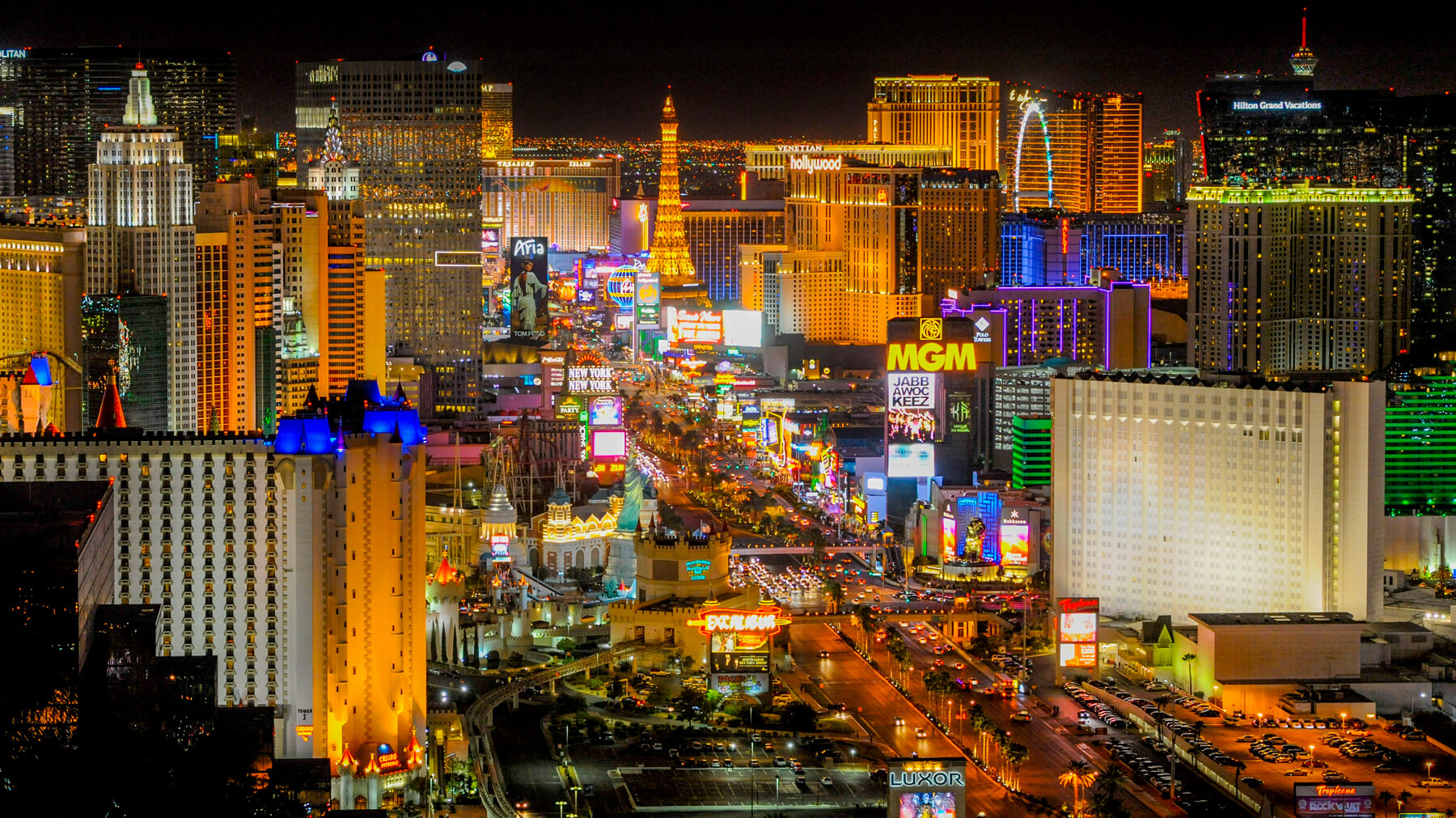
The iconic Las Vegas Strip is a globally recognized stretch of road synonymous with entertainment, luxury, and the vibrant spirit of Las Vegas. While colloquially referred to as a “street,” its geographical and jurisdictional identity is more nuanced. Understanding what street constitutes the Las Vegas Strip requires a look beyond a single designation and into the unique urban planning and development that has shaped this famous avenue.
The Geographical Heart of the Entertainment District
At its core, the Las Vegas Strip is not a singular street with one official name. Instead, it is primarily comprised of a 4.2-mile (6.8 km) section of South Las Vegas Boulevard. This major arterial road runs south from Sahara Avenue towards Russell Road, forming the backbone of the world-renowned entertainment district. However, the term “Strip” often encompasses not just the buildings directly fronting South Las Vegas Boulevard, but also adjacent properties that are intrinsically linked to the area’s identity and function as a destination.

Defining the Boundaries
The exact boundaries of the “Strip” are a subject of common discussion, often extending slightly beyond the strict 4.2 miles of South Las Vegas Boulevard.
- Northern Extent: The northernmost point is generally considered to be near the intersection of Sahara Avenue. Resorts like Stratosphere mark this edge.
- Southern Extent: The southern boundary typically extends to near Russell Road. Properties such as Mandalay Bay Resort and Casino and the MGM Grand are located within this southern stretch.
- Lateral Inclusions: Importantly, the “Strip” also often includes resorts and attractions situated on parallel or nearby streets that are physically connected or integrated into the larger resort complexes. For example, properties accessed via side streets or internal walkways are frequently considered part of the Strip experience. This fluid definition acknowledges the interconnected nature of the resorts and their integrated entertainment offerings.
The majority of the famous casinos, hotels, and attractions are located within the unincorporated townships of Paradise and Winchester in Clark County, Nevada, rather than within the city limits of Las Vegas itself. This distinction highlights the unique development pattern of the region, driven by a desire for less restrictive zoning and taxation policies in the early days of its growth.
The Evolution of a Name and an Icon
The term “Strip” itself carries historical weight, originating in the early days of Las Vegas as a gambling and entertainment hub. Its name is said to have been coined by Billy Wilkerson, a mobster and entrepreneur who established the first luxurious hotel-casino, the Flamingo Hotel, on this stretch in 1946. He reportedly named it after a dancer whose long legs reminded him of a flamingo. The name stuck, evolving from a descriptive moniker for the burgeoning nightclub and casino district into the globally recognized brand it is today.
Early Development and Expansion
The initial development of the Strip was centered around what is now South Las Vegas Boulevard. Early establishments like the El Rancho Vegas and the Thunderbird Hotel laid the groundwork for the resort-style tourism that would define the area. As the decades progressed, so did the scale and ambition of the developments. Properties grew larger, incorporating more elaborate themes, vast casino floors, world-class dining, and spectacular entertainment venues.
The Influence of Adjacent Roads
While South Las Vegas Boulevard is the primary street, the “Strip” experience often extends to properties accessible from or visually connected to this main thoroughfare. This includes resorts located on portions of streets like Koval Lane, which runs parallel and east of the Strip, and properties that might have their main entrance off a side street but are an integral part of the mega-resort complexes. The interconnectedness is a hallmark of the modern Strip, where pathways, tram systems, and even elevated walkways link disparate properties, blurring the lines of distinct street boundaries.

Beyond the Pavement: The Strip as an Experiential Zone
The “street” that is the Las Vegas Strip is more than just asphalt and concrete; it is a conceptual destination, an experience zone where elaborate themed resorts, dazzling light displays, and a constant hum of activity create an unparalleled atmosphere. The very essence of the Strip lies in the congregation of these massive entertainment complexes, each striving to offer a unique and immersive world for visitors.
Architectural Marvels and Thematic Design
From the ancient Egyptian pyramids of the Luxor Hotel and Casino to the Parisian charm of the Eiffel Tower at the Paris Las Vegas hotel, and the Venetian canals of the The Venetian Resort, the architecture of the Strip is a testament to imaginative design. These structures are not merely buildings; they are immersive environments that transport guests to different worlds, contributing to the overall spectacle that defines the “street.”
The Pedestrian Experience
While vehicles traverse South Las Vegas Boulevard, a significant portion of the Strip’s allure is experienced on foot. Elevated walkways, sky bridges, and meticulously landscaped sidewalks allow visitors to explore the vast resorts, enjoy street performers, and take in the vibrant neon glow. The pedestrian experience is a critical component of the Strip’s identity, transforming the act of walking from one hotel to another into an integral part of the journey.
The Economic Engine
The Las Vegas Strip is a powerful economic engine, not just for Nevada but for the global tourism industry. It draws millions of visitors annually, generating substantial revenue through gaming, hospitality, entertainment, and retail. The success and continuous development of the resorts situated along this corridor are a direct reflection of its status as a premier global destination.
Navigating the Las Vegas Strip
For visitors, understanding that the Las Vegas Strip is primarily South Las Vegas Boulevard, but also includes the surrounding complex of interconnected resorts, is key to navigating and experiencing its offerings. Whether arriving by car, taxi, rideshare, or the Las Vegas Monorail, planning your route with consideration for pedestrian access and the expansive nature of the resorts will enhance your visit.
Transportation Options
- Driving and Parking: While South Las Vegas Boulevard is a major road, traffic can be heavy. Many resorts offer expansive parking garages, though fees may apply.
- Rideshare and Taxis: Conveniently available, these are excellent options for direct transport between resorts or to and from the airport. Designated pick-up and drop-off zones are common at each property.
- Las Vegas Monorail: This elevated train runs along the eastern side of the Strip, offering a convenient way to travel between many of the major hotels without navigating street traffic. Stations are strategically located at key resorts.
- Walking: For those wishing to immerse themselves in the atmosphere, walking is a viable option, particularly for shorter distances between adjacent or connected properties. Be prepared for the desert heat, especially during warmer months.
- Trams and Shuttles: Many large resorts offer internal trams or shuttles to connect different parts of their property or adjacent sister properties.
Planning Your Visit
When referring to the “street” that is the Las Vegas Strip, it’s best to think of it as the central artery of an expansive entertainment district. Most guides, maps, and travel plans will orient you around South Las Vegas Boulevard, but keep in mind the interconnectedness and the significant presence of adjacent properties that contribute to the iconic identity of this unparalleled destination. The Strip is a destination unto itself, defined by its extraordinary concentration of world-class resorts and attractions, all converging along this legendary stretch of road.
LifeOutOfTheBox is a participant in the Amazon Services LLC Associates Program, an affiliate advertising program designed to provide a means for sites to earn advertising fees by advertising and linking to Amazon.com. Amazon, the Amazon logo, AmazonSupply, and the AmazonSupply logo are trademarks of Amazon.com, Inc. or its affiliates. As an Amazon Associate we earn affiliate commissions from qualifying purchases.