
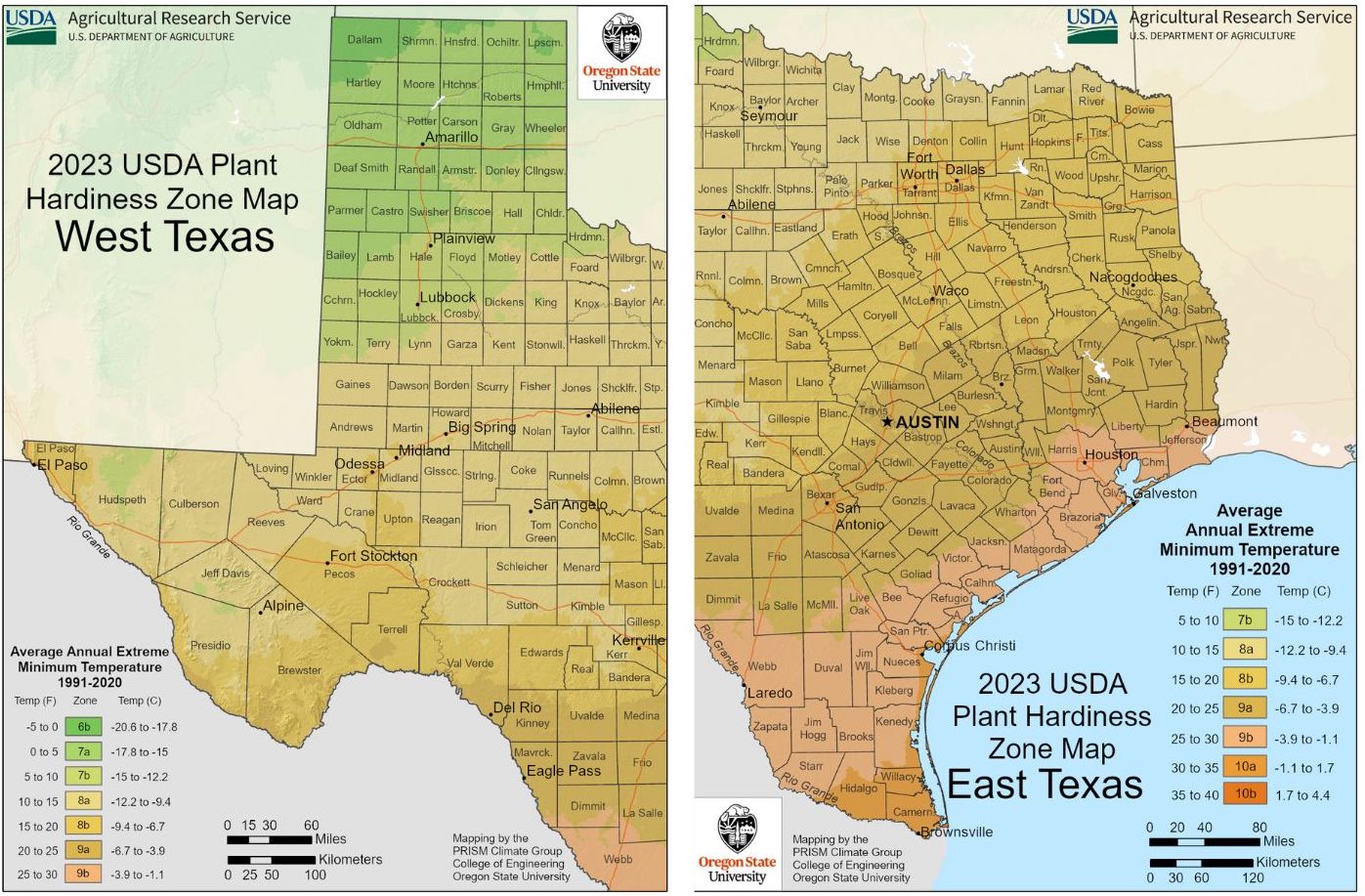
Texas, a state renowned for its vast landscapes and diverse climates, presents a unique challenge and opportunity for gardeners and agricultural enthusiasts. Understanding the planting zones is fundamental to successful cultivation, ensuring that chosen plants will thrive under the prevailing weather conditions. These zones, primarily determined by the USDA Plant Hardiness Zone Map, are based on the average annual minimum winter temperature, providing a crucial guideline for selecting the right plants for a specific region. However, within Texas, a single zone designation does not encompass the entirety of its sprawling territory. Instead, the state is bisected by multiple hardiness zones, necessitating a localized approach to gardening.
Understanding Texas’s Diverse Planting Zones
The USDA’s Plant Hardiness Zone Map is a standardized system that divides North America into 11 distinct zones, each representing a 10°F difference in average annual minimum winter temperature. Zone 1 experiences the coldest winters, while Zone 11 boasts the mildest. For Texas, this translates to a range from the cooler, more temperate north to the subtropical, warmer south. This variation is not merely an academic detail; it directly influences what can be grown successfully, from delicate annuals and robust perennials to fruit trees and vegetables.
The North Texas Divide: Zones 7 and 8
Northern Texas, including metropolitan areas like Dallas and Fort Worth, primarily falls within Zone 7 and Zone 8.
Zone 7: A Blend of Cold and Mild
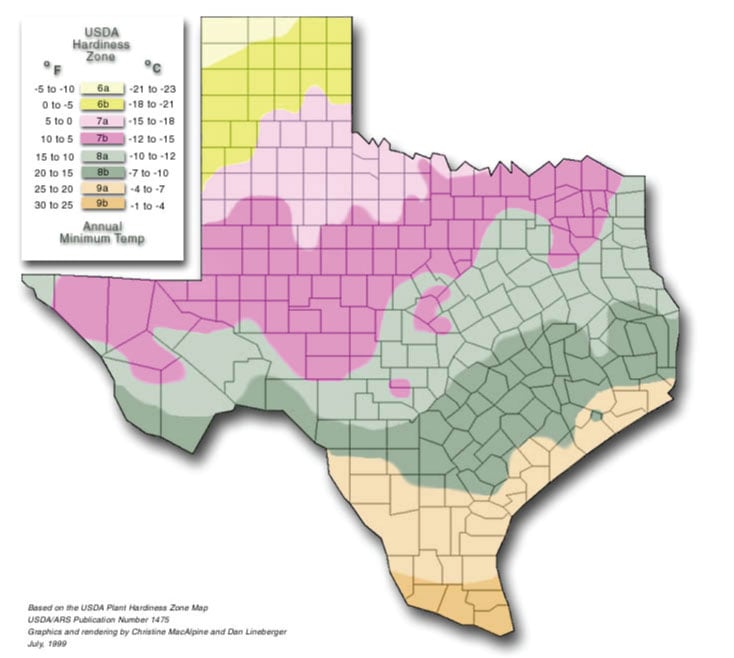
Zone 7 is characterized by average annual minimum winter temperatures ranging from 0°F to 10°F. This zone experiences a distinct winter chill, which is beneficial for many temperate climate plants that require a period of dormancy to flourish. Gardeners in Zone 7 can cultivate a wide array of vegetables like broccoli, cabbage, and root vegetables, as well as fruit trees such as apples and pears, which depend on sufficient chilling hours. However, the relatively cold winters mean that tender perennials and tropical plants may struggle without protection. Hardy perennials like hostas, daylilies, and certain roses are excellent choices for Zone 7 gardens. The key is to select varieties known to withstand these colder temperatures.
Zone 8: Transitioning Southward
As one moves slightly further south within North Texas or into the central parts of the state, Zone 8 becomes more prevalent. Here, average annual minimum winter temperatures range from 10°F to 20°F. This slight increase in minimum temperature offers a bit more leeway for plant selection. While still experiencing a definite winter, Zone 8 offers a longer growing season and a greater capacity for a broader range of plants. Many plants that might be marginal in Zone 7 can thrive here. Citrus trees, while not as common as in South Texas, can sometimes be grown with winter protection. This zone is ideal for robust vegetable gardening and a diverse selection of flowering plants.
Central Texas: A Melting Pot of Zones
Central Texas, encompassing cities like Austin and San Antonio, is a dynamic region where planting zones can shift. It often sits on the cusp between Zone 8 and Zone 9.
Zone 8 in Central Texas: Extended Growing Seasons
In the northern reaches of Central Texas, Zone 8 conditions continue, offering extended growing seasons compared to North Texas. This allows for earlier spring planting and later fall harvests. The mild winters are still sufficient for many plants that require dormancy, but the risk of severe, prolonged freezes is reduced. This makes it a prime location for growing a wide variety of flowers, herbs, and vegetables.
Zone 9: Embracing Subtropical Influences
Moving south within Central Texas, and particularly as one approaches the Gulf Coast, Zone 9 becomes dominant. The average annual minimum winter temperatures in Zone 9 range from 20°F to 30°F. This warmer climate significantly expands the possibilities for gardeners. Tender perennials that would not survive a Zone 7 winter can thrive year-round. This includes many varieties of bougainvillea, hibiscus, and certain types of palms. Fruit production becomes more diverse, with options for figs, peaches, and even some varieties of citrus. The extended frost-free period means that multiple successions of many vegetable crops can be planted throughout the year.
South Texas and the Gulf Coast: Zone 9 and Beyond
The southern tip of Texas and the immediate Gulf Coast region are firmly planted in the warmer zones, predominantly Zone 9 and extending into Zone 10.
Zone 9 on the Coast: Mild Winters and Abundant Growth
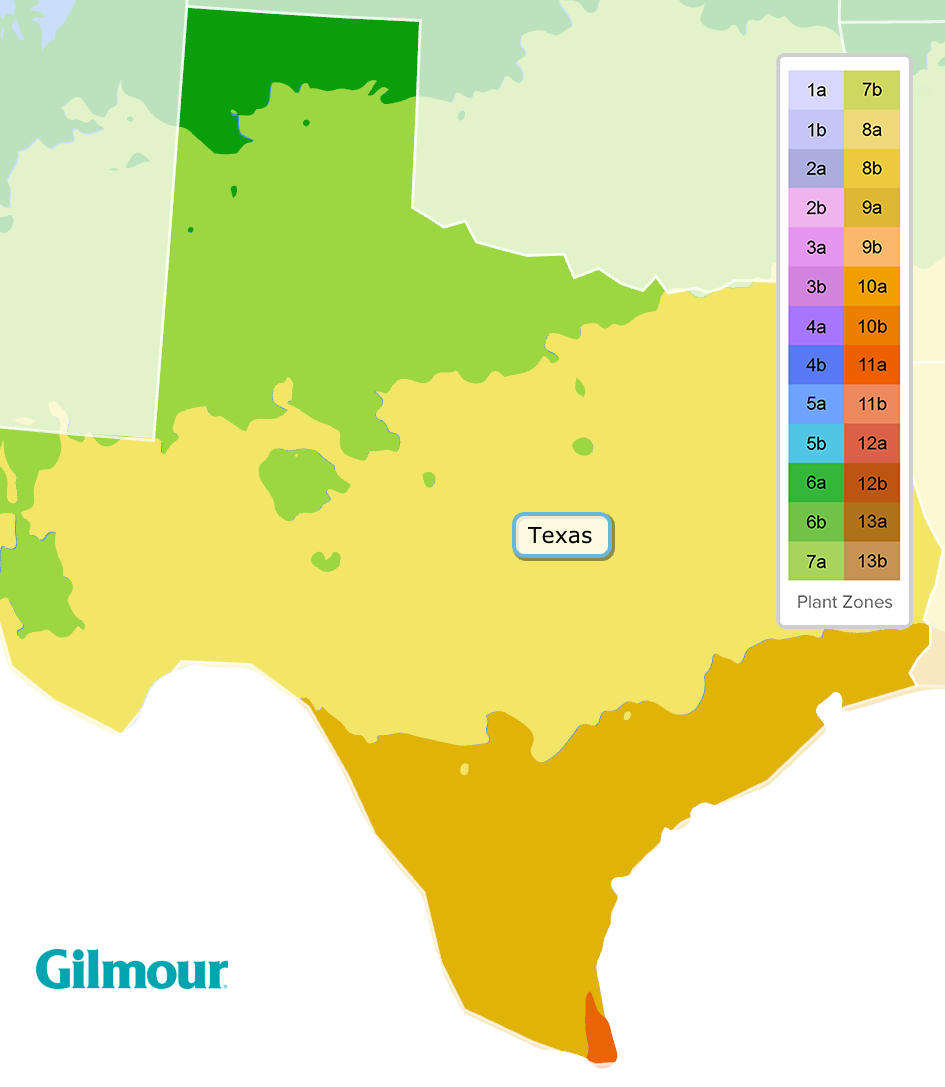
Along the Gulf Coast, Zone 9 offers a consistently mild winter climate. Freezes are infrequent and usually short-lived, allowing for a truly subtropical gardening experience. This region is ideal for growing a vast array of ornamental plants, including numerous tropical species. Citrus groves, from oranges and grapefruit to more exotic varieties, are a hallmark of this area. The long, warm growing season supports continuous production of many vegetables and herbs.
Zone 10: The Subtropical Frontier
The southernmost parts of Texas, including the Rio Grande Valley, often fall into Zone 10. This zone has average annual minimum winter temperatures ranging from 30°F to 40°F, meaning that frost is rare and brief. This is the most subtropical climate in the state, allowing for the cultivation of a wide range of tropical fruits and plants that are impossible to grow elsewhere in Texas. Pineapples, mangoes, papayas, and a more extensive selection of citrus can be successfully grown here. The growing season is virtually year-round for many plants.
Beyond the Hardiness Zone Map: Microclimates and Local Conditions
While the USDA Plant Hardiness Zone Map is an indispensable tool, it is crucial to acknowledge that microclimates and specific local conditions within Texas can significantly influence planting success.
Microclimates: The Nuances of Your Backyard
A microclimate refers to the specific climate of a small, localized area. Within a single city or even a single property, variations in elevation, proximity to water, urban heat islands, and the presence of structures can create pockets that are warmer or colder than the surrounding general zone. For instance, a garden situated on a south-facing slope might receive more sun and be warmer, allowing for slightly earlier planting or the survival of marginally tender plants. Conversely, a low-lying area prone to frost pockets might require choosing hardier varieties or implementing protective measures during colder spells.
Soil Type and Drainage: Essential Partners to Climate
Beyond temperature, soil type and drainage play a critical role in plant survival and growth. Texas soils vary dramatically across the state, from the heavy clays of East Texas to the sandy loams of the Panhandle and the alkaline soils of the West. Understanding your soil’s composition, pH, and drainage capabilities is as vital as knowing your planting zone. Plants adapted to well-drained soil will struggle in waterlogged conditions, regardless of the temperature. Conversely, some plants thrive in moist environments. Amending soil with compost and other organic matter can improve drainage and fertility, creating a more hospitable environment for a wider range of plants.
Rainfall Patterns and Irrigation Needs
Texas experiences a wide spectrum of rainfall patterns, from the relatively wetter regions in the east to the arid climate of West Texas. The average annual rainfall can differ by dozens of inches across the state. This variability directly impacts irrigation needs. Gardens in drier regions will require consistent watering, while those in wetter areas may need to focus on drainage to prevent root rot. Being aware of historical rainfall patterns and understanding your specific area’s water needs is paramount for successful gardening.
Practical Applications for Texas Gardeners
Armed with the knowledge of Texas’s planting zones and the understanding of microclimates, gardeners can make informed decisions that lead to thriving landscapes and bountiful harvests.
Selecting the Right Plants
The most direct application of understanding planting zones is in plant selection. When visiting a nursery or browsing seed catalogs, look for plants specifically recommended for your USDA hardiness zone and, ideally, your Texas region. For example, if you are in Houston (Zone 9), you have a much wider selection of heat-loving and somewhat cold-sensitive plants than someone in Amarillo (Zone 7). Consider native plants, as they are naturally adapted to the local climate and soil conditions and often require less maintenance.
Timing Your Planting Activities
Knowing your zone also dictates the optimal timing for planting. In cooler zones like 7 and 8, spring planting of warm-season crops must be delayed until the danger of the last frost has passed. Conversely, fall planting of cool-season crops can begin earlier. In warmer zones 9 and 10, the planting window for many vegetables extends significantly, allowing for multiple crops throughout the year and the cultivation of plants that require long, warm growing periods. Observing local weather patterns and consulting with local extension offices can provide the most precise planting calendars.
Utilizing Protective Measures
Even in warmer zones, occasional severe weather events can occur. Understanding your zone’s potential for frost or freezes will help you prepare. Gardeners in zones 7 and 8 should have frost cloths or blankets readily available for tender plants during unpredictable cold snaps. In zone 9, while less common, protection might still be necessary for particularly sensitive species. This proactive approach ensures that your gardening efforts are not undone by an unexpected dip in temperature.
By delving into the specific planting zones of Texas and considering the nuanced factors that influence plant life, gardeners can cultivate a deeper connection with the land and achieve greater success in their horticultural endeavors. Whether you’re aiming for a vibrant flower garden, a productive vegetable patch, or a bountiful fruit orchard, understanding your place within the Texas climate is the first and most crucial step.
LifeOutOfTheBox is a participant in the Amazon Services LLC Associates Program, an affiliate advertising program designed to provide a means for sites to earn advertising fees by advertising and linking to Amazon.com. Amazon, the Amazon logo, AmazonSupply, and the AmazonSupply logo are trademarks of Amazon.com, Inc. or its affiliates. As an Amazon Associate we earn affiliate commissions from qualifying purchases.