
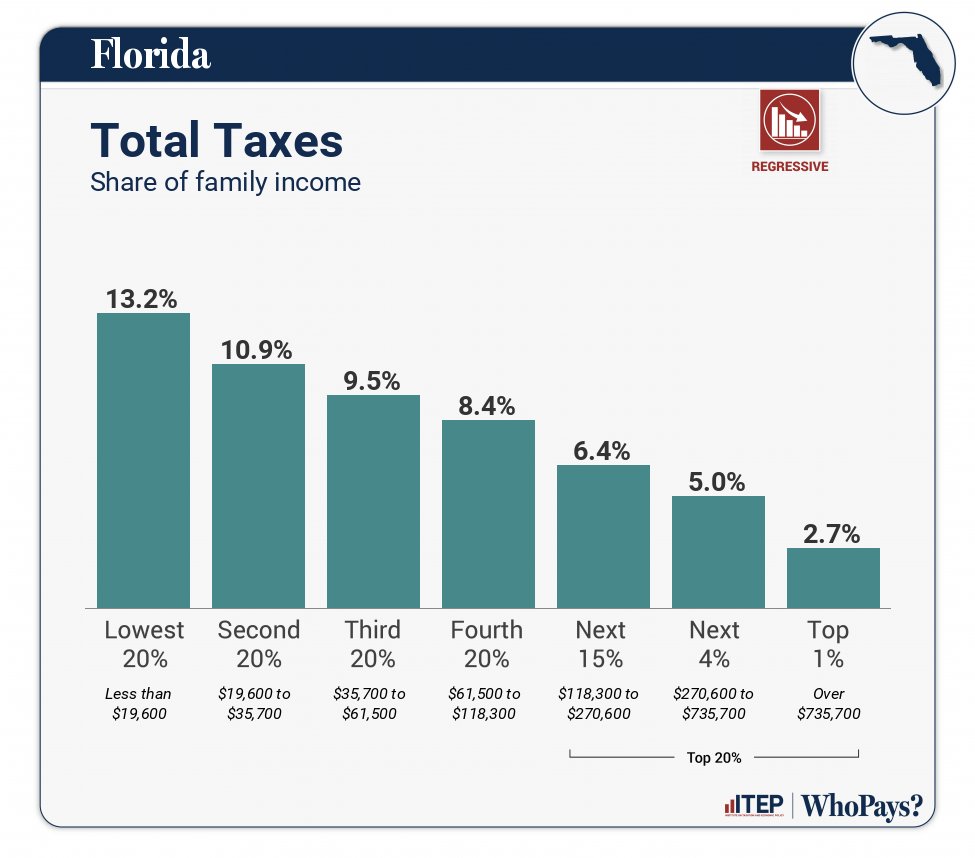
Visiting Florida, the Sunshine State, is an experience filled with vibrant culture, stunning beaches, and world-class attractions. From the theme parks of Orlando to the bustling nightlife of Miami and the serene beauty of the Florida Keys, there’s something for every traveler. However, a crucial aspect of planning any trip, often overlooked until the bill arrives, is understanding the local tax structure. For tourists, knowing what taxes you’ll encounter can significantly impact your budget and help you avoid unexpected expenses. Florida’s tax system, while generally considered favorable compared to some states due to the absence of a state income tax, still involves several levies that directly affect visitors. This guide will illuminate the key taxes tourists are likely to pay, offering insights to help you budget wisely and enjoy a seamless Florida adventure.
Sales Tax: The Everyday Tourist Expense in Florida
The most common tax a tourist will encounter in Florida is the sales tax. This tax applies to most tangible goods and certain services purchased within the state. Understanding its reach is fundamental for any traveler’s budget.
State and Local Sales Tax Rates
Florida imposes a statewide sales tax rate of 6%. However, most counties levy an additional discretionary sales surtax, often referred to as a “county surtax.” This means the total sales tax rate you pay will vary depending on the county you are in. For example, popular tourist destinations like Orange County (home to Walt Disney World Resort and Universal Studios Florida) often have a combined rate, typically around 6.5% to 7.5%. Miami-Dade County, another major tourist hub, also features its own surtax, bringing the total to a similar range.
This tax applies to a vast array of items and services tourists typically consume:
- Retail Purchases: Souvenirs, clothing, electronics, and other goods bought from shops.
- Restaurant Meals and Beverages: Dining out, whether at a casual eatery in Key West or a fine dining establishment in Naples, is subject to sales tax. This includes both sit-down restaurants and fast food.
- Prepackaged Food and Groceries: While most unprepared food items (like raw fruits, vegetables, and meats bought from a grocery store) are exempt, many prepared foods, hot foods, and certain beverages are taxed. For instance, a ready-to-eat sandwich or a hot coffee from a convenience store will typically incur sales tax.
- Tickets to Attractions and Events: Admission fees for theme parks like Busch Gardens Tampa Bay, museums, concerts, sporting events, and other entertainment venues are generally subject to sales tax.
- Rental Equipment: If you rent beach chairs, bicycles, kayaks, or other equipment for leisure activities, sales tax will likely apply to the rental fee.
Practical Implications for Tourists
The pervasive nature of sales tax means it will affect almost every purchase you make. When budgeting, it’s wise to factor in an extra 6-8% on top of listed prices for goods, food, and attractions, depending on your exact location within Florida. Always check the local county’s surtax rate if you plan on making significant purchases or staying in one area for an extended period. While seemingly small on individual transactions, these percentages can add up quickly over the course of a vacation, especially for families visiting multiple attractions or enjoying frequent dining experiences.
Accommodation Taxes: Understanding Your Stay’s True Cost
One of the most significant taxes for tourists is the one applied to lodging. Florida employs a multi-layered approach to taxing accommodations, primarily through the Transient Rental Tax and the Tourist Development Tax (TDT), often referred to as a “bed tax.”
Transient Rental Tax (State Sales Tax on Rentals)
Similar to the sales tax on goods, the state of Florida levies its 6% sales tax on the rental charges for hotel rooms, vacation rentals, short-term apartment rentals, and other transient accommodations. This state sales tax applies to rentals for six months or less. This means that right off the bat, your accommodation bill will increase by at least 6% statewide.
Tourist Development Tax (TDT)
Beyond the state sales tax, nearly all Florida counties have adopted a Tourist Development Tax (TDT), also known as a “resort tax” or “bed tax.” This tax is specifically designed to fund tourism-related initiatives, such as marketing campaigns, beach restoration, cultural facilities, and sports venues. The TDT rates vary widely by county, typically ranging from 1% to 6%.
- Orange County (Orlando area): Famous for its high volume of visitors, Orange County imposes one of the higher TDT rates, typically around 6%. When combined with the state’s 6% sales tax, a hotel stay in Orlando can easily see a total tax burden of 12% or more on the room rate.
- Miami-Dade County: Home to Miami Beach and a vibrant tourism industry, this county also applies a significant TDT, often around 6%, adding substantially to accommodation costs.
- Monroe County (Florida Keys): Given its popularity as a destination, Monroe County also collects a TDT, contributing to the overall cost of staying in places like Key West or Marathon.
- Broward County (Fort Lauderdale area): Visitors to Fort Lauderdale and surrounding areas will also pay a TDT, typically around 5-6%.
Understanding Resort Fees and Other Charges
It’s important to note that many hotels and resorts, particularly in high-tourism areas, also charge “resort fees” or “destination fees.” These are separate from taxes and are often mandatory daily charges for amenities like Wi-Fi, fitness center access, or pool towels. While not a tax, they add to your total accommodation cost and are often subject to sales tax themselves. Always inquire about these fees when booking or checking in to avoid surprises. Budgeting for accommodation should always account for the base rate, state sales tax, local Tourist Development Tax, and any applicable resort fees.
Getting Around: Taxes on Transportation for Florida Visitors
For many tourists, renting a car is essential for exploring Florida’s diverse attractions, from the Everglades to the Gulf Coast beaches. Fueling up and renting vehicles also come with their own set of taxes.
Rental Car Surcharge and Sales Tax
When you rent a car in Florida, you’ll typically face two main taxes related to the rental itself:
- State Sales Tax: The standard 6% state sales tax, plus any applicable county discretionary surtax, applies to the rental fee.
- Surcharge on Rental Car Agreements: Florida also imposes a specific state surcharge of $2.00 per day (as of recent rates) on all rental car agreements for vehicles rented for 30 days or less. This flat daily fee is in addition to the sales tax and can add up over a week-long trip.
These charges can significantly increase the total cost of your rental car, so it’s wise to factor them into your transportation budget. Don’t just look at the advertised daily rate; consider the total cost including all taxes and fees.
Gasoline Taxes
Like all states, Florida levies taxes on gasoline. These taxes are typically included in the pump price, so you won’t see them as a separate line item when you fill up. However, they contribute to the overall cost of fuel. Florida’s gasoline tax comprises both a state excise tax and local option fuel taxes. While not an explicit “tourist tax,” the cost of fuel directly impacts your travel budget, especially if you plan extensive road trips across the state, perhaps from Tampa to Jacksonville, or exploring the length of Scenic Highway 30A in the panhandle.
Smart Budgeting: Integrating Taxes into Your Florida Tourism Plan
Successfully navigating the tax landscape in Florida boils down to proactive planning and awareness. By understanding where and how taxes apply, you can allocate your budget more effectively and enjoy your trip without financial surprises.
Comprehensive Cost Calculations
When planning your vacation, don’t just consider the base prices for flights, hotels, and attractions. Always add an estimated tax percentage to each major category:
- Accommodations: Factor in 10-14% on top of the room rate for state sales tax and county Tourist Development Tax, plus any resort fees.
- Dining and Shopping: Add 6-8% for sales tax on most purchases, including meals, souvenirs, and incidental items.
- Rental Cars: Include the daily surcharge and sales tax on the rental rate.
- Activities and Attractions: Account for sales tax on tickets and admission fees.
Many online travel agencies and booking platforms will display the estimated taxes and fees upfront, but it’s always prudent to confirm these figures or factor in a slight buffer.
Utilizing Tax-Exempt Purchases (When Applicable)
While less common for tourists, it’s worth noting that some items are tax-exempt, primarily most unprepared food groceries. If you’re staying in a vacation rental with a kitchen, purchasing groceries to prepare some of your meals can be a way to save a little on sales tax compared to always dining out, in addition to generally being more budget-friendly.

Tracking Expenses
Keeping a simple log of your expenses, or using a budgeting app, can help you stay on track throughout your trip. This allows you to monitor how much you’re spending on taxed items and services, providing real-time insight into your overall budget.
By keeping these tax considerations in mind, your Florida vacation can be as smooth and sunny as the state itself, allowing you to focus on creating unforgettable memories rather than worrying about unexpected costs. Whether you’re lounging on the beaches of Sarasota, exploring the vibrant arts scene of St. Petersburg, or experiencing the magic of Disney, a well-planned budget that accounts for taxes will ensure a more relaxing and enjoyable experience.
LifeOutOfTheBox is a participant in the Amazon Services LLC Associates Program, an affiliate advertising program designed to provide a means for sites to earn advertising fees by advertising and linking to Amazon.com. Amazon, the Amazon logo, AmazonSupply, and the AmazonSupply logo are trademarks of Amazon.com, Inc. or its affiliates. As an Amazon Associate we earn affiliate commissions from qualifying purchases.