
California, a land of diverse landscapes from the sun-kissed beaches of Los Angeles to the majestic peaks of Yosemite National Park, captivates millions each year. Whether you’re planning a lavish luxury getaway, a budget-friendly family trip to Disneyland, a pivotal business stay in Silicon Valley, or even contemplating a long-term relocation, understanding the state’s tax rates is not just a financial detail—it’s a critical component of informed lifestyle planning. Far from being a dry fiscal exercise, knowledge of California’s tax landscape directly impacts your budget, spending power, and overall experience, making it an essential topic for anyone engaging with the Golden State.
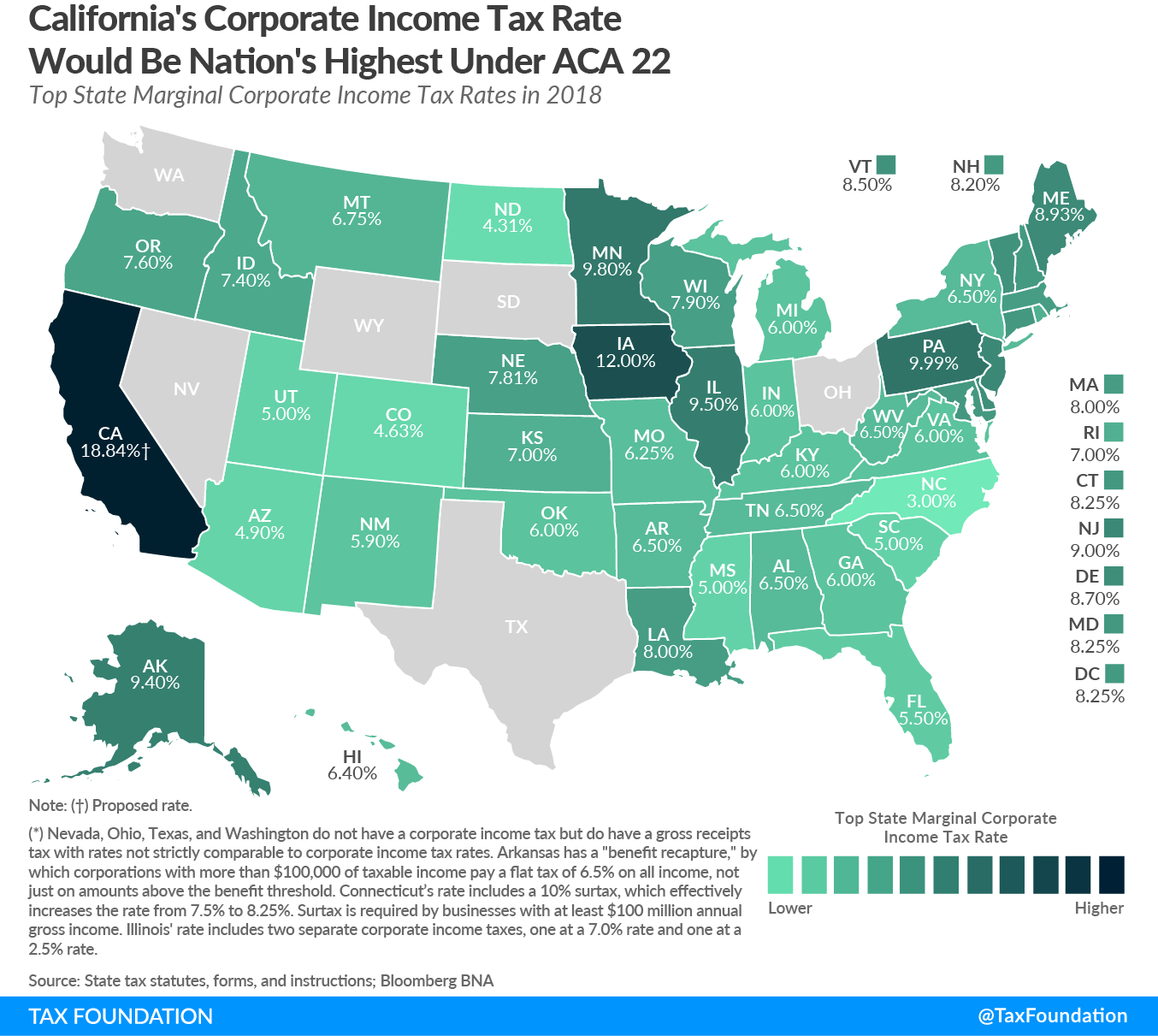
California is renowned for its vibrant economy and often, its higher cost of living. Taxes play a significant role in this equation, affecting everything from the price of your morning coffee in San Francisco to the nightly rate of a resort in Napa Valley. This comprehensive guide aims to demystify California’s various tax rates, offering an insightful and engaging perspective tailored to those whose lifestyle choices bring them to this dynamic state. By exploring the general sales tax, transient occupancy taxes on lodging, state income tax implications, and other relevant levies, you’ll be better equipped to make financially savvy decisions, ensuring your California adventure or stay is as smooth and enjoyable as possible.
Understanding California’s General Sales Tax
For anyone spending time in California, from a fleeting visit to a prolonged stay, the sales tax is perhaps the most ubiquitous tax you’ll encounter. It’s levied on the sale of most tangible goods, making it a crucial consideration for budgeting everything from groceries and souvenirs to clothing and electronics.
The Statewide Base Rate
California boasts one of the highest base sales tax rates in the United States. As of the current period, the statewide base sales tax rate is 7.25%. This rate applies uniformly across all counties and cities within California, ensuring a foundational level of taxation on eligible purchases. This 7.25% is the starting point for understanding how much extra you’ll pay on top of the listed price for most items. For a traveler exploring the shops of Beverly Hills or picking up essentials for a camping trip near Lake Tahoe, this base rate is a constant consideration.
Local Add-Ons: The True Variation
Where the sales tax landscape becomes more complex—and where significant variations in your cost of living or travel expenses arise—is through local district taxes. Most cities and counties in California have implemented additional sales tax rates, which are added on top of the statewide 7.25%. These local add-ons fund various municipal services, infrastructure projects, or specific initiatives.
For instance, major metropolitan areas often have higher combined sales tax rates. In Los Angeles County, you might encounter rates upwards of 9.5% to 10.25%, depending on the specific city. San Francisco, another popular destination, also features high combined rates. Even within a single county, rates can vary from city to city. This means that a purchase made in downtown San Diego could carry a different sales tax burden than the exact same item purchased in a neighboring suburb. For budget travelers, this difference, while seemingly small per item, can accumulate significantly over the course of a trip or extended stay.
Impact on Your Purchases
Understanding these variations is vital for smart financial planning. When dining out, shopping for gifts, or even buying groceries (though some food items are exempt), the sales tax will be added to your bill. For individuals focused on a budget-conscious lifestyle, researching the combined sales tax rate of their intended destination within California can inform decisions on where to make larger purchases or where to dine. Luxury travelers, while less impacted by marginal percentage differences, should still be aware of the total cost, especially on high-value items where the tax can amount to hundreds or thousands of dollars.
Navigating Accommodation and Lodging Taxes
Beyond sales tax, one of the most significant tax considerations for travelers, and increasingly for those seeking temporary long-term stays, is the Transient Occupancy Tax (TOT), often referred to as the hotel tax. This tax directly impacts the cost of your accommodation, whether it’s a luxury resort, a boutique hotel, or a vacation rental.
Transient Occupancy Tax (TOT): What It Is
The Transient Occupancy Tax is a local tax levied on guests staying in hotels, motels, bed and breakfasts, vacation rentals, and other lodging establishments for a period typically less than 30 days (though this can vary locally). The primary purpose of the TOT is to generate revenue for local municipalities. This revenue often supports local services, tourism promotion, and infrastructure, contributing to the very attractions and amenities that draw visitors to a particular area. It’s a direct contribution from visitors to the local economy, but it also adds a substantial percentage to the nightly rate advertised for accommodation.
Varying Local Rates: A Key Consideration
Unlike the statewide sales tax, there is no uniform statewide TOT rate in California. Instead, each city and county sets its own rate, leading to considerable differences across the state. These rates can range from as low as 6% or 8% in some smaller communities to a staggering 14%, 15%, or even higher in popular tourist destinations.
For example, a stay in a San Francisco hotel will incur a significantly higher TOT rate than a hotel in, say, Sacramento. Los Angeles and San Diego also feature substantial TOT rates. These high rates in major cities reflect both their popularity as tourist hubs and the greater demand for local services to support that tourism. For individuals planning a budget trip or considering an extended stay in different parts of the state, researching the local TOT is absolutely essential for accurate budgeting.
Budgeting for Stays: Strategic Financial Planning
The impact of TOT on your overall travel budget cannot be underestimated, especially for longer stays or luxury accommodations where the percentage translates into significant dollar amounts. A 15% TOT on a $300-per-night hotel room adds $45 per night to your bill. Over a week, that’s an extra $315 purely in tax, not including any other fees.
For those planning family trips or business stays, understanding these added costs upfront helps in selecting appropriate lodging and managing expectations. Budget travelers might find more affordable options in areas with lower TOTs or consider alternative accommodation types where the tax might be applied differently or less frequently. For those on a long-term stay, exceeding the 30-day threshold can sometimes exempt you from TOT, offering a potential cost saving, though this depends entirely on local ordinances and the nature of your rental agreement. Always confirm these details directly with your lodging provider or local tourism board.
California’s State Income Tax Landscape
While sales and lodging taxes are directly relevant to almost all visitors, California’s state income tax comes into play for a specific subset of individuals whose lifestyle or business interests extend beyond a typical short vacation. This includes remote workers, digital nomads, those on extended business assignments, or anyone considering temporary or permanent residency in the state.
Progressive Tax System
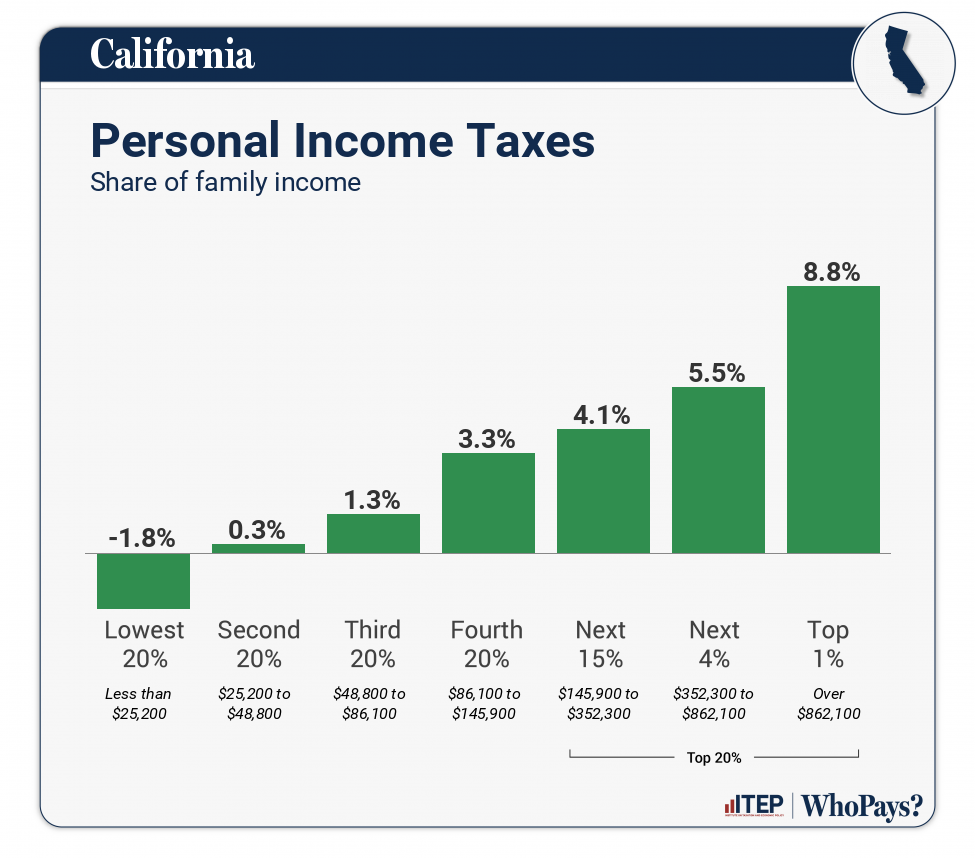
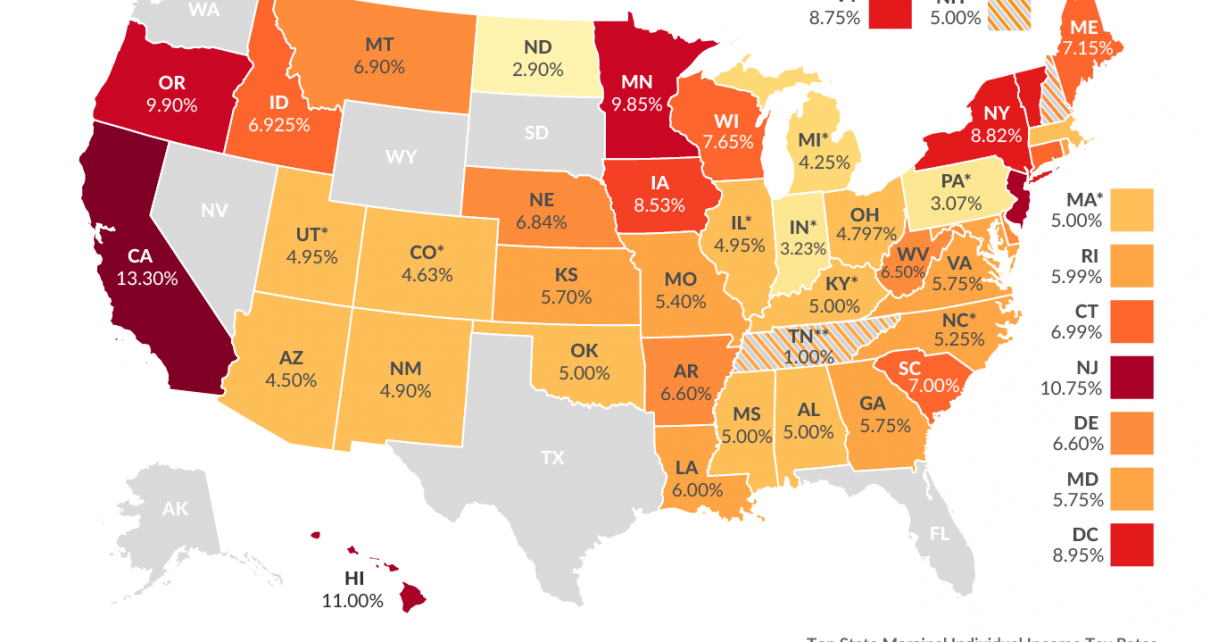
California operates a highly progressive state income tax system, meaning that as taxable income increases, so does the tax rate. The state has numerous tax brackets, and its top marginal income tax rate is among the highest in the nation. For high-income earners, this rate can exceed 13%. Even for middle-income individuals, the rates are significant compared to many other states. This progressive structure is a key characteristic of California’s fiscal policy and plays a substantial role in the financial planning of its residents and those who earn income within its borders.
Residency and Nexus: Crucial Distinctions
For individuals from outside California, understanding the concepts of residency and tax nexus is paramount. Generally, if you are considered a legal resident of California, you are taxed on all of your income, regardless of where it was earned. Defining residency can be complex, involving factors like the amount of time spent in the state, your domicile, and the location of your property, family, and social ties.
Even if you are not deemed a full resident, you may still owe California income tax if you earn income from sources within the state. This “source income” rule is particularly relevant for business professionals, consultants, performers in Hollywood, or remote workers who temporarily reside in California for an extended period, or whose employer is based in California. For a digital nomad choosing a temporary base in California, or a business traveler on a long-term project in Silicon Valley, understanding these rules is critical to avoid unexpected tax liabilities.
Implications for Business and Work
The state income tax also has significant implications for businesses and individuals engaged in entrepreneurial endeavors within California. High marginal rates can influence compensation strategies, profitability, and investment decisions. For those considering relocating for work, setting up a new business, or expanding an existing one into the California market, the state’s income tax regime requires careful consideration and professional consultation. It’s a defining feature of the financial lifestyle for many who thrive in California’s dynamic economy.
Other Key Taxes Affecting Your California Experience
Beyond the major taxes, several other levies can subtly or overtly impact your financial experience and lifestyle choices while in California. Being aware of these ensures a more holistic understanding of the state’s tax environment.
Fuel Excise Tax
For anyone planning a scenic road trip along the California coast or commuting within its bustling cities, the price at the gas pump is a significant factor. California imposes one of the highest fuel excise taxes in the nation, which is incorporated into the per-gallon price of gasoline and diesel. This tax, along with other environmental fees and market factors, contributes to California generally having some of the highest gas prices in the U.S. For budget-conscious travelers or those considering extended stays with frequent driving, factoring in higher fuel costs is essential for accurate budgeting.
Rental Car Surcharges
Renting a car is a common necessity for many visitors exploring the vastness of California. Beyond the daily rental rate, you’ll encounter various taxes and fees, including a state-mandated tourism assessment fee and often local surcharges. These additional costs can add a significant percentage to your total rental bill. It’s advisable to factor these into your transportation budget, especially if you plan on extended car rentals or multiple rentals during your trip.
Special District Taxes and Fees
Certain regions or activities within California may be subject to specific, localized taxes or fees designed to fund particular projects or services. These could include local tourism improvement districts, infrastructure bonds, or environmental levies. While often smaller in individual impact, they highlight the granular nature of California’s tax structure. For example, some venues or attractions might include specific surcharges not immediately obvious.
Property Tax (Brief Mention)
While typically not a concern for short-term visitors, property tax becomes a significant consideration for individuals whose lifestyle involves long-term residency, purchasing a vacation home, or making an investment in California real estate. California’s property tax system, governed by Proposition 13, assesses property at 1% of its fair market value at the time of purchase, with annual increases capped. For those envisioning a more permanent lifestyle or substantial investment in the Golden State, understanding these dynamics is crucial.
Strategic Planning for Your California Finances
Navigating California’s tax landscape doesn’t have to be daunting. With a proactive approach and a clear understanding of the rates that apply to your specific lifestyle, you can ensure a smooth and financially sound experience.
Research Localities Thoroughly
Given the significant variations in sales tax and especially Transient Occupancy Tax rates across California’s cities and counties, thorough research is your best friend. Before booking accommodation, making major purchases, or committing to an extended stay, always verify the specific tax rates for your chosen destination. Websites for city tourism boards, local government finance departments, and reputable travel planning resources can provide the most up-to-date information. This due diligence can uncover substantial savings, particularly for long-term stays or high-value transactions.
Factor Taxes into Your Budget from the Outset
One of the most common pitfalls for travelers and new residents is failing to account for taxes when setting their budget. Always remember that the sticker price for goods, the listed nightly rate for a hotel, or a quoted service fee will likely be augmented by taxes. Build these additional costs into your financial plan from the very beginning. For instance, when budgeting for dining out, consider that a 10% sales tax (or higher, plus tip) will be added to the menu prices. For accommodation, always look for the “total price” that includes all taxes and fees to avoid surprises at checkout. This practice is key to maintaining a stress-free and enjoyable lifestyle in California.
Seek Professional Advice for Complex Situations
For intricate financial situations, especially those involving income tax implications for remote work, business ventures, extended residencies, or significant property investments, consulting with a qualified tax professional is highly recommended. California’s tax laws can be complex, and expert advice can help you navigate compliance, optimize your financial planning, and avoid potential pitfalls. This is particularly true for individuals transitioning their residency or for businesses establishing a presence in the state.
In conclusion, understanding “What Is The Tax Rate In California?” goes far beyond a simple number. It’s about recognizing how a multifaceted tax structure influences every aspect of your engagement with the state—from the daily expenses of a vacation to the long-term financial commitments of a new lifestyle. By being informed and strategic, you can confidently embrace all that California has to offer, ensuring your experiences are not only rich and memorable but also financially well-managed.
LifeOutOfTheBox is a participant in the Amazon Services LLC Associates Program, an affiliate advertising program designed to provide a means for sites to earn advertising fees by advertising and linking to Amazon.com. Amazon, the Amazon logo, AmazonSupply, and the AmazonSupply logo are trademarks of Amazon.com, Inc. or its affiliates. As an Amazon Associate we earn affiliate commissions from qualifying purchases.