
As the sun dips below the horizon, casting a warm, golden glow across the sprawling landscapes of Oklahoma, understanding the timing of twilight becomes crucial for any traveler, adventurer, or resident. Whether you’re planning a sunset hike through the Wichita Mountains Wildlife Refuge, scheduling a romantic dinner with a view in Oklahoma City, or simply ensuring you’re back at your hotel before nightfall, knowing when darkness descends is an essential piece of practical information. This guide delves into the factors influencing sunset times in Oklahoma and provides insights to help you make the most of your days and evenings in the Sooner State.

The time of year plays the most significant role in determining when it gets dark. Oklahoma’s position in the central United States, within the Central Time Zone, means its daylight hours fluctuate considerably between summer and winter. During the summer months, the sun rises early and sets late, offering extended hours of daylight for exploration and enjoyment. Conversely, winter brings shorter days, with darkness arriving much earlier in the afternoon.
Understanding Daylight Saving Time and Its Impact
One of the primary factors that directly influences when it gets dark in Oklahoma is the observance of Daylight Saving Time (DST). Oklahoma adheres to DST, meaning clocks are advanced by one hour during the spring and set back by one hour in the fall. This practice is designed to maximize the use of natural daylight.
Spring Forward, Fall Back: The DST Cycle
The DST period in the United States typically begins on the second Sunday in March and ends on the first Sunday in November. During these months, the sun effectively “sets later” according to our clocks. For instance, if sunset would naturally occur at 7:00 PM on a particular day without DST, the clock advancement means it will be recorded as 8:00 PM. This extra hour of evening daylight is a welcome benefit for many, allowing for outdoor activities after work or school, such as exploring attractions like the Myriad Botanical Gardens in Oklahoma City or enjoying a leisurely stroll along the Oklahoma River.
Conversely, when DST ends in November, the clocks are set back. This “fall back” transition results in earlier sunsets. The apparent gain of an hour in the morning is accompanied by the sun disappearing from the sky an hour sooner in the evening. This shift can be noticeable for those accustomed to longer daylight hours and might require adjustments to evening plans, particularly if you’re visiting popular evening spots like the Bricktown Entertainment District in Oklahoma City.
The precise dates for DST transitions vary annually, and it’s always a good idea to check the current year’s schedule when planning a trip to Oklahoma, especially if your travel dates coincide with these transitions. This is particularly relevant for longer stays, where the shift could impact multiple days of your itinerary. For those considering a long-term stay in an apartment or villa, understanding how DST affects your daily schedule can be beneficial for planning outdoor excursions or simply managing your routine.
Seasonal Variations in Sunset Times
The Earth’s axial tilt and its orbit around the sun are the fundamental reasons for seasonal changes in daylight hours. Oklahoma, situated in the Northern Hemisphere, experiences its longest days around the summer solstice and its shortest days around the winter solstice.
Summer Solstice: The Longest Days
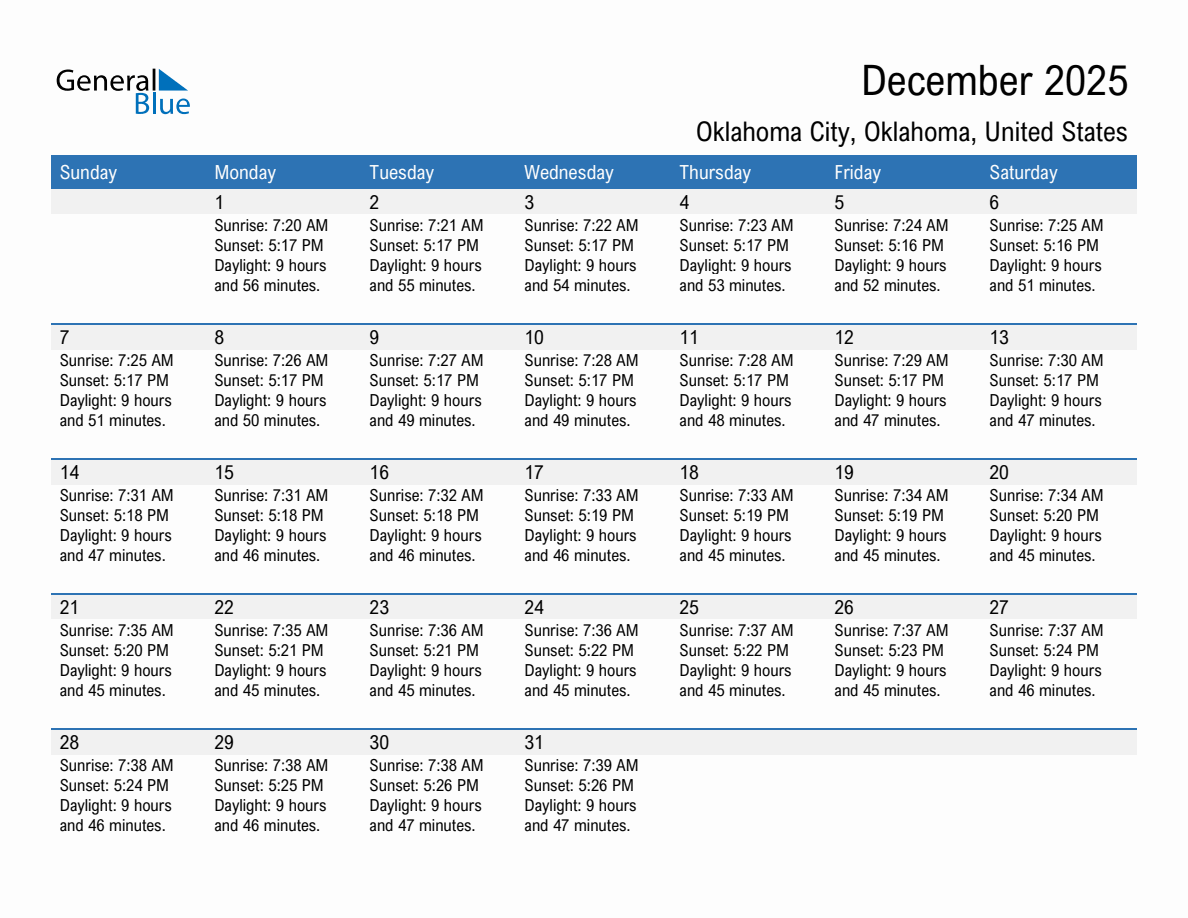
Around June 20th or 21st, the summer solstice marks the longest day of the year in the Northern Hemisphere. In Oklahoma, this translates to the latest sunsets. Depending on the exact date and your specific location within the state, the sun can set as late as 8:30 PM or even later, especially when Daylight Saving Time is in effect. This extended daylight is a boon for tourists eager to explore the state’s diverse attractions. Imagine spending your day visiting the historic Pioneer Woman Mercantile in Pawhuska, enjoying the vast plains, and still having ample daylight left for a late dinner or a sunset drive through the rolling hills of eastern Oklahoma. For families on vacation, these long evenings provide more opportunities for outdoor fun, from visiting amusement parks to simply enjoying a picnic in one of Oklahoma’s many state parks.
Winter Solstice: The Shortest Days
Conversely, around December 21st or 22nd, the winter solstice brings the shortest day of the year. In Oklahoma, this means the earliest sunsets. Without Daylight Saving Time, darkness can begin to fall as early as 4:45 PM or 5:00 PM. Even with DST factored in, which is not active during the winter solstice, sunset might occur around 5:30 PM. This rapid descent into darkness requires careful planning for any outdoor activities. If you’re visiting the Philbrook Museum of Art in Tulsa during the winter, you might find yourself leaving the museum as dusk settles. Travelers staying in resorts or hotels should be mindful of this when planning evening excursions, perhaps opting for indoor attractions or enjoying the amenities of their accommodation, such as the Embassy Suites by Hilton Tulsa Central. For those embarking on a budget travel adventure, early sunsets can also mean maximizing daylight for sightseeing and then seeking out affordable dining options as night falls.
Autumn and Spring: Transitional Periods
The shoulder seasons of autumn (fall) and spring offer gradual shifts in sunset times. As autumn progresses from September to November, days noticeably shorten, and the sunset time moves progressively earlier. This is when the beauty of the fall foliage can be enjoyed in places like the Ouachita Mountains, but planning for shorter daylight hours becomes important. Similarly, as spring arrives from March to May, days lengthen, and sunsets occur later. This period is ideal for exploring the outdoors, perhaps visiting the Oklahoma City Zoo and Botanical Garden or enjoying the wildflowers that bloom across the state. The transitional nature of these seasons means that sunset times can vary by several minutes each week, so checking a local almanac or a reliable weather app is always recommended for the most accurate, up-to-date information.
Factors Influencing Local Sunset Times within Oklahoma
While seasonal changes and Daylight Saving Time are the primary drivers of when it gets dark, geographical location within Oklahoma also plays a subtle role. The state spans a considerable east-to-west distance, and this longitudinal difference can lead to minor variations in sunset times.
East-West Variations Across the State
Oklahoma is located within the Central Time Zone, which is UTC-6, and observes Central Daylight Time (CDT), UTC-5, during the warmer months. However, time zones are not perfectly aligned with geographical meridians. The eastern parts of the state will, naturally, experience sunrise and sunset slightly earlier than the western parts, simply due to their position relative to the sun’s apparent movement across the sky. For instance, a sunset in Fort Smith, Arkansas (which shares a border and similar longitude with eastern Oklahoma), will occur a few minutes before a sunset in Oklahoma City, which is more centrally located. Further west, cities like Elk City will experience the sun setting a few minutes later than those in the eastern half of the state.
These differences are generally minor, often just a few minutes, and may not be significant for casual travelers. However, for those engaged in activities that are highly time-sensitive, such as photographers aiming for specific golden hour light at landmarks like the Golden Driller in Tulsa, or event organizers, these subtle variations might be worth considering. When planning a trip that spans the width of the state, for example, a road trip from Broken Bow in the southeast to Guymon in the panhandle, understanding these minor time shifts can help optimize your itinerary.
Influence of Weather and Atmospheric Conditions
Beyond predictable astronomical and temporal factors, local weather conditions can also subtly influence the perception and timing of darkness. Overcast skies, fog, or heavy precipitation can cause the sky to darken prematurely, making it feel like dusk has arrived earlier than the official sunset time. This is particularly relevant when exploring natural landscapes like the Tallgrass Prairie Preserve. A sudden storm rolling in over the open plains can dramatically reduce visibility and light levels very quickly.
Conversely, exceptionally clear skies can sometimes lead to lingering twilight, where the sky remains illuminated for a period after the sun has dipped below the horizon. This phenomenon is more pronounced in areas with less light pollution, allowing for clearer views of the stars and the gradual fade of daylight. For stargazers planning a visit to a dark sky location in Oklahoma, understanding both the official sunset time and the potential atmospheric conditions that might affect visibility is crucial. Whether you are staying in a luxury resort, a budget-friendly hotel, or a long-term rental accommodation, being aware of these meteorological influences can help you plan your evenings more effectively and enhance your overall experience in Oklahoma.
LifeOutOfTheBox is a participant in the Amazon Services LLC Associates Program, an affiliate advertising program designed to provide a means for sites to earn advertising fees by advertising and linking to Amazon.com. Amazon, the Amazon logo, AmazonSupply, and the AmazonSupply logo are trademarks of Amazon.com, Inc. or its affiliates. As an Amazon Associate we earn affiliate commissions from qualifying purchases.