
Nestled amidst the captivating crimson cliffs and emerald forests of Northern Arizona, Sedona is a destination that transcends the ordinary. Famed for its breathtaking Red Rock Country, powerful energy vortexes, vibrant arts scene, and unparalleled opportunities for outdoor adventure, it draws millions of visitors annually. However, to truly unlock the magic of this unique desert oasis, timing is everything. The “best” time to visit Sedona, Arizona, isn’t a single answer; rather, it’s a nuanced consideration dependent on your personal preferences for weather, crowd levels, activities, and budget. This comprehensive guide will navigate you through the distinct characteristics of each season, empowering you to plan your ideal Sedona escape.
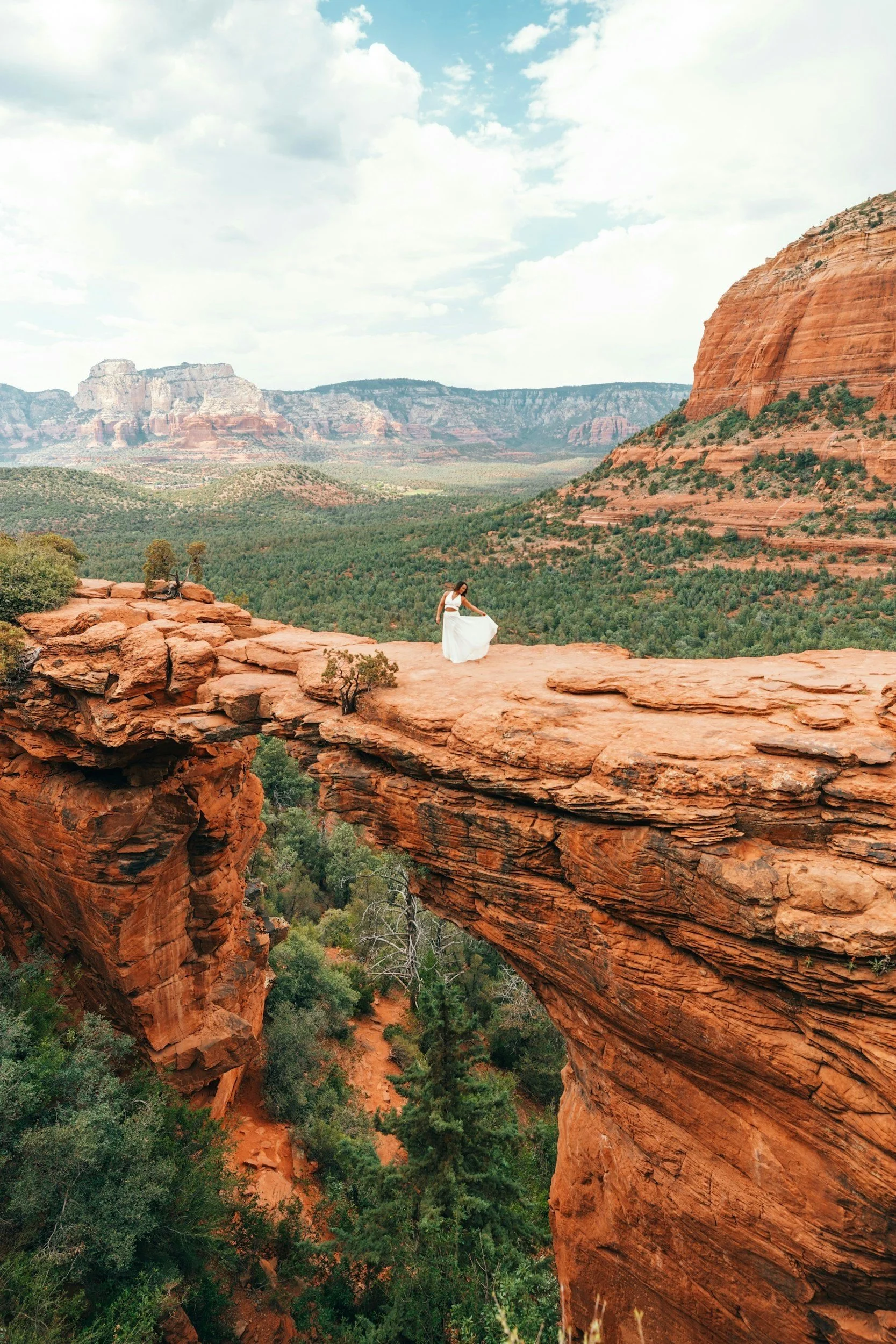
Spring (March to May) – The Peak Season Sweet Spot
Spring in Sedona is often hailed as the quintessential time to visit, and for good reason. The weather is nearly perfect, creating an idyllic backdrop for exploring the area’s wonders.
Weather and Scenery
From March through May, Sedona experiences delightful mild temperatures, typically ranging from the mid-60s to high 70s Fahrenheit during the day, with crisp, cool evenings. The dry, sunny conditions are ideal for extended outdoor adventures. This period also witnesses the desert bloom, transforming the landscape with splashes of wildflowers, contrasting brilliantly against the iconic red rocks. The air is clear, offering spectacular vistas, and the gentle breezes make every hike and scenic drive a pleasure. It’s a photographer’s paradise, with every turn revealing postcard-perfect scenery under consistently clear blue skies.
Activities and Events
Spring is prime time for virtually all Sedona activities. Hiking the countless trails, from the spiritual journey to Boynton Canyon vortex to the challenging ascent of Cathedral Rock, is incredibly enjoyable. Mountain biking enthusiasts flock to the extensive network of trails, while others prefer leisurely strolls through Tlaquepaque Arts & Shopping Village. Vortex tours, Jeep tours into the backcountry, and hot air balloon rides over the Red Rock Country are popular choices. Cultural events, such as the internationally recognized Sedona Film Festival in late February/early March, add to the vibrancy of the season, attracting visitors with diverse interests. Many art galleries host special exhibitions, and outdoor concerts become more frequent as the weather warms.
Crowds and Costs
The downside to Sedona’s spectacular spring conditions is the surge in tourism. This is the busiest time of year, meaning trails can be crowded, popular restaurants require reservations well in advance, and parking at trailheads, especially for iconic spots like Airport Mesa or Bell Rock, can be challenging. Accommodation prices are at their peak, and flights into nearby Phoenix Sky Harbor International Airport or Flagstaff Pulliam Airport can also be more expensive. To mitigate the impact of crowds, consider visiting during weekdays or venturing out early in the morning to enjoy popular spots in relative solitude. Booking everything from lodging to guided tours months in advance is highly recommended to secure your preferred options and potentially better rates.
Summer (June to August) – Warm Adventures and Monsoon Magic
Summer in Sedona presents a different facet of the desert experience, characterized by intense heat and the dramatic beauty of the monsoon season. It’s a time when clever planning can lead to memorable adventures.
Weather Considerations
June is typically the hottest month, with daytime temperatures often soaring into the high 90s or even exceeding 100 degrees Fahrenheit. While the dry desert heat can be intense, it’s often more tolerable than humid heat. However, visitors must prioritize hydration and sun protection. Late July and August bring the annual monsoon season, characterized by impressive afternoon thunderstorms. These storms, while short-lived, are often intense, offering a spectacular display of lightning and sudden downpours that cool the air and wash the dust from the landscape, leaving everything refreshed and vibrant. Hikers should be aware of flash flood risks in washes and canyons during this period.
Water-Based Activities
The summer heat makes water activities particularly appealing. Oak Creek Canyon, with its perennial stream and lush greenery, becomes a popular escape. Slide Rock State Park, famous for its natural water slide, attracts families looking to cool off and have fun. Swimming, wading, and picnicking along Oak Creek are beloved pastimes. Many resorts feature inviting pools, providing a refreshing retreat after a morning of exploration. Tubing or kayaking on certain sections of the creek, where permitted, also offers a unique way to experience the canyon’s beauty.
Evening and Indoor Options
To beat the heat, many summer visitors adopt a strategy of early morning outdoor activities, followed by afternoon relaxation or indoor exploration. Mornings are perfect for hiking while temperatures are still relatively mild. Afternoons can be spent exploring Sedona’s numerous art galleries, browsing unique shops, indulging in spa treatments, or enjoying the air-conditioned comfort of a local restaurant. As the sun begins to set, the temperatures become much more pleasant, making evenings ideal for al fresco dining, stargazing ( Sedona is a certified International Dark Sky Community), or simply enjoying the peaceful ambiance of the Red Rock Country without the daytime crowds. The dramatic monsoon sunsets, often painted with vivid colors and towering clouds, are an added bonus.
Fall (September to November) – Golden Hues and Pleasant Breezes
Fall in Sedona rivals spring as a top choice for many travelers, offering a beautiful blend of comfortable weather and stunning autumnal scenery.
Ideal Conditions
As summer’s intensity wanes, September ushers in a period of idyllic weather. Daytime temperatures gradually cool from the high 80s in early September to the comfortable 60s by November, with nights becoming crisp and cool. The air is typically dry and clear, providing excellent visibility for panoramic views. What truly sets fall apart is the magnificent display of fall foliage. While the Red Rock Country itself doesn’t boast deciduous forests, the riparian areas along Oak Creek Canyon transform into a breathtaking tapestry of gold, orange, and red. Driving through the canyon, or hiking along its banks, offers stunning photographic opportunities and a vibrant contrast to the red rocks.

Festival Season
Fall is a lively time in Sedona, marked by numerous festivals and cultural events. The pleasant weather encourages outdoor gatherings, from art walks and music festivals to regional culinary events celebrating local flavors. These events often showcase the vibrant artistic community and spiritual essence of Sedona, providing visitors with unique opportunities to engage with local culture and crafts. Checking the local event calendar closer to your travel dates is advisable to catch any special happenings that align with your interests.
Planning Ahead
Similar to spring, fall is an incredibly popular time to visit Sedona. The combination of perfect weather and beautiful scenery draws significant crowds, especially on weekends and during major events. This means that lodging and popular tours can book up quickly, and prices remain relatively high. If your heart is set on experiencing Sedona during the fall, particularly if you want to witness the peak fall colors in Oak Creek Canyon, it’s crucial to plan and book your trip several months in advance. Weekday visits can offer a slightly less crowded experience.
Winter (December to February) – Serene Landscapes and Cozy Escapes
Winter in Sedona offers a unique and often underestimated experience, characterized by tranquility, fewer crowds, and the magical possibility of snow-dusted red rocks.
Unique Beauty
While temperatures can drop, especially at night (often below freezing), daytime highs typically range from the low 40s to mid-50s Fahrenheit, making it surprisingly pleasant for outdoor activities. The most enchanting aspect of a winter visit is the potential for snow. When a light dusting of snow blankets the majestic red rock formations, the landscape transforms into a stunning, serene masterpiece that is truly unforgettable. The contrast of white snow against the vibrant crimson rocks, often under clear blue skies, is a sight to behold and offers unparalleled photographic opportunities.
Fewer Crowds and Lower Prices
Winter is generally the least crowded season in Sedona, particularly outside of the holiday periods (Christmas and New Year’s). This means you can often enjoy popular trails, attractions like the Chapel of the Holy Cross, and restaurants with greater ease and a sense of peaceful solitude. Lodging prices also tend to be lower during the off-peak winter months, offering budget-conscious travelers an excellent opportunity to experience Sedona at a more affordable rate. This makes it an ideal time for a quiet getaway or a spiritual retreat.
Winter Activities
Even with cooler temperatures, many outdoor activities are still very much accessible. Hiking is still popular, though some higher-elevation trails or those prone to ice might be temporarily inaccessible. Always check trail conditions before heading out. It’s an excellent time for photography, enjoying scenic drives, and exploring the town’s galleries and shops. The cooler weather is also perfect for cozying up by a fireplace at one of Sedona’s luxurious resorts, indulging in a rejuvenating spa treatment, or savoring warm drinks at a local café. Day trips to nearby Flagstaff for skiing or snowshoeing, or to the Grand Canyon (which also sees beautiful snow in winter), are also popular options.
Choosing Your Best Time: A Tailored Approach
Ultimately, the “best” time to visit Sedona is subjective and depends entirely on your priorities and what kind of experience you seek.
For Hikers and Outdoor Enthusiasts
If your primary goal is extensive hiking, mountain biking, or exploring the Red Rock Country on foot, Spring (March to May) and Fall (September to November) offer the most comfortable temperatures and ideal trail conditions. You’ll avoid the intense summer heat and the occasional icy patches of winter.
For Budget Travelers and Solitude Seekers
To enjoy Sedona with fewer crowds and potentially lower accommodation prices, Winter (December to February) is your best bet, outside of holiday weeks. Early Summer (June, early July) can also offer some relief from peak season prices before the monsoons intensify, provided you’re prepared for the heat.
For Families with Kids
Spring and Fall provide pleasant weather for family-friendly hikes and outdoor activities without extreme temperatures. Summer can also be an excellent choice if your family loves water activities, with places like Slide Rock State Park offering a fun way to cool down.
For a Spiritual or Wellness Retreat
Any season can be conducive to a spiritual journey in Sedona’s vortex-rich landscape. However, Winter offers a particularly quiet and introspective atmosphere, allowing for deeper connection and reflection away from the bustling crowds. The cooler air can also enhance the experience of hot yoga or spa treatments.

For Photography and Scenery
While Sedona is stunning year-round, Spring brings wildflowers and vibrant green, Fall showcases the brilliant foliage in Oak Creek Canyon, and Winter offers the dramatic contrast of snow on red rocks. Each season presents unique visual opportunities.
In conclusion, Sedona is a truly magical destination that captivates visitors in every season. While spring and fall generally offer the most agreeable weather for a wide range of activities, summer provides opportunities for water-based fun and dramatic monsoon skies, and winter offers serene beauty and a peaceful escape. By considering what matters most for your trip, you can confidently choose the perfect time to experience the unparalleled splendor of Sedona, Arizona.
LifeOutOfTheBox is a participant in the Amazon Services LLC Associates Program, an affiliate advertising program designed to provide a means for sites to earn advertising fees by advertising and linking to Amazon.com. Amazon, the Amazon logo, AmazonSupply, and the AmazonSupply logo are trademarks of Amazon.com, Inc. or its affiliates. As an Amazon Associate we earn affiliate commissions from qualifying purchases.