
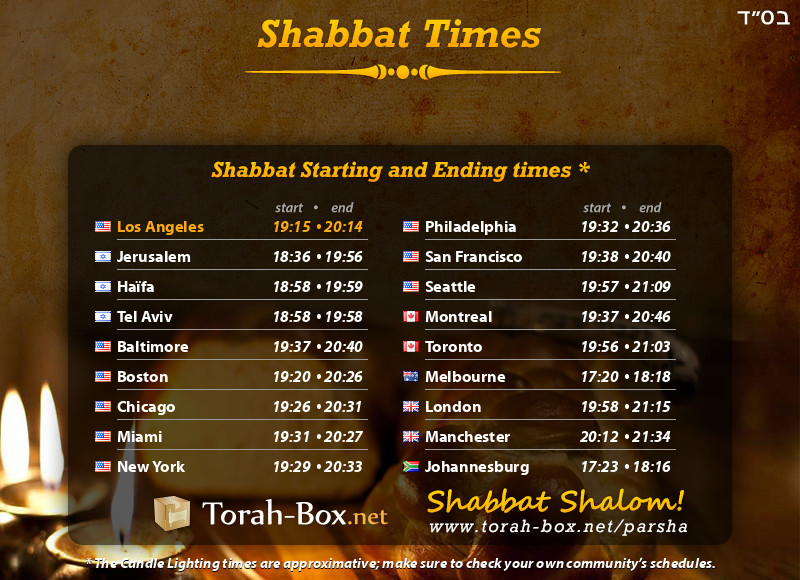
For residents and visitors alike, understanding the rhythms of the city is essential for a seamless experience in Los Angeles. One of the most significant cultural and religious cycles in this sprawling California metropolis is the observance of Shabbat. For the Jewish community and those visiting the city’s many historic neighborhoods, the question of when Shabbat ends is not just a matter of religious timing, but a signal for the city to transition into its vibrant Saturday night persona. Because the conclusion of the Jewish day of rest is tied to the lunar calendar and the physical positioning of the sun, the answer changes every week, shifting with the seasons that grace the United States West Coast.
The Cultural Significance of Shabbat in Southern California
In a city known for its fast-paced entertainment industry and perpetual motion, Shabbat offers a unique cultural counterpoint. From Santa Monica to the foothills of the San Fernando Valley, the period from Friday evening to Saturday night represents a time of disconnection from technology and reconnection with community. For a tourist, witnessing this shift provides a deep insight into the local culture of Los Angeles, which hosts one of the largest Jewish populations in the world outside of Israel.
Understanding Havdalah and the End of Rest
Shabbat does not end exactly at sunset. Instead, it concludes at “nightfall,” a specific halakhic time defined by the appearance of three medium-sized stars in the night sky. This transition is marked by a beautiful and sensory-rich ceremony called Havdalah, which means “separation.” During Havdalah, the community uses wine, fragrant spices, and a multi-wicked braided candle to mark the boundary between the sacred day of rest and the ordinary work week.
In Los Angeles, the timing of Havdalah is generally calculated as 42 to 60 minutes after sunset, depending on the specific custom followed. For those following the stricter tradition of Rabbeinu Tam, the end of Shabbat may be delayed until 72 minutes after sunset. For the average traveler looking to visit a late-night restaurant in Beverly Hills or catch a show in Hollywood, knowing these increments is vital for planning.
Seasonal Fluctuations in the City of Angels
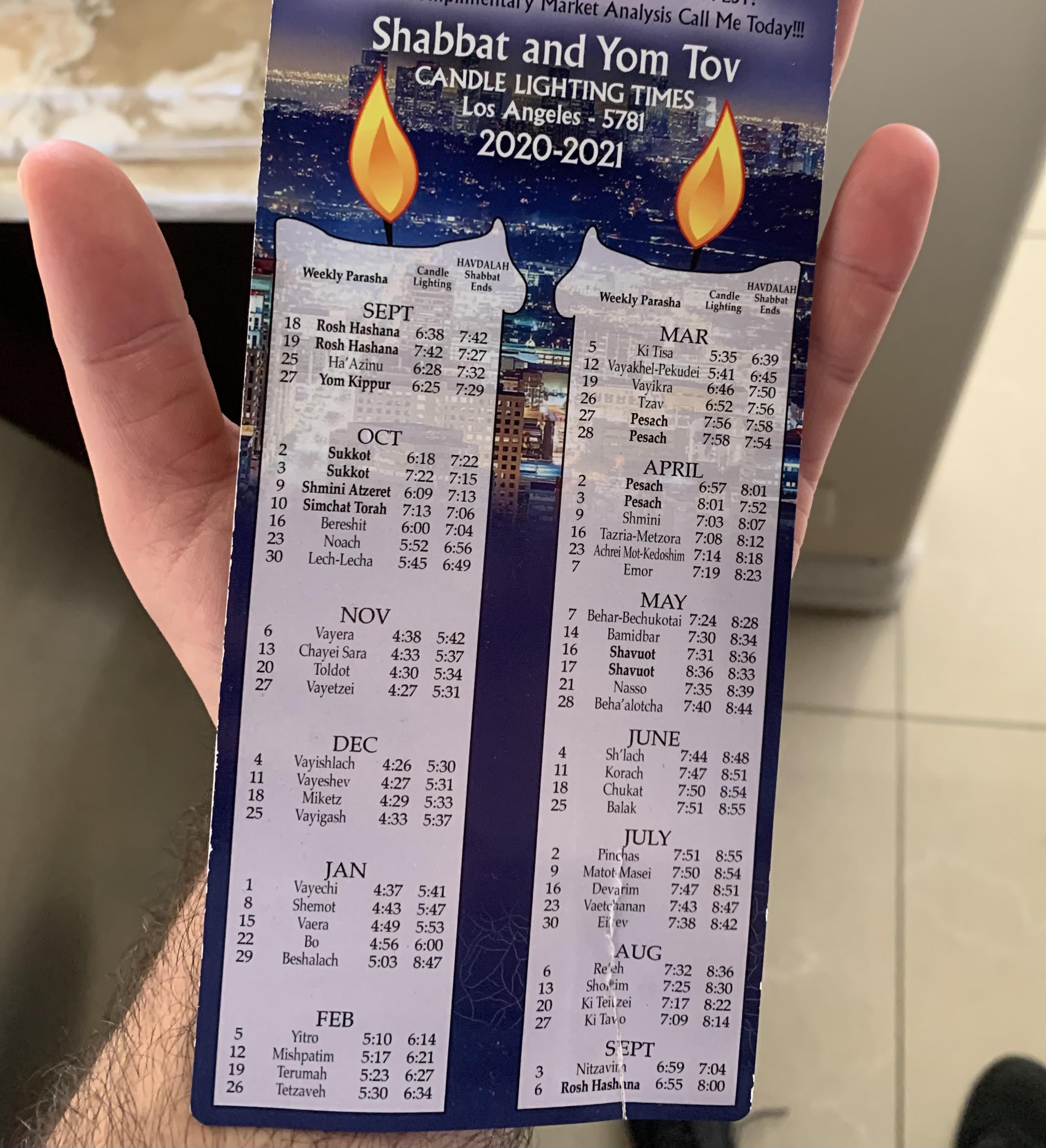
The geographical location of Los Angeles, nestled between the Pacific Ocean and the Santa Monica Mountains, results in significant variations in daylight throughout the year. During the height of summer in June, Shabbat may not end until well after 8:45 PM. Conversely, during the short winter days in December, the “Saturday night” rush might begin as early as 5:30 PM.
This seasonal shift dictates the flow of tourism in specific districts. When Shabbat ends early in the winter, the kosher corridors of Pico-Robertson bustle with activity by early evening. In the summer, these same streets remain quiet and contemplative until much later, as families enjoy the long twilight hours common in Southern California.
Exploring the Jewish Cultural Footprint of Los Angeles
To truly appreciate the conclusion of Shabbat, one should explore the neighborhoods where this cultural rhythm is most palpable. Los Angeles is a patchwork of diverse enclaves, each offering unique architectural styles, culinary traditions, and historical landmarks.
Pico-Robertson and the Kosher Culinary Scene
Pico-Robertson is often considered the heart of Jewish life in the city. Located just south of Beverly Hills, this neighborhood is dense with synagogues, schools, and specialized markets. For a tourist, the moments immediately following the end of Shabbat are transformative. Shutters fly open, and the many restaurants along Pico Boulevard begin to fill with locals seeking a post-Sabbath meal.
The culinary diversity here is a testament to the global nature of Los Angeles tourism. You can find everything from traditional Ashkenazi fare to Persian-Jewish delicacies, reflecting the large community that migrated from Iran to California. Visiting this area on a Saturday night provides a lively, festive atmosphere that is distinct from the typical tourist traps of the Hollywood Walk of Fame.
Historic Charm in the Fairfax District
Further north lies the Fairfax District, a neighborhood that perfectly blends old-world charm with modern “cool.” This area is home to the iconic Canter’s Deli, a landmark that has served the city since 1931. While the Fairfax District has become a hub for streetwear and youth culture, its roots as a Jewish center remain visible.
Walking through this neighborhood as Shabbat ends, you might see the transition from the quietude of the Pan Pacific Park to the neon-lit energy of The Grove. It is a fantastic place to observe how tradition and modernity coexist in North America. Nearby, the Los Angeles County Museum of Art and the La Brea Tar Pits offer cultural enrichment that can be integrated into a Saturday evening itinerary once the day of rest concludes.
Planning Your Post-Shabbat Itinerary
Once the sun has set over the Pacific Ocean and the stars have appeared, Los Angeles opens up with a wealth of evening activities. Navigating the city after Shabbat ends requires a bit of strategic planning, especially considering the infamous traffic of Los Angeles.
Evening Attractions and Late-Night Landmarks
Many of the city’s most famous landmarks are spectacular after dark. The Griffith Observatory offers breathtaking views of the city lights and is often open late on weekends. If Shabbat ends early in the winter, a trip up to Mount Hollywood is the perfect way to spend a Saturday night.
For those interested in the arts, the Walt Disney Concert Hall in Downtown Los Angeles often hosts evening performances that begin well after the conclusion of Shabbat. Similarly, the Skirball Cultural Center, located near the Sepulveda Pass, offers exhibitions and programs that delve into the Jewish experience in America, making it a logical stop for those interested in the intersection of culture and tourism.
Retail Therapy and Weekend Markets
Los Angeles is a premier destination for shopping, and many retail centers remain active late into Saturday night. Third Street Promenade in Santa Monica provides an outdoor shopping experience cooled by the ocean breeze. If you are staying in the San Fernando Valley, the Ventura Boulevard corridor offers an array of boutiques and cafes that come to life as the stars emerge.
For a more eclectic experience, the Abbot Kinney Boulevard in Venice Beach offers a bohemian-chic vibe that is perfect for a post-Shabbat stroll. The transition from the spiritual focus of the day to the commercial and social energy of the evening is one of the most dynamic aspects of visiting Los Angeles.
Practical Tips for Travelers and Locals
When traveling to a city with a significant observant population, a few practical tips can enhance your experience and ensure you are never caught off guard by the timing of local services.
Navigating Logistics on the Sabbath
It is important to note that in certain neighborhoods like Hancock Park or Valley Village, many businesses will be closed from Friday afternoon until Saturday night. If you are relying on local kosher bakeries or specialized grocery stores, plan your shopping for Thursday or Friday morning.
Public transportation in Los Angeles, managed by the Metro, operates on a weekend schedule on Saturdays. While the “Sabbath elevator” (which stops on every floor automatically) is common in Israel and some parts of New York, it is less common in Los Angeles hotels, though some major establishments in Century City and Westwood may offer them upon request.
Staying Informed with Local Resources
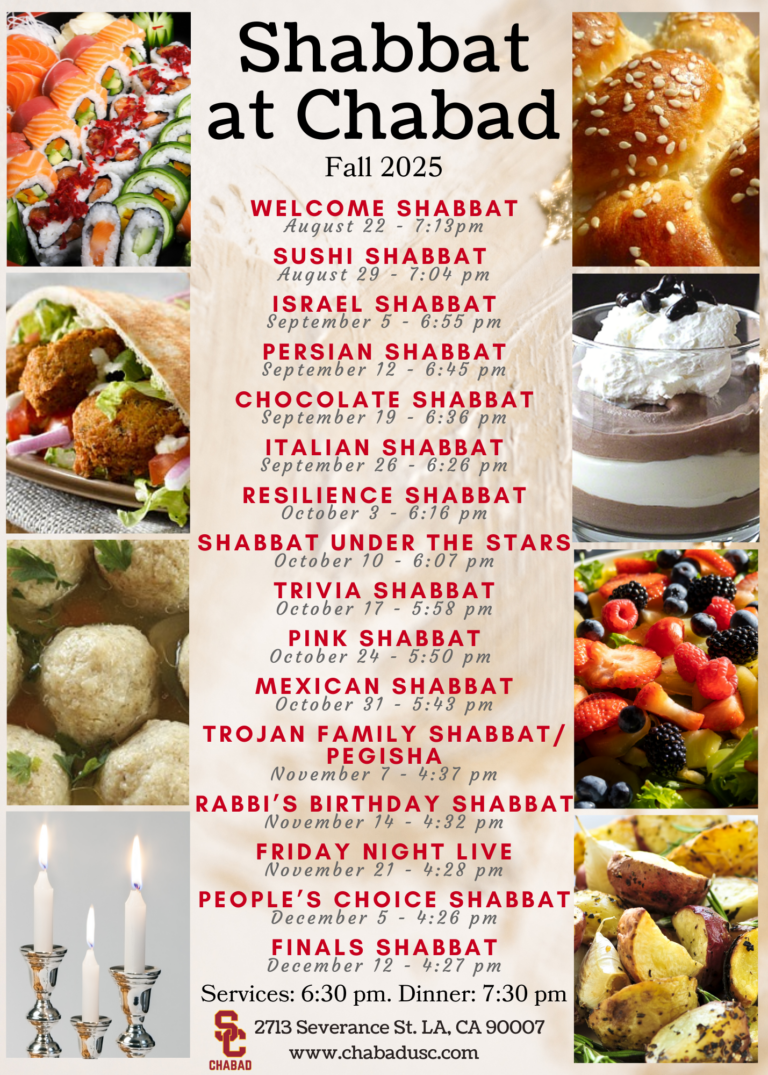
To find the exact minute Shabbat ends during your visit, several digital tools and local resources are available. Most local Jewish newspapers and community websites list the “Havdalah” times for the Los Angeles area. Additionally, the Chabad centers located throughout the city, from Malibu to Pasadena, are excellent resources for travelers seeking community or information on timing.
In conclusion, knowing what time Shabbat ends in Los Angeles is about more than just checking a clock; it is about understanding the heartbeat of the city’s diverse population. Whether you are waiting for the doors of a favorite restaurant in Studio City to open or planning a sunset drive along Mulholland Drive, the transition from the sacred to the mundane is a weekly event that defines the character of this iconic California destination. By respecting and engaging with these local customs, tourists can enjoy a richer, more authentic experience in the City of Angels.
LifeOutOfTheBox is a participant in the Amazon Services LLC Associates Program, an affiliate advertising program designed to provide a means for sites to earn advertising fees by advertising and linking to Amazon.com. Amazon, the Amazon logo, AmazonSupply, and the AmazonSupply logo are trademarks of Amazon.com, Inc. or its affiliates. As an Amazon Associate we earn affiliate commissions from qualifying purchases.