
The New York Stock Exchange, a venerable institution in the global financial landscape, operates on a precise schedule that is crucial for traders, investors, and anyone interested in the pulse of the American economy. Understanding its opening hours is not just a matter of curiosity; it’s fundamental for navigating the world of finance, whether you’re a seasoned professional or a curious observer. This guide delves into the intricacies of the NYSE’s opening bell, providing clarity on its regular trading sessions, special circumstances, and how these times impact global markets.

The Standard NYSE Trading Schedule
The NYSE operates on a defined calendar, adhering to specific times for its daily trading activities. This regularity is a cornerstone of market stability and predictability, allowing participants worldwide to align their strategies.
Regular Trading Hours: A Foundation of the Market
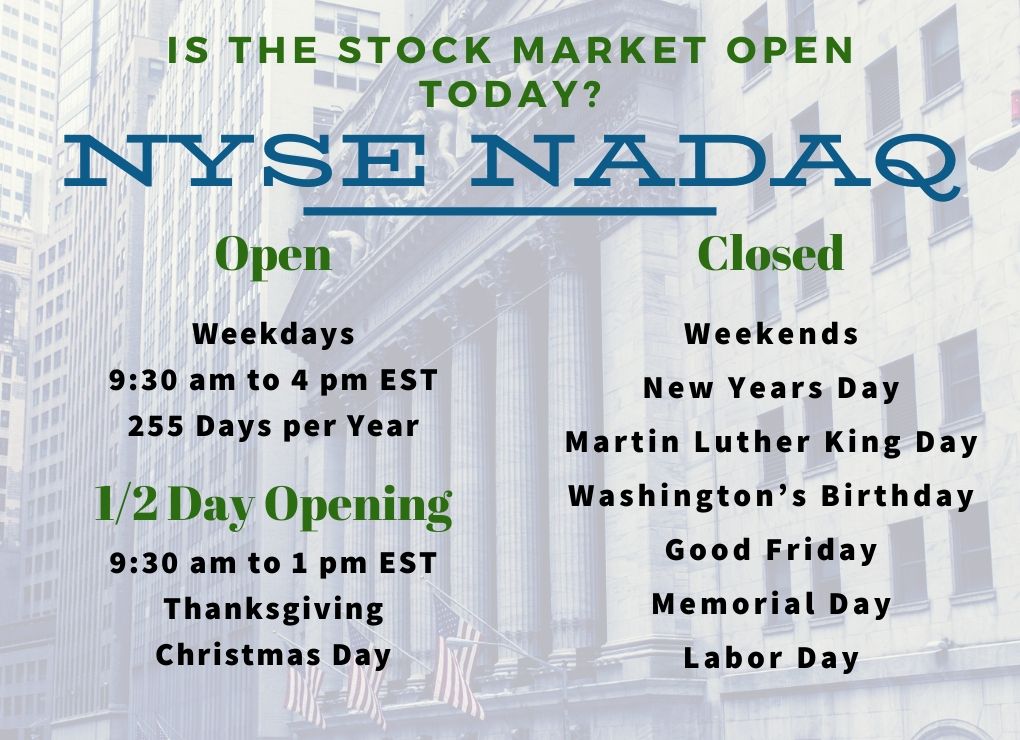
The standard trading day for the New York Stock Exchange begins with the opening bell at 9:30 AM Eastern Time (ET). This marks the commencement of continuous trading for a wide array of equities and other securities. Following the opening bell, the market remains active until the closing bell at 4:00 PM Eastern Time (ET). This seven-and-a-half-hour window constitutes the core trading session.
It is vital to note that Eastern Time (ET) is the primary reference for the NYSE’s schedule. This time zone is critical, especially for international investors who must convert ET to their local times to accurately track market activity. For instance, a trader in London, observing the United Kingdom, will be five hours ahead of ET, meaning the NYSE opening at 9:30 AM ET corresponds to 2:30 PM in London. Similarly, an investor in Tokyo, Japan, which is 14 hours ahead of ET, would see the market open at 11:30 PM local time.
The consistent adherence to these hours ensures that market participants can plan their trading strategies, execute orders, and react to economic news with a reliable framework. This predictability is a significant factor in maintaining confidence and liquidity within the financial markets. The NYSE’s location in New York City, a global financial hub, further amplifies the significance of its trading schedule, influencing markets across continents.
Pre-Market and After-Hours Trading: Extending Opportunities
While the core trading session runs from 9:30 AM to 4:00 PM ET, the NYSE also facilitates trading outside of these standard hours. This allows for a more dynamic market, where investors can react to overnight news or place trades before the main session begins and after it concludes.
Pre-Market Trading Session
The pre-market trading session at the NYSE typically begins as early as 4:00 AM Eastern Time (ET) and concludes just before the official opening at 9:30 AM ET. During this period, trading volume is generally lower compared to the regular session, and the range of securities available for trading may be more limited. However, pre-market trading can be an important indicator of market sentiment and can help shape expectations for the upcoming regular trading day. Major economic data releases or significant corporate news that emerge overnight are often reflected in pre-market price movements.
After-Hours Trading Session
Following the closing bell at 4:00 PM ET, the after-hours trading session commences. This session typically runs until 8:00 PM Eastern Time (ET). Similar to pre-market trading, liquidity can be lower during after-hours, and price fluctuations can be more pronounced. This session is often used by investors to react to company earnings reports released after the market close or to adjust positions based on late-breaking news.
Understanding these extended trading hours is crucial for those who need to be agile in their investment strategies. It allows for a more continuous engagement with the market, offering opportunities to capitalize on events that occur outside the traditional 9:30 AM to 4:00 PM window.
Exceptions to the Rule: Holidays and Special Sessions
The NYSE’s schedule, while remarkably consistent, is not immutable. Several exceptions exist, primarily due to public holidays and, occasionally, special circumstances that necessitate adjustments to the regular trading hours. Being aware of these deviations is paramount to avoid confusion and ensure timely execution of trades.
NYSE Holidays: Market Closures
The New York Stock Exchange observes a set of official holidays on which it closes for trading. These closures are generally aligned with federal and state holidays observed in the United States.
Common NYSE holidays include:
- New Year’s Day (January 1st)
- Martin Luther King, Jr. Day (Third Monday in January)
- Presidents’ Day (Third Monday in February)
- Good Friday (The Friday preceding Easter Sunday)
- Memorial Day (Last Monday in May)
- Juneteenth National Independence Day (June 19th)
- Independence Day (July 4th)
- Labor Day (First Monday in September)
- Thanksgiving Day (Fourth Thursday in November)
- Christmas Day (December 25th)
When a holiday falls on a weekend, the observed closure may be shifted to the preceding Friday or following Monday. For example, if Christmas Day falls on a Saturday, the market is typically closed on the preceding Friday, December 24th. If it falls on a Sunday, the market is closed on the following Monday, December 26th.
Early Closings
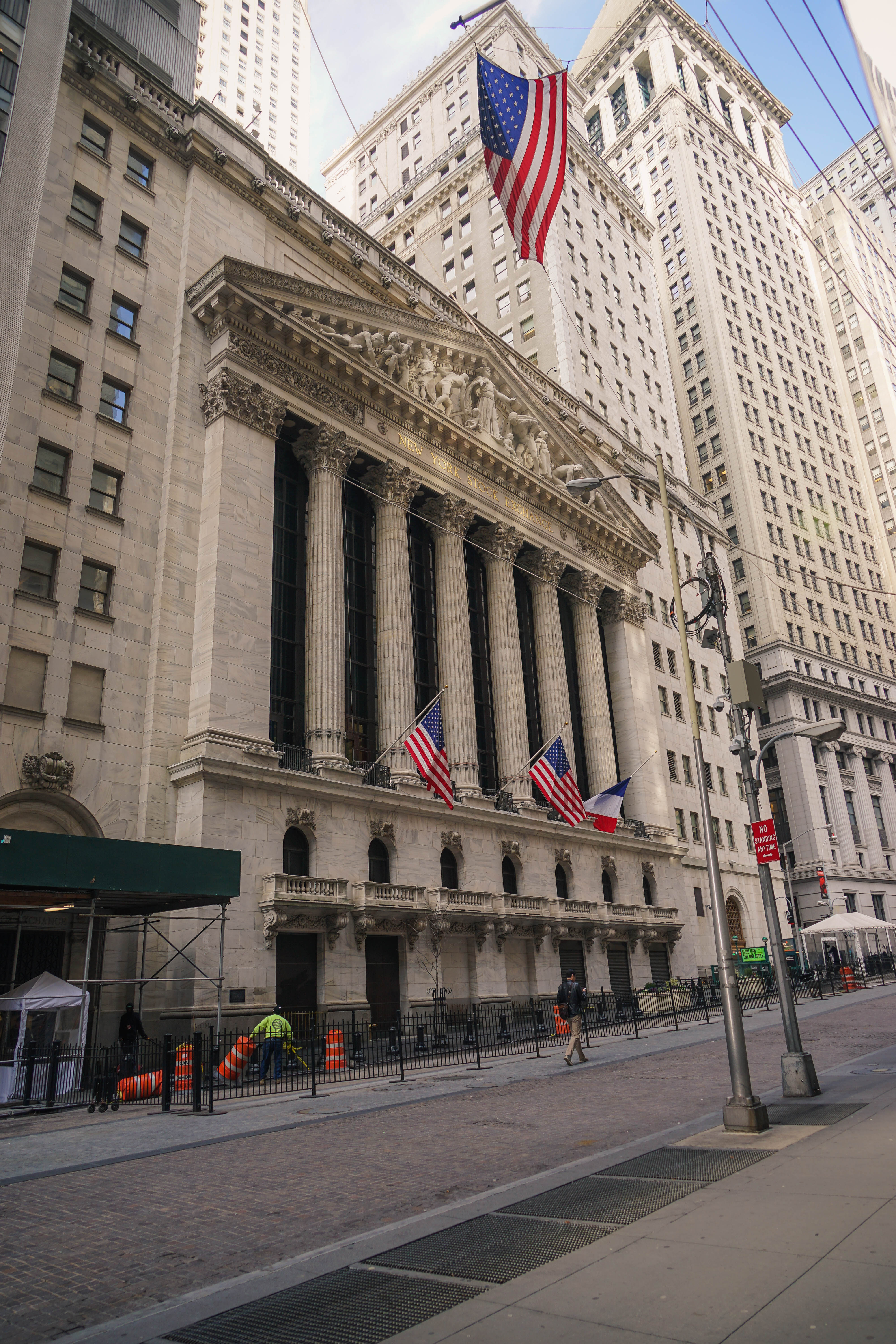
In addition to full-day closures, the NYSE may also schedule early closings on certain days, often preceding a major holiday. These early closings typically occur on the day after Thanksgiving and on Christmas Eve when it falls on a weekday. On these days, the market usually closes at 1:00 PM Eastern Time (ET), providing a shortened trading session.
It is essential for investors to consult the official NYSE holiday calendar for the current year to confirm precise closure dates and any scheduled early closings. This proactive approach ensures that trading plans are not disrupted by unexpected market shutdowns.
Occasional Special Trading Sessions
While rare, the NYSE may, in exceptional circumstances, deviate from its standard schedule for special trading sessions. These are typically reserved for significant events or to commemorate important occasions.
Post-9/11 Resumption
A notable example of a special session occurred after the September 11, 2001, terrorist attacks. The market remained closed for an extended period following the tragedy, and its eventual reopening was carefully managed with specific trading protocols and hours.
Other Commemorative or Event-Driven Sessions
Historically, there have been instances of special, sometimes abbreviated, trading sessions for events of national importance or to honor significant figures. However, these are not part of the regular annual calendar and are announced well in advance by the exchange.
Staying informed about these less frequent schedule changes requires diligence. Following official announcements from the NYSE and reputable financial news outlets is the best way to remain updated on any deviations from the standard opening and closing times.
Understanding the Impact of NYSE Opening Hours
The opening of the New York Stock Exchange is a globally significant event, sending ripples across financial markets worldwide. The timing and nature of its opening can influence investment decisions, currency exchange rates, and the overall economic sentiment.
Global Market Synchronization and Influence
The NYSE’s opening at 9:30 AM ET is a key moment for global markets. As a major exchange in the world’s largest economy, its activities have a profound effect on international financial centers.
Asynchronous Markets and Information Flow
When the NYSE opens, markets in Asia (which are typically closing their trading day) and Europe (which are already well into their trading day) often react to the initial price movements and news that emerge from New York. This creates a dynamic interplay of information and trading activity across different time zones. For instance, a strong opening on the NYSE can boost investor confidence in European markets, while a weak start might trigger sell-offs.
Impact on Major Indices
The opening of the NYSE directly impacts the performance of major stock indices such as the Dow Jones Industrial Average, the S&P 500, and the Nasdaq Composite. Movements in these indices are closely watched by investors globally, serving as barometers of market health and economic sentiment. The opening bell signals the start of the day’s performance for these critical benchmarks.
Strategic Trading and Investment Decisions
For active traders and investors, understanding the nuances of the NYSE’s opening hours is not just about knowing the time; it’s about strategic advantage.
Reacting to Overnight News and Events
The opening hours provide a crucial window for investors to act on information that has emerged since the previous close. This includes economic data releases (such as inflation reports or employment figures), geopolitical developments, or corporate news (like earnings announcements or mergers). The ability to trade immediately at the opening allows for swift adjustments to portfolios.
Liquidity and Volatility at Market Open
The opening of the NYSE is typically characterized by higher trading volume and, consequently, greater liquidity. This means that buying and selling large quantities of securities can be executed more efficiently with less impact on the price. However, this increased activity can also lead to higher volatility, as the market rapidly processes new information and establishes initial price levels. Traders often use the opening minutes to gauge market direction and identify potential trading opportunities, but it also requires careful risk management due to the potential for sharp price swings.
The precise timing of the NYSE opening, therefore, is a critical factor in the strategic planning and execution of trading and investment activities for a global audience.
LifeOutOfTheBox is a participant in the Amazon Services LLC Associates Program, an affiliate advertising program designed to provide a means for sites to earn advertising fees by advertising and linking to Amazon.com. Amazon, the Amazon logo, AmazonSupply, and the AmazonSupply logo are trademarks of Amazon.com, Inc. or its affiliates. As an Amazon Associate we earn affiliate commissions from qualifying purchases.