
The Hudson River is an iconic waterway that winds its way through the heart of New York, shaping its history, influencing its development, and offering breathtaking vistas for residents and visitors alike. As one of the most historically significant rivers in the United States, its presence is deeply intertwined with the narrative of the region. Yet, beyond its scenic beauty and historical resonance, lies a fundamental question for those who navigate or simply admire it: how deep is the Hudson River in New York? Understanding its depth is not merely an academic curiosity; it has profound implications for navigation, ecology, engineering, and the very character of the communities that line its shores.
The Varying Depths of the Hudson River
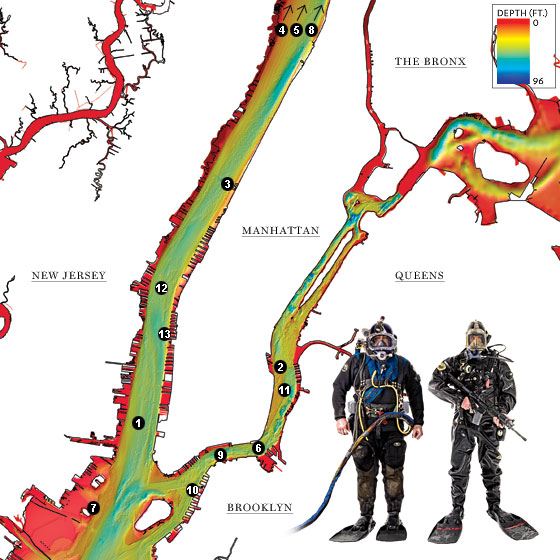
The depth of the Hudson River is not a static figure. Like many rivers, its bathymetry—the measurement of its depth—is dynamic, influenced by a confluence of geological factors, hydrological processes, and human interventions. The river’s journey from the Adirondack Mountains to its estuary in New York Harbor is one of dramatic change, and its depth reflects this evolution. From its relatively shallow headwaters to its deeper channels near the Atlantic, the river presents a complex and varied underwater topography.
Headwaters to the Capital Region
The initial stretch of the Hudson River in the Adirondack Mountains is characterized by its nascent form. Here, the river is a collection of streams and small lakes, and its depth is negligible, often no more than a few feet. As it gathers momentum and volume, flowing southward, its depth begins to increase. By the time it reaches the capital region, encompassing cities like Troy and Albany, the river has broadened and deepened considerably. The average depth in this section can range from 20 to 30 feet, though this can fluctuate significantly due to natural sediment deposition and seasonal rainfall. Navigational channels are maintained here for commercial traffic, ensuring a minimum depth, but the natural riverbed can be considerably shallower in certain areas.
The Tidal Hudson and its Depths
The true transformation of the Hudson River occurs as it enters its tidal reach, a phenomenon that begins around the confluence with the Mohawk River near Waterford. From this point southwards, the river is influenced by the ebb and flow of the Atlantic Ocean tides, meaning its water level and even its direction of flow can change twice daily. This tidal influence is a key factor in its increasing depth. The riverbed here is a mix of naturally eroded rock and sediment, along with materials deposited over centuries of human activity.
The Main Channel: A Navigational Highway
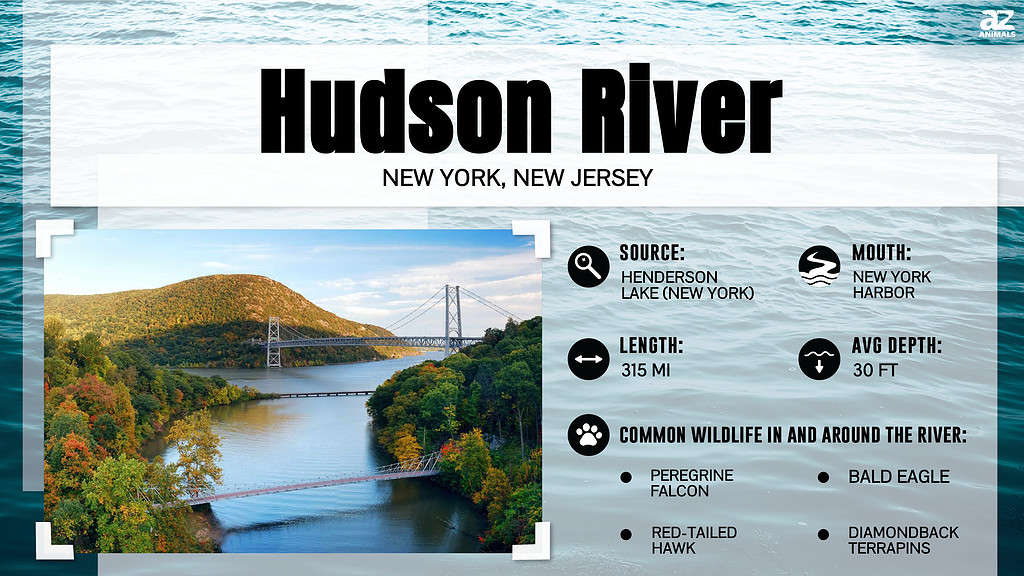
For commercial shipping and larger recreational vessels, the Hudson River is maintained as a federal navigation project. The primary navigational channel, known as the Hudson River Federal Navigation Project, is typically dredged to a depth of 32 feet from Troy to New York Harbor. This controlled depth is crucial for the passage of cargo ships, ferries, and other vessels that are vital to the region’s economy. However, it’s important to note that this 32-foot figure represents the controlled depth. The actual, natural depth of the riverbed can be considerably greater in some areas and significantly shallower in others, particularly away from the main channel. These deeper sections are often the result of glacial scouring during the last Ice Age, which carved out significant basins in the riverbed.
Beyond the Channel: Natural Variations
Away from the meticulously maintained federal channel, the depth of the Hudson River can vary dramatically. In areas where the river widens or where tributaries deposit sediment, the riverbed can rise, leading to shallower zones. Conversely, in areas where the river narrows or where ancient geological features are present, the river can be significantly deeper than the navigable channel. For instance, there are recorded depths in the river that far exceed the 32-foot mark. These deeper pockets are often of ecological significance, providing distinct habitats for various aquatic species. Anecdotal evidence and sonar readings suggest that in some of the deepest natural troughs, the Hudson River can reach depths well over 100 feet, and in certain specific locations, these depths can approach or even exceed 200 feet. These deeper areas are typically found in the wider sections of the river, often downstream of major urban centers like New York City.
Factors Influencing Hudson River Depth
Several dynamic forces contribute to the ever-changing depth of the Hudson River. Understanding these factors is key to appreciating the complex hydrology and geomorphology of this vital waterway.
Geological Formations and Glacial Legacy
The underlying geology of the Hudson River basin plays a fundamental role in its depth. The river follows a rift valley, a geological feature formed by the stretching and thinning of the Earth’s crust. This ancient geological fault line has created a naturally deeper trough. Furthermore, the region’s glacial history is a significant contributor. During the last Ice Age, massive glaciers advanced and retreated across North America. As these glaciers carved their way through the landscape, they scoured out deep basins and valleys, which were subsequently filled with water as the ice melted, forming the Hudson River valley. The depth of these ancient glacial scours accounts for some of the deepest natural points within the river.
Sedimentation and Erosion
The constant movement of water within the Hudson River leads to ongoing processes of sedimentation and erosion. Sediment, consisting of sand, silt, and clay, is carried downstream from the river’s tributaries and from its watershed. Where the river’s flow slows, such as in wider expanses or behind man-made structures, this sediment can be deposited, gradually raising the riverbed and reducing its depth. Conversely, in areas where the current is strong or constricted, erosion can occur, deepening the riverbed. Human activities, such as construction and dredging, also play a significant role in altering sediment dynamics and, consequently, the river’s depth.
Tides and Freshwater Flow
As mentioned, the tidal influence from the Atlantic Ocean significantly impacts the river’s depth, particularly in its lower reaches. The incoming tide pushes saltwater upstream, raising the water level and subtly influencing the riverbed over time. Conversely, the outgoing tide lowers the water level. In addition to tides, the volume of freshwater flowing into the river from its tributaries and rainfall also affects its depth. Higher freshwater inflow, especially during spring melt or periods of heavy rain, can increase the river’s overall water level and alter current speeds, influencing erosion and sedimentation patterns. The balance between freshwater inflow and tidal influence creates a complex hydrological system that dictates the river’s ever-changing depths.
Navigational and Ecological Significance
The depth of the Hudson River is not just a geographical statistic; it is a critical factor with far-reaching implications for both human activities and the health of its ecosystem.
A Vital Artery for Commerce and Transportation
The maintained navigational channel of the Hudson River is a testament to its importance as a commercial waterway. For centuries, the river has served as a vital artery for trade, connecting the interior of the state with the bustling port of New York City and the Atlantic Ocean. The consistent depth of the federal channel allows for the efficient movement of goods and raw materials, supporting industries and economies throughout the Hudson Valley. Beyond commercial shipping, the river also accommodates a significant amount of recreational boating, including ferries, tour boats, and private vessels. The depth is crucial for the safe operation of these diverse watercraft, contributing to the vibrant tourism and transportation landscape of New York.
Supporting a Rich Aquatic Ecosystem
The varying depths of the Hudson River create a diverse range of habitats that support a rich and complex aquatic ecosystem. Deeper sections of the river provide refuge for larger fish species and can offer different thermal regimes than shallower areas. The presence of underwater structures, natural depressions, and the interface between freshwater and saltwater zones all contribute to the biodiversity of the river. Many species, including migratory fish like the American Shad and various types of sturgeon, rely on the river’s depth and flow patterns for their life cycles. The health of this ecosystem is directly tied to the river’s physical characteristics, including its depth, water quality, and the connectivity of its various habitats. Maintaining appropriate depths, particularly through careful management of dredging activities, is essential for preserving the ecological integrity of this renowned waterway. The presence of shipwrecks, some dating back centuries, also adds another layer to the river’s underwater landscape, providing artificial reefs and habitats for marine life.
Engineering Marvels and Human Impact
The human history of the Hudson River is inextricably linked to its depth, prompting various engineering feats and interventions that have shaped its character.
Bridges and Tunnels: Overcoming the Depths
The challenge of crossing the wide expanse of the Hudson River has led to some of the most impressive engineering achievements in New York. The construction of bridges, such as the George Washington Bridge and the Mario M. Cuomo Bridge, requires foundations that reach far below the river’s surface. The depth of the river at these crossing points dictates the design and engineering complexity, necessitating massive pilings and extensive underwater construction to ensure stability. Similarly, underwater tunnels, like those carrying New York City subway lines, are bored deep beneath the riverbed, demonstrating how human infrastructure must contend with and adapt to the river’s profound depths.
Dredging and Environmental Considerations
Dredging has been a critical practice for maintaining the navigable depths of the Hudson River for centuries. This process involves removing accumulated sediment to ensure that the federal channel remains at its designated depth. While essential for commerce, dredging is a complex undertaking with significant environmental considerations. The disturbed sediment can reintroduce pollutants into the water column, and the act of dredging itself can impact benthic habitats and aquatic life. Modern dredging practices aim to minimize these impacts, often involving careful monitoring of water quality and the responsible disposal of dredged materials. Balancing the need for navigation with the imperative to protect the river’s delicate ecosystem is an ongoing challenge for environmental agencies and engineers working on the Hudson River. The historical legacy of industrial pollution in some sections of the river has also led to extensive efforts to remediate contaminated sediments, further complicating dredging operations.
In conclusion, the question of how deep the Hudson River is in New York reveals a fascinating interplay of geology, hydrology, and human endeavor. While the maintained navigational channel offers a benchmark figure of 32 feet, the river’s actual depth is a dynamic landscape of natural variations, from shallow headwaters to deep glacial troughs, some potentially exceeding 200 feet. This ever-changing bathymetry is fundamental to the river’s role as a vital transportation corridor, a thriving ecological system, and a canvas for remarkable human engineering. Understanding and respecting these depths is crucial for appreciating and preserving this magnificent natural and cultural icon.
LifeOutOfTheBox is a participant in the Amazon Services LLC Associates Program, an affiliate advertising program designed to provide a means for sites to earn advertising fees by advertising and linking to Amazon.com. Amazon, the Amazon logo, AmazonSupply, and the AmazonSupply logo are trademarks of Amazon.com, Inc. or its affiliates. As an Amazon Associate we earn affiliate commissions from qualifying purchases.