
Dreaming of the white sands, lush landscapes, and vibrant culture of Hawaii? For many, the first and most pressing question before embarking on this Pacific paradise journey is: “How much does a ticket to Hawaii cost?” The answer, unfortunately, isn’t a simple one-size-fits-all figure. Airfare to Hawaii is notoriously dynamic, influenced by a myriad of factors that can cause prices to fluctuate wildly, from a few hundred dollars to well over a thousand for a round-trip ticket. Understanding these variables is key to finding the best deal and making your Hawaiian getaway a reality without breaking the bank. This comprehensive guide will delve into the intricacies of Hawaiian airfare, offering insights and strategies to help you navigate the booking process like a seasoned traveler.
Unpacking the Variable Cost of Airfare to Hawaii
The journey to the Aloha State is a coveted experience, and the cost of getting there often represents a significant portion of the overall travel budget. Unlike domestic flights on the mainland, air travel to Hawaii involves a considerable distance over the Pacific Ocean, contributing to higher baseline costs. However, even with this inherent distance, prices vary dramatically, making careful planning essential.
The Allure of Hawaii and its Price Tag
Hawaii consistently ranks among the most desired travel destinations globally, drawing millions of visitors each year to its six major islands: Oahu, Maui, Kauai, Hawaii Island (Big Island), Molokai, and Lanai. This high demand naturally drives up prices, especially during peak travel seasons. The unique geographical isolation of the islands also plays a role; fewer airlines service the route compared to more conventional destinations, and the specialized logistics of transporting goods and people across vast expanses of water add to the operational costs for carriers. Travelers must recognize that while deals exist, a truly “cheap” flight to Hawaii often requires strategic planning and flexibility.
Key Factors Influencing Ticket Prices
Several critical elements dictate the price you’ll pay for a ticket to Hawaii:
- Departure City: Flights from West Coast cities like Los Angeles, San Francisco, Seattle, and Portland are typically less expensive and shorter in duration than those from the East Coast or Midwest.
- Time of Year: Seasonal demand is a monumental factor. Traveling during popular holidays or school breaks will inevitably cost more.
- Booking Lead Time: How far in advance you book your ticket can significantly impact the price.
- Flexibility: Being flexible with your travel dates and even your departure or arrival airports can unlock substantial savings.
- Airline and Class of Service: Budget airlines often offer lower fares, but with fewer amenities. The class of service (economy, premium economy, business, first class) also drives prices dramatically upward.
- Direct vs. Connecting Flights: Non-stop flights generally command a premium over flights with layovers.
Seasonal Swings and Booking Strategies
Understanding the rhythm of travel demand to Hawaii is crucial for securing the best prices. The islands experience distinct peak and off-peak seasons, and savvy travelers can use this knowledge to their advantage.
Peak vs. Off-Peak Travel Periods
- Peak Season: Prices soar during major holidays, such as Christmas and New Year’s, President’s Day week, Spring Break (typically March and April), and the entire summer (late May through early August). During these times, round-trip economy fares from the U.S. mainland can easily range from $700 to $1,500+, depending on the origin and destination.
- Off-Peak (Shoulder) Season: The sweet spot for lower fares usually falls outside these busy periods. The cheapest times to fly generally are:
- Mid-January to early March (excluding President’s Day week).
- Late April to early June (before summer rush).
- Late August to early December (excluding Thanksgiving week).
During these shoulder seasons, round-trip fares can often be found for $400 to $700, especially from West Coast cities.
The Golden Window: When to Book Your Flight
Conventional wisdom suggests booking domestic flights around 1-3 months in advance. For Hawaii, which is a longer, more specialized route, the ideal booking window is often extended. Many travel experts recommend booking 3-6 months in advance, particularly if your travel dates are during a peak season or if you desire non-stop flights. For off-peak travel, you might find good deals even closer to your departure, but planning further ahead generally yields more options and better prices. Last-minute deals to Hawaii are rare and unreliable.
The Impact of Flexibility on Your Wallet
One of the most powerful tools in a traveler’s arsenal for saving money on flights is flexibility.
- Flexible Dates: If your schedule allows, try to fly on weekdays (Tuesday, Wednesday, and Thursday are often cheapest) rather than weekends. Shifting your travel by just a day or two can sometimes result in significant savings.
- Flexible Airports: Consider flying into or out of different airports. For example, if you’re flying to Oahu, Honolulu International Airport (HNL) is the main hub. However, if you’re visiting Maui, comparing prices to Kahului Airport (OGG) versus potentially connecting via HNL could reveal different costs.
Major Airlines and Departure Hubs
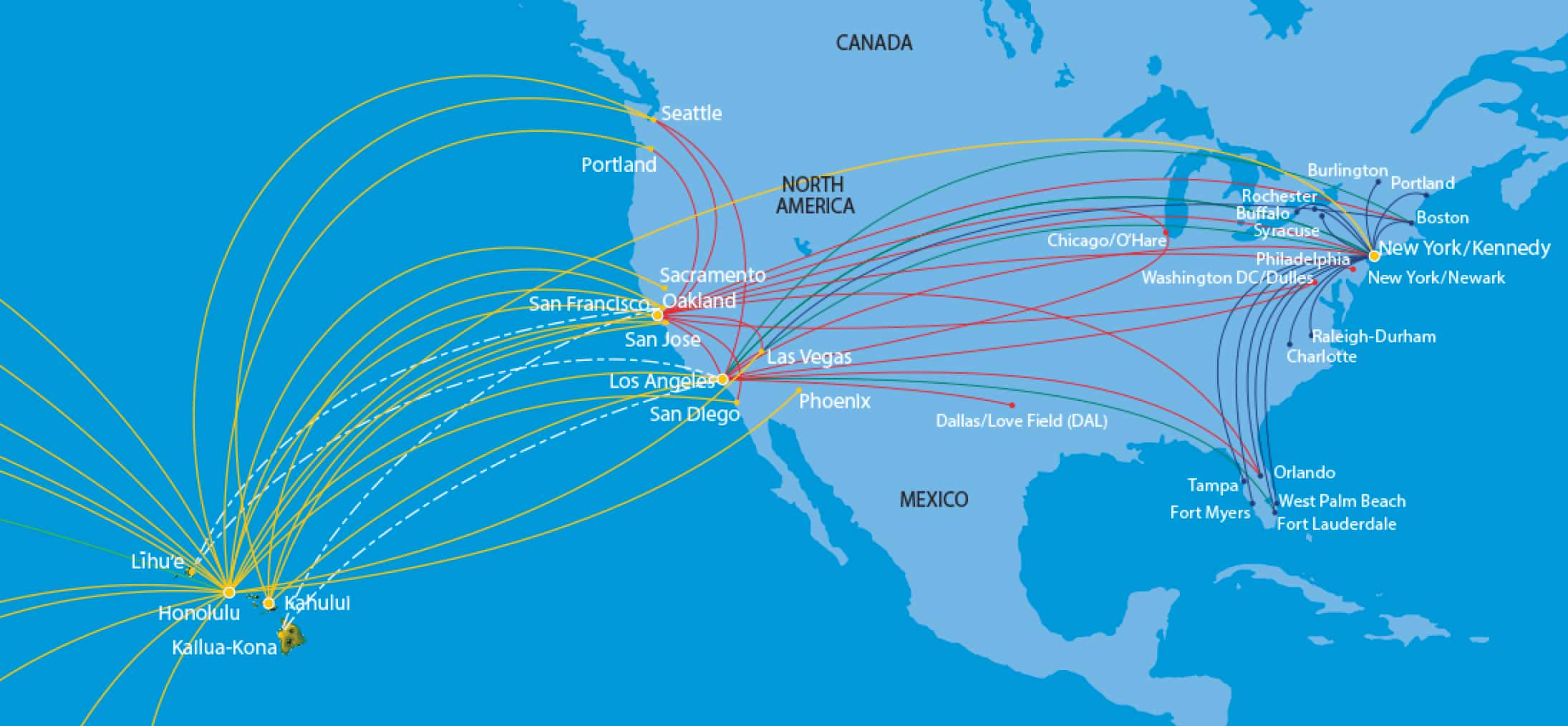
Several major airlines offer direct and connecting flights to Hawaii from various cities across the United States. Knowing which airlines serve your desired route and which airports are common departure points can help you compare options effectively.
Airlines Serving the Aloha State
The primary carriers flying to Hawaii include:
- Hawaiian Airlines: The state’s flag carrier, offering extensive service from the U.S. mainland and inter-island flights.
- United Airlines: Major hub connections from cities like San Francisco, Los Angeles, Denver, Chicago, and Houston.
- Delta Air Lines: Strong presence from Atlanta, Seattle, Los Angeles, and Salt Lake City.
- American Airlines: Flights from Dallas/Fort Worth, Phoenix, Los Angeles, and Charlotte.
- Southwest Airlines: Expanded service to Hawaii with direct flights from various West Coast cities, often known for competitive pricing and two free checked bags.
- Alaska Airlines: Significant service from Seattle, Portland, San Francisco, and San Diego.
Smaller carriers or charter flights may also offer seasonal service, so it’s always worth checking a variety of sources.
Departure Cities: West Coast vs. East Coast
As mentioned, your departure point dramatically affects the cost and duration of your flight.
- West Coast Hubs: Cities like Los Angeles, San Francisco, Seattle, Portland, and San Diego typically offer the most frequent and most affordable direct flights to Hawaii. A round-trip ticket from these cities can range from $350-$700 during off-peak times and $600-$1000+ during peak.
- Midwest and East Coast: Travelers from cities like New York, Boston, Chicago, Atlanta, or Miami will almost certainly face higher prices and longer travel times, often involving one or more connections, usually on the West Coast. Fares from these regions can start at $600-$900 during off-peak and easily exceed $1,000-$1,500+ during peak season.

Arrival Airports: Choosing Your Hawaiian Gateway
Hawaii has five main international airports that receive flights from the U.S. mainland:
- Honolulu International Airport (HNL) on Oahu: The busiest and most accessible, often offering the most competitive prices due to higher flight volume.
- Kahului Airport (OGG) on Maui: A very popular direct destination.
- Kona International Airport (KOA) on Hawaii Island: Serves the west side of the Big Island.
- Lihue Airport (LIH) on Kauai: Direct flights available, but often slightly pricier than HNL.
- Hilo International Airport (ITO) on Hawaii Island: Serves the east side of the Big Island, often fewer direct flights and potentially higher prices.
While HNL is generally the cheapest to fly into, sometimes direct flights to OGG or KOA can be competitively priced, especially if you plan to spend your entire trip on that island and avoid inter-island travel costs.
Navigating the Nuances of Flight Pricing
Beyond the basic factors, subtle differences in how flights are structured can significantly impact the final ticket price. Understanding these nuances can empower you to make more informed decisions.
Direct vs. Connecting Flights
Direct (non-stop) flights are highly convenient, getting you to your destination faster without the hassle of layovers. However, this convenience often comes at a premium. Connecting flights, especially those with longer layovers or multiple stops, are typically cheaper. If budget is a primary concern, consider embracing a connecting flight. Just be sure to factor in the extra travel time and potential for delays. For example, a non-stop flight from Los Angeles to Honolulu might cost $600, while a flight with a stop in Phoenix could be $450.
Economy, Premium Economy, Business, and First Class
The class of service you choose profoundly affects the ticket price:
- Economy: The standard and most affordable option, offering basic seating and amenities. Most of the prices discussed thus far pertain to economy class.
- Premium Economy: A step up from economy, offering more legroom, wider seats, enhanced meal service, and sometimes priority boarding. These tickets typically cost 50-100% more than economy.
- Business Class: Significant upgrade in comfort, including lie-flat seats on many long-haul flights, gourmet meals, lounge access, and dedicated service. Expect prices to be 2-5 times that of economy.
- First Class: The pinnacle of luxury air travel, offering the most spacious seating, personalized service, and exclusive amenities. First-class tickets can be 5-10+ times the cost of economy.
Unless luxury and comfort are paramount, sticking to economy or occasionally premium economy will keep your Hawaiian ticket cost manageable.
Hidden Costs and What to Watch For
While the base fare is the most significant component, be aware of additional charges that can inflate your total cost:
- Checked Bag Fees: Many airlines, particularly budget carriers like Southwest Airlines (which includes two free checked bags) and other major airlines, charge for checked luggage. These fees can add $30-$60 per bag, each way.
- Seat Selection Fees: Some airlines charge an extra fee to select your preferred seat, especially for aisle or window seats, or those with extra legroom.
- In-Flight Services: Meals, snacks, drinks, Wi-Fi, and entertainment systems might not be included in the basic economy fare.
- Travel Insurance: While not always mandatory, travel insurance is an added cost that many travelers consider for peace of mind.
Always read the fine print and compare the total cost, including all potential fees, when evaluating different flight options.
Savvy Tips for Securing Cheaper Flights to Hawaii
Finding a good deal on flights to Hawaii is less about luck and more about strategy. By employing a few smart tactics, you can significantly reduce your airfare expenses.
Leveraging Flight Comparison Tools
Start your search with popular flight comparison websites and apps. These platforms aggregate data from numerous airlines and online travel agencies, allowing you to quickly compare prices across different dates, airlines, and routes.
Some widely used tools include:
- Google Flights
- Skyscanner
- Kayak
- Expedia
- Priceline
Always double-check prices directly on the airline’s website after finding a good deal, as sometimes they offer exclusive fares or better terms.
Setting Price Alerts and Being Patient
Flight prices can change several times a day. Instead of constantly checking, set up price alerts through comparison websites. These alerts will notify you via email when the fare for your desired route drops, allowing you to jump on a good deal when it appears. Patience is key; don’t panic-buy the first reasonable fare you see, but also don’t wait too long if you see a truly exceptional price, as it might not last.
Considering Alternative Departure/Arrival Dates and Airports
As discussed, flexibility is a superpower when it comes to saving money. Use the “flexible dates” or “calendar view” features on flight search engines to see prices for an entire month at a glance. Sometimes shifting your travel by just a day or two can save you hundreds of dollars. Similarly, be open to flying from a slightly farther airport if the savings are substantial, or flying into a less popular Hawaiian airport if it fits your itinerary.
Loyalty Programs and Travel Credit Cards
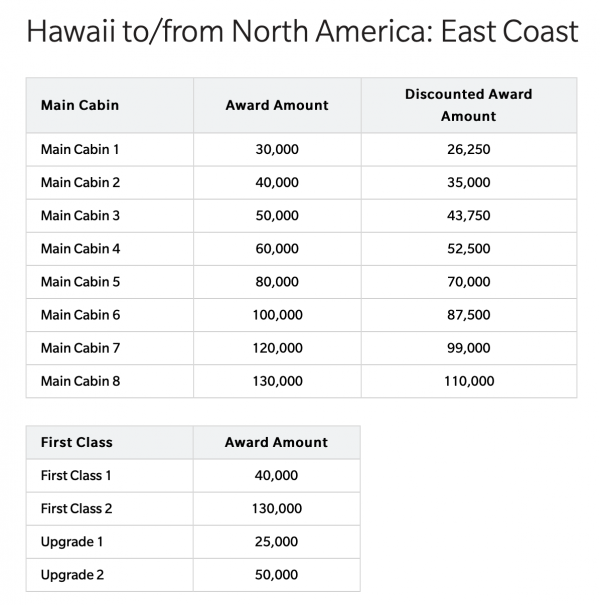
If you frequently fly with a particular airline, consider joining their loyalty program. Accumulating miles can eventually lead to free or heavily discounted flights. Many travel-focused credit cards also offer sign-up bonuses of tens of thousands of miles, which can often be enough for a round-trip ticket to Hawaii, especially from the West Coast. Be mindful of annual fees and interest rates, but strategically using these cards can be a game-changer for reducing airfare costs.
In conclusion, the cost of a ticket to Hawaii is a multifaceted equation with no single answer. By understanding the factors that influence pricing, being strategic with your booking, and remaining flexible, you can significantly increase your chances of finding an affordable fare. With careful planning, your dream Hawaiian vacation can become a beautiful reality, leaving more in your budget to enjoy the captivating wonders of the islands themselves.
LifeOutOfTheBox is a participant in the Amazon Services LLC Associates Program, an affiliate advertising program designed to provide a means for sites to earn advertising fees by advertising and linking to Amazon.com. Amazon, the Amazon logo, AmazonSupply, and the AmazonSupply logo are trademarks of Amazon.com, Inc. or its affiliates. As an Amazon Associate we earn affiliate commissions from qualifying purchases.