
For many travelers planning a trip to the Grand Canyon State, a seemingly simple question about local time can quickly become a source of confusion. Unlike the majority of the United States, Arizona observes a unique time zone practice that often catches visitors off guard. Understanding Arizona’s approach to time is crucial for seamless travel planning, from coordinating flights and hotel check-ins to scheduling tours and dining experiences. This guide will demystify the state’s distinctive time zone, helping you navigate your Arizona adventure with clarity and confidence.
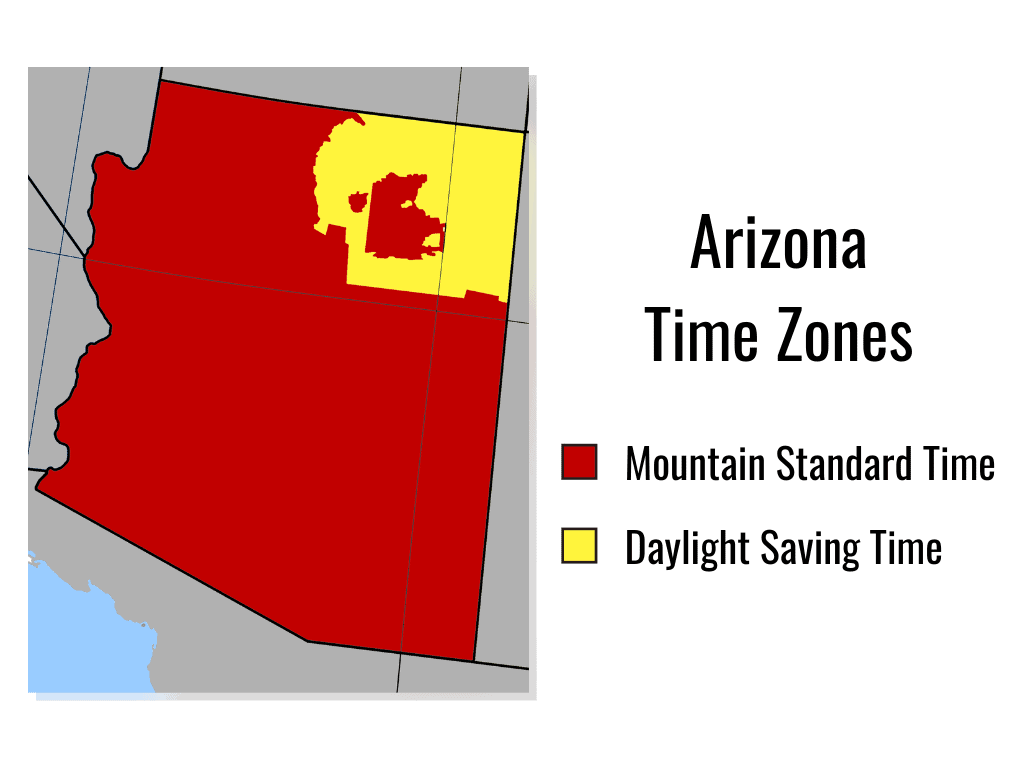
At its core, most of Arizona operates on Mountain Standard Time (MST) year-round. This means that while much of the country springs forward and falls back with Daylight Saving Time (DST), Arizona largely remains constant. However, there is a significant exception: the Navajo Nation, a large sovereign territory spanning parts of northeastern Arizona, does observe Daylight Saving Time. This creates a fascinating and sometimes perplexing dynamic for travelers crossing its borders. Delving into the nuances of this system is not just about avoiding missed appointments; it’s about appreciating a part of Arizona’s independent spirit and its commitment to a consistent way of life.
Arizona’s Unwavering Commitment to Mountain Standard Time
The first and most important piece of information for any traveler to Arizona is that the vast majority of the state observes Mountain Standard Time (MST) throughout the entire year. This means that when the rest of the country adjusts its clocks for Daylight Saving Time, Arizona does not. From the bustling streets of Phoenix and Tucson to the majestic vistas of the Grand Canyon, you’ll find clocks remain unchanged, offering a unique stability to daily life.
Why No Daylight Saving Time?
The decision to forgo Daylight Saving Time isn’t a recent quirk; it’s rooted in practical considerations and a bit of historical precedence. Arizona first opted out of DST in 1968. The primary reason behind this choice is the state’s extreme summer heat. During the hottest months, extending daylight into the evening would simply mean more hours of intense sunlight and heat, which is counterproductive to energy conservation and comfortable living. Most Arizonans prefer to have the sun set earlier in the evening during summer, allowing for outdoor activities to begin sooner after the peak heat of the day subsides. For example, if DST were observed, the sun would set around 9:00 PM or later in Phoenix during July, prolonging the period of extreme heat. By sticking to MST, evenings come a little earlier, making activities like al fresco dining, hiking, or even just enjoying a cooler patio more pleasant. This consistent approach has become a hallmark of the Arizona lifestyle, influencing everything from business hours to recreational schedules.
What This Means Relative to Other Time Zones
Understanding Arizona’s year-round MST can be simplified by comparing it to common time zones during both standard time and Daylight Saving Time periods:
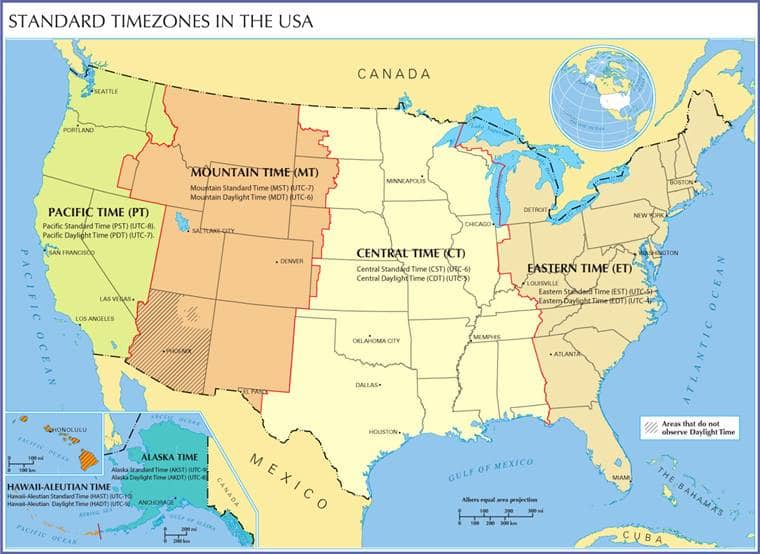
- During Standard Time (Winter Months): When most of the US is on standard time (e.g., Eastern Standard Time, Central Standard Time, Pacific Standard Time), Arizona is one hour ahead of Pacific Standard Time (PST), two hours behind Central Standard Time (CST), and three hours behind Eastern Standard Time (EST). This aligns Arizona perfectly with its Mountain Standard Time designation.
- During Daylight Saving Time (Summer Months): This is where the difference becomes most apparent. When areas like California and Nevada switch to Pacific Daylight Time (PDT), Arizona does not change. This means Arizona effectively becomes synchronized with Pacific Daylight Time. So, if it’s 3:00 PM in Los Angeles (PDT), it’s also 3:00 PM in Phoenix (MST). Conversely, Arizona is then two hours behind Central Daylight Time (CDT) and three hours behind Eastern Daylight Time (EDT).
This consistent schedule simplifies internal operations within the state but requires careful consideration when communicating or traveling across state lines, especially with neighbors like Utah, Colorado, and New Mexico, which do observe DST.
The Navajo Nation Exception: A Time Anomaly
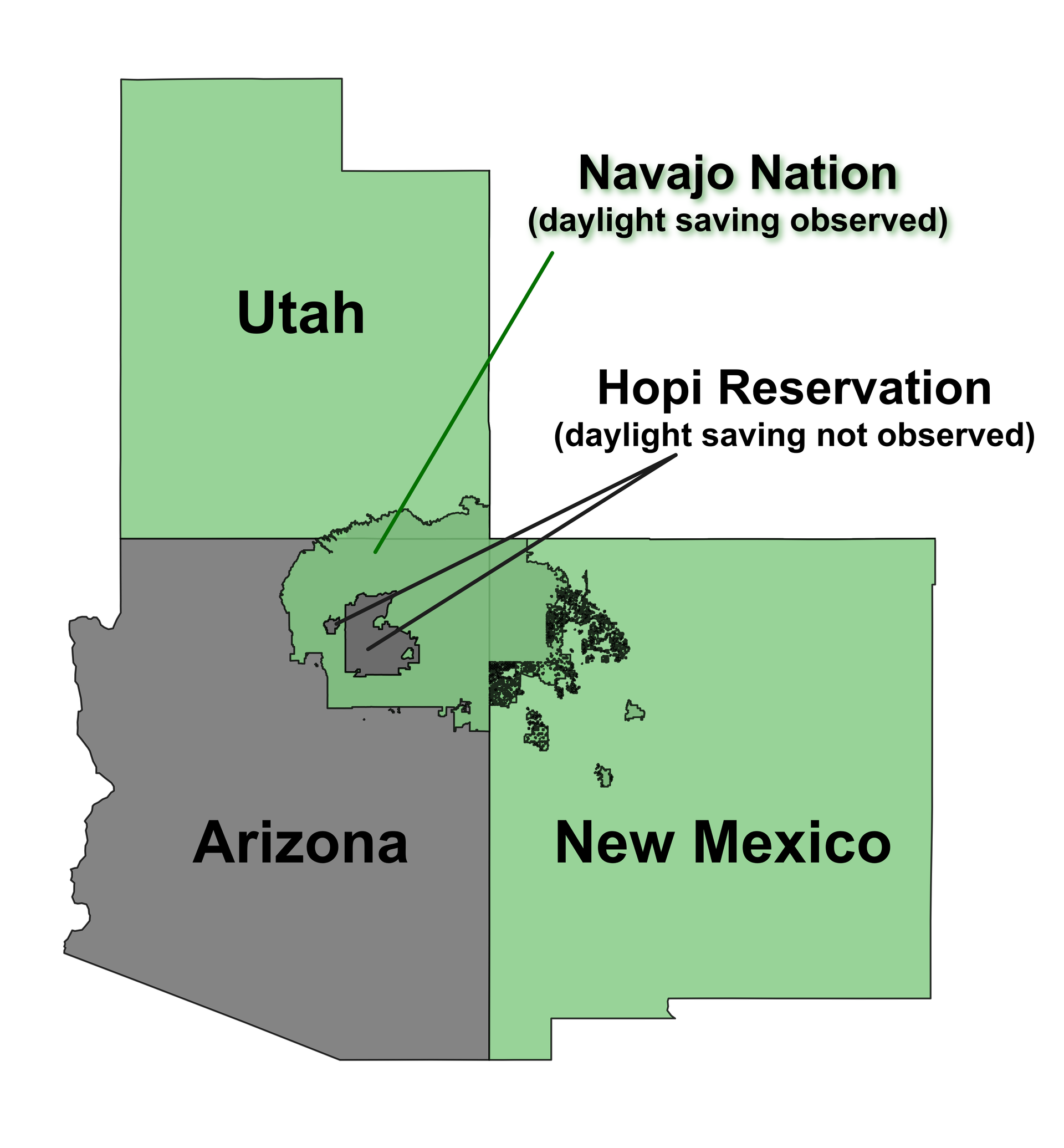
While most of Arizona keeps to its steadfast MST, there’s one significant exception that travelers must be aware of: the Navajo Nation. This vast, autonomous territory, which encompasses a substantial portion of northeastern Arizona and extends into Utah and New Mexico, does observe Daylight Saving Time. This unique situation means that during the spring, summer, and early fall months, there’s an hour-long time difference between areas within the Navajo Nation and the rest of Arizona.
Understanding the Navajo Time Shift
The Navajo Nation follows a system common to its neighboring states, advancing its clocks by one hour during Daylight Saving Time. This decision allows for better coordination with the federal government and surrounding states, as well as providing more daylight during the traditional working hours for farming and ranching communities.
For a traveler, this means that from early March to early November, if you drive from a city like Flagstaff (which observes MST year-round) into a town within the Navajo Nation, such as Window Rock or Monument Valley, you will need to advance your clock by one hour. When Daylight Saving Time ends in November, the Navajo Nation falls back an hour, bringing it back into sync with the rest of Arizona’s MST.
Practical Implications for Travelers in Navajo Country
The Navajo Nation is home to some of Arizona’s most iconic natural attractions, including parts of the Grand Canyon (such as the Desert View Watchtower), Antelope Canyon, and Canyon de Chelly National Monument. Many visitors also travel through the Navajo Nation to reach the Four Corners Monument.
When planning your itinerary:
- Tours and Reservations: Always confirm the time zone for any tours or accommodations booked within the Navajo Nation. If you’re coming from Phoenix or Sedona during DST, a 9:00 AM tour in Page (which is near the Navajo Nation but not in it, thus on MST) would be at 10:00 AM on Navajo Nation time if your tour operator is based there. Be explicit and ask: “Is this time Arizona time or Navajo Nation time?”
- Driving: As you drive into the Navajo Nation, you’ll often see signs reminding you to adjust your clocks. Your phone might also automatically update, but it’s always wise to be aware.
- Fueling Up and Supplies: Keep in mind that gas stations and stores will operate on Navajo Nation time, impacting your schedule for replenishing supplies.
This time difference is a fascinating cultural and logistical element of traveling through Arizona’s diverse landscapes, highlighting the sovereign nature of tribal lands.
Practical Planning for Your Arizona Itinerary
Navigating Arizona’s unique time zone situation, especially with the Navajo Nation exception, is straightforward once you know the rules. It primarily affects your planning for travel during the Daylight Saving Time months (roughly March to November).
Coordinating with Neighboring States and Travel Plans
When traveling to Arizona from a state that observes Daylight Saving Time, pay close attention to your flight times and connections.
- Flights: If flying into Phoenix Sky Harbor International Airport (PHX) or Tucson International Airport (TUS) during DST, your arrival time might appear an hour “earlier” than expected if you’re coming from, say, Los Angeles, Las Vegas (Nevada), or Denver (Colorado). Remember that during DST, Arizona aligns with Pacific Daylight Time (PDT). So, a 10:00 AM flight from Los Angeles (PDT) arriving in Phoenix will indeed arrive at 10:00 AM Arizona time.
- Road Trips: Planning a road trip that includes Arizona and neighboring states like California, Nevada, Utah, or New Mexico? Be mindful of the time changes at state borders. For example, if you drive from Las Vegas (Nevada) to Kingman (Arizona) during DST, you won’t change your clock. However, if you drive from St. George (Utah) to Page (Arizona) during DST, you’ll gain an hour as Utah observes DST.
- Hoover Dam: Visiting the Hoover Dam? The dam itself lies on the border of Arizona and Nevada. The Nevada side observes PDT during DST, while the Arizona side stays on MST. This often means the Arizona side is an hour behind Nevada during DST. However, some tours originating from Las Vegas might refer to Pacific Time. Always clarify.
Booking Tours, Dining, and Experiences
The time zone consistency within most of Arizona generally makes local planning straightforward. Towns like Sedona, Flagstaff, Yuma, Lake Havasu City, Scottsdale, Tempe, and Mesa all operate on MST year-round.
- Always Verify: When booking anything remotely, especially if the operator is on the border of the Navajo Nation or a neighboring state, confirm “local Arizona time” or “local Navajo Nation time.”
- Digital Devices: Modern smartphones and GPS devices usually adjust automatically based on your location. However, don’t rely solely on them, especially when crossing the Navajo Nation border, as signal can sometimes be spotty in remote areas. A quick manual check or asking a local is always a good idea.
- Sunrise and Sunset: During summer, Arizona’s lack of DST means sunsets are earlier than in comparable latitudes that observe DST. This can be a boon for photographers seeking golden hour light or for those wanting to enjoy cooler evenings sooner. Conversely, sunrises also occur earlier, making for fantastic opportunities for morning hikes in places like Saguaro National Park or the Desert Botanical Garden before the heat of the day sets in.
Embracing Arizona’s Timeless Charm
Beyond the practicalities, Arizona’s unique relationship with time is part of its charm. It speaks to a certain independence and a lifestyle deeply connected to the natural rhythms of the desert sun.
Early Starts and Extended Evenings
The consistent Mountain Standard Time means that during summer, you’ll experience earlier sunrises and sunsets compared to states that observe DST. This can be a huge advantage for travelers looking to maximize their daylight hours for exploration while avoiding the peak midday heat. Imagine:
- Morning Adventures: You can start your hike in the Grand Canyon, Sedona, or Petrified Forest National Park earlier, enjoying cooler temperatures and serene solitude. Attractions like the Heard Museum in Phoenix or local markets can be visited comfortably before the midday sun.
- Relaxing Evenings: With the sun setting earlier, evenings feel longer and more relaxed. It’s perfect for enjoying outdoor patios, stargazing in Arizona’s dark sky communities, or simply unwinding after a day of sightseeing. The Colorado River region, including Lake Havasu City and Yuma, becomes a haven for evening activities without the sun beating down too late.
This consistent schedule offers a predictable rhythm to your vacation, allowing you to plan your days around the most comfortable and enjoyable times, particularly during the hot summer months.
Arizona in Every Season
The time zone policy, while primarily beneficial in summer, actually influences the feeling of every season in Arizona. In winter, when the rest of the Mountain Time Zone is also on standard time, Arizona simply continues its consistent schedule. This means visitors from states that observe DST will effectively “gain” an hour upon arrival in Arizona when traveling in winter, making for a smooth transition.
Whether you’re chasing the sun in the desert lowlands during winter or seeking cooler elevations in the state’s northern pines during summer, Arizona’s time zone strategy aims to optimize daylight for comfort and activity. It encourages early starts for outdoor pursuits and allows for earlier, more comfortable evenings. This approach minimizes the jarring effects of seasonal clock changes, contributing to a more relaxed and intuitive travel experience for those who appreciate a steady pace.
In conclusion, “What Time Zone Is In Arizona?” isn’t just a simple query; it’s an entry point to understanding a practical and culturally significant aspect of the state. By remembering that most of Arizona stays on Mountain Standard Time year-round, with the Navajo Nation as the notable exception, you’re well-equipped to plan a smooth, enjoyable, and perfectly timed visit to this captivating desert land. Embrace the Arizona rhythm, and you’ll find your travel experience all the more rewarding.
LifeOutOfTheBox is a participant in the Amazon Services LLC Associates Program, an affiliate advertising program designed to provide a means for sites to earn advertising fees by advertising and linking to Amazon.com. Amazon, the Amazon logo, AmazonSupply, and the AmazonSupply logo are trademarks of Amazon.com, Inc. or its affiliates. As an Amazon Associate we earn affiliate commissions from qualifying purchases.