
For many, the mention of the stock market conjures images of bustling trading floors, flashing tickers, and the iconic Wall Street in New York City. But what does this mean for those residing in, or traveling through, the sun-kissed landscapes of California? While California may be renowned for its tech innovation, vibrant culture, and stunning natural beauty, it operates on a different time zone than the financial hubs of the USA‘s East Coast. For investors, business travelers, and even leisure seekers keen on keeping an eye on their portfolios, understanding this time difference is crucial to seamlessly integrating financial management into their California experience.
Whether you’re enjoying a luxurious stay in Beverly Hills, exploring the innovation of Silicon Valley, or relaxing on the beaches of Santa Monica, the rhythm of the global markets continues. This article delves into the practicalities of managing your investments from the Golden State, offering insights into market hours, how they impact your travel plans, and what accommodations can best support your financial endeavors while you immerse yourself in all that California has to offer.
Understanding Market Hours from the Golden State
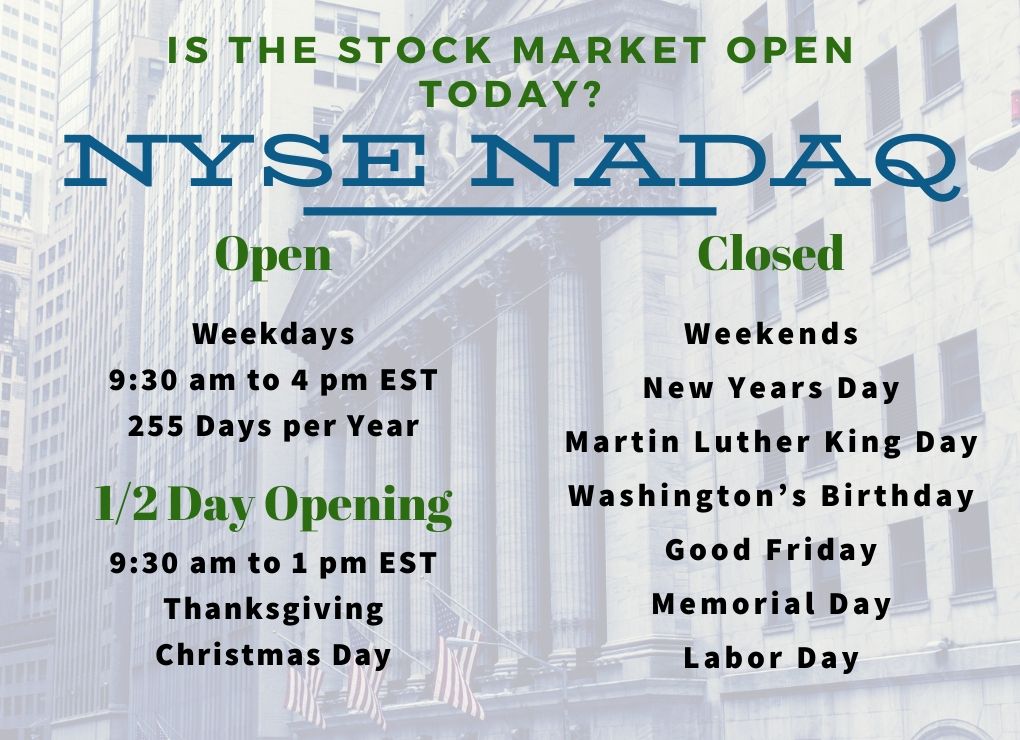
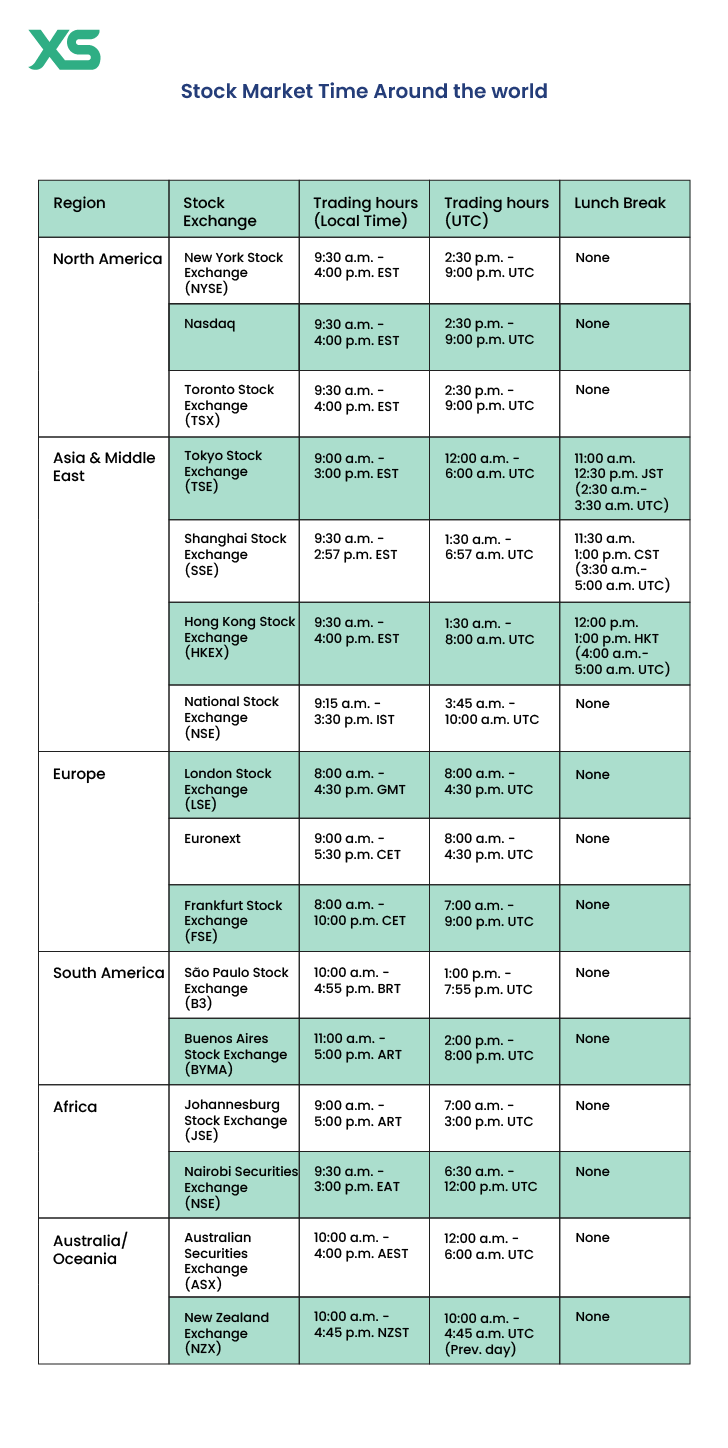
The primary stock exchanges in the United States – the New York Stock Exchange (NYSE) and NASDAQ – are both located on the East Coast, specifically in New York City. This means they operate on Eastern Time (ET). California, on the other hand, observes Pacific Time (PT). The key to understanding market hours in California is knowing the three-hour time difference: when it’s 9:30 AM ET, it’s 6:30 AM PT.
The Core Trading Hours: Eastern Time vs. Pacific Time
The standard trading hours for the NYSE and NASDAQ are from 9:30 AM to 4:00 PM ET, Monday through Friday, excluding market holidays. For someone in California, this translates to:
- Market Open: 6:30 AM Pacific Time
- Market Close: 1:00 PM Pacific Time
This early start and relatively early close from a California perspective offer both challenges and opportunities. For early risers, catching the market open at 6:30 AM PT might be a natural part of their routine, perhaps over a cup of locally roasted coffee with views of the Pacific Ocean. For others, it means setting an alarm earlier than usual to react to opening bell news or execute pre-market strategies. The 1:00 PM PT close, however, frees up the entire afternoon for exploring California’s myriad attractions, whether it’s a stroll along the Golden Gate Bridge, a hike in Yosemite National Park, or a wine tasting tour in Napa Valley.
Understanding this schedule is crucial not just for active traders but also for long-term investors who might want to check the performance of indices like the Standard & Poor’s 500 (S&P 500), the Dow Jones Industrial Average, or the Nasdaq Composite before starting their day or making any significant decisions. The three-hour lag can be a blessing, allowing for a quieter morning to review news and economic reports before the West Coast trading day begins.
Pre-Market and After-Hours Trading for West Coast Investors
Beyond the core trading window, opportunities exist for trading outside of regular hours, known as pre-market and after-hours trading. These sessions allow investors to react to news released outside of the standard 9:30 AM – 4:00 PM ET window.
- Pre-Market Trading: This typically runs from 4:00 AM to 9:30 AM ET. In California, this means you can start trading as early as 1:00 AM PT. While liquidity can be lower and price volatility higher during these hours, it offers a distinct advantage for those wanting to execute trades based on overnight news or earnings reports before the main market opens. This could appeal to dedicated investors or those on a business trip who are already adjusted to earlier wake-up times.
- After-Hours Trading: This usually takes place from 4:00 PM to 8:00 PM ET. For [California](https://lifeoutofthebox.com/california] residents or visitors, this extends the trading day until 5:00 PM PT. This window is valuable for reacting to company announcements or economic data released after the market close. For many enjoying the California lifestyle, checking their portfolio after a day of sightseeing or business meetings can be conveniently done before dinner.
While these extended hours provide flexibility, it’s important to remember that trading during these times often involves wider bid-ask spreads and lower trading volumes, which can impact execution prices. However, for those who need to maintain an active presence in the market while soaking up the California sun, these options are invaluable.
Navigating the Market While Traveling in California
Traveling, whether for business or leisure, shouldn’t mean disconnecting from your financial interests. In California, where innovation meets laid-back luxury, balancing your investment activities with unforgettable experiences is entirely possible with a bit of planning.
Business Stays and Investment Management on the Go
For many professionals, a trip to California often involves business, especially to hubs like San Francisco, Los Angeles, or Silicon Valley. These trips frequently intersect with managing investments or keeping tabs on market movements. The three-hour time difference can actually be an advantage for business travelers. The early market open at 6:30 AM PT allows for dedicated financial review before typical business meetings begin. You can finish your active trading or portfolio checks by 1:00 PM PT, leaving your afternoon free for client meetings, conferences, or networking events.
Conversely, for those whose business starts early, the pre-market hours (starting 1:00 AM PT) might be too demanding. However, the after-hours session until 5:00 PM PT offers a perfect window to catch up on market news and make adjustments once your workday is winding down. Many hotels cater specifically to business travelers, offering amenities that facilitate seamless connectivity and productivity, which are essential for staying on top of the market.
Consider locations like downtown Los Angeles or San Francisco’s Financial District. These areas are designed for the working professional, with hotels offering executive lounges, high-speed internet, and convenient access to business centers. This setup ensures that whether you’re closing a deal or analyzing market trends, you have the resources at your fingertips.
Choosing the Right Accommodation for Your Financial Needs
Your choice of accommodation can significantly influence how easily you manage your financial commitments while in California. For investors who need to be constantly connected and have quiet spaces for focus, certain hotel types and amenities are paramount.
Luxury Hotels and Resorts: Upscale properties often excel in providing the infrastructure needed for a connected lifestyle. Many luxury hotels in California offer:
- High-Speed Wi-Fi: Crucial for real-time data streaming and executing trades without lag. Properties like The St. Regis San Francisco or Waldorf Astoria Beverly Hills often boast top-tier connectivity.
- Business Centers and Executive Lounges: These provide quiet environments with computers, printers, and sometimes even dedicated staff, perfect for focused work outside your room.
- Concierge Services: A knowledgeable concierge can assist with local services, transportation, or even finding quiet cafes if you prefer a change of scenery.
- In-Room Desks and Ergonomic Chairs: Essential for comfortable and productive work sessions during those early morning market hours.
For instance, staying at a hotel like Hotel Figueroa in downtown Los Angeles positions you in a vibrant urban environment, close to business hubs, while offering chic, comfortable spaces. If coastal tranquility is more your style, The Ritz-Carlton, Laguna Niguel provides breathtaking ocean views and impeccable service, allowing you to manage your portfolio while enjoying a premium resort experience.
Apartment and Villa Rentals: For longer stays or those who prefer a more home-like environment, serviced apartments or luxury villa rentals can be ideal. These often come with fully equipped kitchens, separate living areas, and dedicated workspaces, offering greater flexibility and privacy. Imagine starting your trading day from a private balcony overlooking Santa Monica Beach or a serene garden in Napa Valley. This type of accommodation gives you complete control over your environment, crucial for managing the intense focus sometimes required for financial decision-making.
Ultimately, the best choice depends on your personal lifestyle, travel goals, and the intensity of your market involvement. From boutique hotels in Carmel-by-the-Sea to high-rise suites in San Francisco, California offers diverse options to suit every investor’s needs.
California’s Financial Landscape and Its Global Connection
While California may not host the primary US stock exchanges, its economic influence is undeniable. Home to Silicon Valley and a powerhouse in technology, entertainment, and agriculture, California’s financial industry is robust and deeply integrated into global markets. Understanding this local context enhances the experience of managing investments from the West Coast.
Key Financial Hubs and Their Influence
California boasts several significant financial centers that, while not stock exchanges themselves, are vital to the national and international economy:
- San Francisco: Often considered the financial capital of the West Coast, San Francisco’s Financial District is home to major banks, investment firms, and venture capital companies. Its proximity to Silicon Valley makes it a hub for financing innovative tech startups. Walking through its bustling streets, you get a sense of the immense financial activity that underpins the tech giants and burgeoning companies. A stay at Four Seasons Hotel San Francisco places you right in the heart of this vibrant area, offering both luxury and unparalleled access.
- Los Angeles: As the second-largest city in the USA, Los Angeles also has a formidable financial sector, particularly in downtown and Century City. It’s a center for entertainment financing, international trade, and wealth management. The city’s diverse economy ensures a constant flow of capital and investment opportunities.
- Silicon Valley: While famous for technology, Silicon Valley is inherently a financial hub due to its dense concentration of venture capitalists, private equity firms, and investment banks that fuel the innovation economy. The decisions made here heavily influence the tech sector, which in turn impacts the broader stock market.
These regional centers contribute to the overall dynamism of the California economy, making the state a crucial player in global finance. Being in California allows you to be closer to these trends, perhaps even attending industry events or meeting with financial advisors.
Balancing Investment Activities with California Experiences
One of the great joys of visiting or living in California is the incredible variety of experiences available. The market’s early close at 1:00 PM PT means that after a focused morning of financial activity, your entire afternoon is open for leisure, exploration, or business meetings. This unique schedule allows for a remarkable blend of productivity and pleasure.
Imagine spending your morning reviewing market data, then in the afternoon, taking a scenic drive down Highway 1 to Big Sur, exploring the artistic charm of Laguna Beach, or enjoying world-class dining in San Diego. You could hit the slopes near Lake Tahoe in winter or explore the desert landscapes around Palm Springs. For families, an afternoon at Disneyland or Universal Studios Hollywood becomes a viable option.
Even within cities, the balance is achievable. In Los Angeles, after monitoring the market, you could explore Hollywood, visit the Griffith Observatory, or relax at Marina del Rey. In San Francisco, post-market activities could include a ferry trip to Alcatraz Island, a visit to Muir Woods National Monument, or simply savoring fresh seafood at Fisherman’s Wharf.
This integration of financial responsibility with a vibrant lifestyle is a hallmark of the California experience. With the right planning and choice of accommodation, you can ensure that staying informed about your investments doesn’t detract from enjoying the unparalleled travel, tourism, and lifestyle opportunities that the Golden State offers. Whether you’re a seasoned investor or simply curious about market movements, understanding how Eastern Time translates to Pacific Time empowers you to make the most of your time in this diverse and dynamic state.
LifeOutOfTheBox is a participant in the Amazon Services LLC Associates Program, an affiliate advertising program designed to provide a means for sites to earn advertising fees by advertising and linking to Amazon.com. Amazon, the Amazon logo, AmazonSupply, and the AmazonSupply logo are trademarks of Amazon.com, Inc. or its affiliates. As an Amazon Associate we earn affiliate commissions from qualifying purchases.