
The allure of an Arizona sunset is legendary, drawing photographers, romantics, and adventurers alike to witness the sky ablaze with hues of crimson, orange, and purple. However, asking “What time does the sun set in Arizona?” isn’t as straightforward as it might seem. The answer varies significantly depending on the time of year, your specific location within the vast state, and a unique quirk in Arizona’s observance of time. For travelers planning a visit, understanding these dynamics is crucial for capturing that perfect golden hour shot, scheduling a memorable outdoor activity, or simply unwinding as the desert sky transforms.

This guide delves into the intricacies of Arizona sunsets, offering insights for every type of traveler – from those seeking iconic landscapes to those looking for a luxurious resort experience. We’ll explore the best destinations for sunset viewing, practical travel tips, and how accommodation choices can elevate your evening spectacle, ensuring your Arizona trip is filled with unforgettable moments as the sun dips below the horizon.
Understanding Arizona’s Unique Sunset Dynamics
To truly appreciate and plan for an Arizona sunset, it’s essential to grasp the factors that influence its timing. Unlike many other states, Arizona’s approach to time and its diverse geography play a significant role.
Arizona’s Time Zone Anomaly
One of the most distinctive aspects of timekeeping in Arizona is its steadfast refusal to observe Daylight Saving Time (DST). This means that while most of the United States “springs forward” an hour in March and “falls back” in November, Arizona remains on Mountain Standard Time (MST) year-round.
This has a profound impact on sunset times. During the summer months, when surrounding states like California, Nevada, and Utah are on Daylight Saving Time (effectively Pacific Daylight Time or Mountain Daylight Time), Arizona’s sunsets occur later by the clock. For instance, if a sunset in Phoenix is at 7:30 PM MST in July, it would be equivalent to 8:30 PM MDT in Denver or 7:30 PM PDT in Los Angeles. This late summer sunset means longer daylight hours for exploration and activities, which is a significant draw for tourists.
The only exception to this no-DST rule within Arizona is the Navajo Nation, which does observe Daylight Saving Time. This can create a unique, albeit minor, time zone confusion for travelers crossing into tribal lands, though most tourist itineraries will remain straightforward if you’re aware of it.
Seasonal Variations and Geographic Factors
Beyond the DST anomaly, sunset times in Arizona naturally vary with the seasons, just like anywhere else on Earth.
- Summer (June – August): Sunsets are at their latest, often extending past 7:30 PM or even 7:45 PM in cities like Phoenix and Tucson. This is prime time for evening activities and enjoying cooler temperatures after dark.
- Winter (December – February): Sunsets occur much earlier, typically between 5:15 PM and 6:00 PM. Travelers during these months should plan their daytime activities accordingly to catch the early show.
- Spring (March – May) and Fall (September – November): These shoulder seasons see sunset times gradually shifting. In March, expect sunsets around 6:30 PM, moving towards 7:00 PM by April. By September, they’ll be around 6:30 PM, progressing earlier to 5:30 PM by November.
Geographic location within Arizona also plays a subtle but noticeable role. The state is vast, spanning approximately 300 miles north to south and 340 miles east to west.
- North vs. South: Northern Arizona (e.g., Grand Canyon, Flagstaff) experiences slightly earlier sunsets than southern Arizona (e.g., Tucson, Phoenix) due to its higher latitude. This difference is usually only a few minutes but can be important for precise planning.
- Elevation: Higher elevations can sometimes offer a slightly extended view of the setting sun as it dips below the horizon, particularly if you are on a prominent peak or overlook.
For precise, real-time sunset information, always consult a reliable local weather app or website for your specific Arizona destination on the day of your visit.
Top Destinations for Arizona Sunset Spectacles
Arizona is blessed with an abundance of natural beauty and diverse landscapes, each offering a unique backdrop for its renowned sunsets. From majestic canyons to ancient saguaros, choosing your vantage point is part of the adventure.
Iconic Landmarks and Scenic Overlooks
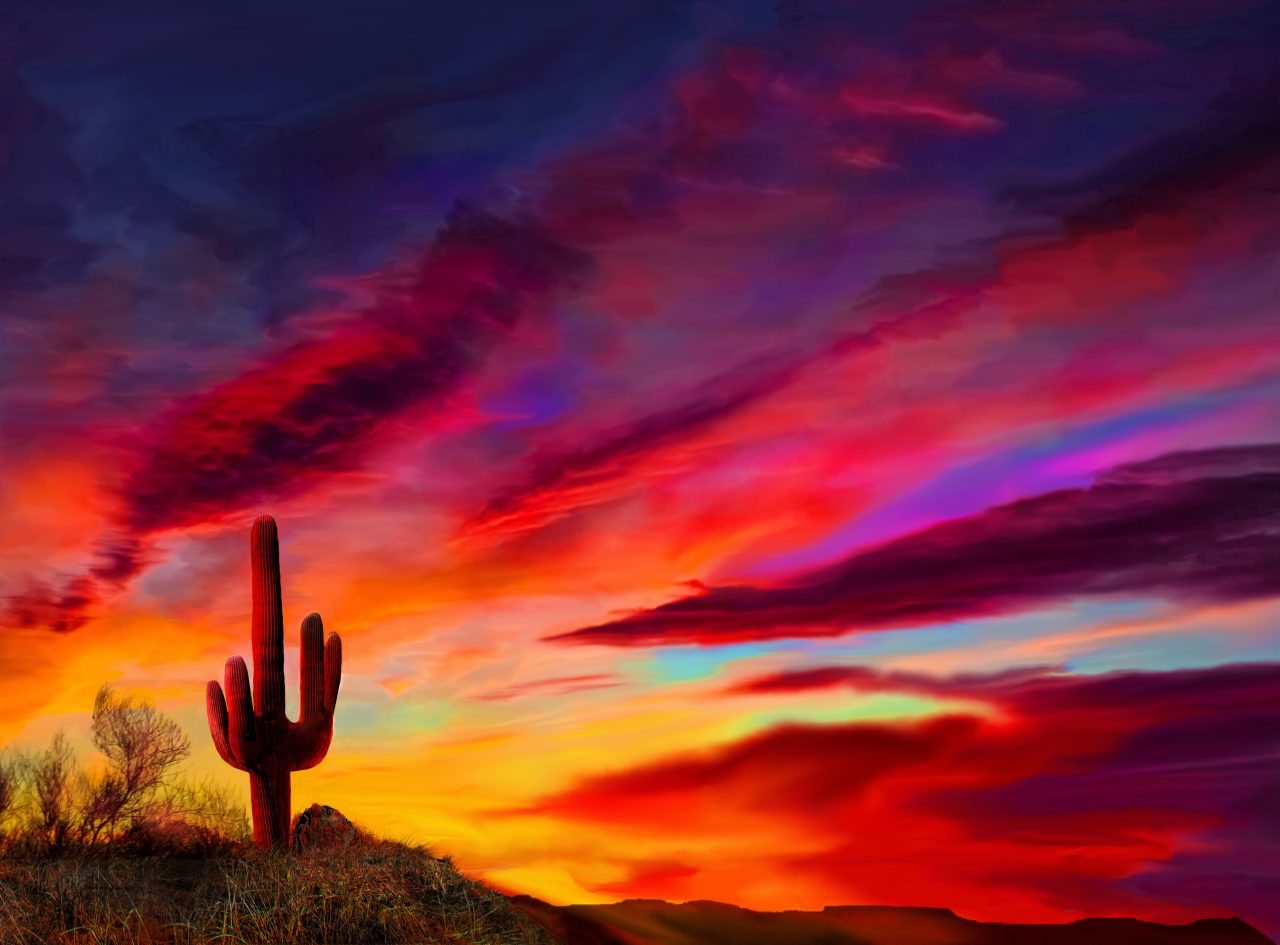
Some places in Arizona are simply synonymous with breathtaking sunsets. These are must-visit locations for any traveler hoping to capture the essence of the Grand Canyon State.
- Grand Canyon National Park: Arguably the most famous sunset spot, the Grand Canyon transforms into a symphony of color as the sun descends. The layers of ancient rock glow in fiery reds, oranges, and purples, casting dramatic shadows that deepen the canyon’s immense scale.
- Popular Viewpoints: Mather Point, Hopi Point (accessible by shuttle bus for much of the year), and Yavapai Point on the South Rim are perennial favorites. For a more remote and expansive view, the Desert View Watchtower offers panoramic vistas, though it requires a longer drive along Desert View Drive.
- Travel Tip: Arrive at least an hour before the official sunset time to secure a good spot, especially during peak seasons. Bring layers, as temperatures can drop quickly after dark.
- Sedona: The striking red rock formations of Sedona are bathed in an otherworldly glow at sunset, amplifying their natural vibrancy and spiritual energy. The entire landscape seems to ignite, making it a photographer’s paradise.
- Top Spots: Airport Mesa is a classic choice, offering 360-degree views and relatively easy access. Other fantastic locations include Bell Rock, Cathedral Rock, and the Boynton Canyon area. Many resorts and hotels in Sedona are strategically built to maximize these incredible views.
- Tourism Tip: Consider a sunset jeep tour for a unique off-road experience that takes you to less-trafficked viewpoints.
- Monument Valley Tribal Park: Located on the border of Arizona and Utah within the Navajo Nation, Monument Valley offers a quintessentially Western sunset experience. The iconic sandstone buttes and mesas stand in stark relief against the fiery sky, creating a dramatic and timeless scene.
- Accommodation: Staying at The View Hotel within the park ensures a spectacular sunrise and sunset from your balcony, an unparalleled accommodation experience.
- Saguaro National Park (Tucson): For a distinctly Sonoran Desert sunset, head to Saguaro National Park. The majestic saguaro cacti, silhouetted against a pastel-streaked sky, create a tranquil and uniquely Arizona vista.
- Access: The park has two districts, east and west of Tucson. Both offer excellent sunset viewing along their scenic loop drives.
Urban and Desert Oases for Sunset Chasing
Beyond the grand national parks, Arizona’s cities and surrounding natural areas provide equally stunning, and often more accessible, opportunities to enjoy the evening spectacle.
- Phoenix Metropolitan Area: The Valley of the Sun offers surprisingly beautiful sunsets, with the urban sprawl framed by distant mountains.
- Hiking Spots: Camelback Mountain, though challenging, rewards hikers with panoramic views. South Mountain Park and Preserve provides several overlooks accessible by car, offering sweeping city and desert vistas. Papago Park, with its iconic Hole-in-the-Rock formation, is easily accessible and family-friendly.
- Rooftop Bars & Restaurants: For a more relaxed experience, many Phoenix and Scottsdale establishments boast rooftop patios with excellent sunset views, often paired with craft cocktails and fine dining. This blends the lifestyle of urban luxury with natural beauty.
- Tucson: Surrounded by mountain ranges, Tucson provides diverse settings for sunset admirers.
- Mountain Views: Drive up to Mount Lemmon for a high-altitude perspective, or visit Gates Pass in the Tucson Mountains for iconic saguaro silhouettes.
- Lake Havasu City: On the western edge of Arizona, Lake Havasu City offers unique water-based sunsets.
- Iconic Backdrop: Watching the sun dip behind the historic London Bridge as it spans the waters of Lake Havasu is a picturesque experience, especially enjoyable from a lakeside restaurant or boat tour.
Enhancing Your Arizona Sunset Experience: Travel, Accommodation & Lifestyle Tips
Enjoying an Arizona sunset is more than just observing; it’s an experience that can be enriched by thoughtful planning around travel, accommodation, and lifestyle choices.
Choosing the Right Accommodation for Sunset Views
Your lodging can significantly impact your sunset experience, transforming it from a fleeting moment into a cherished part of your stay.
- Luxury Resorts: Many high-end Arizona resorts are designed with sunset viewing in mind. Properties like The Phoenician in Scottsdale or Enchantment Resort in Sedona often feature rooms, suites, and public areas with expansive, unobstructed views of the desert and mountains. Imagine enjoying a gourmet dinner on your private patio as the sky blazes, or unwinding by an infinity pool that seems to merge with the horizon. These offer amenities like spas, fine dining, and curated experiences that enhance the overall luxury travel lifestyle.
- Boutique Hotels and Vacation Rentals: For travelers seeking a more personalized or budget-friendly option, boutique hotels and vacation rentals can be excellent choices. Look for properties with balconies, private patios, or common areas specifically advertised for their views. Platforms offering accommodation often allow you to filter by “view,” making it easier to find that perfect spot. Reviews from previous guests can also provide valuable insights into the quality of sunset views.
- Camping and Glamping: For the adventurous and nature-loving traveler, camping in national parks or forests around Arizona offers an unparalleled, immersive sunset experience. Imagine pitching a tent at the Grand Canyon or amidst the saguaros of Saguaro National Park, where the post-sunset twilight quickly transitions into a star-studded spectacle. Glamping options provide a more comfortable way to connect with nature without sacrificing amenities. This caters to a more rugged, budget travel or family trip lifestyle.
Activities and Tours Centered Around Sunset
Many tourism operators in Arizona have capitalized on the state’s spectacular sunsets, offering tours and activities designed to maximize your enjoyment.
- Sunset Jeep Tours: Particularly popular in Sedona, these tours take you off the beaten path to high vantage points, often including a stop for refreshments as the sun goes down. It’s an adventurous way to combine sightseeing with an unforgettable natural phenomenon.
- Grand Canyon Helicopter Tours: Some helicopter tours offer sunset flights over the Grand Canyon, providing a truly unique and awe-inspiring aerial perspective of the colors playing across the vast chasm. This is a premium experience that offers unparalleled views.
- Dinner Cruises: On lakes like Lake Pleasant near Phoenix or Lake Havasu, you can find dinner cruises that time their routes to coincide with sunset, offering a romantic setting with water reflecting the colorful sky.
- Stargazing Experiences: Because Arizona boasts some of the darkest skies in the country, many sunset experiences naturally transition into stargazing. Locations like Lowell Observatory in Flagstaff offer programs that combine sunset viewing with guided astronomical observations.

Practical Tips for Chasing the Perfect Sunset
To ensure your sunset experience is as magical as possible, keep these practical tips in mind:
- Check Local Sunset Times: Always use a reliable source (like a weather app, Google search for “sunset time [city, Arizona]”, or local tourism websites) for the exact sunset time on the day and in the location you plan to visit. Remember the DST caveat for Arizona if coming from out of state.
- Arrive Early: Especially at popular viewpoints like those at the Grand Canyon or Airport Mesa in Sedona, parking lots fill up and prime viewing spots can be claimed well in advance. Arriving 60-90 minutes before sunset gives you time to find parking, walk to your chosen spot, and enjoy the pre-sunset “golden hour” light.
- Bring Essentials: Even in the desert, temperatures can drop significantly after the sun goes down. Always bring layers of clothing, water, and perhaps some snacks. A headlamp or flashlight is also useful for navigating back to your car after dark.
- Consider the “Golden Hour” and “Blue Hour”: The magic isn’t just at the moment the sun dips below the horizon. The “golden hour” (the hour before sunset) provides soft, warm light perfect for photography. The “blue hour” (the 20-30 minutes after sunset, before it gets completely dark) offers deep, rich blue tones that can be equally stunning. Plan to stay a bit longer than just the sunset itself.
- Protect Your Eyes and Skin: While enjoying the view, remember to use sunscreen if you’re out during the golden hour, and never look directly into the sun without proper eye protection.
- Leave No Trace: Help preserve Arizona’s natural beauty by packing out everything you pack in. Stick to marked trails and viewing areas.
In conclusion, the question “What time does the sun set in Arizona?” opens the door to a world of breathtaking natural phenomena and incredible travel experiences. By understanding the unique time zone considerations, embracing the seasonal shifts, and strategically choosing your destination and accommodation, you can orchestrate an unforgettable Arizona adventure centered around the state’s legendary evening display. Whether you seek the grandeur of the Grand Canyon, the spiritual glow of Sedona, or the tranquility of a saguaro-filled desert, Arizona promises a sunset experience that will linger in your memory long after the last sliver of light fades.
LifeOutOfTheBox is a participant in the Amazon Services LLC Associates Program, an affiliate advertising program designed to provide a means for sites to earn advertising fees by advertising and linking to Amazon.com. Amazon, the Amazon logo, AmazonSupply, and the AmazonSupply logo are trademarks of Amazon.com, Inc. or its affiliates. As an Amazon Associate we earn affiliate commissions from qualifying purchases.