
Understanding the sunset times in San Antonio, Texas is more than just a practical detail for an evening stroll; it’s a gateway to experiencing the city’s unique charm as daylight gracefully transitions into twilight. Whether you’re a seasoned traveler planning your itinerary, a local seeking to maximize your day, or a photographer eager to capture the golden hour, knowing the precise moment the sun dips below the horizon is invaluable. This guide delves into the rhythm of sunsets in San Antonio, exploring the factors that influence them and offering insights into the best ways to witness this daily spectacle.
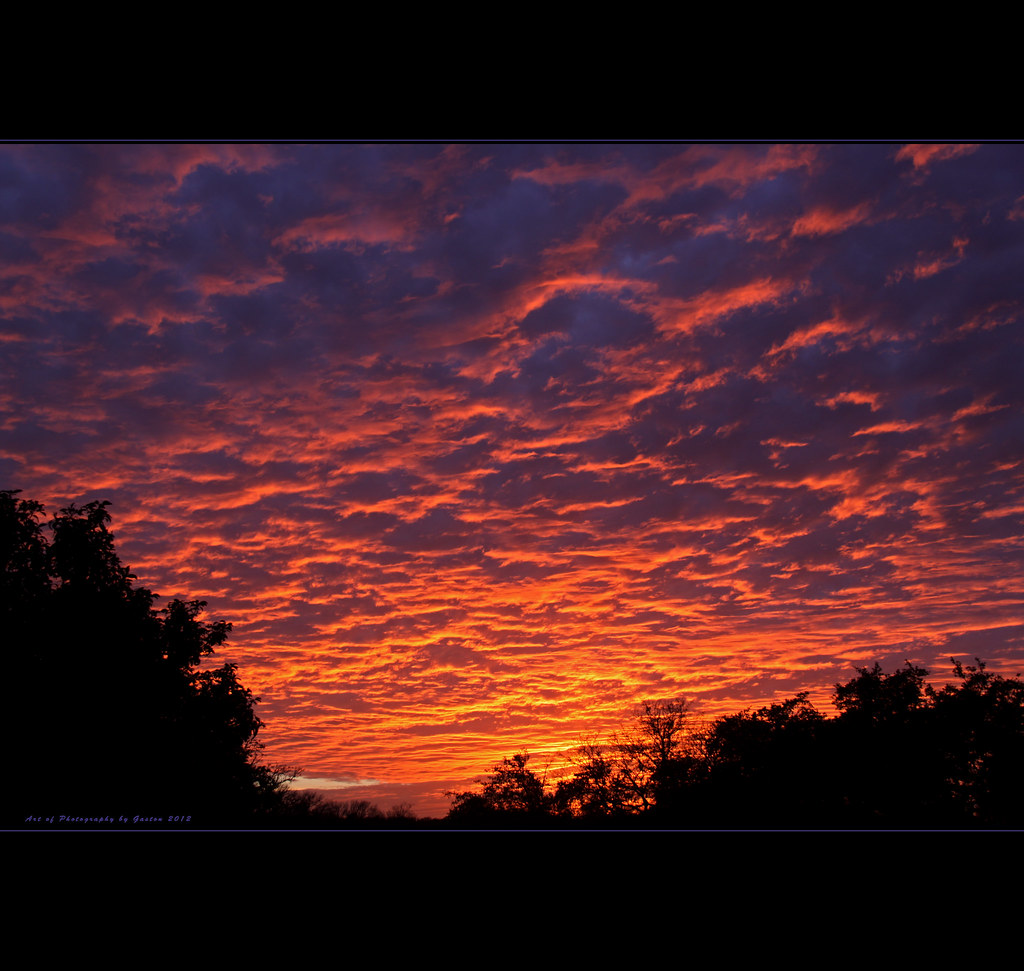
The Ever-Shifting Spectacle: Understanding Sunset Variations
The precise time of sunset is not a static number; it’s a dynamic phenomenon influenced by several key astronomical and geographical factors. The primary driver is the Earth’s axial tilt and its orbit around the Sun. As the Earth journeys through its yearly cycle, the angle at which the sun’s rays strike different latitudes changes, leading to variations in the length of daylight and, consequently, the sunset time.
The Dance of Seasons
The most significant factor affecting sunset times in San Antonio is the time of year.
- Summer Solstice (Around June 20/21): This is the longest day of the year, meaning San Antonio experiences its latest sunsets. In the heart of summer, you can expect the sun to set well past 8:30 PM CST, offering ample time for evening activities. The extended daylight hours are perfect for exploring attractions like the San Antonio River Walk or enjoying an al fresco dinner without the rush of impending darkness.
- Winter Solstice (Around December 21/22): Conversely, the winter solstice marks the shortest day, and thus the earliest sunsets. During the deepest part of winter, the sun might set as early as 5:30 PM CST. This necessitates an earlier start for any sunset-focused outings, perhaps a visit to The Alamo before it closes or a cozy evening at a restaurant with a view.
- Spring and Autumn Equinoxes (Around March 20/21 and September 22/23): The spring and autumn equinoxes are characterized by nearly equal day and night lengths. In San Antonio, sunset times during these transitional periods will fall somewhere between the summer and winter extremes, typically around 7:30 PM CST. These are often considered ideal times for travel, with pleasant weather and moderate daylight hours.
Time Zones and Daylight Saving Time
San Antonio observes Central Standard Time (CST) during the winter months and Central Daylight Time (CDT) during the spring, summer, and fall. This adjustment, known as Daylight Saving Time, effectively shifts an hour of daylight from the morning to the evening. Therefore, a sunset time of 7:00 PM CST in winter is equivalent to 8:00 PM CDT in summer, further illustrating the impact of this practice on perceived sunset times. While the astronomical sunset is unaffected, the clock time we experience as “sunset” is directly altered by this observance.
Geographical Location
While the variations due to longitude within a single city are minimal, San Antonio’s latitude plays a role in the overall duration of daylight throughout the year. Being situated in the southern United States, it experiences longer summer days and shorter winter days compared to cities located further north.
Capturing the Magic: Prime Sunset Viewing Spots in San Antonio
The beauty of a sunset is amplified by its setting. San Antonio offers a variety of breathtaking locations to witness the sky ablaze with color. Knowing the sunset time allows you to position yourself strategically to soak in the panoramic views.
Elevated Vistas
For unobstructed, sweeping panoramas, heading to higher ground is ideal.
- Tower of the Americas: This iconic observation tower offers unparalleled 360-degree views of the San Antonio skyline and beyond. As the sun begins its descent, the city lights start to twinkle, creating a magical dual spectacle of natural and urban illumination. The restaurant at the top also provides a dining experience with a view, making it a popular choice for romantic evenings.
- Hill Country Overlooks: While not within the immediate city limits, a short drive west into the Texas Hill Country can provide stunning natural backdrops for sunset. Locations with higher elevations offer views of rolling hills bathed in the warm hues of the setting sun.
Waterfront Wonders
The reflective surfaces of water bodies can double the beauty of a sunset, adding depth and shimmer to the colors.
- The San Antonio River Walk: Arguably the city’s most famous attraction, the River Walk transforms into a romantic wonderland at dusk. The setting sun casts a golden glow on the cypress trees lining the banks, reflects off the water, and illuminates the charming bridges and historic architecture. Enjoying a leisurely boat tour or simply strolling along the pathways provides an immersive sunset experience.
- Olmos Basin Park: This expansive park features a beautiful reservoir that offers serene views. The quiet ambiance, especially on a weekday evening, makes it a perfect spot for a peaceful contemplation of the sunset. The park’s mature trees and open spaces add to its natural allure.
Historic and Cultural Settings

Some of San Antonio’s most significant landmarks offer unique perspectives as day turns into night.
- The Alamo: While access to the interior may be limited as closing time approaches, the grounds of The Alamo can be a poignant place to witness the sunset, especially with the historic mission as a silhouette against the colorful sky.
- Mission San Jose: As one of the five Spanish colonial missions that make up San Antonio Missions National Historical Park, Mission San Jose provides a unique cultural context for sunset viewing. The ancient stone structures bathed in the warm, fading light evoke a sense of timelessness.
Planning Your Day Around the Sunset
Knowing the sunset time in San Antonio allows for strategic planning of your activities, ensuring you don’t miss out on the day’s most visually captivating moments.
Maximizing Daylight Hours
In the summer, with late sunsets, you have an extended period for exploration. Consider:
- Morning visits to The Alamo or Mission San Jose to avoid the midday heat and crowds.
- Afternoon adventures at Six Flags Fiesta Texas or SeaWorld San Antonio.
- Evening strolls along the River Walk, perhaps followed by dinner, as the sun sets and the city lights begin to glow.
Adapting to Early Dusk
During the winter months, with earlier sunsets, a different approach is needed:
- Focus on indoor attractions or early evening dining once the sun begins to dip.
- Consider a late afternoon visit to a museum like the San Antonio Museum of Art or the Witte Museum, finishing your visit as twilight begins.
- Book dinner reservations at restaurants with sunset views to coincide with the fading light.
The Golden Hour and Blue Hour
The period immediately before sunset is often referred to as the “golden hour,” characterized by soft, warm light ideal for photography. The period following sunset, known as the “blue hour,” offers a cooler, ethereal glow as the sky transitions to deep indigo. Many photographers and artists specifically plan their time around these phenomena. For instance, arriving at a scenic spot like the San Antonio Botanical Garden about an hour before sunset allows you to capture both the golden hour light and the subsequent blue hour hues.
Finding Accurate Sunset Information
In the digital age, obtaining the most up-to-date sunset times for San Antonio, Texas is remarkably simple.
Online Resources and Apps
Numerous websites and mobile applications are dedicated to providing precise astronomical data.
- Weather Websites: Major weather forecasting sites, such as The Weather Channel or AccuWeather, offer detailed local forecasts that always include sunset and sunrise times. Simply search for “San Antonio, Texas” and navigate to the daily or hourly forecast.
- Specialized Astronomical Sites: Websites like TimeAndDate.com are invaluable for detailed astronomical information, including sunset, sunrise, moon phases, and twilight times for virtually any location worldwide.
- Smartphone Apps: Many weather apps integrated into smartphones (e.g., Apple Weather, Google Weather) will automatically display local sunset times based on your device’s location. Dedicated astronomical apps also offer advanced features like augmented reality views of celestial bodies.
Local Knowledge and Observation
While technology provides precision, a keen eye and local awareness can also be beneficial. Observing the sun’s position relative to familiar landmarks throughout the year can provide a general sense of the time of sunset. However, for specific planning, especially for important events or photography sessions, relying on accurate, data-driven sources is always recommended.
By understanding the nuances of sunset times in San Antonio, Texas, you can enhance your travel experience, deepen your appreciation for the city’s natural beauty, and create lasting memories as day gracefully surrenders to night.
LifeOutOfTheBox is a participant in the Amazon Services LLC Associates Program, an affiliate advertising program designed to provide a means for sites to earn advertising fees by advertising and linking to Amazon.com. Amazon, the Amazon logo, AmazonSupply, and the AmazonSupply logo are trademarks of Amazon.com, Inc. or its affiliates. As an Amazon Associate we earn affiliate commissions from qualifying purchases.