
Nestled within the thriving heart of the Texas Hill Country, Leander, Texas stands as a rapidly growing city offering a unique blend of suburban convenience and access to natural beauty. While its population has surged in recent years, drawing in new residents and businesses, its core identity remains deeply rooted in its Texan heritage and its strategic position within the Austin metropolitan area. Understanding its location is key to appreciating the opportunities and experiences it offers.
Geographic Positioning and Proximity
Leander is situated in Williamson County, approximately 30 miles northwest of downtown Austin. This strategic placement is a significant factor in its development, providing residents with easy access to the amenities and cultural attractions of a major city while maintaining a distinct community feel. The city is bisected by US Highway 183, a major artery that connects it to surrounding towns and facilitates travel throughout the region.
Relationship with Austin and Other Nearby Cities
The proximity to Austin is arguably Leander’s most defining geographical characteristic. This allows residents to benefit from Austin’s robust job market, renowned music scene, and diverse culinary offerings. Major employers, cultural institutions like the Blanton Museum of Art, and entertainment venues are all within a comfortable driving distance.
Beyond Austin, Leander is also close to other notable communities:
- Cedar Park: Located to the south, Cedar Park offers additional shopping, dining, and recreational opportunities, including the H-E-B Center at Cedar Park, a popular venue for concerts and sporting events.
- Round Rock: To the southeast, Round Rock is known for its family-friendly atmosphere and its historic downtown area.
- Georgetown: Further north, Georgetown boasts a charming town square often recognized as one of the best in Texas.
This network of interconnected cities fosters a dynamic regional economy and offers residents a wide array of choices for their daily needs and leisure activities.
Natural Landscape and Topography
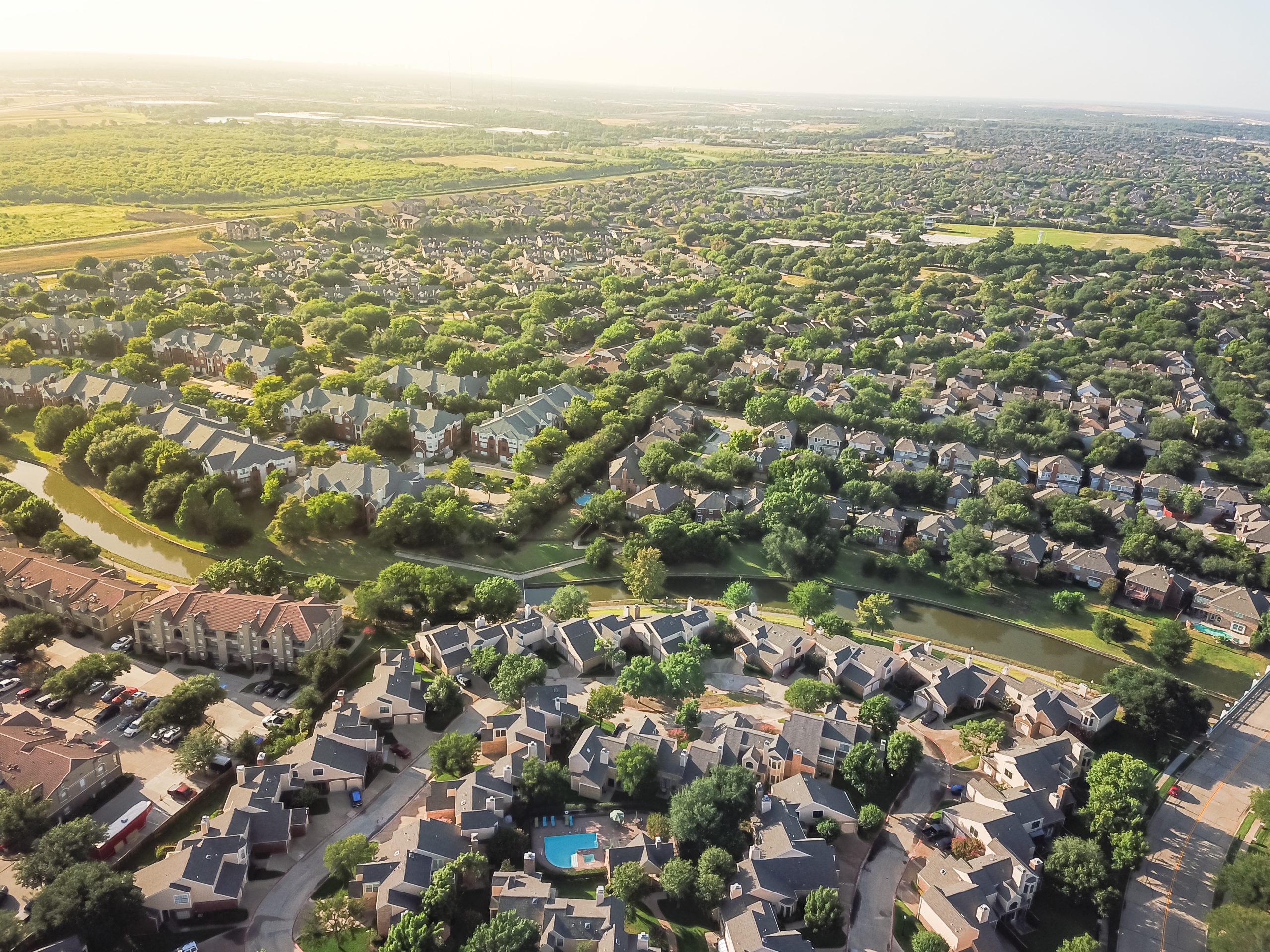
Leander sits within the Edwards Plateau region of the Texas Hill Country, characterized by rolling hills, clear streams, and a landscape dotted with native trees such as live oaks and mesquite. The topography can vary, with some areas offering expansive views of the surrounding countryside. This natural setting provides a picturesque backdrop for the city and offers ample opportunities for outdoor recreation.
The presence of the Colorado River and its associated reservoirs, such as Lake Travis and Lake Georgetown, nearby, contributes significantly to the region’s appeal. These bodies of water are popular for boating, fishing, swimming, and other water sports, drawing visitors from across the state.
Transportation and Connectivity
Leander’s location is further enhanced by its transportation infrastructure, which has been a focal point of development in response to its growth. The city is well-served by major roadways, and public transportation options are expanding.
Major Roadways
As mentioned, US Highway 183 is a critical lifeline for Leander. This highway provides direct north-south access, connecting Leander to Austin and extending north towards cities like Lampasas.
Other significant roadways in the vicinity include:
- State Highway 45 (SH 45): A loop that encircles much of the northern and western parts of the Austin metropolitan area, providing convenient east-west connections and access to major freeways.
- Ronald Reagan Boulevard: This scenic parkway offers an alternative route to Austin and serves as a primary north-south corridor within Leander itself.
- US Highway 183A: A toll road extension of US Highway 183, designed to alleviate congestion and speed up travel times into Austin.
These roadways ensure that residents can efficiently commute to work, access services, and explore the wider region.
Public Transportation
Recognizing the need for diverse transportation solutions, Leander has invested in public transit, most notably through its partnership with the Capital Metro Transportation Authority.
- MetroRail Red Line: This commuter rail service offers a direct and convenient link between Leander and downtown Austin. The Leander station serves as the northern terminus of the Red Line, making it an attractive option for daily commuters seeking to avoid traffic congestion. The train stops at various stations along the way, including Lakeline, Creston, and Howard Station, before reaching its southern terminus at the Austin Convention Center.
This integration with Capital Metro not only provides a sustainable and efficient commuting alternative but also connects Leander residents to a wider network of bus routes and services across the Austin area.
Proximity to Airports
For those who travel frequently, Leander’s location offers reasonable access to major air transportation hubs.
- Austin-Bergstrom International Airport (AUS): The primary airport serving the Austin metropolitan area is approximately a 45-minute to one-hour drive from Leander, depending on traffic. AUS offers a wide range of domestic and international flights, connecting residents to destinations worldwide.
- San Antonio International Airport (SAT): While further away (approximately 1.5 to 2 hours), SAT can be an alternative for certain flights or if traveling to and from that region.
This accessibility to major airports is a significant advantage for both business and leisure travelers based in Leander.
Environmental and Regional Context
Leander is part of a larger regional ecosystem and economic zone that influences its development and identity. Its placement within the Texas Hill Country is more than just a geographical marker; it signifies a connection to a unique environment and a distinct regional culture.
The Texas Hill Country Influence
The Texas Hill Country is renowned for its scenic beauty, numerous wineries, and outdoor recreational opportunities. Leander benefits from this association, offering residents and visitors a gateway to explore these attractions.
- Wineries and Breweries: The surrounding areas are home to a growing number of wineries and craft breweries, capitalizing on the fertile land and pleasant climate. Day trips to sample local wines and beers are a popular pastime for those living in or visiting Leander.
- Outdoor Recreation: The natural landscape provides ample opportunities for hiking, biking, and exploring state parks. Nearby parks like Pace Bend Park on Lake Travis offer stunning vistas and recreational activities.
Economic Zone and Growth Factors
Leander is firmly positioned within the economically vibrant Austin-Round Rock-Georgetown Metropolitan Statistical Area. This economic engine drives much of the demand for housing and services in Leander.
- Growth Drivers: The influx of technology companies into the Austin area has created a ripple effect, attracting professionals and families seeking more affordable housing options within commuting distance. Leander has become a prime location for these individuals and families.
- Development: This rapid growth has spurred significant development in Leander, including new residential communities, commercial centers, and infrastructure improvements. The city is actively planning for continued expansion while striving to maintain its community character.
Local Identity and Community
Beyond its physical coordinates, Leander possesses a distinct local identity that is shaped by its history, its residents, and its commitment to community development.
Historical Roots
Originally established as a railroad town in the late 19th century, Leander has evolved significantly from its agrarian beginnings. The arrival of the International-Great Northern Railroad in 1876 was a pivotal moment, facilitating trade and settlement. While the railroad no longer dictates the town’s primary economy, its historical legacy is preserved in the city’s heritage and in local landmarks.

Community Amenities and Development
As Leander has grown, so have its local amenities and public services. The city is committed to providing a high quality of life for its residents.
- Parks and Recreation: Leander boasts a network of parks and recreational facilities, including Devine Lake Park, which offers walking trails, picnic areas, and a playground. The city’s parks and recreation department plays a crucial role in community life, offering programs and events for all ages.
- Schools: The Leander Independent School District is a major employer and a significant draw for families moving to the area, known for its commitment to educational excellence.
- Local Events: The city hosts various community events throughout the year, fostering a sense of togetherness and local pride. These can range from farmers’ markets to holiday celebrations.
In essence, Leander, Texas is strategically located to offer the best of both worlds: the convenience and economic opportunities of the Austin metropolitan area, coupled with the natural beauty and slower pace of life characteristic of the Texas Hill Country. Its positioning along key transportation routes and its integration into a thriving regional economy solidify its status as a dynamic and desirable place to live and visit.
LifeOutOfTheBox is a participant in the Amazon Services LLC Associates Program, an affiliate advertising program designed to provide a means for sites to earn advertising fees by advertising and linking to Amazon.com. Amazon, the Amazon logo, AmazonSupply, and the AmazonSupply logo are trademarks of Amazon.com, Inc. or its affiliates. As an Amazon Associate we earn affiliate commissions from qualifying purchases.