
The question, “What time is it in Chicago, USA, right now?” is more than just a simple query for the current hour. For travelers, business professionals, and anyone planning a trip or connection across time zones, it’s a crucial piece of information that impacts everything from flight bookings to dinner reservations. Chicago, a vibrant metropolis nestled on the shores of Lake Michigan, operates on Central Standard Time (CST) during winter months and Central Daylight Time (CDT) during warmer periods. Understanding these shifts is key to navigating your plans smoothly.
This article will delve into the intricacies of Chicago’s time, its relationship with global time zones, and how this knowledge can enhance your travel and accommodation planning. Whether you’re considering a luxurious stay at a downtown hotel, exploring iconic landmarks, or immersing yourself in the local culture, being mindful of the clock is fundamental.

Understanding Chicago’s Time Zone and Daylight Saving
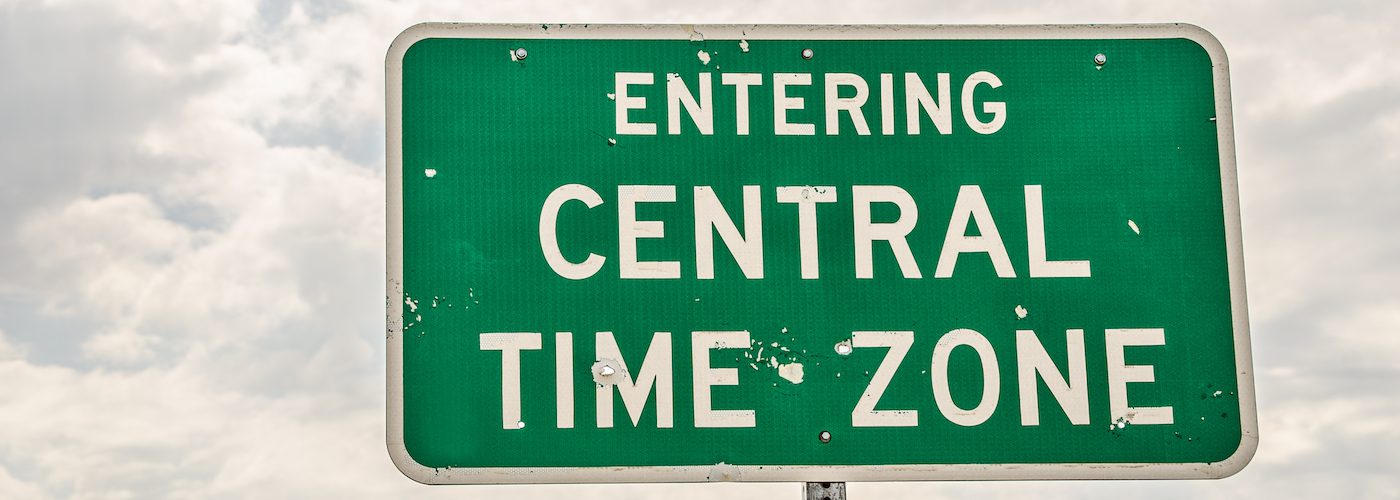
Chicago observes the Central Time Zone. This means it is typically six hours behind Coordinated Universal Time (UTC-6) during standard time and five hours behind UTC (UTC-5) when daylight saving time is in effect. Daylight Saving Time in the United States typically begins on the second Sunday in March and ends on the first Sunday in November. This seasonal adjustment is a common practice in many parts of the country, including Illinois, where Chicago is located.
The observance of Daylight Saving Time can sometimes lead to confusion, especially when coordinating with international travelers or businesses. For instance, when it’s noon in Chicago during standard time, it’s 6 PM UTC. However, when Daylight Saving Time is active, noon in Chicago corresponds to 5 PM UTC. This seemingly small shift can have significant implications for scheduling calls, meetings, or even understanding when to book a late-night dinner reservation in a city renowned for its culinary scene.
The Impact on Travel Planning
For anyone planning a trip to Chicago, understanding its time zone is paramount. Flights are scheduled based on local arrival and departure times, and miscalculating this can lead to missed connections or arriving at your destination hours earlier or later than expected. When booking flights into O’Hare International Airport or Midway International Airport, always double-check the local Chicago time for your arrival. This ensures you can arrange for transportation from the airport to your chosen accommodation without any last-minute stress.
Beyond flights, consider your accommodation check-in and check-out times. Hotels like the The Peninsula Chicago or the Thompson Chicago have strict schedules, and knowing the local time in Chicago will help you plan your arrival and departure accordingly, whether you’re embarking on a short city break or a longer, immersive experience.
The vibrancy of Chicago’s nightlife and its world-class dining scene also revolve around local time. Restaurants in areas like River North or West Loop often have reservations starting from early evening, and understanding Chicago’s time will help you book your preferred dining slot.
Business and Communication Across Time Zones
For business travelers, the correct time in Chicago is not just a convenience; it’s a necessity. Conducting business with partners or colleagues in different time zones requires meticulous planning. When scheduling video conferences or phone calls with individuals in New York, which is in the Eastern Time Zone (ET), remember that Chicago is one hour behind. This means if you have a meeting at 10 AM Chicago time, it’s 11 AM in New York.
Conversely, when dealing with West Coast businesses in Los Angeles, which observes Pacific Time (PT), Chicago is two hours ahead. A 2 PM Chicago meeting would be a 12 PM meeting for your counterparts in California. For international business, the differences can be even more pronounced. Coordinating with London, for example, requires understanding the significant time difference, especially when Daylight Saving Time is not synchronized between the regions.
Effective communication strategies often involve explicitly stating the time zone when scheduling. For instance, instead of saying “Let’s meet at 3 PM,” a more precise approach would be “Let’s connect at 3 PM Central Time.” This clarity prevents misunderstandings and ensures that all parties are aligned.
Navigating Chicago: Time, Tourism, and Experiences

Chicago is a city that offers an abundance of attractions, from its towering architecture to its rich cultural tapestry. Planning your exploration around the local time can significantly enhance your experience.
Landmarks and Sightseeing
Iconic landmarks like the Willis Tower (formerly Sears Tower) and the Art Institute of Chicago have specific operating hours. Knowing the current time in Chicago allows you to maximize your sightseeing. For example, a visit to Millennium Park to see the “Bean” (Cloud Gate) is often best enjoyed during the softer light of early morning or late afternoon, avoiding peak crowds. If you’re planning to ascend to the Skydeck at the Willis Tower for panoramic views, checking the time will help you catch the sunset, a truly spectacular sight.
Exploring neighborhoods like Lincoln Park with its zoo and conservatory, or taking an architectural boat tour along the Chicago River, are activities that are best timed to take advantage of daylight and pleasant weather. Understanding the local time helps you fit these experiences into your itinerary, ensuring you don’t miss out on the city’s daytime wonders.
Culinary Delights and Local Culture
Chicago’s culinary landscape is as diverse as its population. From deep-dish pizza to Michelin-starred restaurants, the city is a foodie’s paradise. Booking a table at a popular eatery requires foresight, and knowing the local time is essential for making reservations that suit your schedule. Consider a late-night slice of pizza after a show, or an early brunch before a day of exploring museums.
The city’s vibrant arts scene, with numerous theaters and music venues, also operates on a schedule dictated by local time. Knowing the current time allows you to plan your evening, whether it’s catching a performance at the Broadway in Chicago theaters or enjoying live jazz in a club. Understanding the time helps you immerse yourself in the local culture at the right moment, from daytime festivals to evening entertainment.
Accommodation Options: Aligning Your Stay with the Clock
When choosing where to stay in Chicago, whether it’s a luxurious suite at the Four Seasons Hotel Chicago, a charming boutique hotel in Old Town, or a family-friendly resort, the time zone plays a subtle but important role.
Booking and Check-in/Check-out
The primary interaction with time in relation to accommodation is check-in and check-out. Most hotels have standard check-in times in the afternoon (e.g., 3 PM or 4 PM local time) and check-out times in the late morning (e.g., 11 AM or 12 PM local time). If you’re arriving from a different time zone, it’s crucial to factor in the local Chicago time to ensure a smooth transition. Arriving too early might mean waiting for your room, while arriving too late could result in missing your check-in window, especially if it’s a late-night arrival.
For those considering long-term stays, such as apartments or vacation rentals, understanding the local time also helps in planning daily routines. Grocery shopping, commuting to work, or simply enjoying your morning coffee on your balcony becomes more manageable when you’re attuned to the rhythm of Chicago time.
Amenities and Local Experiences
Many hotels in Chicago offer amenities like spas, pools, and on-site dining. Knowing the current time helps you plan your use of these facilities. Perhaps you want to enjoy a leisurely breakfast at your hotel before heading out to explore Navy Pier, or unwind in the spa after a day of sightseeing.
Furthermore, understanding the local time allows you to synchronize your activities with hotel-organized tours or events, if available. Many luxury hotels also offer concierge services that can help you navigate dining reservations and local attractions, all based on Chicago’s current time. This holistic approach to travel planning ensures that your entire stay is seamless, from the moment you land to the moment you depart.
In conclusion, while the question “What time is it in Chicago, USA, now?” might seem straightforward, its implications for travelers, business professionals, and anyone engaging with this dynamic city are far-reaching. By understanding Chicago’s time zone, the nuances of Daylight Saving Time, and how these factors influence travel, business, and local experiences, you can plan your visit with greater confidence and make the most of everything this remarkable city has to offer. From booking the perfect accommodation to savoring its culinary delights and exploring its breathtaking landmarks, every aspect of your Chicago adventure can be enhanced by a keen awareness of the time.
LifeOutOfTheBox is a participant in the Amazon Services LLC Associates Program, an affiliate advertising program designed to provide a means for sites to earn advertising fees by advertising and linking to Amazon.com. Amazon, the Amazon logo, AmazonSupply, and the AmazonSupply logo are trademarks of Amazon.com, Inc. or its affiliates. As an Amazon Associate we earn affiliate commissions from qualifying purchases.