
The question “What time in Kona, Hawaii?” is more than a simple query about the current hour. It’s a gateway to understanding the rhythm of life on the Big Island, a critical piece of information for planning your journey, maximizing your experiences, and immersing yourself in the unique local lifestyle. For travelers from the U.S. mainland or international destinations, grasping Hawaii’s’s distinct time zone is fundamental to a smooth and enjoyable trip. Beyond mere clock-watching, understanding the local schedule dictates when to catch a sunrise over Mauna Kea, when a luau begins, the best hours for snorkeling in Kealakekua Bay, or even when to find the best deals on accommodations. This article delves into the specifics of Hawaii time, how it impacts your travel plans, and how to synchronize your internal clock with the laid-back, yet vibrant, pulse of Kona.

Understanding Hawaii’s Unique Time Zone (HST)
Hawaii operates on Hawaii Standard Time (HST), which is perpetually UTC-10. What makes this particularly noteworthy for travelers is that Hawaii does not observe Daylight Saving Time. This consistent time zone means that the time difference between Hawaii and other parts of the world changes depending on whether those regions are observing Daylight Saving Time.
For example, during standard time (roughly November to March), HST is:
- 2 hours behind Pacific Standard Time (PST)
- 3 hours behind Mountain Standard Time (MST)
- 4 hours behind Central Standard Time (CST)
- 5 hours behind Eastern Standard Time (EST)
However, when most of the U.S. switches to Daylight Saving Time (roughly March to November), the difference increases:
- 3 hours behind Pacific Daylight Time (PDT)
- 4 hours behind Mountain Daylight Time (MDT)
- 5 hours behind Central Daylight Time (CDT)
- 6 hours behind Eastern Daylight Time (EDT)
This seemingly small detail can have a significant impact on your travel experience, from booking flights and coordinating calls with home to simply adjusting your body clock. Knowing this upfront allows you to prepare for potential jet lag and plan your arrival day strategically.
Navigating the Time Difference from the Mainland
The significant time difference from the U.S. mainland, especially the East Coast, often leads to what’s affectionately known as “Hawaii jet lag.” While arriving in Kona often means gaining hours, which can feel less jarring than losing them, your body clock will still need time to adjust. A flight from Los Angeles, for instance, might depart in the morning and arrive in Kona in the early afternoon, making it feel like you haven’t lost a day at all. However, your internal clock might still be signaling dinner time when the Kona sun is just reaching its zenith.
Tips for navigating this:
- Pre-adjust: A few days before your trip, try to shift your sleep schedule a little closer to Hawaii time.
- Stay hydrated: Drink plenty of water before, during, and after your flight.
- Embrace the daylight: Upon arrival, expose yourself to natural light as much as possible to help reset your circadian rhythm.
- Adjust meal times: Try to eat meals at local Kona times, even if you’re not hungry.
The Impact on Your Arrival and First Few Days
Your initial hours and days in Kona are crucial for setting the tone of your trip. Arriving at Kona International Airport in the afternoon allows ample time for hotel check-in and perhaps a relaxed dinner, but you might feel an urge to sleep much earlier than locals. Many accommodations, from luxury resorts like the Four Seasons Resort Hualalai to charming vacation rentals, often have standard check-in times around 3:00 PM or 4:00 PM HST. Knowing the time difference helps manage expectations if you arrive early and need to wait for your room, allowing you to plan an initial activity like a stroll along Ali’i Drive or a quick dip in the ocean.
For your first few days, resist the urge to pack your schedule too tightly. Your body will thank you for allowing gentle adjustments. Mornings might feel like the middle of the night to your East Coast internal clock, making early sunrise activities challenging initially. Gradually shift your schedule, and by day three, you’ll likely be waking up refreshed and ready for Kona’s vibrant mornings.
The Rhythm of Kona: Daily Life and Tourist Activities
Kona, like much of Hawaii, operates at a slower, more deliberate pace often referred to as “Hawaii Time.” While there’s a practical schedule for tours, dining, and shops, there’s also an underlying cultural inclination towards relaxation and being present. This rhythm deeply influences the tourist experience, guiding when popular attractions are bustling and when serene moments can be found.
Sunrise to Sunset: Making the Most of Your Days
The beauty of Kona’s tropical location near the equator means consistent daylight hours throughout the year, with sunrise typically between 6:00 AM and 7:00 AM, and sunset between 5:45 PM and 7:00 PM. These stable daylight patterns make planning easier but also emphasize the importance of starting your day early to make the most of the cooler morning temperatures and fewer crowds at popular spots.
Morning: This is the prime time for active pursuits.
- Coffee Farm Tours: The famous Kona Coffee Living History Farm or various smaller estates often open around 8:00 AM or 9:00 AM, offering tours and tastings.
- Snorkeling/Diving: Waters are typically calmest in the morning. Many boat tours to Kealakekua Bay or other snorkeling spots depart between 8:00 AM and 10:00 AM.
- Hiking: Trails in areas like Kaloko-Honokōhau National Historical Park are best explored before the mid-day heat.
Afternoon: As the sun climbs higher, the pace tends to slow down.
- Beach Time: Relax on popular beaches like Kahalu’u Beach Park or Magic Sands Beach.
- Shopping: Kailua-Kona’s Ali’i Drive shops typically open from 10:00 AM or 11:00 AM until 5:00 PM or 6:00 PM.
- Museums/Historical Sites: Indoor attractions like Huliheʻe Palace offer a respite from the sun.
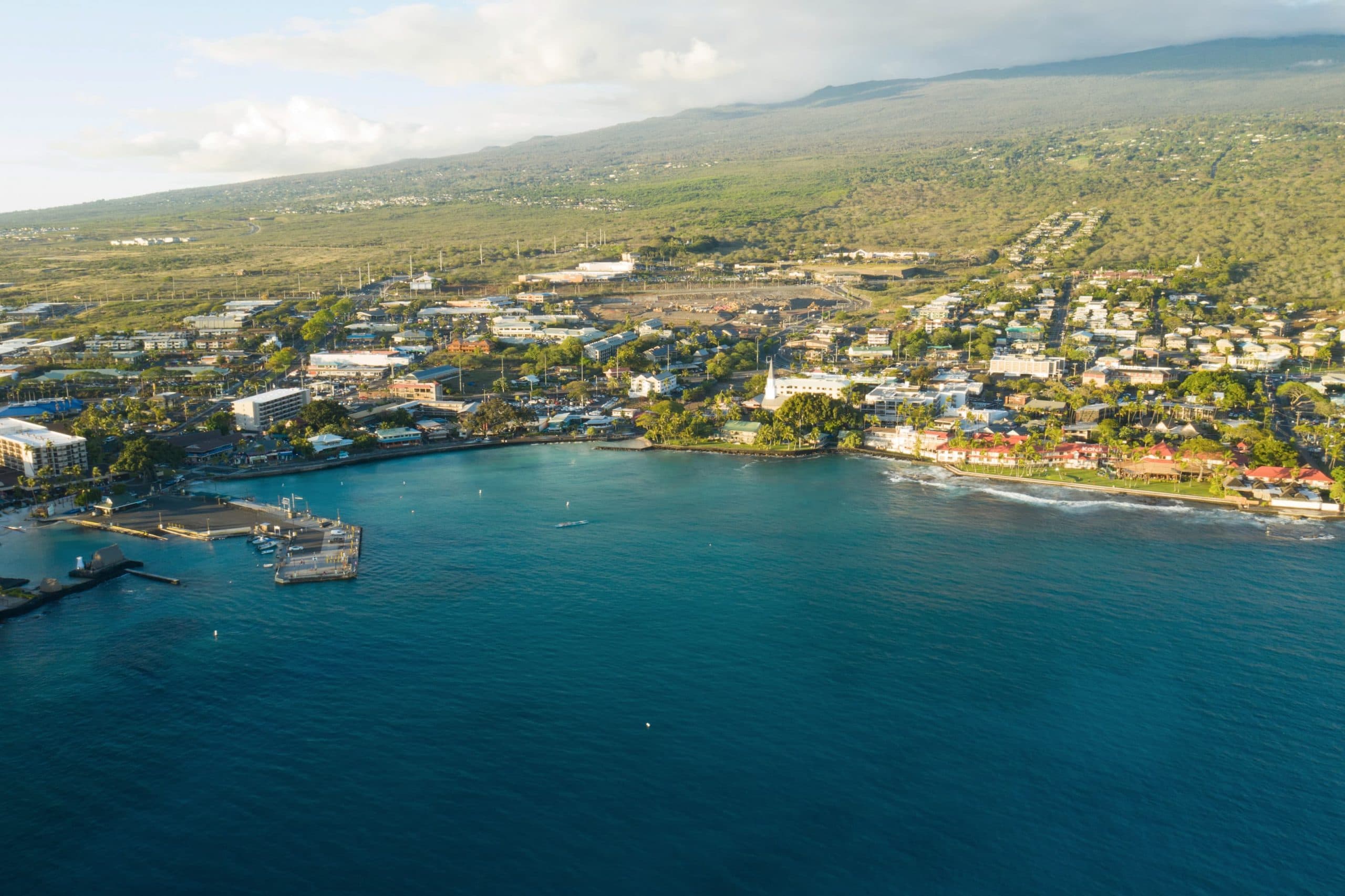
Evening: The golden hour and beyond transform Kona into a hub for dining and entertainment.
- Sunset Viewing: Head to a west-facing beach or a restaurant with ocean views to witness breathtaking sunsets.
- Manta Ray Night Dives/Snorkels: One of Kona’s most famous experiences, these tours typically start around sunset, lasting into the evening.
- Stargazing: Tours to Mauna Kea observatories depart in the late afternoon to catch both sunset and prime stargazing conditions.
Dining and Entertainment: When Kona Comes Alive
Kona’s culinary scene follows a predictable, yet delightful, schedule.
- Breakfast: Most cafes and diners, especially along Ali’i Drive, open early, often by 6:00 AM or 7:00 AM to cater to early risers and those still adjusting to the time zone. Look for local favorites offering macadamia nut pancakes or fresh fruit.
- Lunch: Casual eateries and food trucks are busy from 11:00 AM to 2:00 PM. This is a great time to grab a plate lunch or fresh poke bowl.
- Dinner: Restaurants typically begin dinner service around 5:00 PM or 5:30 PM, with peak hours between 6:30 PM and 8:00 PM. Reservations are highly recommended for popular spots, especially those with sunset views. Many kitchens close by 9:00 PM or 9:30 PM, so late-night dining options are limited outside of a few bars or hotel establishments.
- Luaus: These traditional feasts are a cornerstone of Hawaii tourism. They almost always begin in the late afternoon, usually between 4:30 PM and 5:30 PM, to include a sunset backdrop for the ceremonies and performances. The Island Breeze Luau at Courtyard by Marriott King Kamehameha’s Kona Beach Hotel is a prime example, strategically timed to coincide with the golden hour.
- Nightlife: While Kona isn’t known for a bustling club scene, bars along Ali’i Drive offer live music and a relaxed atmosphere, often winding down by 11:00 PM or midnight.
Strategic Time Management for an Unforgettable Kona Experience
Effective time management is paramount to a fulfilling Kona adventure. It’s not about rushing, but about optimizing your schedule to see and do everything on your wish list without feeling overwhelmed. This involves careful planning for attractions, tours, and even accommodation bookings.
Planning Your Itinerary: Best Times for Attractions and Tours
Certain attractions and activities have optimal viewing or participation times, largely dictated by natural phenomena or operational hours.
- Hawaii Volcanoes National Park: While not directly in Kona, many visitors make a day trip. The best time to visit is often in the late afternoon to witness the steam vents and landscapes in daylight, then stay until after dark to see the dramatic glow of the lava (when active) from the crater. The park is open 24/7, but visitor centers have specific hours.
- Pana’ewa Rainforest Zoo & Gardens: Located near Hilo, it’s typically open from 9:00 AM to 4:00 PM.
- Pu’uhonua o Hōnaunau National Historical Park: Open daily from 8:30 AM to 4:30 PM for the Royal Grounds and 8:00 AM to sunset for the grounds. Early mornings are best for avoiding crowds and heat.
- Snorkeling/Diving: Mornings are generally preferred due to calmer waters and better visibility. Booking a tour for an early slot (e.g., 8:00 AM) ensures you get prime conditions.
- Farmers Markets: The Kona Farmers Market (Kailua-Kona) operates Wednesday through Sunday from 7:00 AM to 4:00 PM, while others like the Keauhou Farmers Market have specific morning hours (Saturdays 8:00 AM – 12:00 PM). Arrive early for the freshest produce and best selection.
When booking tours, especially popular ones like the Manta Ray Night Snorkel or Mauna Kea stargazing, advanced reservations are essential, sometimes weeks or months in advance, regardless of the time of year. Be mindful of tour operators’ specific check-in times, which often require arriving 30 minutes to an hour before departure.
Accommodation and Travel Logistics: Timing Your Bookings
The “when” of booking your travel to Kona can significantly impact both cost and availability, aligning with broader tourism trends.
- Peak Season: Kona’s peak seasons are generally winter (mid-December to March) and summer (June to August), as well as major holidays. During these times, flights and accommodations, from luxury hotels like the Fairmont Orchid to family-friendly resorts and budget-conscious vacation rentals, are at their most expensive and book up quickly. Booking 6-12 months in advance is advisable for the best rates and selections.
- Shoulder Season: Spring (April-May) and Fall (September-November, excluding Thanksgiving) are often considered shoulder seasons. You’ll find a pleasant balance of good weather, fewer crowds, and more competitive pricing on flights and hotels. This is often the ideal time for travelers seeking value and a more relaxed experience.
- Flight Bookings: For the best deals, experts often recommend booking international flights 2-8 months in advance and domestic flights 1-3 months out. Tuesdays, Wednesdays, and Saturdays are generally cheaper days to fly.
- Accommodation Booking: Many hotels and resorts offer early bird discounts. Keep an eye on cancellation policies, as booking well in advance with a flexible cancellation option can be a smart strategy to lock in a good rate. For specific room types or suites, particularly at popular properties like the Hilton Waikoloa Village, booking early is a must. Consider the full range of accommodation options available through our guides, from serviced apartments for extended stays to boutique villas for a luxurious escape.
Embracing the “Hawaii Time” Lifestyle
Ultimately, understanding “What time in Kona?” extends beyond mere punctuality; it’s about embracing a mindset. The local pace, known as “Hawaii Time,” encourages a slower, more mindful approach to life and travel. It’s an invitation to shed the mainland’s relentless rush and truly absorb the beauty and culture around you.
The Art of Slow Travel in Kona
Slow travel isn’t just a trend; it’s an inherent part of the Kona experience. It means allowing extra time for everything:
- Driving: Roads on the Big Island can be winding, and you’ll want to stop frequently for scenic views. Factor in longer travel times than you might anticipate.
- Dining: Meals are often social affairs. Don’t expect service to be rushed; savor the experience and the local flavors.
- Activities: Instead of trying to cram multiple major attractions into one day, focus on one or two, allowing yourself to fully engage with each. Spend an entire morning exploring Pu’uhonua o Hōnaunau National Historical Park rather than just a quick photo op.
- Flexibility: While planning is important, leave room for spontaneity. You might discover a local festival, an impromptu beach gathering, or simply want to spend an extra hour lounging by the pool at your Kona resort.
This approach not only reduces stress but also allows for deeper cultural immersion, whether it’s through engaging with local vendors at a farmers market, learning about the history of Kailua-Kona from a resident, or simply enjoying a quiet moment watching the waves.
Seasonal Considerations: When to Visit Kona for Optimal Experience
While Kona enjoys relatively consistent warm weather year-round, subtle seasonal differences can impact your experience, especially when considering “what time” of year to visit.
- Winter (December – March): This is peak whale-watching season as humpback whales migrate to Hawaii’s warm waters. However, it’s also the busiest and most expensive time. The surf on the northern shores of the Big Island can be larger, but Kona’s west coast generally remains calm and sunny.
- Spring (April – May): Ideal shoulder season. Pleasant weather, fewer crowds, and often better prices for flights and accommodations. Excellent for hiking, snorkeling, and exploring.
- Summer (June – August): Warmest temperatures, popular with families, especially during school holidays. Good for all water activities, but attractions can be crowded.
- Fall (September – November): Another fantastic shoulder season. Temperatures are still warm, and humidity begins to decrease. The Ironman World Championship (typically October) is a major event that draws huge crowds and drives up prices in Kona, so check the dates if you plan to visit then. Otherwise, it’s a tranquil time to explore.
By understanding the subtle nuances of Hawaii Standard Time, the daily rhythm of Kona, and the seasonal ebbs and flows, you can expertly plan a trip that not only fits your schedule but also allows you to truly connect with the enchanting spirit of the Big Island. Whether you’re tracking sunrise for a perfect beach walk or timing your dinner reservations to catch the sunset, the answer to “What time in Kona?” becomes a fundamental part of your unforgettable travel narrative.
LifeOutOfTheBox is a participant in the Amazon Services LLC Associates Program, an affiliate advertising program designed to provide a means for sites to earn advertising fees by advertising and linking to Amazon.com. Amazon, the Amazon logo, AmazonSupply, and the AmazonSupply logo are trademarks of Amazon.com, Inc. or its affiliates. As an Amazon Associate we earn affiliate commissions from qualifying purchases.