
Planning a trip to a vibrant destination like San Diego, California, often involves countless considerations: what attractions to visit, where to stay, what local delicacies to savor, and how to make the most of every moment. Amongst these essential elements, understanding the local time plays a surprisingly crucial role in ensuring a seamless and enjoyable experience. Whether you’re flying in from a distant time zone, scheduling business calls, or simply trying to catch the perfect sunset, knowing “what time in San Diego, California” is fundamental.
San Diego operates under the Pacific Time Zone (PT). This time zone is observed across the westernmost states of the United States, including California, Oregon, Washington, and parts of Nevada, as well as in British Columbia, Canada. Throughout much of the year, due to the practice of Daylight Saving Time, this means San Diego observes Pacific Daylight Time (PDT), which is UTC-7. During the winter months, when Daylight Saving Time is not in effect, it switches to Pacific Standard Time (PST), which is UTC-8. This seemingly minor detail has significant implications for travel planning, daily itineraries, and overall enjoyment of everything San Diego has to offer. From coordinating flights and hotel check-ins to timing your visit to popular landmarks and enjoying the city’s renowned dining scene, a firm grasp of the local clock will enhance every aspect of your stay.

Understanding San Diego’s Time Zone: Pacific Time Explained
To fully appreciate the rhythm of San Diego, it’s imperative to understand the nuances of the Pacific Time Zone. This zone, representing a significant portion of North America’s western coastline, is dictated by its offset from Coordinated Universal Time (UTC), the primary time standard by which the world regulates clocks and time.
Pacific Standard Time (PST) vs. Pacific Daylight Time (PDT)
The most critical distinction for any visitor to San Diego is the annual shift between Pacific Standard Time (PST) and Pacific Daylight Time (PDT).
- Pacific Standard Time (PST): This is the baseline time for the region, observed during the autumn and winter months. It is UTC-8, meaning it is eight hours behind UTC. PST typically begins on the first Sunday in November and ends on the second Sunday in March. During this period, when clocks “fall back” an hour, mornings in San Diego feel brighter earlier, but evenings arrive sooner, leading to earlier sunsets.
- Pacific Daylight Time (PDT): This is the time observed during spring, summer, and early autumn, when clocks “spring forward” an hour. PDT is UTC-7, making it seven hours behind UTC. This change usually occurs on the second Sunday in March and reverts on the first Sunday in November. The shift to PDT means that evenings have an extra hour of daylight, pushing sunsets later and creating more opportunities for after-work or after-activity leisure, enjoying San Diego’s stunning coastal vistas, and maximizing outdoor activities.
This biannual time change is particularly important for travelers arriving from outside the Pacific Time Zone, as it affects not only flight schedules but also your internal body clock. Missing this detail could lead to confusion regarding appointment times, attraction opening hours, or even missing a reservation. It’s always advisable to confirm the current time in San Diego relative to your departure location, especially around the spring and fall transitions.
Global Context: UTC Offset
Understanding San Diego’s UTC offset (UTC-8 for PST and UTC-7 for PDT) is especially helpful for international travelers or those coordinating with individuals in vastly different time zones. For example:
- If it’s noon in San Diego during PDT, it’s 3 PM in New York (Eastern Daylight Time, UTC-4), 8 PM in London (British Summer Time, UTC+1), and 4 AM the next day in Tokyo (Japan Standard Time, UTC+9).
- During PST, the difference increases by an hour, meaning noon in San Diego would be 9 PM in London (Greenwich Mean Time, UTC+0).
This global perspective underscores the importance of careful planning for business travelers who need to schedule calls with international partners or for families coordinating online meet-ups. A quick UTC conversion can save significant headaches and ensure that everyone is on the same page, regardless of where they are in the world.
Navigating Time for Your San Diego Travel Plans
The practical implications of San Diego’s time zone extend far beyond simply knowing what time it is. They directly influence your travel logistics, daily activity planning, and even your personal well-being. Thoughtful consideration of time will elevate your trip from good to unforgettable, minimizing stress and maximizing enjoyment.
Managing Jet Lag and Flight Schedules
One of the primary challenges for travelers arriving in San Diego from eastward locations is jet lag. The shift to a later time zone can disrupt sleep patterns, energy levels, and overall mood.
- Preparation is Key: Before your flight, gradually shift your sleep schedule by an hour or two in the direction of San Diego’s time zone.
- During the Flight: Stay hydrated, avoid excessive alcohol and caffeine, and try to sleep according to your destination’s night schedule. Adjust your watch to Pacific Time Zone as soon as you board.
- Upon Arrival: Expose yourself to natural light as much as possible during the day to help reset your circadian rhythm. Take short naps if needed, but avoid long ones that might further disrupt your night’s sleep. Try to adhere to San Diego’s meal times.
Flight schedules are, of course, entirely based on local time. When booking flights to San Diego International Airport (SAN), ensure you’re noting arrival and departure times in Pacific Time Zone. If you have connecting flights in different time zones, double-check each leg of your journey to avoid any miscalculations. For instance, a flight departing Chicago at 8 AM Central Time might arrive in San Diego at 10 AM Pacific Time Zone, making the actual travel time much longer than it appears at first glance.
Planning Your Daily Itinerary: Opening Hours and Reservations
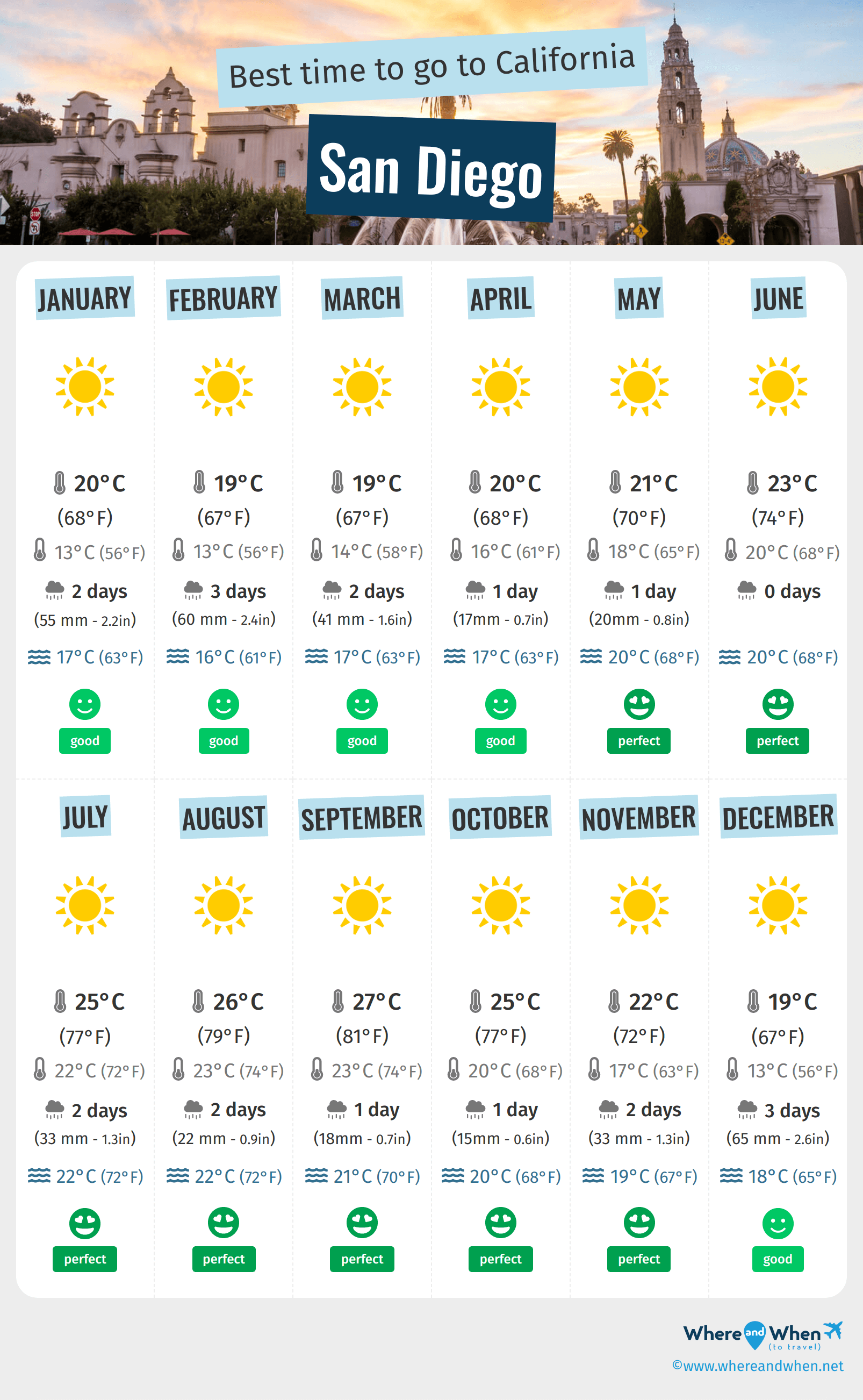
San Diego boasts a wealth of attractions, from world-class museums to stunning natural parks. The majority of these, including the San Diego Zoo, USS Midway Museum, and various institutions within Balboa Park, operate on fixed schedules.
- Check Operating Hours: Always verify the current opening and closing times for each attraction you plan to visit. These can vary seasonally, on holidays, or due to special events. During the winter months (PST), some outdoor attractions or boat tours might have reduced hours due to earlier sunsets.
- Booking Tours and Experiences: Many popular tours, such as whale watching cruises, harbor tours, or brewery tours in North Park, have specific departure times. Booking in advance and arriving promptly is essential.
- Dining Reservations: San Diego’s culinary scene, especially in areas like the Gaslamp Quarter or Little Italy, can be incredibly popular. Making dinner reservations, particularly for weekend evenings or high-demand restaurants, is highly recommended. Be mindful of your time zone adjustments when making these calls or online bookings from afar.
- Outdoor Activities: For activities like surfing lessons, kayaking at La Jolla Cove, or hiking in Torrey Pines State Natural Reserve, the time of day can significantly impact the experience, considering tides, sunlight, and crowds.
Business Travel and Remote Work Considerations
For those visiting San Diego for business or planning an extended stay with remote work, understanding the local time is paramount for productivity and effective communication.
- Meeting Schedules: If your team or clients are primarily on the East Coast (Eastern Time, UTC-5/UTC-4), a 9 AM San Diego meeting means a 12 PM meeting for them. This three-hour difference requires careful scheduling to accommodate everyone’s working hours. For international collaborators, the time differences can be even more pronounced, often requiring early morning or late evening calls from San Diego.
- Productivity Windows: Many business travelers find their internal clock initially struggles with the shift. Identify your most productive hours and schedule demanding tasks accordingly. Take advantage of San Diego’s morning calm or late afternoon vibrancy for focused work.
- Co-working Spaces and Cafes: San Diego offers numerous co-working spaces and cafes with reliable Wi-Fi. Check their operating hours to ensure they align with your work schedule, especially if you need to participate in early or late virtual meetings.
Maximizing Your San Diego Experience: Timing is Everything
Beyond mere logistics, strategic timing can profoundly enhance your overall San Diego experience, allowing you to witness the city at its best, avoid crowds, and immerse yourself fully in its unique charm.
Optimal Times for Iconic Attractions and Landmarks
The beauty of San Diego lies in its diverse offerings, from cultural hubs to natural wonders. Visiting at the right time can transform a good experience into an exceptional one.
- Balboa Park and Museums: Mornings, shortly after opening, are ideal for exploring the various museums within Balboa Park to beat the crowds, especially during peak tourist seasons. Mid-week visits are generally less crowded than weekends.
- San Diego Zoo: Arrive early in the morning, right at opening, to see animals at their most active and enjoy cooler temperatures before the midday heat. Allocate at least half a day for this expansive attraction.
- USS Midway Museum: This popular attraction can get very busy. Early mornings or late afternoons, an hour or two before closing, often offer a more relaxed experience. Allow 3-4 hours for a thorough visit.
- La Jolla Cove and Children’s Pool: Visit in the morning to see the seals and sea lions basking in the sun, or later in the afternoon for stunning golden hour views. Low tide is best for exploring tide pools.
- Coronado Island and Hotel del Coronado: A late afternoon visit allows you to stroll along the beach, admire the iconic Hotel del Coronado’s architecture, and catch a spectacular sunset over the Pacific Ocean.
- Old Town San Diego State Historic Park: Mornings are perfect for exploring the historic buildings and shops before the midday rush. Evenings are lively with dining and entertainment options.
- Sunset Cliffs Natural Park: As the name suggests, this location is paramount for sunset viewing. Arrive 30-45 minutes before actual sunset time to secure a good spot and watch the sky transform.
- Petco Park: If attending a San Diego Padres game, plan to arrive an hour before game time to enjoy the pre-game atmosphere, explore the park, and find your seats without rush.
Dining, Nightlife, and Event Timing
San Diego’s culinary and entertainment scenes are diverse and dynamic, with different areas coming alive at specific times.
- Breakfast/Brunch: Many local eateries and cafes open around 7 AM to cater to early risers. Brunch spots, especially on weekends, can be incredibly popular, so consider arriving right at opening or making a reservation to avoid long waits.
- Lunch: Downtown San Diego, Little Italy, and Gaslamp Quarter are bustling with lunch options. For a more relaxed meal, consider hitting restaurants slightly before or after the traditional noon-1 PM rush.
- Dinner: Prime dinner hours in San Diego typically run from 6 PM to 9 PM. Restaurants in tourist-heavy areas or with high ratings often require reservations, particularly from Thursday to Saturday. Eating slightly earlier or later can sometimes lead to better table availability.
- Nightlife: The Gaslamp Quarter truly comes alive after 9 PM, with bars, clubs, and live music venues operating until the early morning hours. If you’re looking for a more relaxed evening, consider a sunset cocktail at a rooftop bar earlier in the evening.
- Special Events and Festivals: San Diego hosts numerous events throughout the year, from the world-famous San Diego Comic-Con to local food and wine festivals. Event schedules are always published in local time, but it’s crucial to cross-reference with your personal schedule and account for travel time to and from venues.
Seasonal Daylight Variations and Their Impact
The amount of daylight changes significantly throughout the year in San Diego, impacting outdoor activities and overall planning.
- Summer (PDT): Long daylight hours mean sunsets can be as late as 8 PM or even later. This provides ample time for beach activities, hiking, and outdoor dining after work or sightseeing. The extra daylight is perfect for extended exploration.
- Winter (PST): Shorter days mean earlier sunsets, often by 5 PM. While this creates a cozy atmosphere perfect for enjoying holiday lights or indoor attractions, it requires more strategic planning for outdoor excursions. If you want to hike Torrey Pines State Natural Reserve and enjoy the view, start earlier in the day to avoid being caught out after dark.
- Spring/Autumn (Transition periods): These seasons offer a balance, with pleasant temperatures and reasonable daylight. They are often considered ideal for visiting San Diego for their comfortable weather and fewer crowds than summer.
Accommodation and the Clock: Check-in, Check-out, and Beyond
Your accommodation is your home base in San Diego, and time plays a vital role in managing your stay, from initial arrival to final departure. Understanding hotel policies and services related to time can save you stress and enhance your overall comfort.
Hotel Policies and Guest Services
Most hotels, resorts, and vacation rentals in San Diego adhere to standard check-in and check-out times, typically designed to allow ample time for cleaning and preparation between guests.
- Check-in: Standard check-in time is usually between 3 PM and 4 PM Pacific Time Zone. If you arrive earlier, inquire about early check-in options. While not always guaranteed, many establishments will store your luggage for free, allowing you to begin exploring San Diego without your bags. Some hotels may offer an early check-in for an additional fee.
- Check-out: Standard check-out is typically 11 AM or noon Pacific Time Zone. Late check-out may be available upon request, often for an extra charge or subject to availability, especially during busy periods. If you have a late flight, utilizing the hotel’s luggage storage can be a convenient way to enjoy a few more hours in the city.
- Amenities and Services: Be aware of the operating hours for hotel amenities like pools, fitness centers, and on-site restaurants. These are always posted in local time and can sometimes vary seasonally. For example, a rooftop pool might have extended hours during summer PDT.
- Concierge and Reception: The hotel concierge or reception desk is an invaluable resource for local time-sensitive information, such as current attraction hours, public transport schedules, or booking last-minute tours. Don’t hesitate to ask them for advice on timing your activities.

Long-Term Stays and Daily Rhythms
For those enjoying an extended stay in San Diego, perhaps in a vacation rental or an apartment, adapting to the local time becomes second nature. However, it still influences your daily rhythm.
- Local Culture and Habits: Living in [San Diego](https://lifeoutofthebox.com/san-diego] for a longer period allows you to sync with local habits. You might find yourself rising early for a beach walk or a run along the bay, enjoying lunch at a casual eatery, and savoring dinner later in the evening, aligning with the city’s relaxed, sun-drenched lifestyle.
- Commuting and Traffic: While San Diego’s traffic isn’t as notorious as Los Angeles, peak commute times (typically 7 AM-9 AM and 4 PM-6 PM Pacific Time Zone) can still impact travel within the city. If you’re renting a car for day trips to nearby areas like Julian or Temecula wine country, factor these times into your planning.
- Healthcare and Appointments: If you need to schedule any appointments, from a doctor’s visit to a spa treatment, ensure you’re noting the times correctly and accounting for travel.
In conclusion, “What time in San Diego, California?” is far more than a simple query about a numerical value on a clock. It’s a gateway to understanding the rhythm of the city, enabling smarter travel planning, smoother transitions, and a richer, more immersive experience. By recognizing the Pacific Time Zone, accounting for Daylight Saving Time, and aligning your schedule with the city’s natural flow, you’re not just visiting San Diego; you’re truly living it, moment by moment.
LifeOutOfTheBox is a participant in the Amazon Services LLC Associates Program, an affiliate advertising program designed to provide a means for sites to earn advertising fees by advertising and linking to Amazon.com. Amazon, the Amazon logo, AmazonSupply, and the AmazonSupply logo are trademarks of Amazon.com, Inc. or its affiliates. As an Amazon Associate we earn affiliate commissions from qualifying purchases.