
For any traveler journeying across the vast expanse of the United States, understanding time zones is not merely a matter of trivia; it’s a fundamental aspect of successful trip planning and execution. The question, “What time is 2 PM EST in California?”, strikes at the heart of this crucial logistical consideration. Whether you’re coordinating flight arrivals, scheduling virtual meetings, or simply ensuring you don’t miss a coveted reservation, a grasp of time differences is paramount.
The answer to this specific query is straightforward: when it is 2 PM Eastern Standard Time (EST), it is 11 AM Pacific Standard Time (PST) in California. This consistent three-hour difference forms the bedrock of cross-country scheduling. However, the nuances introduced by Daylight Saving Time and the practical implications for travel warrant a deeper exploration.
Decoding United States Time Zones for Travelers
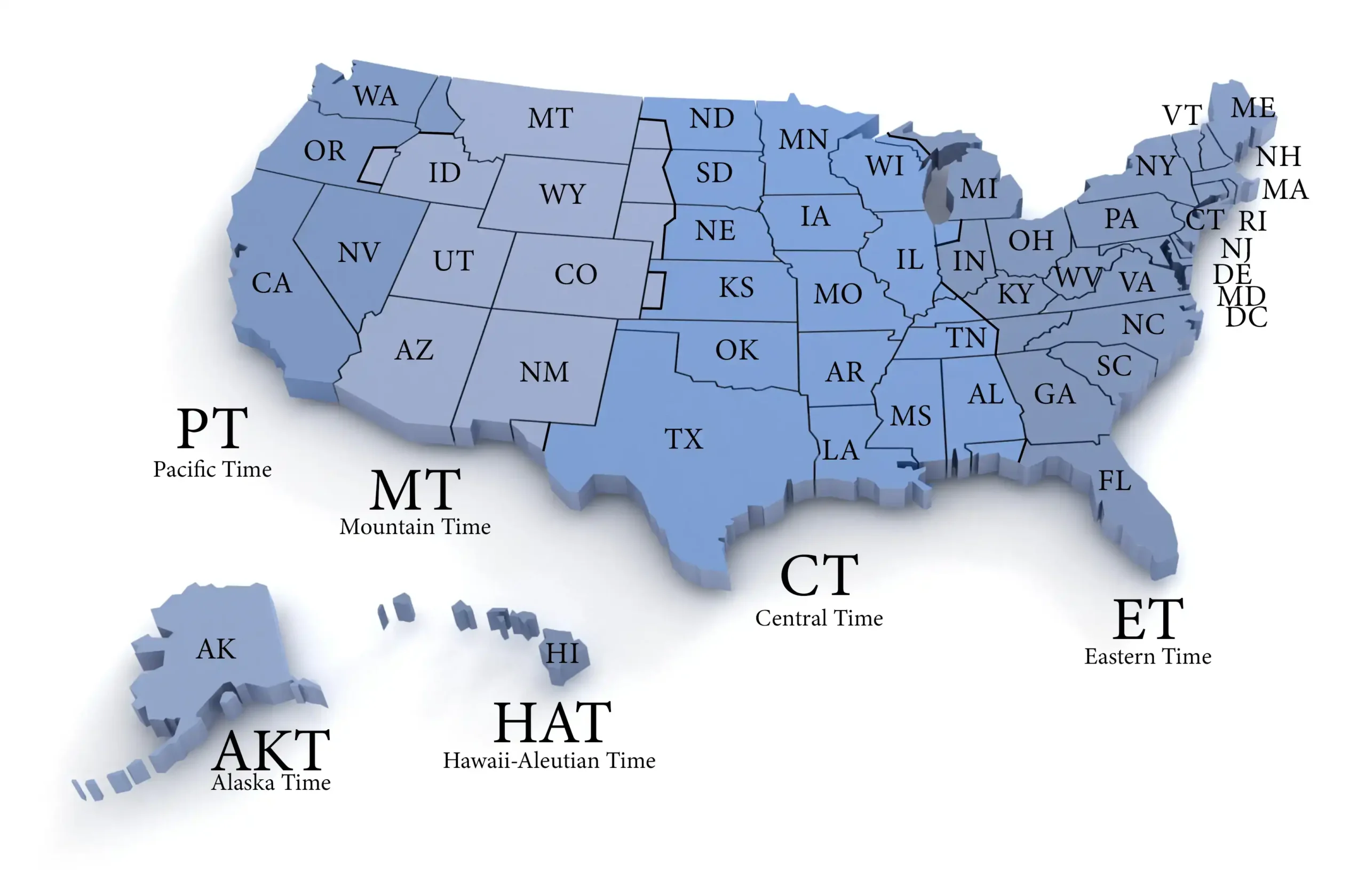
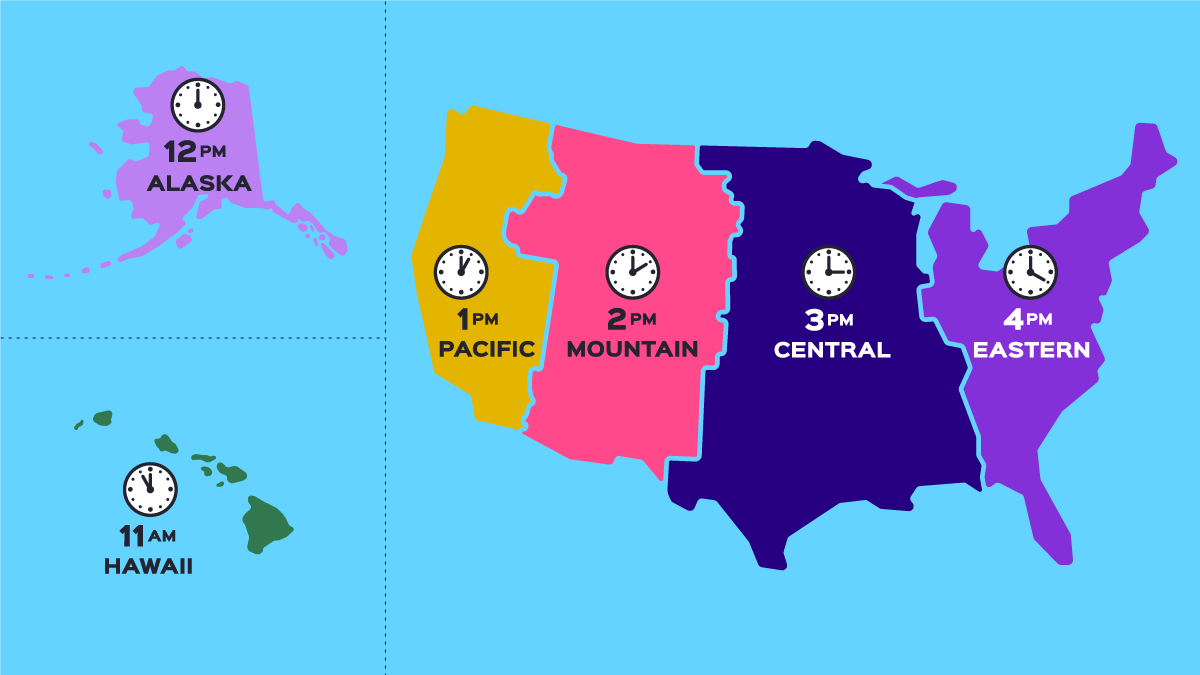
The continental United States is divided into four primary time zones: Eastern, Central, Mountain, and Pacific. Each zone represents a one-hour shift, making the journey from the Atlantic to the Pacific a multiple-hour leap.
The EST and PST Divide
Eastern Standard Time (EST) encompasses states primarily on the eastern seaboard, including major travel hubs like New York and popular destinations in Florida and Massachusetts. It is five hours behind Coordinated Universal Time (UTC-5).
Conversely, Pacific Standard Time (PST) covers the westernmost states, including the entirety of California, Oregon, and Washington. It is eight hours behind UTC (UTC-8).
This clear differential establishes a consistent three-hour time gap between EST and PST. Therefore, if it is 2 PM in a region observing EST, it will always be 11 AM in a region observing PST during periods when both are on standard time.
Understanding Daylight Saving Time
The plot thickens with the introduction of Daylight Saving Time (DST). Most states in both the EST and PST zones observe DST, typically shifting clocks forward by one hour in the spring and back in the fall.
When DST is in effect, Eastern Standard Time becomes Eastern Daylight Time (EDT), which is UTC-4. Similarly, Pacific Standard Time becomes Pacific Daylight Time (PDT), which is UTC-7. Crucially, the three-hour difference remains constant. If it’s 2 PM EDT, it’s 11 AM PDT.
One notable exception to DST observance is Arizona (with the exception of the Navajo Nation), which remains on Mountain Standard Time year-round. While not directly impacting the EST to California calculation, it serves as a reminder of the regional variations that can affect multi-state itineraries. For travelers, the key takeaway is that the 3-hour difference between the East Coast and California generally holds, regardless of DST, as long as both regions are following the same DST rules.
Practical Implications for Your California Journey
Understanding the three-hour time difference is more than just academic; it has tangible impacts on every aspect of your travel experience, from booking to enjoying your destination.
Flight Schedules and Airport Logistics
When booking flights from the East Coast to California, arrival times are always displayed in the local time of the destination airport. A flight departing New York at 9 AM EST and arriving in Los Angeles at 12 PM PST might seem like a mere three-hour journey. However, factoring in the time zone change reveals it’s a six-hour flight (9 AM EST is 6 AM PST, so 6 AM to 12 PM is six hours). This distinction is critical for connecting flights, car rental pick-ups, and pre-arranged transfers. Always double-check flight durations against the time zone changes to avoid miscalculations that could lead to missed connections or unnecessary stress.
Business and Personal Communications
For business travelers, scheduling calls or virtual meetings across the country requires careful attention. A 10 AM EST conference call needs to be scheduled for 7 AM PST to accommodate participants in California. Similarly, calling friends or family on the East Coast from California means remembering they are already three hours ahead. A casual 8 PM call from San Francisco translates to 11 PM on the East Coast, potentially disrupting their evening. These small considerations contribute significantly to smooth interactions.
Booking Activities and Reservations
California offers an incredible array of attractions and dining experiences, many of which require advance reservations. From wine tastings in Napa Valley to dinner reservations in Beverly Hills or guided tours in Yosemite National Park, timing is everything. If you’re booking an activity at 3 PM PST while still on EST, remember that this is 6 PM your time. Planning your itinerary means converting all local activity times back to your home time zone for an accurate overview of your daily schedule and to ensure you don’t accidentally overschedule or underschedule.
Essential Tips for Seamless Time Zone Transitions
Navigating a three-hour time difference can be challenging, especially when traveling from east to west, which often exacerbates the effects of jet lag. However, with a few strategic approaches, travelers can minimize disruption and maximize enjoyment.
Pre-Trip Planning and Communication
- Convert All Times: Before departure, create an itinerary with all key times (flights, reservations, meetings) listed in both your home time zone and the local California time. This dual perspective helps prevent confusion.
- Inform Contacts: If you have important work or personal commitments, communicate your travel plans and expected time zone shift to relevant parties well in advance. This sets expectations and avoids missed calls.
- Set Your Clock Early: A day or two before flying, gradually adjust your sleep schedule to align closer with California time. Even small shifts can make a big difference upon arrival.
- Update Devices: Ensure your smartphone and other electronic devices are set to automatically update their time zone. This simple step is invaluable.
On-the-Go Adjustments and Tools
- Wear a Watch: Consider wearing a traditional wristwatch set to your home time zone, while relying on your phone for local time. This offers a quick reference without constantly converting in your head.
- Time Zone Apps: Utilize time zone converter apps or world clock features on your phone. These tools can quickly display the time in multiple locations simultaneously, eliminating guesswork.
- Stay Hydrated: Dehydration can worsen jet lag symptoms. Drink plenty of water before, during, and after your flight.
- Light Exposure: Upon arrival, expose yourself to natural light during California daylight hours to help reset your circadian rhythm. Avoid excessive light exposure late in the evening.
Battling Jet Lag Effectively
Traveling from EST to PST means you gain three hours, which can often feel less jarring than losing time. However, the early mornings that often accompany this shift can still be disruptive.
- Adjust Sleep on Arrival: Try to go to bed and wake up according to California’s local time, even if you don’t feel tired. Power through the first day, if possible, to help your body adapt quickly.
- Avoid Long Naps: While a short power nap (20-30 minutes) can be beneficial, prolonged naps during the day can confuse your body clock further.
- Gentle Activity: Engage in light activities like walking or exploring upon arrival. Physical movement can help alleviate fatigue and prepare your body for sleep at the appropriate time.
- Mind Your Caffeine/Alcohol: While a cup of coffee might seem like a quick fix for morning sluggishness, limit caffeine intake in the afternoon. Similarly, alcohol can disrupt sleep patterns, so consume it in moderation.
Exploring California’s Diverse Attractions by the Clock
With your time zone strategy in place, you can fully immerse yourself in the wonders of California, optimizing your days from dawn till dusk.
Morning Adventures in Los Angeles and San Francisco
An 11 AM PST start to your day (which felt like 2 PM on the East Coast) allows for a relaxed breakfast before diving into early adventures. In Los Angeles, consider an early visit to the Hollywood Walk of Fame before the crowds gather or a brisk walk along Santa Monica Pier. For those in San Francisco, mornings are perfect for biking across the Golden Gate Bridge or exploring the historic streets of Fisherman’s Wharf before the fog fully dissipates, offering stunning views. Theme parks like Disneyland often open early, making an 11 AM (2 PM EST) arrival ideal for maximizing your time with fewer initial queues.
Afternoon Delights in Napa Valley and Coastal Drives
By the time it’s afternoon in California—say, 2 PM PST, which is 5 PM back east—your body should be settling into the new rhythm. This is an opportune time for leisurely activities. Head to Napa Valley for an afternoon wine tasting tour, savoring the region’s renowned vintages and scenic vineyards. Alternatively, embark on a picturesque drive along the Pacific Coast Highway, stopping at scenic overlooks and charming coastal towns like Carmel-by-the-Sea. The Golden State’s diverse landscapes truly shine in the afternoon sun.
Evening Experiences from San Diego to Lake Tahoe
As the sun begins to set in California, roughly around 7 PM PST (or 10 PM EST), the state comes alive with evening entertainment. In San Diego, explore the vibrant nightlife of the Gaslamp Quarter or enjoy a sunset cruise in San Diego Bay. For those further north, an evening stroll around Lake Tahoe offers tranquil beauty, perhaps followed by dinner at a lakeside restaurant or a visit to a nearby casino in Nevada. The earlier equivalent time on the East Coast means you can enjoy a full evening out in California without feeling excessively late, making the most of every moment of your travel adventure.
LifeOutOfTheBox is a participant in the Amazon Services LLC Associates Program, an affiliate advertising program designed to provide a means for sites to earn advertising fees by advertising and linking to Amazon.com. Amazon, the Amazon logo, AmazonSupply, and the AmazonSupply logo are trademarks of Amazon.com, Inc. or its affiliates. As an Amazon Associate we earn affiliate commissions from qualifying purchases.