
The Annual Migration Spectacle
The arrival of hummingbirds in Colorado each spring marks one of nature’s most enchanting migration events, transforming gardens, mountain meadows, and urban green spaces into vibrant spectacles of aerial acrobatics and brilliant color. For travelers and nature enthusiasts, timing a visit to Colorado around this annual phenomenon offers a unique opportunity to witness these tiny, tenacious birds as they return to their breeding grounds. Their journey, often spanning thousands of miles from wintering habitats in Mexico and Central America, is a testament to incredible endurance and instinct.
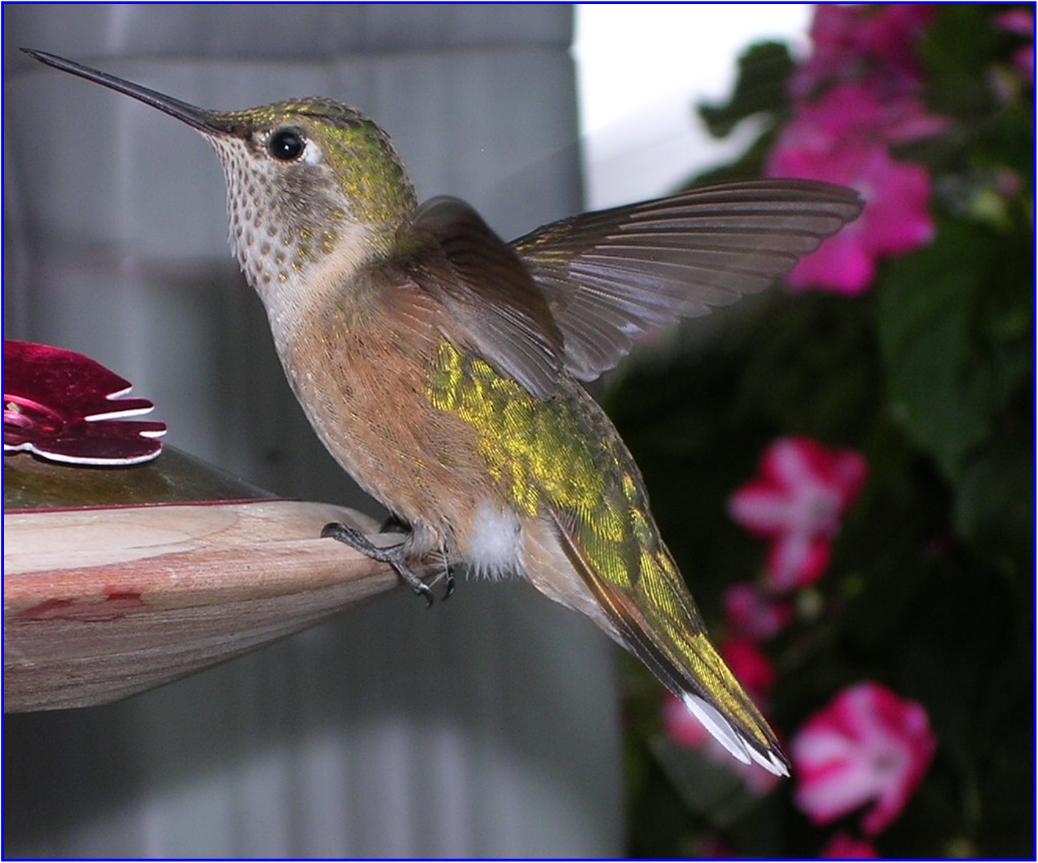
Colorado, with its diverse ecosystems ranging from high desert to alpine tundra, serves as a crucial summer residence for several hummingbird species. The most commonly spotted include the Broad-tailed Hummingbird, known for the distinct “trilling” sound of its wings, and the Rufous Hummingbird, an aggressive and fiery-colored traveler. Less common but equally captivating are the Calliope Hummingbird, the smallest bird in North America, and occasional visitors like the Black-chinned and Anna’s Hummingbirds, particularly in the western parts of the state. Understanding their migratory patterns and arrival windows is key to planning an unforgettable hummingbird-focused travel experience. The allure of these shimmering jewels in flight draws countless visitors seeking to connect with the natural world and capture breathtaking moments.

Pinpointing Arrival Times Across the Centennial State
Hummingbird arrival in Colorado is not a single, statewide event but rather a staggered progression influenced by geography, elevation, and species-specific migration patterns. Generally, the first scouts begin to appear in late April, with peak arrivals extending through May and into early June, depending on the region.
Early Arrivals in Southern Colorado
The warmer climates and lower elevations of southern Colorado typically welcome the first wave of hummingbirds. Broad-tailed Hummingbirds are often the pioneers, seen as early as the last week of April or the first week of May. Travelers focusing on the southern reaches of the state, such as areas around Durango, Pueblo, and Colorado Springs, have the best chance of encountering these early arrivals. Gardeners and residents in these areas often report their first sightings when spring blossoms like columbines and penstemons begin to emerge, providing vital nectar sources for the weary travelers. A trip planned during this period can offer a more intimate viewing experience before the summer crowds.
Peak Season in Central and Northern Regions
As May progresses and temperatures rise, the migration advances northward and to higher elevations. Mid-May to early June marks the peak arrival period for many species in central and northern Colorado, including major metropolitan areas like Denver, Boulder, and Fort Collins. During this window, hummingbird activity rapidly increases as more birds settle into their summer territories. This is an excellent time for urban and suburban travelers to set up feeders or visit local botanical gardens and parks, where the flurry of activity can be astounding. The increased number of birds makes sightings more frequent and widespread, offering ample opportunities for photography and observation.
High Mountain Retreats
The highest elevations and mountain valleys experience a slightly later arrival, usually from late May through mid-June. Species like the Rufous and Calliope Hummingbirds, which prefer cooler climates and alpine meadows, push into destinations such as Rocky Mountain National Park, Aspen, and Telluride as the snow melts and wildflowers burst forth. Traveling to these majestic landscapes during this time not only offers breathtaking scenery but also the chance to see hummingbirds against a backdrop of towering peaks and vibrant alpine flora. The sheer effort these tiny birds expend to reach these high-altitude havens is truly inspiring, providing a compelling narrative for any nature-focused journey.
Planning Your Hummingbird-Watching Trip
Maximizing your chances of observing hummingbirds in Colorado requires thoughtful planning and an understanding of their habits.
Best Time to Visit
While early arrivals begin in late April, the window from mid-May through August offers the most consistent and widespread hummingbird activity across Colorado. May and June are ideal for witnessing the initial influx and establishment of territories, while July and August provide opportunities to see fledglings and observe the birds in their full summer glory before they begin their southbound migration in late summer. Consider your preferred Colorado region; early summer is best for lower elevations, while mid-to-late summer might be better for high mountain areas where the wildflowers are in full bloom.

Essential Gear for Enthusiasts
For an optimal hummingbird-watching experience, pack a good pair of binoculars to appreciate their intricate details and swift movements from a respectful distance. A field guide specific to North American birds can help identify species. Photography enthusiasts will want a camera with a fast shutter speed and a telephoto lens to capture these nimble subjects. Beyond birding-specific gear, remember comfortable hiking shoes, layers of clothing suitable for changing mountain weather, sunscreen, and plenty of water. A journal can be invaluable for recording sightings and observations.
Top Destinations for Hummingbird Encounters
Colorado boasts numerous locations perfect for hummingbird watching. National Parks and State Parks are excellent starting points; for instance, Rocky Mountain National Park offers prime viewing spots along trails and near visitor centers. Staunton State Park southwest of Denver is another gem. Botanical gardens, like the Denver Botanic Gardens, cultivate diverse native and non-native flowers that attract a multitude of species. Many private ranches and nature preserves throughout the state also offer guided tours or accessible viewing areas. Even residential areas along the Front Range can be excellent, particularly in neighborhoods where residents maintain hummingbird feeders. Local visitor centers and birding clubs are fantastic resources for up-to-date information on current activity hot spots.
Ethical Wildlife Viewing
Responsible tourism is paramount when observing wildlife. Always maintain a respectful distance from hummingbirds and their nests to avoid causing distress or disturbance. Use binoculars for close-up views rather than attempting to approach them too closely. Avoid making loud noises or sudden movements. If you’re using feeders, ensure they are cleaned regularly and filled with a proper sugar-water solution (four parts water to one part sugar, no red dye) to keep the birds healthy. Leave no trace of your visit and respect all park regulations and private property signs.
Beyond Arrival: The Summer Stay and Departure
The arrival of hummingbirds is just the beginning of their fascinating summer in Colorado. Once they establish territories, breeding season commences. Females diligently build intricate, cup-shaped nests, often camouflaged with lichen and spider silk, and raise one to three broods of tiny chicks. Throughout July and August, the state’s floral abundance provides ample nectar for adults and growing fledglings. This period offers a fantastic opportunity to observe the birds engaging in feeding, territorial disputes, and even courtship displays. As late August approaches and extends into September, the hummingbirds begin their epic journey south once again, preparing for the arduous migration back to warmer climates. Colorado serves as a critical stopover and refueling station for many, making late summer a vibrant time for observing both resident and migrating individuals.
Enhancing Your Travel Experience
Integrating hummingbird watching into a broader Colorado travel itinerary can elevate your entire trip.
Local Events and Festivals
Keep an eye out for local birding festivals, nature walks, or garden tours that often coincide with peak hummingbird season. Many communities host events celebrating local flora and fauna, providing expert-led opportunities to learn more about these captivating creatures and their ecosystem. Checking local tourism boards or nature center calendars before your visit can reveal hidden gems and specialized experiences.
Combining with Other Colorado Attractions
Colorado’s natural beauty extends far beyond its hummingbirds. Combine your birding excursions with renowned activities such as hiking through majestic mountain trails, scenic drives along historic byways, or exploring charming mountain towns. A morning of hummingbird watching can seamlessly transition into an afternoon of whitewater rafting or a visit to a local brewery. The state offers a wealth of cultural experiences, from art galleries in Aspen to historical museums in Denver, ensuring a well-rounded and enriching travel experience for every interest.
Supporting Conservation Efforts
Travelers can contribute to the long-term well-being of hummingbirds by supporting local conservation organizations. Many Colorado non-profits focus on habitat preservation, research, and public education. Visiting state parks and national forests also helps fund their maintenance and protection. By choosing eco-friendly accommodations and practicing responsible outdoor ethics, you play a vital role in ensuring that future generations can continue to marvel at the annual arrival of hummingbirds in Colorado.
LifeOutOfTheBox is a participant in the Amazon Services LLC Associates Program, an affiliate advertising program designed to provide a means for sites to earn advertising fees by advertising and linking to Amazon.com. Amazon, the Amazon logo, AmazonSupply, and the AmazonSupply logo are trademarks of Amazon.com, Inc. or its affiliates. As an Amazon Associate we earn affiliate commissions from qualifying purchases.