
Understanding the local time is not merely a technicality; it’s a fundamental aspect of successful travel planning, directly influencing everything from flight schedules to daily itineraries and even your personal well-being. For anyone heading to the Golden State, the perennial question, “What time is California on?” is the gateway to a seamless and enjoyable journey. This vibrant state operates within a single time zone, but its implications for travelers arriving from diverse parts of the world are extensive and worth exploring in detail.
Navigating Time Zones for Your California Adventure
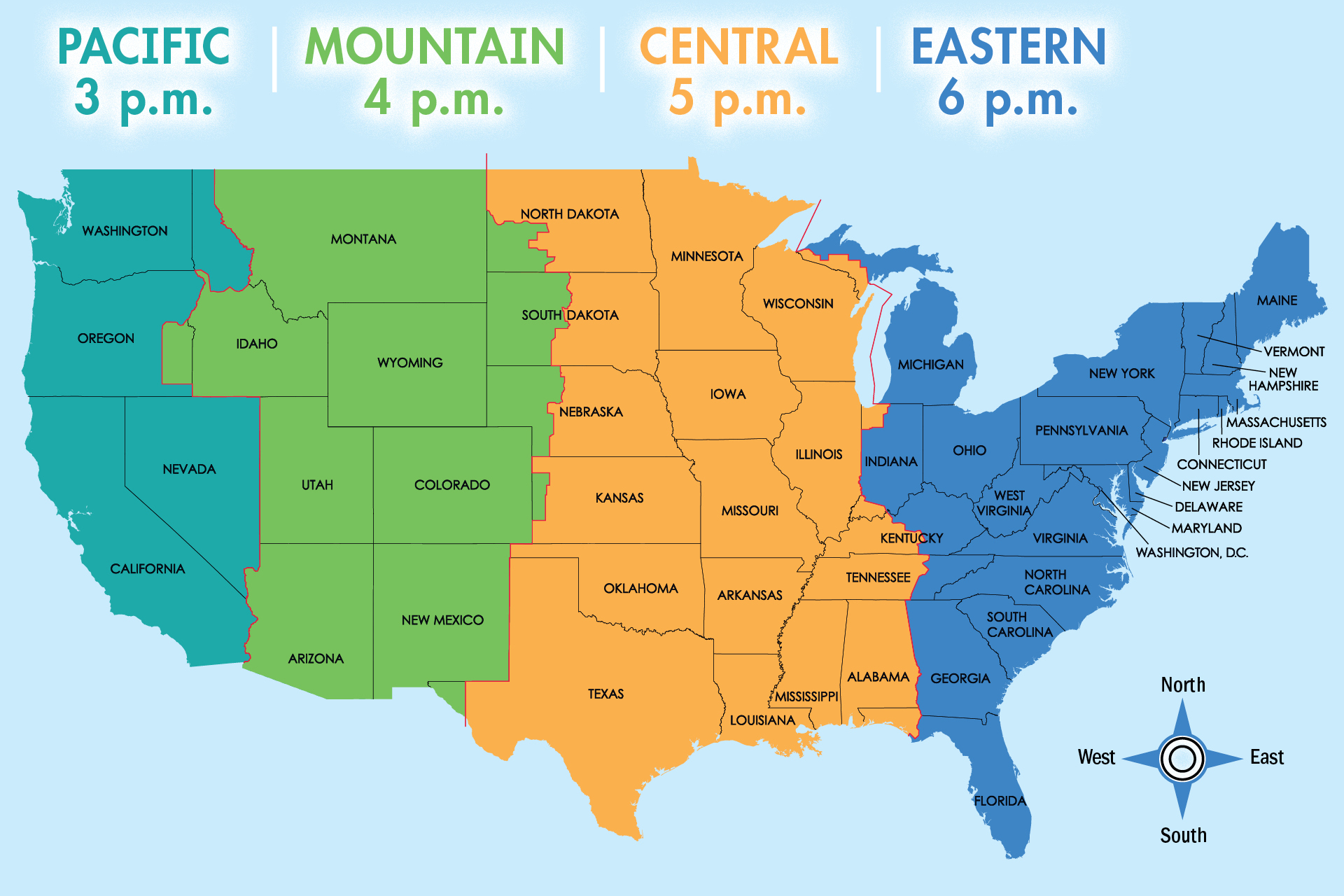
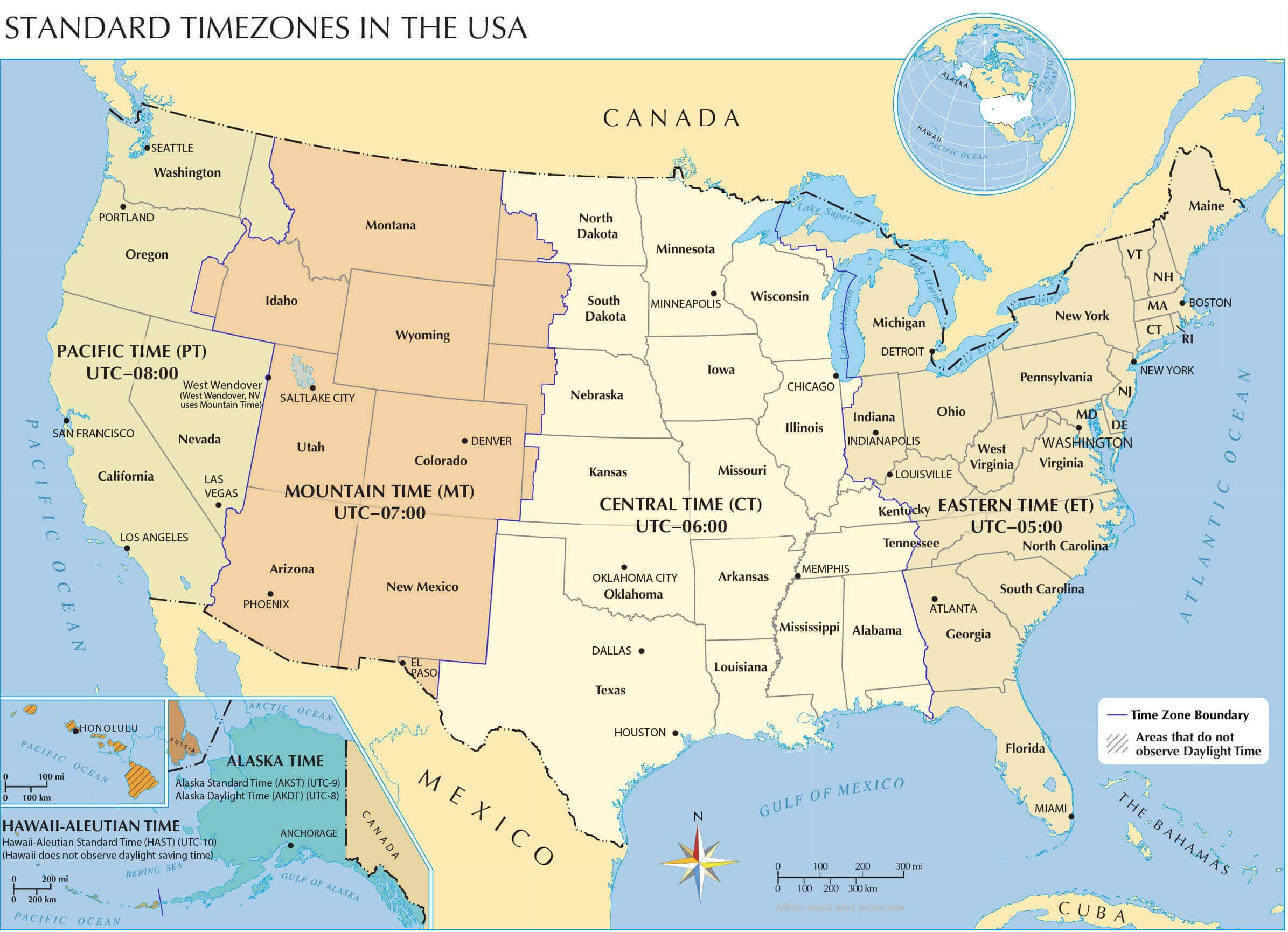
California strictly adheres to the Pacific Time Zone, which encompasses a vast area of the western United States and parts of Canada and Mexico. Knowing how this time zone operates, and its seasonal adjustments, is paramount for any traveler.
The Pacific Standard Time (PST) and Pacific Daylight Time (PDT) Distinction
During the colder months, from early November to mid-March, California observes Pacific Standard Time (PST), which is 8 hours behind Coordinated Universal Time (UTC-8). As spring arrives, typically on the second Sunday in March, the state switches to Pacific Daylight Time (PDT). This means clocks “spring forward” one hour, placing California at UTC-7. This shift remains in effect until the first Sunday in November, when clocks “fall back” one hour, returning to PST. This annual adjustment, commonly known as Daylight Saving Time, is designed to make better use of daylight, extending evening daylight hours into the warmer seasons.
For travelers, this seasonal change requires vigilance. Flight schedules, particularly for international and red-eye domestic journeys, are always listed in local time. A flight departing at 9:00 AM PDT in summer is a different absolute time than 9:00 AM PST in winter. Similarly, booking tours, making restaurant reservations in San Francisco or Los Angeles, or coordinating virtual meetings with colleagues back home all demand an awareness of whether it’s PST or PDT. Most modern smartphones and digital devices automatically adjust, but for older travel clocks or manual planning, a quick check of the current time status is always a wise precaution.
Why California’s Time Zone Matters for Visitors
The impact of California’s time zone on your travel experience is multifaceted. Beyond the immediate effect on arrival and departure times, it dictates the rhythm of your entire trip. If you’re planning a visit to Disneyland, gates open at a specific local time, and you’ll want to be there early to beat the crowds, which means adjusting your internal clock to match. A scenic morning drive over the Golden Gate Bridge requires an understanding of when the morning fog typically lifts, often correlated with the local sunrise.
Furthermore, activities like a hot air balloon ride over Napa Valley are strictly scheduled for sunrise, making accurate time-keeping essential for not missing a once-in-a-lifetime experience. For those traveling from distant time zones, the disparity affects initial energy levels and the ability to fully immerse oneself in activities during the first few days. Even simple tasks, such as communicating with friends and family, require careful consideration of time differences to avoid inconvenient calls in the middle of the night for either party.
Beating Jet Lag: A Traveler’s Guide to California Time
Jet lag is the body’s natural response to rapid travel across multiple time zones, disrupting the internal circadian rhythm. For travelers heading to California from the East Coast, Europe, or Asia, mitigating its effects can significantly enhance the early days of their trip.
Pre-Trip Preparation for Time Adjustment
A proactive approach to jet lag begins even before you board your flight. A few days prior to departure, gradually shift your sleep schedule towards California time. If traveling west, try going to bed and waking up later each day. If traveling east, aim for earlier sleep and wake times. While not always fully achievable, even a small adjustment can make a noticeable difference.
Hydration is key. Drink plenty of water before, during, and after your flight, and try to limit caffeine and alcohol, which can exacerbate dehydration and interfere with sleep patterns. Upon boarding, immediately set your watch or phone to California local time. This psychological shift can help your brain begin to anticipate the new schedule. Visualizing yourself already on California time and planning your in-flight activities around what would be appropriate at your destination can be surprisingly effective. For instance, if it’s nighttime in California during your flight, try to sleep.
On Arrival Strategies to Minimize Disruption
Once you land in California, strategic choices can accelerate your adjustment. The most critical factor is exposure to natural light. Sunlight helps reset your body’s internal clock, signaling to your brain that it’s daytime. Prioritize spending time outdoors during daylight hours, especially in the morning. A light walk or gentle exercise can also boost energy and promote better sleep later.
Adjust your meal times to align with local California schedules as quickly as possible. Eating at appropriate local times reinforces the new rhythm. While tempting, avoid long naps during the day. If you must nap, keep it short, no more than 20-30 minutes, to avoid falling into deep sleep that makes it harder to sleep at night. Your primary goal should be to get a full, uninterrupted night’s sleep on your first night in [California](https://lifeoutofthebox.com/california]. Blackout curtains, earplugs, and an eye mask can be invaluable tools for achieving this, especially if you arrive early in the day.
Regional Considerations and Travel Planning
While all of California observes the same time zone, the sheer size of the state means that understanding travel times between its diverse regions is critical for effective itinerary planning.
Northern California vs. Southern California
Despite the vast distances, both Northern California cities like San Francisco and Southern California hubs such as Los Angeles and San Diego operate on the same Pacific Time clock. This simplifies time zone management within the state. However, the travel time between these regions can be substantial. For example, driving from San Francisco to Los Angeles typically takes 6-8 hours, while a flight might be just over an hour. Factoring in airport security, boarding, and deplaning, a short flight can easily consume half a day. Meticulous planning of your travel legs within California is just as important as managing the initial time zone change upon arrival.
Cross-Country and International Travel to California
The most significant time adjustments occur when traveling to California from other parts of the world. For travelers from the East Coast of the United States, such as New York or Florida, California is three hours behind. This means a 9:00 AM meeting in Los Angeles would be noon for someone on Eastern Time. For those coming from London, UK, the time difference is typically 8 hours (during PDT), making careful coordination essential for international calls or virtual business engagements. From Tokyo, Japan, the difference can be as much as 16 hours, presenting a more profound challenge for communication and jet lag.
Business travelers, in particular, must be acutely aware of these discrepancies for scheduling calls, presentations, and client meetings. Connecting flights also require careful review, as a layover in a different time zone can inadvertently shorten or lengthen a perceived connection window. Always double-check flight times in the local time of the airport where the layover occurs.
Tools and Apps for Seamless Time Management
Fortunately, technology offers numerous aids for managing time zones. Most smartphones automatically update to the local time zone upon arrival, making them indispensable. Built-in world clock functions allow you to track multiple time zones simultaneously, which is invaluable for staying connected with home or coordinating with travel companions in different locations.
Dedicated travel planning apps often integrate time zone conversions into their itineraries, offering reminders and alerts adjusted to your destination’s local time. When making reservations for tours, dining, or transportation, always confirm the specified time is in California’s local time to avoid any miscommunications or missed appointments. A simple rule of thumb: when in doubt, convert, confirm, and then reconfirm.
Maximizing Your California Experience with Time Awareness
Strategic time management, informed by an understanding of California’s time zone, can transform a good trip into an exceptional one.
Early Bird Adventures
One of the best ways to experience California’s most popular attractions is to beat the crowds. Arriving early, often just as gates open or sunrise breaks, provides a quieter, more intimate experience. Imagine witnessing the sunrise over Yosemite National Park’s majestic Half Dome without the throngs of tourists, or enjoying a serene walk on Santa Monica Pier before the bustling afternoon. Getting an early start also allows for cooler temperatures during hikes and more comfortable exploration, especially during the warmer months. Your adjusted circadian rhythm will be your ally in seizing these precious early morning moments.
Sunset & Evening Delights
California is renowned for its spectacular sunsets, especially along its expansive coastline. Planning your day to culminate in a sunset viewing from a picturesque vantage point, perhaps in Malibu or Laguna Beach, can be a memorable highlight. Evening activities, from dining at world-class restaurants in Beverly Hills to catching a show in Hollywood or a concert in San Diego, all require careful scheduling. Restaurant reservations fill up quickly, and showtimes are absolute. Be mindful of drive times to and from venues, especially in Los Angeles where traffic can be unpredictable, to ensure you arrive punctually and without stress.
Optimizing Day Trips and Road Trips
Many travelers to California embark on day trips or multi-day road trips to explore its diverse landscapes. Whether it’s a drive up the Pacific Coast Highway, a visit to the giant sequoias, or even a trip across the border to Las Vegas (Nevada typically also observes Pacific Time), calculating travel times is fundamental. Use reliable mapping apps that account for real-time traffic conditions. Ensure you allocate ample time for stops, sightseeing, and unexpected delays. The beauty of a California road trip lies in its flexibility, but a foundational understanding of time and distance will prevent hurried experiences and allow you to truly savor each moment and destination along the way. Your California adventure awaits, perfectly timed for your enjoyment.
LifeOutOfTheBox is a participant in the Amazon Services LLC Associates Program, an affiliate advertising program designed to provide a means for sites to earn advertising fees by advertising and linking to Amazon.com. Amazon, the Amazon logo, AmazonSupply, and the AmazonSupply logo are trademarks of Amazon.com, Inc. or its affiliates. As an Amazon Associate we earn affiliate commissions from qualifying purchases.