
Understanding the ebb and flow of electricity costs in California is crucial for any traveler or long-term resident aiming to manage their budget effectively. While the Golden State is renowned for its stunning coastlines, world-class theme parks, and vibrant cities, it also grapples with a complex energy landscape. This complexity directly impacts the cost of powering your hotel room, charging your electric vehicle, or simply keeping the lights on in your vacation rental. For savvy visitors and those considering an extended stay, grasping the concept of “time-of-use” (TOU) electricity rates is paramount to avoiding unexpectedly high bills.
Understanding California’s Electricity Pricing Structure
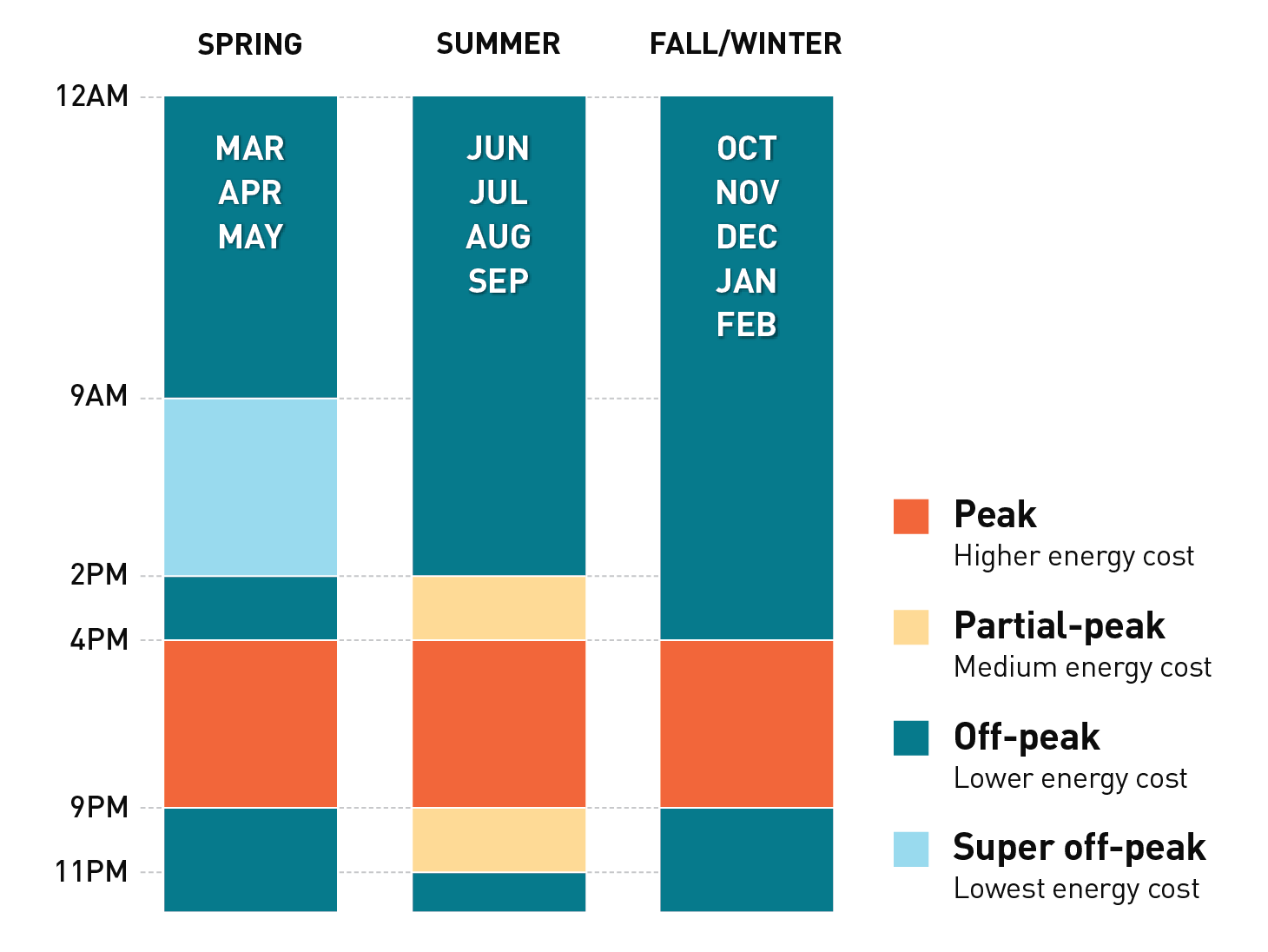
Unlike a flat rate that applies 24/7, California utilities, primarily Pacific Gas and Electric Company (PG&E), Southern California Edison (SCE), and San Diego Gas & Electric (SDG&E), have largely transitioned to Time-of-Use (TOU) pricing models for most residential and many commercial customers. This system is designed to incentivize energy consumption during off-peak hours when demand is lower and renewable energy sources, such as solar, are often more readily available. Conversely, it penalizes usage during peak demand periods.
The Core Concept: Peak, Off-Peak, and Super Off-Peak
TOU rates categorize the day into distinct periods, each with a different price for electricity. The exact hours and names of these periods can vary slightly by utility and specific rate plan, but the underlying principle remains the same.
-
Peak Hours (Most Expensive): These are the times when electricity demand is at its highest across the grid. In California, this typically occurs in the late afternoon and early evening, generally between 4 PM and 9 PM on weekdays. During these hours, utilities often rely more heavily on expensive peaker plants, which are less efficient and often run on fossil fuels, to meet the surge in demand. Therefore, electricity consumed during these hours is priced at the highest tier. For travelers, this means running your hotel air conditioning at full blast, using multiple appliances simultaneously, or charging your EV during these prime evening hours will result in the most significant charges.
-
Off-Peak Hours (Moderately Priced): These periods represent times when demand is moderate. They generally encompass the mid-morning to late afternoon, and often extend into the night. For example, a common off-peak window might be from 9 AM to 4 PM on weekdays, and also from 9 PM to 7 AM. Electricity consumed during these hours is priced at a mid-tier rate, offering a noticeable saving compared to peak hours. This is a good time to run laundry machines in your vacation rental, use the dishwasher, or engage in energy-intensive cooking.
-
Super Off-Peak Hours (Least Expensive): These are the times of lowest electricity demand, typically overnight. While the exact hours can vary, they often fall between 12 AM and 7 AM. During these late-night hours, the grid is generally less strained, and renewable energy sources might be generating power that needs to be absorbed. Electricity rates during super off-peak periods are the lowest. For travelers with access to EV charging or those looking to minimize costs on essential appliance use, planning to run these during the deepest hours of the night can yield substantial savings.
Weekend and Holiday Considerations
It’s important to note that TOU rates often differ on weekends and major public holidays. Many utilities designate weekends and holidays as “off-peak” or even “super off-peak” for the entire day. This means that the expensive peak-hour rates typically do not apply on Saturdays, Sundays, or holidays like Christmas Day or Independence Day. This can be a significant advantage for tourists visiting during these times, as they can often use more electricity throughout the day without incurring the premium peak-hour charges. However, it’s always advisable to verify the specific TOU schedule for your location and utility provider.
Practical Implications for Travelers and Short-Term Visitors
For those visiting California for a holiday, a business trip, or a short stay, understanding TOU rates can directly influence your experience and expenditure, especially if you’re staying in accommodations with kitchens or electric vehicle charging capabilities.
Managing Hotel Stays and Vacation Rentals
When booking a hotel or a short-term rental in California, consider the implications of electricity pricing, especially if you plan to use appliances extensively.
-
Air Conditioning: The most significant energy consumer in many hotel rooms and vacation rentals is the air conditioning. Running your AC unit on high during peak hours (late afternoon and early evening) will contribute most to the electricity cost, if those costs are passed on to you through the rental agreement or via smart meters. It’s advisable to set your thermostat to a moderate temperature and use fans during peak times. Pre-cooling or pre-heating your accommodation during off-peak hours before the expensive period begins can also be an effective strategy.
-
Appliance Use: If you’re staying in a vacation rental with a kitchen, be mindful of when you use appliances like ovens, stovetops, dishwashers, and washing machines. Running the dishwasher or washing machine during off-peak or super off-peak hours will significantly reduce associated costs compared to running them during peak evening hours.
-
Charging Electronics: While the energy consumed by charging phones and laptops is minimal, collectively, if many devices are charged during peak hours, it can add up. For longer stays or in more comprehensive rentals, consider charging all your portable electronics overnight.
Electric Vehicle Charging
For travelers who have opted for an electric vehicle rental or are bringing their own EV, understanding TOU rates is absolutely critical. Charging an EV can be a significant draw on electricity.
-
The Cost Savings: Charging your EV during super off-peak hours (overnight) can be dramatically cheaper than charging during peak demand periods. For instance, the cost per kilowatt-hour (kWh) during super off-peak might be a fraction of the peak rate. This can translate into substantial savings over the course of your trip, especially if you’re covering long distances and need frequent recharges.
-
Public Charging Stations: Many public EV charging stations in California are also subject to TOU pricing, or they may implement their own pricing structures that reflect peak demand. Always check the pricing details before initiating a charge. Some charging networks offer discounted rates for off-peak charging.
-
Accommodation Charging: If your hotel or vacation rental offers EV charging, inquire about their pricing structure. Some may offer complimentary charging, while others might pass through TOU rates or a flat fee. If you have the flexibility, always aim to charge your EV overnight.
Long-Term Stays and Permanent Residents
For those considering an extended stay in California or planning to relocate, understanding TOU rates is not just about saving money on vacation; it’s about establishing sustainable energy habits.
Optimizing Home Energy Use
If you’re renting an apartment or house for several months or purchasing a property, adopting TOU-friendly habits is essential for long-term cost management.
-
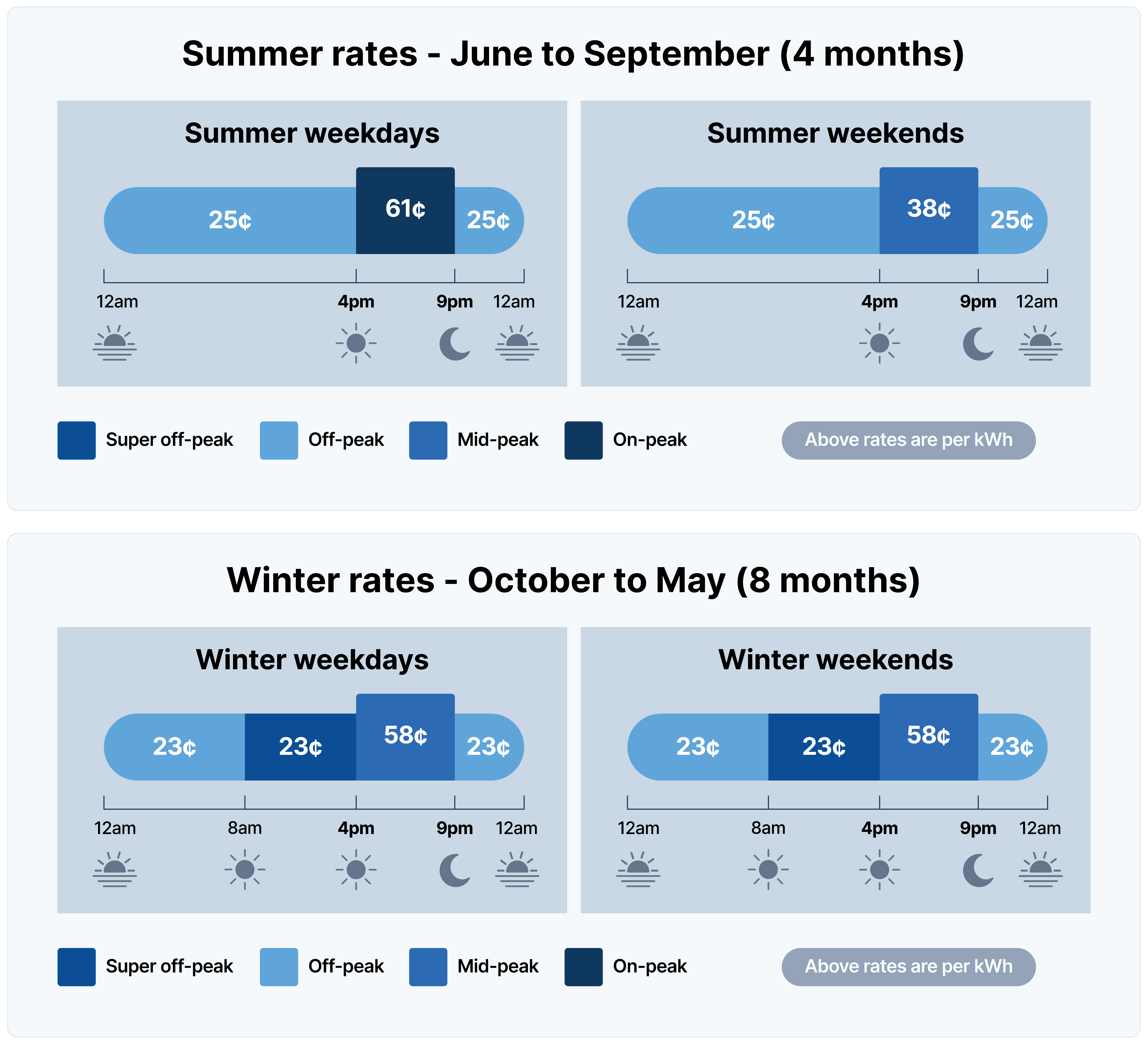
Smart Home Technology: Investing in smart thermostats, smart plugs, and smart appliances can automate your energy usage. These devices can be programmed to adjust heating and cooling, turn appliances on or off, and charge EVs during the cheapest times of the day, often without manual intervention. Many smart meters provided by utilities also offer detailed usage tracking that can help identify savings opportunities.
-
Load Shifting: This is the practice of shifting energy-intensive activities from peak hours to off-peak hours. This includes:
- Running dishwashers and laundry machines after 9 PM or before 7 AM.
- Using the oven for baking or roasting in the morning or late at night, rather than during the 4 PM to 9 PM window.
- Pre-heating or pre-cooling your home before peak hours to minimize the need for extensive AC use during the expensive period.
-
Water Heating: If your accommodation uses an electric water heater, scheduling its operation or ensuring it has good insulation can help reduce costs. Many electric water heaters can be programmed to heat water during off-peak hours.
Exploring Rate Plan Options
Depending on your energy usage patterns, different TOU rate plans might be available from your utility provider. It’s worth investigating these options:
-
Standard TOU Plans: These are the most common and align with the peak, off-peak, and super off-peak structures discussed earlier.
-
EV-Specific Plans: Some utilities offer specialized TOU plans designed for EV owners, often with even lower rates for electricity consumed when charging an EV during specific overnight hours.
-
Demand Response Programs: These programs, offered by some utilities, incentivize customers to reduce their electricity consumption during critical peak events, which are days with extremely high demand. Participants typically receive bill credits for their participation.
The Bigger Picture: Why Time-of-Use Pricing?
The widespread adoption of TOU pricing in California is driven by a confluence of factors aimed at creating a more sustainable and reliable energy grid.
Grid Stability and Renewable Integration
-
Flattening the Demand Curve: Peak demand periods place immense strain on the electricity grid. Utilities must have enough generation capacity available to meet this highest possible demand, even if it only occurs for a few hours a day. This often necessitates the use of less efficient and more polluting “peaker plants.” By making electricity more expensive during these times, TOU rates encourage consumers to shift their usage, effectively flattening the demand curve and reducing the need for expensive and environmentally detrimental peak generation.
-
Maximizing Renewable Energy: California is a leader in renewable energy, particularly solar power. Solar generation typically peaks in the middle of the day. However, demand often peaks in the evening when solar output diminishes. TOU rates help align consumer behavior with the availability of renewable energy. By making daytime electricity cheaper (off-peak) and evening electricity more expensive (peak), it incentivizes consumption when solar power is abundant and discourages it when it is not, thereby helping to integrate more renewables into the grid efficiently.
Environmental Benefits
-
Reduced Greenhouse Gas Emissions: By discouraging the use of fossil fuel-powered peaker plants during peak hours, TOU pricing directly contributes to a reduction in greenhouse gas emissions. This aligns with California’s ambitious climate goals.
-
Support for Electric Vehicles: As more Californians transition to electric vehicles, managing the increased demand on the grid is crucial. TOU rates, especially those tailored for EV charging, ensure that this transition is as sustainable as possible, encouraging charging during periods of low demand and high renewable energy availability.
Navigating Your California Energy Bill
For any traveler or visitor, the ultimate goal is to understand and manage their energy costs. When you see your hotel bill or receive a statement for your vacation rental, understanding the charges related to electricity is key.

What to Look For
-
TOU Rate Structure: Familiarize yourself with the specific TOU periods and rates applicable to your accommodation. This information is often available on the utility company’s website or can be requested from your accommodation provider.
-
Consumption Data: If possible, look for detailed consumption data that breaks down your electricity usage by TOU period. This will highlight when you used the most expensive electricity and identify opportunities for savings.
-
Billing Cycles: Understand how your electricity usage is billed. For short stays, the electricity cost might be bundled into the room rate. For longer stays or vacation rentals, you might be billed separately for utilities.
By proactively understanding the time-of-use electricity pricing in California, travelers can make informed decisions that lead to more affordable and sustainable stays, ensuring their Golden State experience is as bright as the sunshine.
LifeOutOfTheBox is a participant in the Amazon Services LLC Associates Program, an affiliate advertising program designed to provide a means for sites to earn advertising fees by advertising and linking to Amazon.com. Amazon, the Amazon logo, AmazonSupply, and the AmazonSupply logo are trademarks of Amazon.com, Inc. or its affiliates. As an Amazon Associate we earn affiliate commissions from qualifying purchases.