
Understanding the precise time in California is far more than a simple glance at a clock; it’s a foundational element for anyone planning to travel, conduct business, or immerse themselves in the vibrant lifestyle of the Golden State. For visitors arriving from different time zones, grasping the local time is crucial for everything from booking accommodation and scheduling activities to managing jet lag and optimizing their overall experience. Whether you’re a first-time tourist eager to explore iconic landmarks, a business traveler attending meetings in San Francisco or Los Angeles, or simply curious about the rhythm of life on the Pacific Coast, delving into California’s temporal landscape is the first step toward a seamless and unforgettable journey.
This article will not only clarify the current time in California but also explore how this seemingly basic piece of information intricately weaves into various aspects of travel planning, tourism, hotel stays, and local engagement. From the logistical challenges of international flights landing at Los Angeles International Airport to the perfect timing for a sunset stroll on the Santa Monica Pier, every detail is touched by the ticking hands of the clock.
Understanding California’s Time Zone: Pacific Standard Time (PST) and Pacific Daylight Time (PDT)
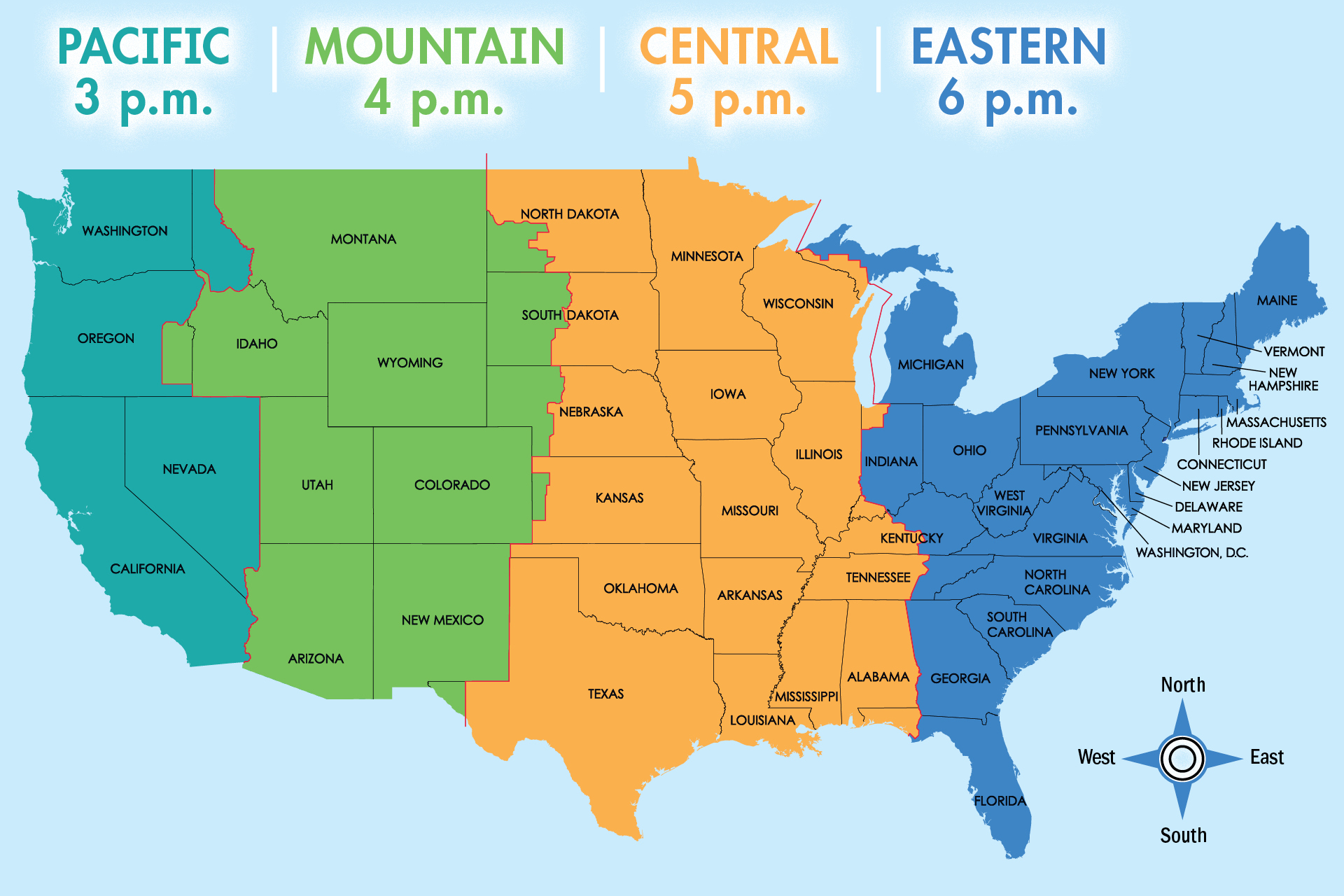
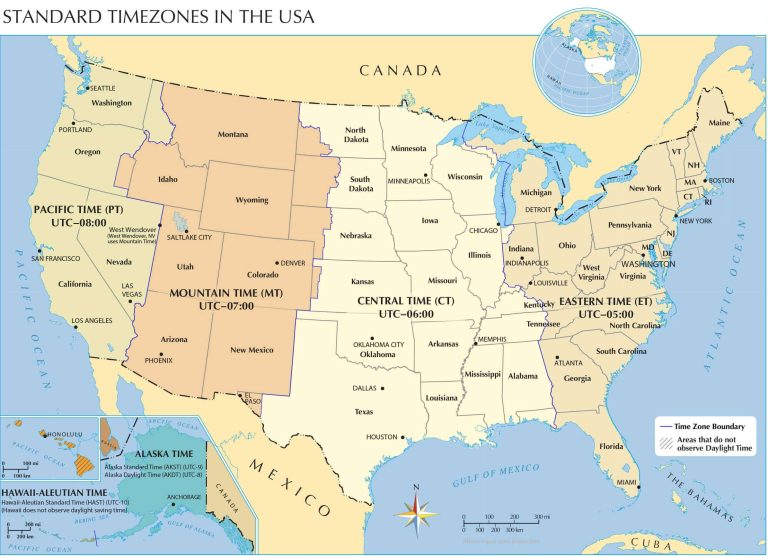
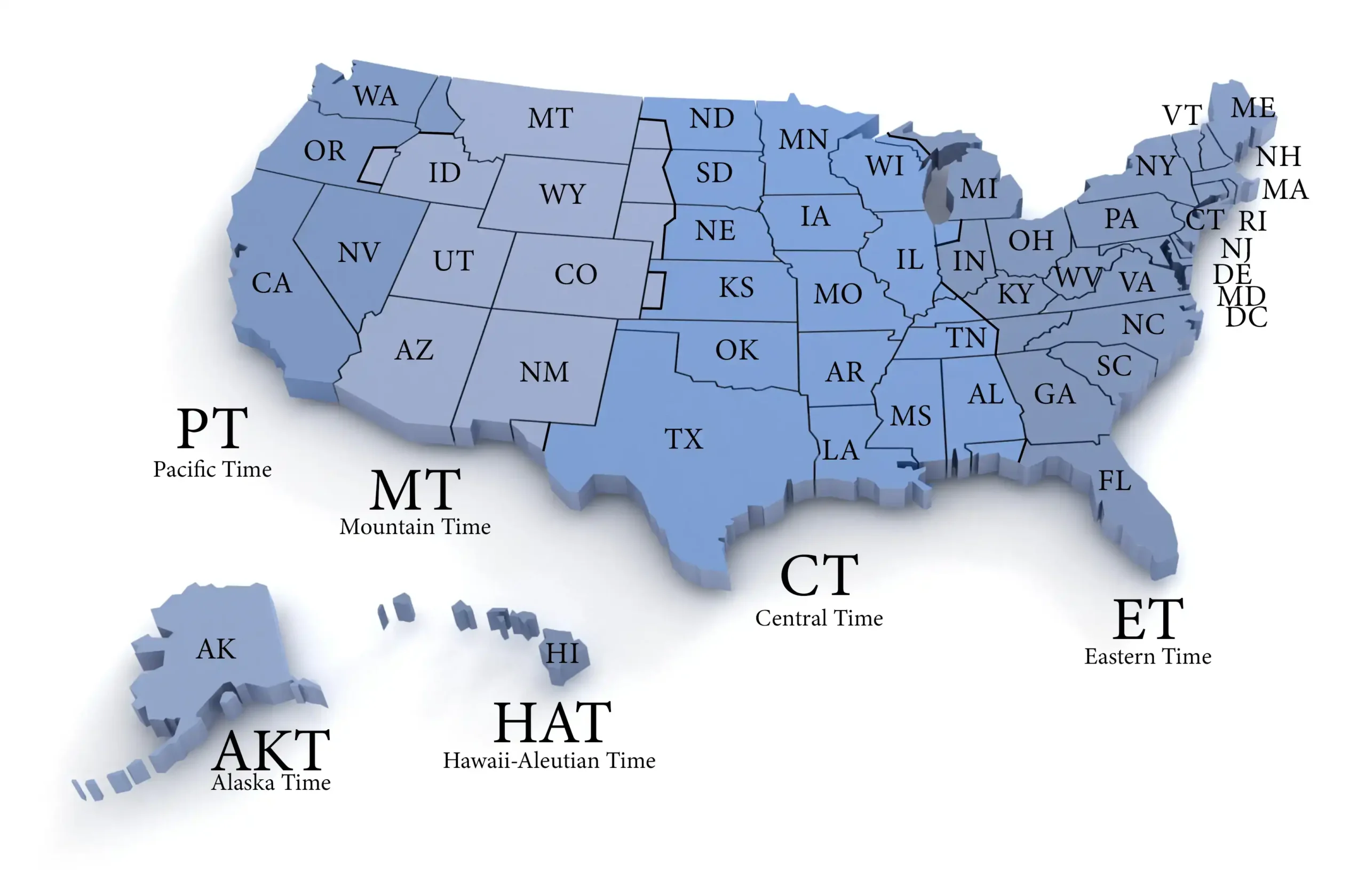
At its core, California adheres to the Pacific Time Zone. This zone observes two distinct phases throughout the year:
- Pacific Standard Time (PST): This is the base time, observed during the autumn and winter months. PST is 8 hours behind Coordinated Universal Time (UTC-8).
- Pacific Daylight Time (PDT): This is the time observed during spring and summer when daylight saving time is in effect. PDT is 7 hours behind Coordinated Universal Time (UTC-7).
The transition between PST and PDT typically occurs on the second Sunday in March when clocks “spring forward” one hour, and on the first Sunday in November when they “fall back” one hour. This biannual change is a critical detail for travelers, especially those arriving around these dates, as it can subtly shift itineraries and appointments. For example, if you’ve booked a morning tour of Alcatraz Island in early March, confirming whether the clocks have changed can prevent a missed opportunity or an unnecessary rush.
For those flying in from the East Coast of the United States, California is typically three hours behind Eastern Time. From Europe, the difference is usually eight or nine hours, and from Asia, it can be anywhere from fifteen to eighteen hours, depending on the specific location. These significant differences underscore why managing your internal clock and external schedule is paramount for a smooth California travel experience.
Planning Your California Adventure: The Temporal Edge
The time zone isn’t just a number; it’s a strategic tool for crafting an impeccable California itinerary. From the moment you land to your departure, every aspect of your trip, whether it’s a luxury getaway at The Ritz-Carlton, Laguna Niguel or an adventurous camping trip in Yosemite National Park, will be influenced by the local time.
Synchronizing Your Arrival: Beating Jet Lag and Optimizing Check-ins
One of the most immediate impacts of time differences for travelers, especially those arriving from distant time zones, is jet lag. While the body adjusts, strategic planning can significantly mitigate its effects. Arriving at San Francisco International Airport in the late afternoon California time, for instance, allows for a relatively early dinner and an attempt to sleep at a reasonable local hour, helping to reset your circadian rhythm. Conversely, an early morning arrival might tempt you to power through the day, but a short nap can be beneficial if managed correctly.
Knowing the local time is also critical for hotel and accommodation check-ins. Most hotels in California, whether it’s a boutique hotel in Napa Valley or a grand resort like the Waldorf Astoria Beverly Hills, typically have a check-in time of 3:00 PM or 4:00 PM PST/PDT. Arriving significantly earlier without prior arrangement might mean waiting in the lobby, whereas a late-night arrival needs to be communicated to ensure your room is held. For those booking apartments or villas through platforms like Airbnb, understanding the host’s specific check-in window and communicating your estimated arrival time accurately is even more crucial. Some properties offer amenities like early check-in or late check-out for an additional fee, which can be a worthwhile investment to align with your travel schedule and comfort.
Maximizing Your Days: Activities, Dining, and Experiences Across the Golden State
Once settled, the local time dictates the rhythm of your exploration. California’s vast array of attractions and experiences operate on specific schedules:
- Theme Parks: Iconic destinations like Disneyland Park in Anaheim or Universal Studios Hollywood in Los Angeles have opening and closing times that vary seasonally and often extend during peak summer months or holidays. Arriving right at opening time can help you beat the crowds and maximize your ride time.
- Museums and Galleries: Major cultural institutions such as the Getty Center or the California Academy of Sciences adhere to strict operating hours, often closing earlier in the evening, especially on weekdays.
- National and State Parks: While parks like Joshua Tree National Park or Redwood National Park are generally accessible from dawn to dusk, visitor centers, ranger programs, and specific trail access points will have defined hours. Planning your hikes and scenic drives around daylight hours is essential for safety and optimal viewing.
- Dining: California’s diverse culinary scene caters to various schedules. Breakfast spots might open as early as 6:00 AM, while dinner service in bustling areas of San Diego or Hollywood can extend late into the night. Making dinner reservations in advance, especially for popular restaurants, is always recommended, and knowing the local time ensures you arrive punctually for your coveted table.
- Special Events: From concerts at the Hollywood Bowl to sporting events at Dodger Stadium, all events have precise start times. Miscalculating the time could mean missing the opening act or crucial moments of a game.
Furthermore, consider the golden hour for photography; the stunning light shortly after sunrise and before sunset can transform iconic landmarks like the Golden Gate Bridge or the beaches of Malibu into even more picturesque scenes. Checking local sunrise and sunset times can help photographers and sightseers plan their visits accordingly.
Time and the California Lifestyle: Beyond the Clock
The concept of time in California extends beyond mere scheduling; it subtly influences the state’s unique rhythm and lifestyle. Understanding this ebb and flow can enrich your cultural immersion and appreciation of the Golden State.
The Rhythm of California Cities: Business, Leisure, and Local Culture
California’s major urban centers operate on distinct temporal patterns. In San Francisco’s Financial District or Silicon Valley, the business day typically starts early, with many professionals beginning their work by 8:00 AM PST/PDT, often connecting with East Coast colleagues who are already several hours into their workday. This early start can mean morning traffic builds quickly. In contrast, the Los Angeles area, known for its entertainment industry and sprawling geography, can have a more staggered rhythm, with some meetings and events pushing later into the evening.
Leisure activities also follow a discernible pattern. The beach culture of San Diego or Orange County often sees early morning surfers catching waves, while late afternoons are reserved for sunbathing and leisurely strolls. Nightlife in West Hollywood or Downtown Los Angeles might not truly kick off until 10:00 PM or later. Engaging with local culture means recognizing these unspoken temporal cues. From farmers’ markets that close by midday to vibrant evening street festivals, timing is everything for authentic local experiences.
Seasons, Daylight, and Your Travel Experience
The amount of daylight changes significantly throughout the year in California, profoundly impacting travel plans and the types of activities enjoyed.
- Summer (PDT): Longer daylight hours mean more time for outdoor adventures. You can start your day early with a hike in Big Sur, spend the afternoon exploring the beaches of Santa Cruz, and still enjoy a vibrant evening outdoors. This extended light makes summer popular for road trips and camping.
- Winter (PST): Shorter days necessitate more careful planning. If you’re heading to Lake Tahoe for skiing, knowing that the slopes close as early as 4:00 PM or 5:00 PM is essential. Similarly, exploring coastal towns in winter means enjoying the dramatic sunsets earlier in the afternoon. The cooler temperatures and reduced daylight also influence the type of packing and wardrobe choices.
The infamous concept of “California time” often refers to a more relaxed, perhaps slightly delayed, approach to punctuality in certain social settings. While not universally true, particularly in professional contexts, it speaks to a cultural leaning towards a more laid-back pace compared to some other regions. However, for scheduled tours, hotel check-ins, or transportation, being on time is always expected and appreciated.
Practical Tips for a Timeless California Journey
To ensure your California adventure unfolds seamlessly, keep these practical time-related tips in mind:
- Always Confirm Local Times: Before making any bookings for flights, hotels, tours, or dinner reservations, double-check the time zone and whether daylight saving time is in effect. Most online booking systems will automatically adjust, but it’s always wise to verify.
- Utilize Smartphone Features: Your smartphone is your best friend for time management. Set your phone to automatically update to the local time zone. You can also add world clocks for your home city and California to easily compare. Many apps, like Google Maps, will display local business hours.
- Plan for Jet Lag: If arriving from a significant time difference, build in buffer days. Try to adjust to California time before you even arrive by gradually shifting your sleep schedule. Hydration and sunlight exposure can also aid in adjustment.
- Allow Buffer Time for Activities: California is vast, and traffic in major metropolitan areas can be unpredictable, especially in Los Angeles and San Francisco. Always factor in extra travel time between destinations, even if they appear close on a map.
- Embrace the Pace: While planning is essential, also allow yourself the flexibility to spontaneously enjoy the moment. Sometimes, the most memorable experiences happen when you step away from a rigid schedule and immerse yourself in the local rhythm, whether that’s an impromptu beach walk at sunset or a leisurely coffee at a local cafe. This balance between structured planning and spontaneous enjoyment truly defines the optimal California lifestyle for a traveler.
In conclusion, knowing “What time is in California?” is the gateway to unlocking the full potential of your visit. It’s the key to navigating everything from seamless airport arrivals and comfortable hotel stays to maximizing your time at world-class attractions and immersing yourself in the rich tapestry of California’s diverse local culture. By understanding and respecting the Golden State’s clock, you’re not just saving time; you’re enriching every moment of your journey.
LifeOutOfTheBox is a participant in the Amazon Services LLC Associates Program, an affiliate advertising program designed to provide a means for sites to earn advertising fees by advertising and linking to Amazon.com. Amazon, the Amazon logo, AmazonSupply, and the AmazonSupply logo are trademarks of Amazon.com, Inc. or its affiliates. As an Amazon Associate we earn affiliate commissions from qualifying purchases.