
Navigating the vibrant tapestry of travel requires meticulous planning, and for any journey to the sprawling metropolis of Los Angeles, California, understanding the local time is more than just a trivial detail—it’s the cornerstone of a successful trip. From coordinating flight arrivals and hotel check-ins to scheduling tours of iconic landmarks and indulging in LA‘s renowned culinary scene, knowing the exact time in the city of angels is paramount. As a hub for global travel, luxurious accommodations, diverse tourism experiences, and a lifestyle that blends business with leisure, Los Angeles operates on a distinct time zone that travelers must familiarize themselves with. This comprehensive guide will not only pinpoint the current time in LA but also delve into the nuances of its time zone, its impact on your travel plans, and essential tips to ensure a seamless and unforgettable Southern California adventure.
Decoding Pacific Time (PT): Your Gateway to LA Experiences
At its core, Los Angeles observes Pacific Time (PT). This time zone is a critical reference for anyone planning to visit or conduct business in the westernmost contiguous states of the United States and parts of Canada and Mexico. Unlike regions that maintain a consistent offset from Coordinated Universal Time (UTC) year-round, Pacific Time undergoes an annual shift to accommodate Daylight Saving Time, a phenomenon that can often catch unprepared travelers off guard. Understanding this distinction is fundamental to avoiding scheduling mishaps, from missing a crucial flight to arriving late for a booked experience.
Understanding PST vs. PDT: Daylight Saving Demystified
The critical distinction within Pacific Time lies between Pacific Standard Time (PST) and Pacific Daylight Time (PDT).
- Pacific Standard Time (PST) is observed during the fall and winter months. It is UTC-8, meaning it is eight hours behind Coordinated Universal Time. This period typically begins on the first Sunday in November when clocks “fall back” by one hour.
- Pacific Daylight Time (PDT) takes effect during the spring and summer months. It is UTC-7, meaning it is seven hours behind Coordinated Universal Time. This transition usually occurs on the second Sunday in March when clocks “spring forward” by one hour.
This annual change is significant for travelers. If you are planning a trip to Los Angeles around these transition dates, it’s vital to confirm which time is currently in effect. Most modern devices like smartphones and computers automatically adjust, but for traditional clocks, international calls, or handwritten itineraries, manual adjustment or careful consideration is necessary. For a travel-focused website like ours, this detail is crucial for booking accommodations, planning events, and ensuring a smooth experience in any destination, including LA.
The Impact of Time Zones on Your Travel Itinerary
The time in Los Angeles directly influences virtually every aspect of a traveler’s itinerary. From the moment you begin planning your trip to the moment you depart, local time dictates the rhythm of your journey.
- Flight Arrivals and Departures: Air travel is inextricably linked to time zones. Your arrival time in Los Angeles International Airport (LAX) will be listed in local Pacific Time. If you’re flying in from the East Coast (New York, Florida) or internationally (London, Tokyo), the time difference can be substantial, necessitating careful calculation to avoid missed connections or early/late arrivals.
- Hotel Check-in and Check-out: Standard check-in times for most hotels, resorts, and vacation apartments in Los Angeles are typically in the afternoon (e.g., 3:00 PM or 4:00 PM PT), while check-out is often in the late morning (e.g., 11:00 AM or 12:00 PM PT). Knowing the local time helps you plan your arrival at your chosen accommodation, whether it’s a luxury suite in Beverly Hills or a boutique hotel downtown. Early arrivals or late departures often require prior arrangement and may incur additional fees.
- Booking Tours and Activities: Many of LA’s most popular attractions operate on strict schedules. Theme parks like Universal Studios Hollywood and Disneyland Park have specific opening and closing hours, as do museums such as The Getty Center and the Los Angeles County Museum of Art (LACMA). Booking tickets or making reservations for guided tours, dining experiences, or even a Hollywood studio tour requires precision based on Pacific Time.
- Communicating with Others: For business travelers, maintaining communication with colleagues in different time zones is a daily reality. A 9:00 AM meeting in Los Angeles translates to noon in New York and 5:00 PM in London, demanding careful scheduling to avoid inconvenient call times. Even for leisure travelers, informing family and friends of your local time helps coordinate conversations and updates.
Navigating Los Angeles by the Clock: Tourism, Landmarks, and Lifestyle
The vibrant life of Los Angeles unfolds throughout the day and night, offering a myriad of experiences for every type of traveler. From dawn jogs along Venice Beach to late-night shows on the Sunset Strip, the local time dictates when and how you can immerse yourself in the city’s unique culture and attractions. Understanding the flow of the day in LA allows for more efficient planning and a more enjoyable experience.
Optimal Timing for LA’s Top Attractions
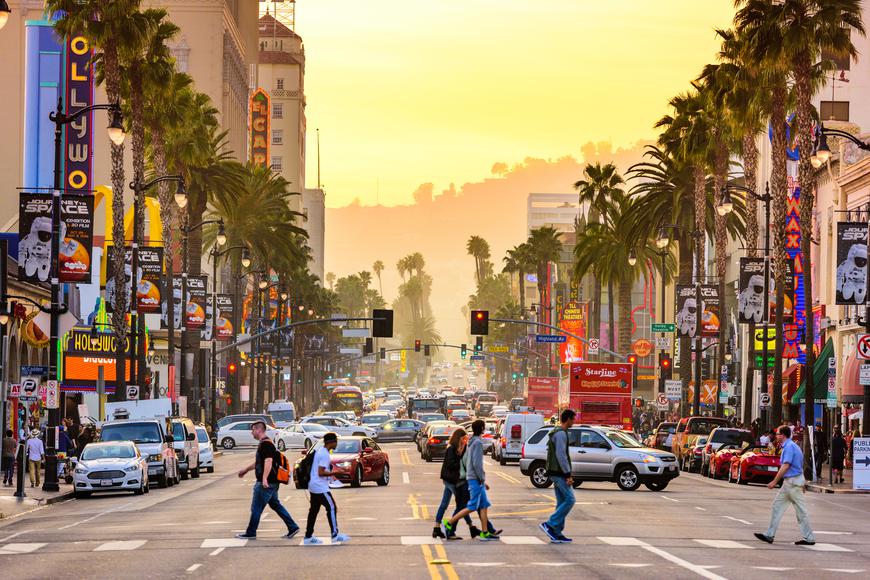
Strategic timing can significantly enhance your visits to Los Angeles’s world-renowned landmarks and attractions.
- Griffith Observatory: While stunning at any time, visiting in the late afternoon allows you to enjoy the panoramic views of the city in daylight, witness a breathtaking sunset over the Pacific Ocean, and then experience the magic of the observatory’s telescopes and exhibits after dark. Weekday mornings or early afternoons are best for avoiding crowds inside.
- Hollywood Walk of Fame and TCL Chinese Theatre: To truly soak in the atmosphere without the overwhelming throngs of tourists, aim for a morning visit, perhaps between 9:00 AM and 11:00 AM PT. The area becomes significantly busier from midday onwards.
- Santa Monica Pier and Beach: The afternoon and early evening are ideal for experiencing the quintessential Santa Monica vibe. Enjoy the amusement park rides, street performers, and then settle in to watch the sunset from the pier—a truly iconic LA experience. Mornings are perfect for a quiet stroll or bike ride along the path.
- Museums (e.g., The Getty Center, LACMA): These cultural institutions often have shorter queues and fewer visitors during weekday mornings. Check their specific hours, as some may close earlier on certain days or have late-night openings for special events.
- Dining and Nightlife: Los Angeles’s dining scene is diverse. Many restaurants, especially high-demand ones, require reservations well in advance, and peak dining hours are typically between 7:00 PM and 9:00 PM PT. For a taste of LA’s vibrant nightlife, clubs and bars generally start buzzing after 9:00 PM and continue well into the early morning hours, particularly in areas like West Hollywood and Downtown LA.
Understanding these local rhythms helps tailor your daily schedule to maximize enjoyment and minimize logistical frustrations. Whether you’re planning a luxury travel experience with private tours or a budget travel adventure exploring on your own, local time is your best guide.
Accommodation and Time: Seamless Stays in Southern California
Beyond check-in and check-out, time plays a crucial role in the overall accommodation experience, which is a core focus of our website. From choosing the right type of stay to navigating daily amenities, local time dictates operational hours and availability.
- Hotel Services: Whether you’re staying at a grand resort like the Terranea Resort in Rancho Palos Verdes or a sophisticated city stay like the Four Seasons Beverly Hills, understanding the local time influences everything from breakfast hours to spa appointment availability. Room service, concierge assistance, and pool operating hours all adhere to the Pacific Time clock.
- Booking and Availability: When booking hotels, apartments, or villas online, prices and availability are always shown in local time for the property. For highly sought-after dates or properties, being aware of the exact time can be crucial for securing your preferred room before it sells out. This is particularly true for special events, like the Academy Awards or major conferences, when demand for luxury hotels and suites skyrockets.
- Long-Term Stays: For those considering long-term stays in Los Angeles, adapting to the local schedule becomes even more vital for daily routines, school runs for family trips, or managing a business stay with remote teams. The consistent rhythm of local time becomes integrated into your lifestyle.
- Reviews and Comparison: When reading reviews or comparing different accommodation options, remember that experiences described (e.g., “noisy at night,” “great breakfast spread available until 10 AM”) are all relative to Pacific Time. This context helps you better align your expectations with your personal schedule.
Mastering Time Differences: Essential Tips for Travelers to Los Angeles
For many travelers, particularly those arriving from distant time zones, the biggest challenge isn’t just knowing the time but adjusting to it. Jet lag can significantly impact the initial days of a trip, diminishing energy levels and making it harder to enjoy the multitude of experiences Los Angeles has to offer. Proactive strategies can help mitigate these effects and ensure you hit the ground running.
Beating Jet Lag and Maximizing Your Experience
Adjusting to the Pacific Time Zone requires a conscious effort, especially if you’re crossing multiple time zones.
- Pre-Adjust Your Sleep Schedule: A few days before your departure, try to gradually shift your sleep and meal times closer to Los Angeles time. Even small changes can make a big difference.
- Hydrate and Avoid Alcohol/Caffeine: During your flight, drink plenty of water and limit alcohol and caffeine, which can exacerbate jet lag symptoms.
- Embrace Natural Light: Upon arrival, expose yourself to natural light, especially in the morning. This helps reset your body’s internal clock. If arriving in the evening, try to stay awake until local bedtime.
- Stay Active: Gentle exercise, like a walk around your hotel or a stroll through a local park, can help boost energy levels and promote better sleep at night.
- Plan Strategically for Your First Day: Avoid scheduling demanding activities or important business meetings on your arrival day. Opt for lighter, more flexible plans, allowing yourself time to settle in and adjust. For example, instead of rushing to Universal Studios Hollywood, consider a leisurely afternoon at a beach or a relaxed dinner.
- Nap Wisely: If you absolutely need to nap, keep it short (20-30 minutes) and take it earlier in the day to avoid disrupting your nighttime sleep.
Tools and Resources for Staying on Schedule
In today’s interconnected world, a wealth of tools is available to help travelers stay organized and on time.
- Smartphone World Clocks: Your smartphone’s built-in world clock feature is your best friend. Add Los Angeles to your list of cities to easily reference the current time relative to your home time zone.
- Time Zone Converter Apps: Numerous apps specifically designed for time zone conversions can be incredibly helpful for complex international itineraries or coordinating with contacts across the globe.
- Airline and Hotel Apps: Most airlines and hotels offer dedicated apps that provide real-time updates on flight statuses, gate changes, check-in information, and specific property hours, all typically displayed in local time.
- Physical Watch Adjustment: While digital devices auto-adjust, wearing a traditional watch and manually setting it to Pacific Time upon arrival can serve as a constant, tangible reminder of the local hour.
- Local Event Calendars: Before your trip, consult local Los Angeles event calendars for concerts, festivals, or exhibitions. These will always list times in PT, helping you integrate local happenings into your schedule.
Conclusion
The question “What time is in California Los Angeles?” might seem simple, but its answer holds the key to unlocking a truly exceptional travel experience. Operating on Pacific Time, which alternates between PST (UTC-8) and PDT (UTC-7) due to Daylight Saving Time, the city’s clock governs every aspect of a visitor’s journey. From the precision required for flight schedules and accommodation bookings to the optimal times for exploring iconic landmarks and immersing yourself in LA’s vibrant lifestyle, understanding the local time is non-negotiable.
By familiarizing yourself with Los Angeles’s time zone, planning your itinerary with strategic timing in mind, and employing practical tips to combat jet lag, you can ensure a smooth, efficient, and ultimately more enjoyable trip. Whether you’re seeking a luxury escape, a family adventure, or a productive business stay, let the rhythm of Pacific Time guide your exploration of this magnificent Southern California destination. With careful preparation, every moment in LA will be timed to perfection.
LifeOutOfTheBox is a participant in the Amazon Services LLC Associates Program, an affiliate advertising program designed to provide a means for sites to earn advertising fees by advertising and linking to Amazon.com. Amazon, the Amazon logo, AmazonSupply, and the AmazonSupply logo are trademarks of Amazon.com, Inc. or its affiliates. As an Amazon Associate we earn affiliate commissions from qualifying purchases.