
Understanding the precise time in any location is often the first step in planning a trip, coordinating a business call, or simply satisfying curiosity. For Sacramento, the vibrant capital city of California, knowing the time zone is crucial for any traveler or remote worker. Sacramento operates on Pacific Standard Time (PST) during the winter months and Pacific Daylight Time (PDT) during the spring, summer, and early fall. This means that, depending on the time of year, Sacramento is either eight or seven hours behind Coordinated Universal Time (UTC). But beyond the mere numbers on a clock face, “what time is it” in Sacramento also speaks to the opportune moments to visit, the ideal seasons for exploring its rich history, savoring its acclaimed culinary scene, and experiencing its unique lifestyle.
This article will delve into Sacramento’s time zone specifics, offering practical insights for travelers. More importantly, it will transcend the literal interpretation of time to explore the best times to visit this captivating city, what to expect seasonally, and how to maximize your experience through tailored itineraries and thoughtful accommodation choices, aligning with the diverse interests of the modern traveler seeking destinations that offer a blend of culture, adventure, and relaxation.
Understanding Sacramento’s Time Zone: Pacific Standard Time
At its core, Sacramento, like the majority of California and the West Coast of the United States, observes the Pacific Time Zone. This designation is critical for anyone planning to travel to or communicate with individuals in the region.
PST vs. PDT: Navigating Daylight Saving
The fundamental aspect of the Pacific Time Zone is the bi-annual shift between Pacific Standard Time (PST) and Pacific Daylight Time (PDT).
- Pacific Standard Time (PST): This is the standard offset, observed from early November to mid-March. During this period, Sacramento’s time is UTC-8. This means it is eight hours behind Coordinated Universal Time.
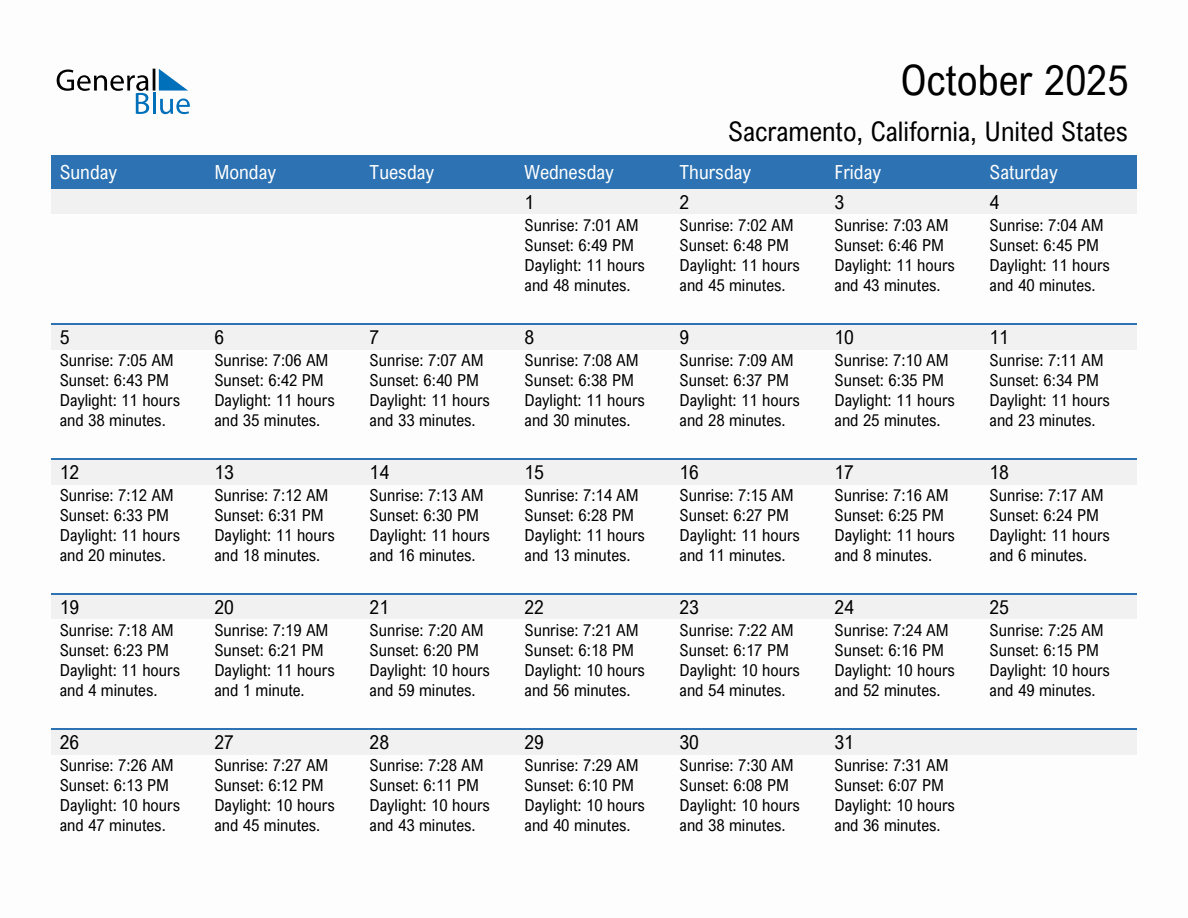
- Pacific Daylight Time (PDT): To make better use of daylight, the clocks “spring forward” one hour in mid-March and “fall back” one hour in early November. During PDT, Sacramento is UTC-7, seven hours behind Coordinated Universal Time. This shift provides longer daylight hours in the evenings, a boon for tourism and outdoor activities.
This practice of Daylight Saving Time (DST) has a significant impact on scheduling and planning. For instance, a flight departing at 9:00 AM PST might leave at 9:00 AM PDT a few months later, but the actual time relative to the sun (and thus the available daylight) will feel different.
Practical Implications for Travelers and Business
For travelers arriving from different time zones, especially those from the East Coast or international destinations, understanding this time difference is essential for mitigating jet lag. A three-hour difference from the East Coast (Eastern Time Zone) means early morning meetings in Sacramento might feel like late morning or even lunchtime to someone accustomed to the east.
Similarly, for business travelers or those on a business stay, scheduling video conferences or calls with colleagues across the country or around the world requires careful consideration of the time difference. Always double-check the current time in Sacramento relative to your location, especially during the DST transitions in March and November, to avoid missed connections or early morning alarms for late-night calls. Many online tools and smartphone applications can help manage these time zone conversions seamlessly, ensuring your Sacramento experience, whether for leisure or work, starts on the right time.
Beyond the Clock: The Best Times to Experience Sacramento
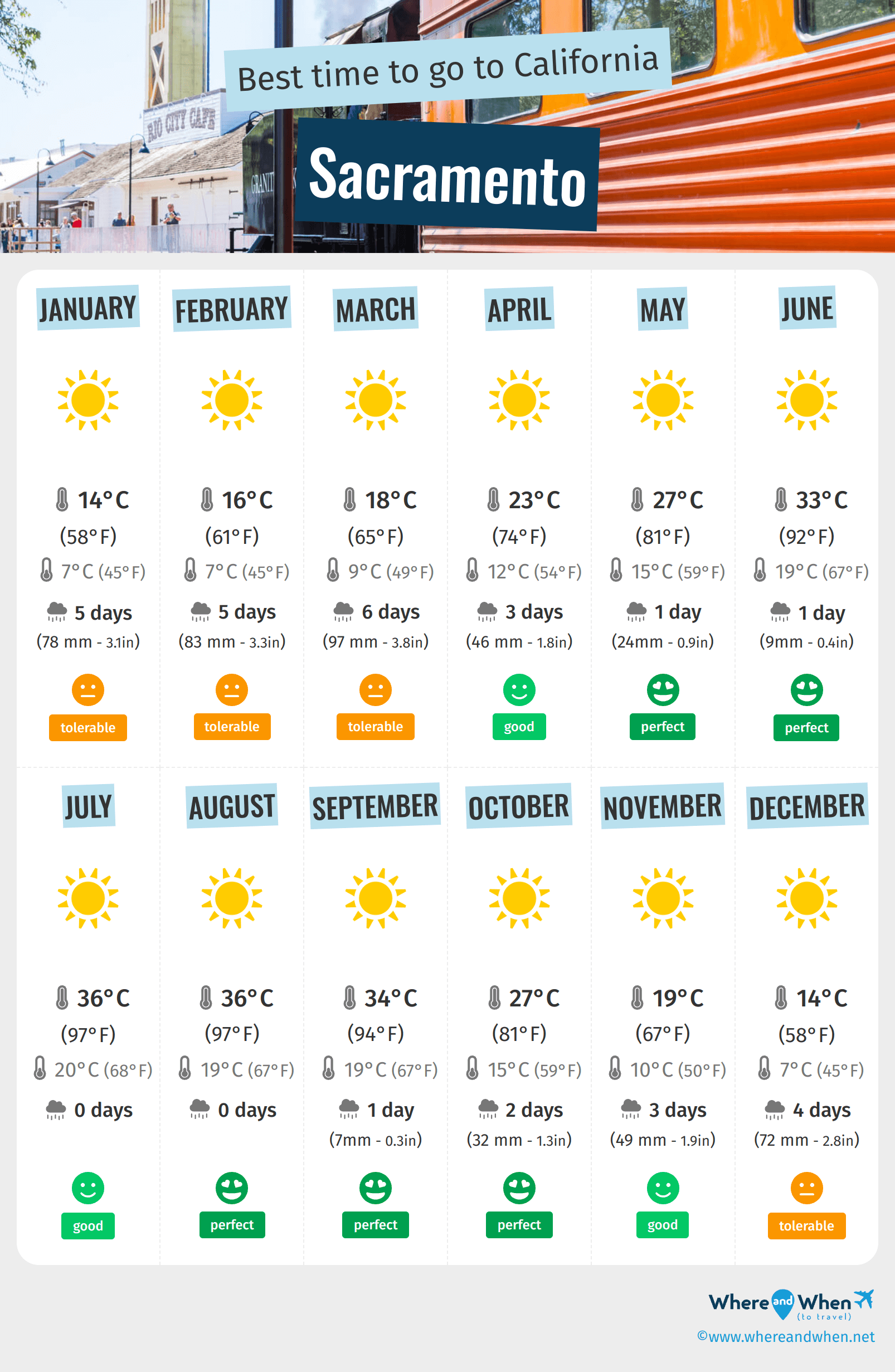
While knowing the current time in Sacramento is practical, understanding the best times to visit throughout the year is key to unlocking the city’s full potential as a travel destination. Sacramento’s Mediterranean climate offers distinct seasonal charms, each providing unique experiences for different types of travelers.
Seasonal Splendors: Spring, Summer, Fall, and Winter in the Golden State Capital
Each season brings a different facet of Sacramento to life, influencing everything from outdoor activities and local culture to event schedules and accommodation availability.
-
Spring (March to May): Often considered one of the best times to visit. The weather is mild and pleasant, with comfortable daytime temperatures ranging from the 60s to 70s Fahrenheit (15-25°C). The landscape is lush and green, making it ideal for exploring Capitol Park, strolling through the Old Sacramento Waterfront, or enjoying a bike ride along the American River Parkway. Events like the Sacramento Beer Week and various spring festivals begin to fill the calendar, adding to the vibrant atmosphere. For those interested in nature and outdoor attractions, spring is an unparalleled choice.
-
Summer (June to August): Sacramento summers are characterized by hot, dry days, with temperatures frequently reaching the 90s Fahrenheit (32°C+) and sometimes exceeding 100°F (38°C). Despite the heat, summer is a popular time, especially for families, due to school holidays and a packed event schedule. Water-based activities on the Sacramento River and American River become popular, including kayaking, paddleboarding, and riverboat cruises. The California State Fair is a major highlight, drawing crowds with its rides, food, and exhibits. Evenings offer a pleasant respite from the heat, perfect for dining outdoors or enjoying a show.
-
Fall (September to November): Another prime season for a Sacramento visit. The intense summer heat subsides, giving way to warm, comfortable days in the 70s and 80s Fahrenheit (20-30°C) and cooler evenings. The changing leaves, especially in nearby regions like Apple Hill, create picturesque scenery, perfect for day trips. Sacramento’s reputation as America’s Farm-to-Fork Capital truly shines in the fall, with harvest festivals, farmers’ markets overflowing with fresh produce, and restaurants featuring seasonal menus. Major music festivals like the Aftershock Festival also attract significant numbers. Fall offers a fantastic blend of pleasant weather, vibrant culture, and delicious gastronomy.
-
Winter (December to February): While cooler and sometimes foggy, Sacramento winters are generally mild compared to many other parts of the United States, with temperatures rarely dropping below freezing. This season is ideal for enjoying indoor attractions like the Crocker Art Museum or the California State Railroad Museum. The holiday season transforms Old Sacramento into a festive wonderland, with special events and decorations. It’s also a great time to visit if you’re planning a trip to the nearby Sierra Nevada Mountains for skiing or snowboarding, as Sacramento serves as a convenient gateway to Lake Tahoe and other mountain resorts. Travelers seeking fewer crowds and potentially lower accommodation prices will find winter appealing.
Peak Travel Times and Avoiding the Crowds
Understanding Sacramento’s peak and off-peak seasons is crucial for effective travel planning.
- Peak Season: Generally, late spring and early fall are the most popular times due to the pleasant weather and abundance of outdoor events. Summer also sees high numbers, especially families. During these periods, hotels, particularly boutique hotels and those in prime locations like Old Sacramento or Midtown, tend to have higher rates and limited availability. Booking well in advance is highly recommended.
- Shoulder Seasons: Late fall (late October/early November) and early spring (March) can offer a sweet spot. The crowds begin to thin, weather remains agreeable, and accommodation prices may be more competitive.
- Off-Peak Season: Winter (excluding the immediate holiday weeks) is typically the quietest time. This can be ideal for budget travelers or those preferring a more relaxed pace. Many hotels and resorts offer attractive deals during these months, making it an excellent opportunity for a long-term stay or an extended city break.
Maximizing Your Sacramento Visit: A Traveler’s Itinerary
Sacramento offers a diverse array of attractions and experiences, catering to history buffs, art lovers, foodies, and outdoor enthusiasts alike. Crafting a well-planned itinerary ensures you make the most of your time in the city, no matter when you visit.
Exploring Historic Old Sacramento Waterfront
No visit to Sacramento is complete without stepping back in time in the Old Sacramento Waterfront. This historic district, a National Historic Landmark, is a vibrant homage to the city’s Gold Rush era.
- California State Railroad Museum: One of North America’s premier railroad museums, it offers an immersive journey through the history of the railroad and its impact on California. It’s a must-see for families and history enthusiasts.
- The Delta King: A historic paddlewheel steamboat permanently docked on the Sacramento River, now serving as a hotel, restaurant, and event venue. It offers a unique accommodation option and a glimpse into the city’s riverboat past.
- Shopping and Dining: Wander the wooden sidewalks, explore charming boutiques, and enjoy a meal at one of the many restaurants, from casual eateries to fine dining. Don’t miss the chance for a river cruise on the Sacramento River, offering different perspectives of the city and the Tower Bridge.
Delving into Arts, Culture, and Modern Sacramento
Beyond its historic core, Sacramento boasts a thriving arts scene and modern urban flair.
- Crocker Art Museum: The first public art museum in the Western United States, the Crocker Art Museum houses a remarkable collection of Californian art, European master drawings, international ceramics, and Asian art. Its blend of historic architecture and modern expansion makes it an attraction in itself.
- California State Capitol Building and Capitol Park: Take a free tour of the impressive State Capitol Building, an active seat of government and a museum. Afterward, explore the expansive Capitol Park, a botanical garden featuring trees from around the world and various monuments.
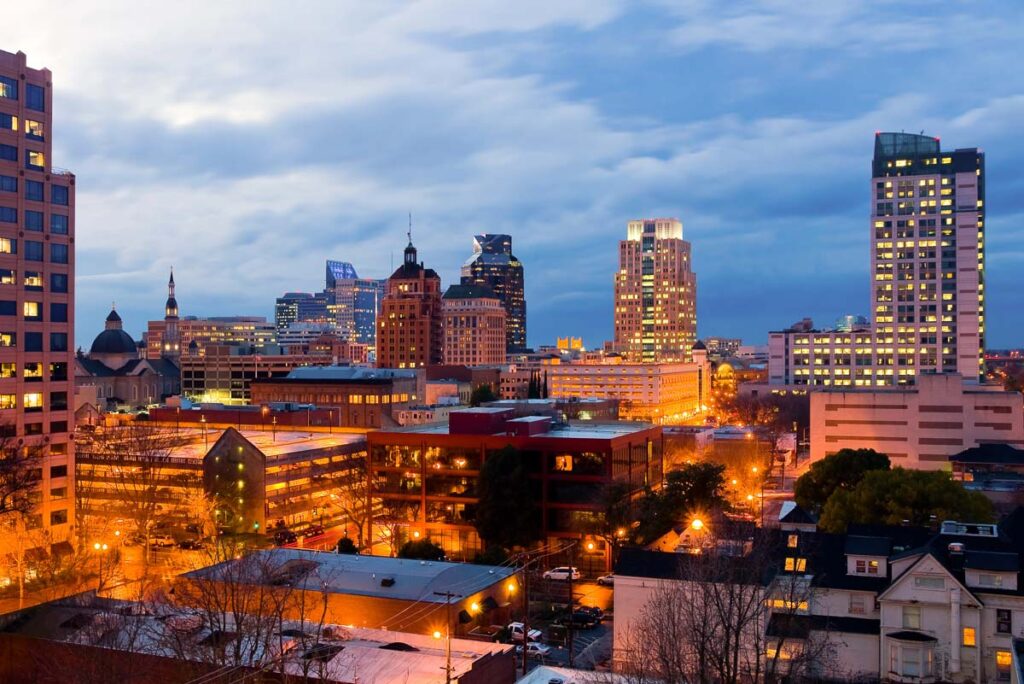
- Midtown Sacramento: For a taste of contemporary Sacramento, head to Midtown. This lively neighborhood is known for its tree-lined streets, Victorian architecture, eclectic boutiques, vibrant murals, and a plethora of restaurants and bars. It’s a hub for local culture, live music, and nightlife. The R Street Corridor is particularly notable for its trendy eateries and art galleries.
- Sutter’s Fort State Historic Park: Delve deeper into California’s pioneer history at this reconstructed fort, originally built in 1839 by John Sutter. It offers a unique look into life before the Gold Rush.
Accommodation Choices for Every Traveler
Sacramento offers a wide spectrum of accommodation options, ensuring every traveler finds their ideal retreat, whether seeking luxury, budget-friendly stays, or something uniquely Californian.
- Luxury Hotels and Resorts: Downtown Sacramento boasts several high-end hotels like The Hyatt Regency Sacramento and The Citizen Hotel, offering premium amenities, exceptional service, and convenient access to the State Capitol Building and Golden 1 Center, home of the Sacramento Kings. These are perfect for business travelers or those seeking a luxury travel experience.
- Boutique Hotels: For a more personalized and charming experience, consider the many boutique hotels scattered throughout Midtown and Old Sacramento. These often feature unique design, local art, and a distinct sense of place.
- Budget-Friendly Options: Sacramento also provides numerous affordable hotels, motels, and vacation rentals further from the immediate downtown core but still within easy reach of major attractions. These are ideal for budget travel or long-term stays.
- Unique Stays: The aforementioned Delta King offers a truly unique hotel experience on the water. For family trips, hotels with suites or apartments near attractions like the Sacramento Zoo or Fairytale Town can be particularly convenient. Always check reviews and compare options before booking to ensure the best fit for your needs.
Planning Your Sacramento Stay: Essential Tips
A successful trip to Sacramento involves more than just knowing the time zone and choosing attractions; it requires practical planning to ensure a smooth and enjoyable experience.
Transportation and Navigating the City
Sacramento is a city that can be explored in various ways.
- Walking and Biking: The downtown and Midtown areas are highly walkable, and the city boasts an extensive network of bike trails, including the scenic Jedediah Smith Memorial Trail along the American River.
- Public Transit: Sacramento Regional Transit (SacRT) offers light rail and bus services, providing access to key areas from the airport to downtown.
- Rideshares and Taxis: Services like Uber and Lyft are readily available.
- Car Rental: If you plan on taking day trips to nearby regions like Napa Valley or the Sierra Nevada Mountains, renting a car is highly recommended. Parking is available, though it can be a challenge in busy downtown areas.
Culinary Delights: A Taste of Farm-to-Fork
Sacramento proudly holds the title of America’s Farm-to-Fork Capital, and its food scene is a testament to the rich agricultural bounty of the Central Valley.
- Farmers’ Markets: Visiting a local farmers’ market is a quintessential Sacramento experience, offering fresh produce, artisanal goods, and a glimpse into the local food culture. The Certified Farmers’ Market at Capitol Mall is particularly popular.
- Restaurants: From Michelin-starred fine dining to casual breweries and diverse ethnic eateries, Sacramento’s restaurants emphasize seasonal, locally sourced ingredients. Explore the R Street Corridor, Midtown, and East Sacramento for a wide variety of culinary options.
- Wineries and Breweries: The region surrounding Sacramento is home to numerous wineries and a booming craft beer scene. Consider a wine tasting tour in the nearby Clarksburg Delta or explore the urban breweries in Midtown.
Day Trips from Sacramento
Sacramento’s central location in Northern California makes it an excellent base for exploring some of the state’s most iconic destinations.
- Napa Valley and Sonoma Valley: Just over an hour’s drive west, these world-renowned wine regions offer exquisite wine tasting experiences, gourmet restaurants, and stunning vineyard scenery.
- Lake Tahoe: A two-hour drive east will transport you to the breathtaking alpine beauty of Lake Tahoe. Offering year-round activities from skiing and snowboarding in winter to hiking, boating, and beach relaxation in summer, it’s a perfect escape for nature lovers.
- San Francisco: Approximately a 90-minute drive southwest, the iconic city by the bay awaits with its famous landmarks, diverse neighborhoods, and vibrant cultural scene.
- Gold Rush Country: Head east into the Sierra Nevada foothills to explore historic towns like Placerville and Coloma, where gold was first discovered. This area is rich in history and offers charming boutiques and family-friendly activities.
- California Delta: Explore the intricate network of waterways, islands, and quaint riverside towns just south of Sacramento. Ideal for boating, fishing, and a relaxed scenic drive.
In conclusion, understanding “what time is it in Sacramento” extends far beyond checking a clock. It involves recognizing the city’s time zone, appreciating its seasonal rhythms, and strategically planning your visit to coincide with your desired experiences. From its historic Gold Rush roots to its modern Farm-to-Fork philosophy, Sacramento offers a wealth of attractions and activities for every traveler, making it a truly rewarding California destination. Plan your trip wisely, embrace the diverse culture, savor the local flavors, and immerse yourself in the unique rhythm of the Golden State Capital.
LifeOutOfTheBox is a participant in the Amazon Services LLC Associates Program, an affiliate advertising program designed to provide a means for sites to earn advertising fees by advertising and linking to Amazon.com. Amazon, the Amazon logo, AmazonSupply, and the AmazonSupply logo are trademarks of Amazon.com, Inc. or its affiliates. As an Amazon Associate we earn affiliate commissions from qualifying purchases.