
For any traveler embarking on an adventure to the captivating desert city of Tucson, Arizona, understanding the local time is far more than a trivial detail; it is a foundational element for seamless planning, efficient logistics, and an ultimately richer experience. From coordinating flight arrivals to scheduling unforgettable excursions, knowing the precise time in Tucson can make all the difference in transforming a good trip into an exceptional one. This guide delves into Tucson’s unique temporal landscape and offers insights into how to best leverage this knowledge for your travel plans.

Understanding Tucson’s Time Zone: A Traveler’s Essential
At its core, determining the current time in Tucson hinges on its distinct placement within the United States time zone system. A unique characteristic of Arizona dictates how time is observed, setting it apart from many other states.
Mountain Standard Time (MST) Explained
Tucson, like the majority of Arizona, observes Mountain Standard Time (MST) year-round. This means it aligns with Coordinated Universal Time (UTC-7). For travelers coming from different parts of the globe or even other regions of North America, this fixed time zone is a critical piece of information. MST is typically two hours behind Eastern Standard Time (EST) and one hour behind Central Standard Time (CST). It is, however, one hour ahead of Pacific Standard Time (PST). Knowing this offset is the first step in synchronizing your internal clock with Tucson’s rhythm.
Why Arizona Skips Daylight Saving Time
One of the most notable aspects of Arizona’s time observation is its non-participation in Daylight Saving Time (DST). While most of the United States adjusts clocks forward by an hour in spring and back an hour in autumn, Arizona remains steadfast on MST. This decision, largely influenced by the state’s intense summer heat, prevents the sun from setting even later in the evening, which would exacerbate already high temperatures during typical waking hours.
The practical upshot for travelers is that the time difference between Tucson and regions observing DST will change throughout the year. For instance, during the summer months when many states are on Daylight Saving Time (e.g., Pacific Daylight Time or Eastern Daylight Time), Tucson will align with the Pacific time zone, meaning it will be the same time as Los Angeles or San Francisco. However, during the winter months, Tucson will be one hour ahead of Pacific Standard Time. This annual shift demands careful attention when planning calls, meetings, or travel connections.
Practical Implications for Your Travel Plans
The consistent MST observation in Tucson simplifies some aspects of travel but complicates others. For instance, communicating with contacts in states that do observe Daylight Saving Time requires an awareness of their seasonal adjustments. When scheduling conference calls, virtual meetings, or simply checking in with family, verifying the current time in both locations becomes paramount. For international travelers, understanding Tucson’s UTC-7 offset and its unchanging nature is key to accurate itinerary planning and jet lag mitigation.
Navigating Arrivals and Departures in the Old Pueblo
The meticulous planning of your arrival and departure times is critical for a smooth travel experience, especially when dealing with time zone shifts. Tucson’s time zone influences everything from flight coordination to your initial comfort in your accommodation.
Coordinating Flights to Tucson International Airport
When booking flights to Tucson International Airport (TUS), always pay close attention to the arrival and departure times listed, noting whether they are local times for the originating airport or for Tucson. Misinterpreting these times can lead to missed connections, unnecessary waiting, or issues with ground transportation. Confirming the time zone for all legs of your journey is a simple step that can prevent significant travel headaches. For those arriving from eastern time zones, expect to “gain” hours, making for an earlier local arrival time than you might feel, while those coming from the west will “lose” hours.
Seamless Hotel Check-ins and Check-outs
Most hotels in Tucson adhere to standard check-in times, typically in the mid-afternoon (e.g., 3:00 PM or 4:00 PM local MST) and check-out times in the late morning (e.g., 11:00 AM or 12:00 PM local MST). If your flight lands significantly earlier than check-in or departs much later than check-out, factor in time for luggage storage or consider requesting early check-in/late check-out in advance. Knowing the local time precisely helps manage expectations and arrangements with your chosen accommodation, whether it’s a luxury resort in the Sonoran Desert or a boutique hotel in downtown Tucson.
Avoiding Jet Lag: Tips for Time Zone Adjustments
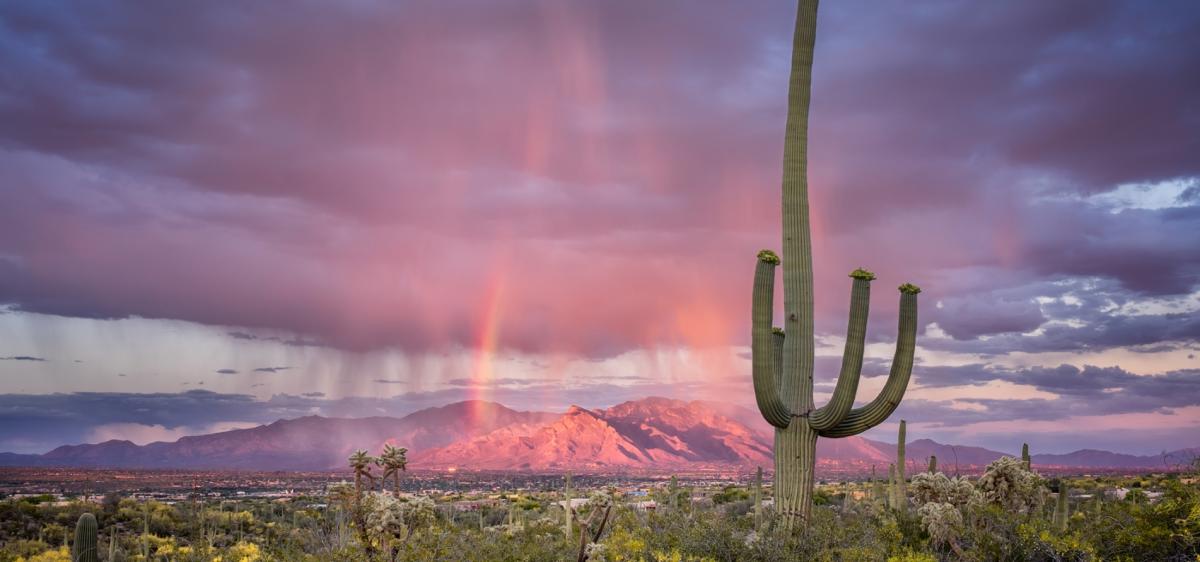
Travelers crossing multiple time zones, particularly from the east, are susceptible to jet lag. Adapting to Tucson’s MST can be made easier with a few proactive steps:
- Gradual Adjustment: Begin shifting your sleep schedule a few days before your trip.
- Hydration: Drink plenty of water before, during, and after your flight.
- Sunlight Exposure: Upon arrival, expose yourself to natural sunlight, especially in the mornings, to help reset your circadian rhythm. Tucson’s abundant sunshine is perfect for this.
- Local Time Alignment: Try to eat and sleep according to Tucson’s local time as quickly as possible. Avoid napping for too long if you arrive early in the day.
These strategies, all centered around acknowledging and respecting the local time, are crucial for enjoying your Tucson experience from the moment you land.
Maximizing Your Tucson Experience: Activities by the Clock
Tucson is a city brimming with diverse attractions, from outdoor adventures to cultural explorations. Optimizing your itinerary means understanding when these activities are best enjoyed and when establishments are open.
Morning Adventures: Saguaro National Park and Hiking Trails
The crisp morning air in the Sonoran Desert provides the ideal conditions for exploring Tucson’s iconic natural landscapes. Plan to visit Saguaro National Park (East or West), Sabino Canyon, or Catalina State Park early in the day. Gates typically open around sunrise, and arriving soon after allows you to experience the desert waking up, enjoy cooler temperatures, and witness breathtaking sunrises. Many hiking trails are less crowded in the early hours, offering a more serene experience. Aim to complete more strenuous outdoor activities by late morning, before the desert heat peaks, especially during the warmer months.
Afternoon Explorations: Museums and Historic Sites
As the sun climbs higher, shifting indoors or to shaded areas becomes preferable. This is the perfect time for exploring Tucson’s rich cultural and historical offerings. Consider a visit to the Arizona-Sonora Desert Museum, where animals are often most active in the slightly cooler late morning or late afternoon. The historic Mission San Xavier del Bac, often called the “White Dove of the Desert,” offers a compelling afternoon stop, as does the extensive Pima Air & Space Museum. Downtown Tucson boasts numerous art galleries and shops that generally operate from late morning through the afternoon, providing opportunities to immerse yourself in local culture during the warmer parts of the day.
Evening Delights: Dining and Stargazing Opportunities
As twilight descends upon the Old Pueblo, Tucson truly comes alive with its vibrant dining scene. Most restaurants open for dinner service around 5:00 PM or 6:00 PM local time. Making reservations, particularly for popular establishments or during peak season, is highly recommended. The cooler evenings also present prime opportunities for stargazing. Tucson’s designation as an International Dark Sky City means that light pollution is minimized, offering unparalleled views of the cosmos. Sites like Mount Lemmon (home to the University of Arizona‘s SkyCenter) or simply finding a spot away from city lights offer incredible celestial displays once darkness fully sets in, usually an hour or so after sunset.
Communication and Coordination: Staying Connected Across Time Zones
For both leisure and business travelers, effective communication hinges on a clear understanding of time zones, especially when Arizona’s non-observance of Daylight Saving Time comes into play.
Business Travel Considerations
Business travelers visiting Tucson must be particularly vigilant about time differences. Scheduling meetings, conference calls, or virtual presentations with colleagues or clients in other states requires double-checking current local times. During the summer months, Tucson will be three hours behind New York and Miami, two hours behind Chicago, and the same time as Los Angeles. In winter, the differences shift: Tucson will be two hours behind New York, one hour behind Chicago, and one hour ahead of Los Angeles. Clear communication about time zone specifics can prevent missed appointments and maintain professional punctuality.
Connecting with Friends and Family
Keeping in touch with loved ones back home is an important part of any trip. Before making that casual call or sending a text, a quick check of the time difference is a courtesy that ensures you’re not waking someone up or interrupting an important event. This is especially true for those with connections across multiple time zones or international boundaries. Tools like world clock apps on smartphones can be invaluable for quickly determining the optimal time to reach out.

Local Business Hours and Operations
While most tourist-centric businesses cater to varied traveler schedules, understanding general operating hours based on local time is still beneficial. Banks, post offices, government services, and some smaller local shops will strictly adhere to standard MST business hours. Even for attractions, while they have posted opening times, knowing the local time allows you to estimate crowds and plan your visit for optimal enjoyment. For example, visiting the Biosphere 2 or the University of Arizona museums requires awareness of their specific daily schedules.
In conclusion, the simple question, “What time is it in Tucson, Arizona right now?” unlocks a cascade of practical considerations for any traveler. By understanding Tucson’s consistent observance of Mountain Standard Time and its non-participation in Daylight Saving Time, visitors can meticulously plan their journeys, maximize their time exploring the wonders of the Sonoran Desert and its vibrant city, and maintain seamless connections with the outside world. This awareness transforms a mere inquiry into a powerful tool for an enriched and stress-free travel experience.
LifeOutOfTheBox is a participant in the Amazon Services LLC Associates Program, an affiliate advertising program designed to provide a means for sites to earn advertising fees by advertising and linking to Amazon.com. Amazon, the Amazon logo, AmazonSupply, and the AmazonSupply logo are trademarks of Amazon.com, Inc. or its affiliates. As an Amazon Associate we earn affiliate commissions from qualifying purchases.