
Chino, California, a vibrant city nestled in the heart of Southern California’s Inland Empire, offers a compelling blend of suburban comfort and accessible urban energy. Often recognized for its significant agricultural heritage, Chino has evolved into a dynamic community that attracts residents and visitors alike with its strategic location, diverse economic base, and growing array of amenities. For those seeking to understand its geographical context and what makes it a notable point on the California map, this exploration delves into its placement, surrounding influences, and the unique character that defines it.
Geographical Positioning and Connectivity
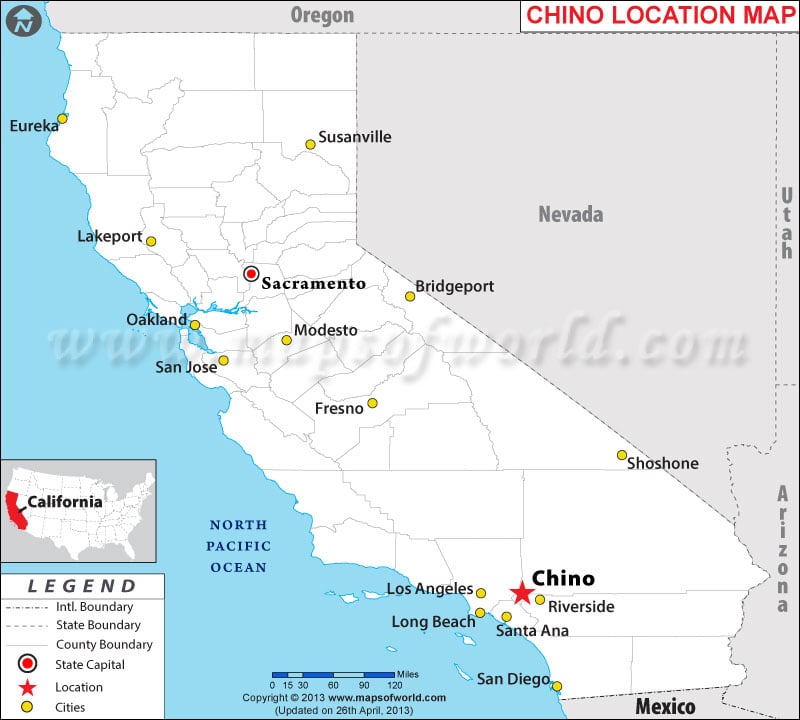
Chino’s exact placement within the vast landscape of California is crucial to understanding its accessibility and the opportunities it presents. Situated in San Bernardino County, one of the largest counties in the contiguous United States by area, Chino benefits from its proximity to major transportation arteries and population centers.
Strategic Location within Southern California
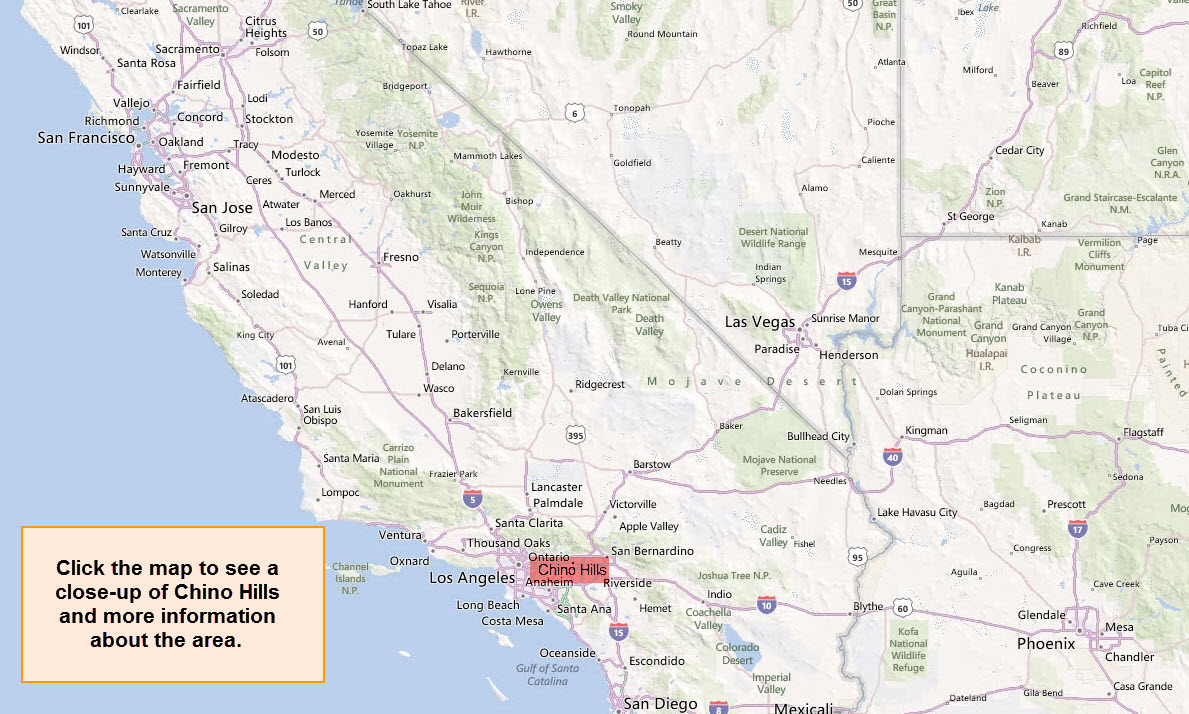
Chino lies approximately 55 miles east of downtown Los Angeles, positioning it within a reasonable commuting distance for many working in the greater Los Angeles metropolitan area. This proximity is a significant factor in Chino’s growth and development, allowing residents to access the extensive job markets, entertainment venues, and cultural institutions of a major global city while enjoying a more suburban lifestyle.
Its position also places it within the broader Inland Empire region, which encompasses Riverside County and San Bernardino County. This region is a major economic hub, characterized by its significant logistics and warehousing industries, as well as a growing presence in manufacturing, technology, and education. Chino is an integral part of this economic engine, contributing to and benefiting from the region’s prosperity.
Proximity to Key Freeways and Transportation Hubs
Connectivity is paramount for any community, and Chino boasts excellent access to major freeways. The State Route 71 (SR 71), often referred to as the Chino Valley Freeway, runs directly through the city, providing a vital north-south corridor. This freeway connects directly to other major routes, including:
- State Route 60 (SR 60): Known as the Pomona Freeway, this route offers east-west access, linking Chino to cities like Pomona and Riverside to the east, and connecting further west towards Los Angeles.
- Interstate 15 (I-15): A major north-south interstate freeway, the I-15 is accessible via SR 60, providing a direct route to destinations like San Diego to the south and points further north into Nevada.
- Interstate 10 (I-10): Another critical east-west artery, the I-10 freeway is easily reachable from Chino, offering extensive connections throughout Southern California and beyond.
This intricate network of freeways makes Chino an attractive location for businesses requiring efficient distribution and logistics. It also facilitates ease of travel for residents commuting to work or exploring the many attractions Southern California has to offer. Furthermore, the presence of Ontario International Airport (ONT), one of the busiest cargo airports in the United States and a significant passenger hub, is a mere short drive away, offering convenient air travel options for both business and leisure.
Neighboring Cities and Regional Influence
Chino is bordered by several other important cities, each contributing to the unique fabric of the Inland Empire:
- Chino Hills: Located to the west, Chino Hills is known for its upscale residential communities and scenic open spaces. The two cities share a close relationship due to their adjacency and interconnectedness.
- Pomona: To the northwest, Pomona is a larger city with a rich history, hosting significant institutions like California State Polytechnic University, Pomona and the historic Los Angeles County Fairplex.
- Eastvale: Situated to the south, Eastvale is a relatively newer city that has experienced rapid residential growth.
- San Bernardino: The county seat, San Bernardino, lies to the northeast and is a major urban center within the region.
- Riverside: To the southeast, Riverside is another substantial city with a strong educational presence, home to the University of California, Riverside.
This constellation of cities forms a dynamic metropolitan area where Chino plays a distinct role, offering a balance of community life and strategic economic positioning.
Historical Roots and Evolving Identity
Chino’s story is deeply intertwined with its agricultural past. The fertile land of the Chino Valley has long been a source of agricultural bounty, and the city’s development was shaped by this heritage. Understanding this history provides context for the city’s present-day character.
From Ranchland to Suburban Community
The Chino Valley was historically characterized by vast ranches and agricultural operations, particularly dairy farms and cattle ranches. The name “Chino” itself is believed to have Spanish origins, possibly derived from the word “chino,” meaning “curly” or “curly-haired,” referring to the local flora or perhaps early inhabitants. The area was part of the vast land grants established during the Spanish and Mexican periods.
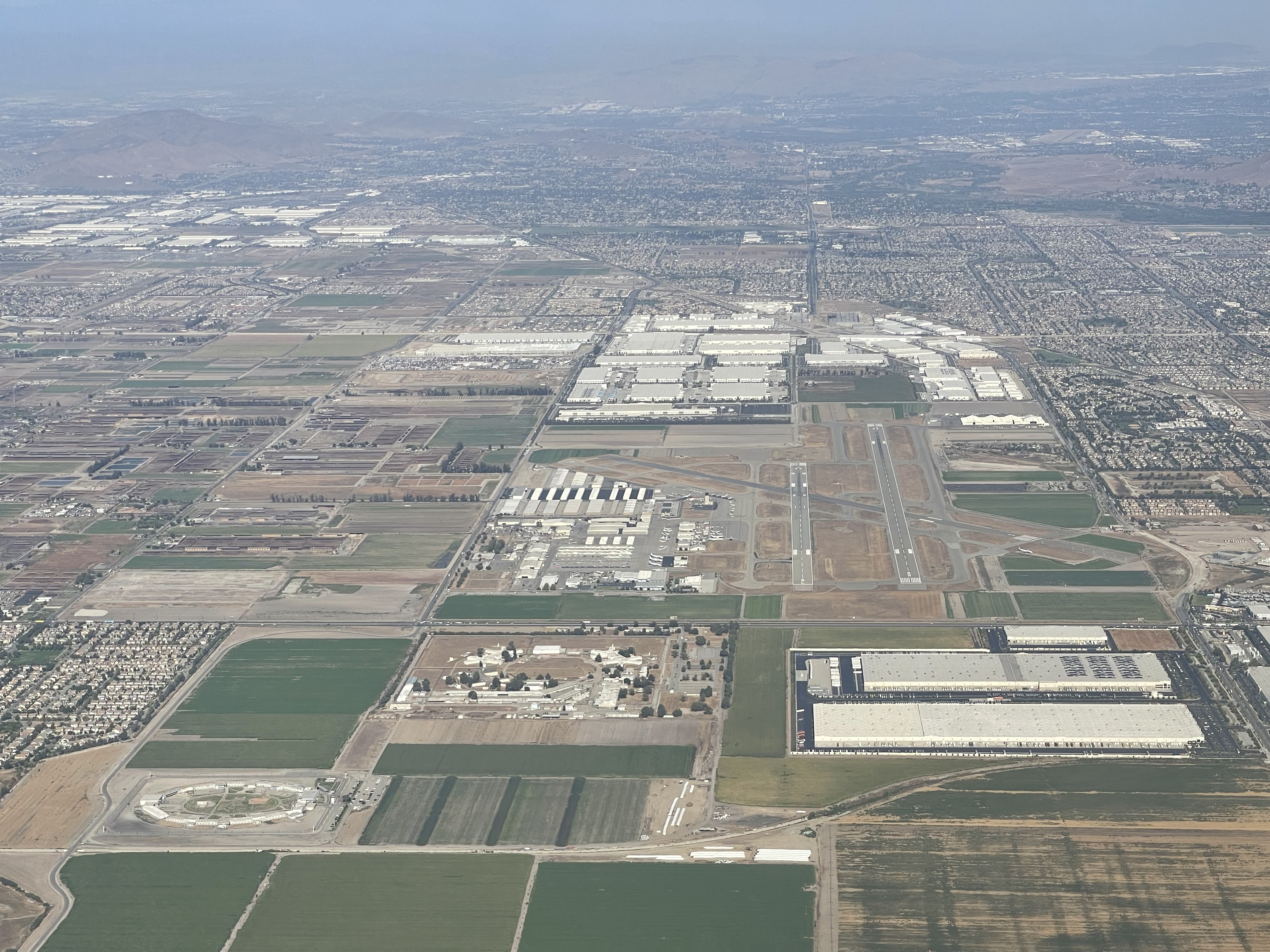
As Southern California experienced rapid population growth in the 20th century, the agricultural lands surrounding Chino began to give way to suburban development. Dairy farms, once the dominant feature of the landscape, gradually transitioned into housing tracts, shopping centers, and industrial parks. This transformation was not unique to Chino; it was a regional trend driven by the influx of people seeking opportunities and a place to call home in the burgeoning Golden State.
Despite the shift from agriculture to a more diversified economy, elements of Chino’s agrarian past still echo. The city retains a connection to its roots, with some agricultural operations still present and a general appreciation for open spaces and a more grounded way of life that can feel distinct from the more densely populated coastal areas.
Key Historical Landmarks and Institutions
While much of the historical agricultural landscape has been redeveloped, certain landmarks and institutions offer glimpses into Chino’s past:
- Old Schoolhouse Museum: This historic building serves as a repository of local history, preserving artifacts and stories from Chino’s early days. It offers visitors a tangible connection to the pioneers and developments that shaped the city.
- Chino Basin: The geographical feature that gives the city its name, the Chino Basin, has always been central to its identity. Historically an area of abundant water, it supported the extensive agriculture. Today, water management and conservation in the basin remain important considerations.
- Historic Downtown Area: While redeveloped, pockets of older architecture and street layouts can still be found, hinting at the city’s origins as a commercial center for the surrounding agricultural community.
The evolution of Chino from a rural agricultural center to a modern suburban city is a testament to the adaptability and growth of Southern California. Its history provides a foundation upon which its current identity is built.
Chino Today: A Blend of Suburban Life and Economic Dynamism
Today, Chino is best characterized by its successful transition into a thriving suburban community that balances residential appeal with a robust economic base. It is a place where families can find comfortable homes, and businesses can find strategic advantages.
Residential Appeal and Community Life
Chino offers a wide range of housing options, from established neighborhoods with mature trees to newer developments featuring modern amenities. The city is known for its relatively affordable housing compared to coastal cities, making it an attractive option for families and individuals looking for value in Southern California.
The community life in Chino is shaped by its suburban character. It boasts numerous parks, recreational facilities, and community centers that foster a sense of local engagement. The school district is a significant part of the community, with families often choosing Chino based on its educational offerings. Local events, farmers’ markets, and community gatherings provide opportunities for residents to connect and build relationships.
Economic Landscape and Employment Opportunities
Chino’s economy is diverse and continues to grow, driven by several key sectors:
- Logistics and Warehousing: Leveraging its strategic location and proximity to major transportation networks, Chino has become a significant hub for logistics and warehousing operations. Large distribution centers for national retailers are a prominent feature of the industrial landscape.
- Manufacturing: The city hosts a variety of manufacturing businesses, contributing to the regional industrial base.
- Retail and Services: As a growing population center, Chino supports a robust retail sector with numerous shopping centers, restaurants, and service providers catering to local needs.
- Healthcare and Education: The city also benefits from the presence of healthcare facilities and educational institutions, providing employment and essential services to the community.
The economic vitality of Chino is further bolstered by its proximity to major employment centers in Los Angeles, Orange County, and other parts of the Inland Empire, offering residents a wide array of career opportunities.
Leisure and Recreation
While Chino may not be a primary tourist destination in the same vein as coastal cities, it offers its residents and nearby visitors ample opportunities for leisure and recreation:
- Parks and Green Spaces: The city maintains a network of parks, including Rubidoux Park and Fairmount Park (though Fairmount Park is technically in Riverside, its proximity makes it a common recreational area for Chino residents), providing spaces for outdoor activities, sports, and relaxation.
- Community Events: Chino hosts various community events throughout the year, from holiday celebrations to summer concerts, fostering a lively atmosphere.
- Nearby Attractions: Its central location means residents can easily access the abundant entertainment and cultural attractions of the broader Southern California region, such as theme parks like Disneyland Resort and Knott’s Berry Farm, museums in Los Angeles, and the natural beauty of the nearby mountains and coastlines.
In conclusion, Chino, California, is a strategically located and economically dynamic city within the Inland Empire. Its historical roots as an agricultural center have paved the way for its evolution into a thriving suburban community, offering a high quality of life, convenient access to major transportation networks, and diverse employment opportunities. For those looking to understand its place in California, Chino stands out as a testament to the ongoing growth and development of Southern California’s urban landscape.
LifeOutOfTheBox is a participant in the Amazon Services LLC Associates Program, an affiliate advertising program designed to provide a means for sites to earn advertising fees by advertising and linking to Amazon.com. Amazon, the Amazon logo, AmazonSupply, and the AmazonSupply logo are trademarks of Amazon.com, Inc. or its affiliates. As an Amazon Associate we earn affiliate commissions from qualifying purchases.