
Planning a trip to the enchanting Southwest often involves meticulous attention to detail – from securing the perfect accommodation to mapping out a thrilling itinerary of landmarks and attractions. Yet, one seemingly simple question can throw a wrench into even the best-laid plans for those heading to the Grand Canyon State: “What time is it for Arizona?” Unlike most of the United States, Arizona marches to the beat of its own clock, steadfastly choosing not to observe Daylight Saving Time (DST). This unique temporal stance, while rooted in practical considerations, creates a fascinating dynamic for travelers, influencing everything from flight schedules and resort bookings to the optimal time to witness a spectacular Grand Canyon sunset.

For anyone venturing into Arizona, understanding its time zone idiosyncrasy is not just a trivial detail; it’s a key piece of information that can significantly enhance their travel experience. It affects how you plan your days, coordinate with loved ones outside the state, and even how you interpret weather forecasts for your desert adventures. This comprehensive guide will delve into the intricacies of Arizona’s time, offering insights into its history, practical tips for travelers, and how this unique approach to time shapes the overall tourism and lifestyle experience in the state. Whether you’re a luxury traveler seeking seamless resort stays or a budget explorer keen on maximizing your sightseeing, grasping the temporal nuances of Arizona is your first step towards an unforgettable journey.
Arizona’s Unique Stance on Time: A Perpetual Standard
The question of “what time it is” becomes particularly interesting in Arizona due to its long-standing decision to forgo Daylight Saving Time. This choice sets it apart from nearly every other state, placing it in a unique temporal position that shifts relative to its neighbors twice a year. Understanding this foundational principle is crucial for any visitor.
The Desert State and Daylight Saving Time
The primary reason Arizona does not observe Daylight Saving Time dates back to the 1960s, a decision largely driven by its extreme summer heat. The premise behind DST is to extend daylight into the evening, thereby theoretically saving energy. However, in Arizona’s scorching desert climate, more daylight in the evening simply means more hours of oppressive heat. If the state were to spring forward an hour, the sun would set an hour later, pushing outdoor activities and air conditioning usage further into the evening. Residents and businesses argued that this would lead to increased energy consumption, not savings, as air conditioners would run longer to combat the prolonged heat.
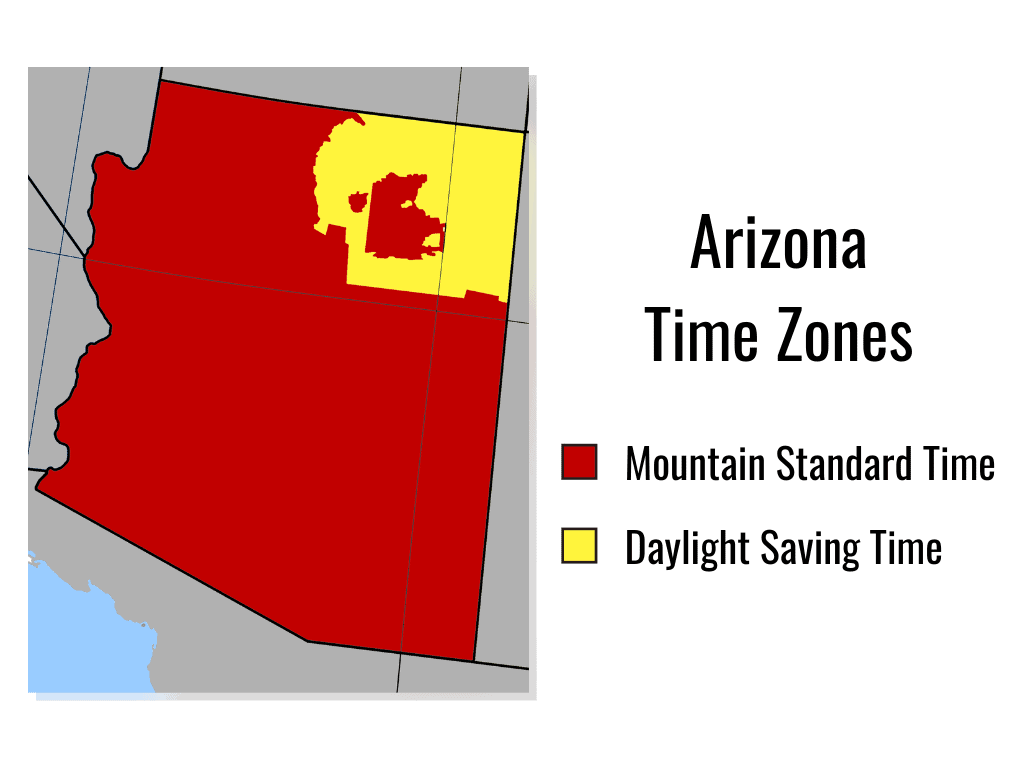
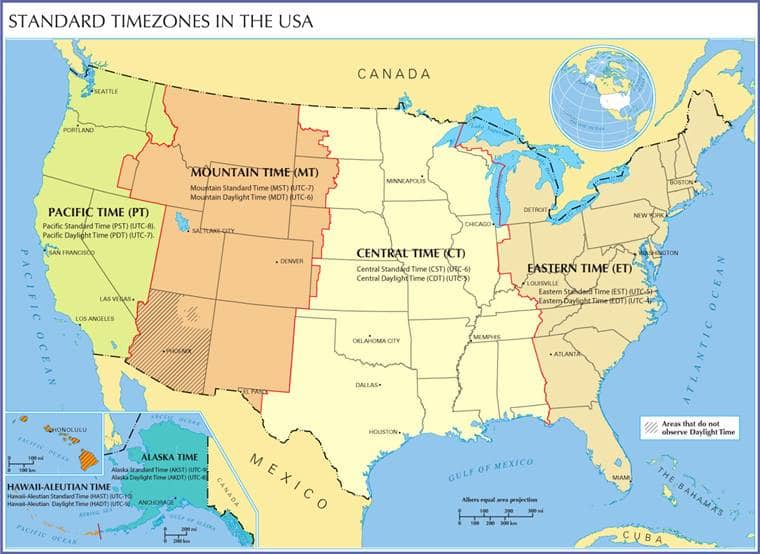
Therefore, for most of the state, Arizona remains on Mountain Standard Time (MST) year-round. From roughly March to November, when most of the United States observes DST and shifts to Mountain Daylight Time (MDT), Arizona effectively falls in sync with Pacific Daylight Time (PDT). This means that during the summer months, Phoenix is at the same time as Los Angeles or Las Vegas, but an hour behind Denver. In winter, when DST ends, Arizona returns to being an hour ahead of California and the rest of the Pacific Time Zone, and in sync with Colorado and the Mountain Time Zone. This consistent, albeit shifting, relationship with other time zones simplifies daily life for Arizonans but requires careful attention from visitors.
The Navajo Nation Exception: A Time Twist Within the State
Adding another layer of complexity to Arizona’s time situation is the distinct case of the Navajo Nation. This sovereign tribal land, spanning parts of Arizona, Utah, and New Mexico, does observe Daylight Saving Time. This means that if you are traveling from Phoenix to a destination within the Navajo Nation, such as Monument Valley or Antelope Canyon, you will need to adjust your clock forward by one hour during the DST period.
This exception is particularly critical for visitors, as many of Arizona’s most iconic natural wonders are located within the Navajo Nation. Tours for Antelope Canyon, for example, will operate on Navajo Nation time, which will be an hour ahead of the time in nearby Page, Arizona (which does not observe DST). Missing a tour due to a time zone miscalculation is a common, and easily avoidable, pitfall. Always confirm the local time for any specific attraction or tour operator when traveling through or to the Navajo Nation.
Navigating Arizona Time as a Traveler: Practicalities and Planning
For the discerning traveler, understanding Arizona’s time zone strategy is paramount to a seamless journey. It touches every aspect of travel, from the moment you book your flight to the last sunset cocktail at your resort.
Flights, Road Trips, and Itinerary Synchronization
The first point of contact for many travelers is often air travel. When flying into Phoenix Sky Harbor International Airport or Tucson International Airport, remember to account for the time difference. If you’re coming from California during DST, there will be no time change, which simplifies things. However, arriving from Colorado or New York City during this period means you’ll gain one or two hours, respectively, upon arrival in Arizona. During standard time (winter months), Arizona will be an hour ahead of California. Always double-check your flight times against the local time in Arizona to avoid confusion and ensure punctual arrivals or departures.
Road trips, especially those that border Utah, Nevada, or New Mexico, require extra vigilance. Crossing state lines, particularly into Utah or New Mexico during DST, means you’ll need to advance your clock by an hour. This is especially true if your itinerary includes attractions like the Hoover Dam, which straddles the Arizona-Nevada border, where Nevada observes DST. Precise itinerary synchronization is critical for guided tours, particularly those with strict departure times, and for restaurant reservations where punctuality is expected. Many online booking platforms will automatically display times in the local time zone, but a quick verification never hurts.
Hotel Stays, Resort Activities, and Accommodation Logistics
The realm of accommodation, encompassing everything from luxury hotels to cozy apartments, also feels the ripple effect of Arizona’s unique time zone. Check-in and check-out times, usually fixed, can be particularly confusing if you’re arriving from a different time zone and haven’t adjusted your internal clock. A scheduled 3 PM check-in might feel like 6 PM to a traveler from the East Coast, potentially leading to unexpected delays or even missed appointments for spa treatments or dinner reservations.
World-class resorts like the Arizona Biltmore in Phoenix or the Enchantment Resort in Sedona offer a plethora of activities, from guided hikes and golf tee times to yoga classes and culinary experiences. All these will operate on local Arizona time. For business travelers, this consistent clock can be both a blessing and a curse. While it simplifies local scheduling, coordinating meetings with colleagues in time zones that observe DST requires constant vigilance. Remote work or video conferences with clients on the East Coast will typically be three hours later in Arizona during DST, offering a window of overlap that can be either convenient or challenging depending on your schedule.
Experiencing Arizona: Time, Landmarks, and Lifestyle
Beyond the logistics, Arizona’s consistent time zone plays a subtle yet significant role in shaping the very experience of exploring its landmarks, engaging with its local culture, and enjoying its unique lifestyle.
Sunrise to Sunset: Maximizing Your Sightseeing
For outdoor enthusiasts, the fixed time in Arizona offers a predictable rhythm to planning. The consistent sunrise and sunset times (relative to the clock) mean you can more accurately plan your visits to iconic natural wonders. Imagine catching the first light illuminating the vast expanse of the Grand Canyon, or witnessing the vibrant red rocks of Sedona glow as the sun dips below the horizon. Without the confusion of an hour shift, it’s easier to determine optimal photo opportunities or plan a morning hike before the midday heat in Phoenix or Tucson becomes intense.
Attractions like the Desert Botanical Garden or the Heard Museum in Phoenix, or the historic architecture of Taliesin West, maintain their operating hours consistently. This simplifies trip planning, allowing you to seamlessly move from a cultural excursion to an outdoor adventure. When visiting during the peak summer months, starting your sightseeing early in the morning is highly recommended, regardless of where the rest of the country is with DST, to avoid the highest temperatures.
Culinary Delights and Evening Entertainment
Arizona’s vibrant food scene and diverse evening entertainment also operate on this consistent clock. Whether you’re indulging in fine dining in Scottsdale, exploring the historic saloons of Wickenburg, or enjoying the craft breweries of Flagstaff and Prescott, your dinner reservations and show times will always align with the local standard.
This consistency allows for more relaxed evening planning. If you’re used to longer daylight hours during summer evenings in other parts of the country due to DST, you might find Arizona’s sunsets to occur “earlier” by the clock (e.g., 7 PM in Phoenix instead of 8 PM). This can be a pleasant surprise, freeing up evenings for earlier dinners, stargazing sessions in the dark skies, or simply unwinding at your hotel after a day of exploration.
Tailoring Your Trip: Business, Family, and Luxury Travel
The unique time zone impacts different travel styles in distinct ways. For business travelers, the fixed time simplifies internal coordination within Arizona but demands careful planning for external communications. Knowing that Arizona is consistently MST means fewer last-minute time zone calculations for meetings. However, bridging the gap with clients or teams in EST or CST requires a conscious effort to adjust.
Family trips benefit from Arizona’s consistent clock. Maintaining children’s sleep schedules and meal times becomes easier without the twice-yearly disruption of DST. This predictability can reduce travel-related stress and help everyone adapt more quickly to their vacation routine, whether they’re splashing in Lake Havasu City or exploring the wonders near Tucson.
For luxury travelers, seamlessness is key. Understanding Arizona’s time allows for flawless coordination of private tours, spa appointments, and bespoke dining experiences. Your personal concierge or travel advisor will already be well-versed in these nuances, but being informed yourself adds an extra layer of control and ensures your luxury travel experience remains utterly effortless. From personalized suites to exclusive resorts, the emphasis on precision scheduling ensures every amenity is enjoyed at the perfect moment.
Planning Your Arizona Getaway: Tips for a Seamless Experience
Armed with a clear understanding of Arizona’s time zone, you’re well-equipped to plan a trip that flows effortlessly.
Booking with Confidence: Accommodation and Activities
When booking any aspect of your Arizona trip – flights, hotels, tours, or restaurant reservations – always confirm that the times listed are in local Arizona time. Most reputable booking platforms will do this automatically, but a quick mental check, especially when comparing with times back home, is a good habit. If you’re using a planning app on your phone, ensure it’s set to automatically update time zones or manually adjust it upon arrival.
When considering accommodation, whether it’s a sophisticated urban stay at the Hyatt Regency Phoenix or a charming boutique hotel in Sedona, be mindful of your arrival time relative to check-in. Many hotels offer early check-in options, which can be a lifesaver if you’re arriving from a distant time zone and feeling the effects of travel. Don’t hesitate to contact your chosen hotel or resort directly to confirm details and make special requests.
Embracing the Consistency: The Arizona Advantage
Once you understand the basic premise – Arizona (mostly) doesn’t do DST, and the Navajo Nation does – the rest becomes simple. The state’s consistent time zone ultimately provides an advantage for tourism. It offers predictability that can be refreshing in a world constantly shifting clocks. The beauty of Arizona’s unchanging schedule is that it allows for more accurate long-term planning of activities that rely on natural light, such as hiking, photography, or enjoying the stunning desert landscapes. You can count on a certain rhythm of sunrises and sunsets relative to the clock, making it easier to plan that perfect golden hour photo shoot or a leisurely evening stroll.
The Timeless Allure of the Grand Canyon State
Ultimately, the question “What time is it for Arizona?” isn’t just about a number on a clock; it’s about embracing a unique aspect of the state’s identity. It speaks to a practical decision born of its distinct climate and a testament to its cultural autonomy, particularly within the Navajo Nation. For travelers, this temporal individuality adds an intriguing layer to the planning process, encouraging a mindful approach that ultimately leads to a richer and more informed experience.
By acknowledging and understanding Arizona’s stance on Daylight Saving Time, you equip yourself with the knowledge to navigate its breathtaking destinations with ease. From the majestic depths of the Grand Canyon to the vibrant streets of Phoenix and Tucson, and the spiritual vortexes of Sedona, every moment can be savored without the nagging doubt of a missed appointment or a miscalculated tour time. So, set your watches, mentally adjust for the occasional shift, and prepare to immerse yourself in the timeless allure of Arizona – a state where the sun always shines bright, and the clock marches to its own, wonderfully consistent, beat.
LifeOutOfTheBox is a participant in the Amazon Services LLC Associates Program, an affiliate advertising program designed to provide a means for sites to earn advertising fees by advertising and linking to Amazon.com. Amazon, the Amazon logo, AmazonSupply, and the AmazonSupply logo are trademarks of Amazon.com, Inc. or its affiliates. As an Amazon Associate we earn affiliate commissions from qualifying purchases.