
Hurricane Katrina, a name that evokes a profound sense of loss and resilience, struck the Gulf Coast of the United States with devastating force. For many, the question of when this catastrophic event occurred remains a significant marker in recent history. The answer is unequivocal: Hurricane Katrina hit New Orleans in 2005. Specifically, the storm made landfall on August 29, 2005, unleashing a torrent of wind and water that reshaped the landscape and the lives of countless individuals.
While the date is a crucial piece of information, understanding the impact of Hurricane Katrina on New Orleans extends far beyond a simple year. This monstrous storm exposed vulnerabilities, tested the spirit of a vibrant city, and ultimately led to a profound period of recovery and rebuilding. For those interested in traveling to New Orleans, or understanding its rich history and landmarks, grasping the context of Katrina is essential. It’s a story of tragedy, but also of the indomitable spirit of a city that refused to be erased.
The Unfolding Disaster: August 2005
The genesis of Hurricane Katrina began as a tropical depression over the Bahamas on August 23, 2005. It rapidly intensified, becoming a Category 1 hurricane before making its first U.S. landfall in southern Florida on August 25. However, its most destructive and infamous impact was yet to come as it moved into the warm waters of the Gulf of Mexico. The storm strengthened dramatically, reaching Category 5 status with sustained winds of over 175 mph.
The Devastation of New Orleans
The decision to evacuate New Orleans was a monumental undertaking, fraught with logistical challenges. As the hurricane approached, mandatory evacuation orders were issued for the city and surrounding coastal areas. However, not everyone could leave, and for many, particularly those without transportation or with limited resources, their homes became their last refuge. The city’s unique geography, much of it below sea level and protected by an intricate levee system, made it particularly susceptible to flooding.
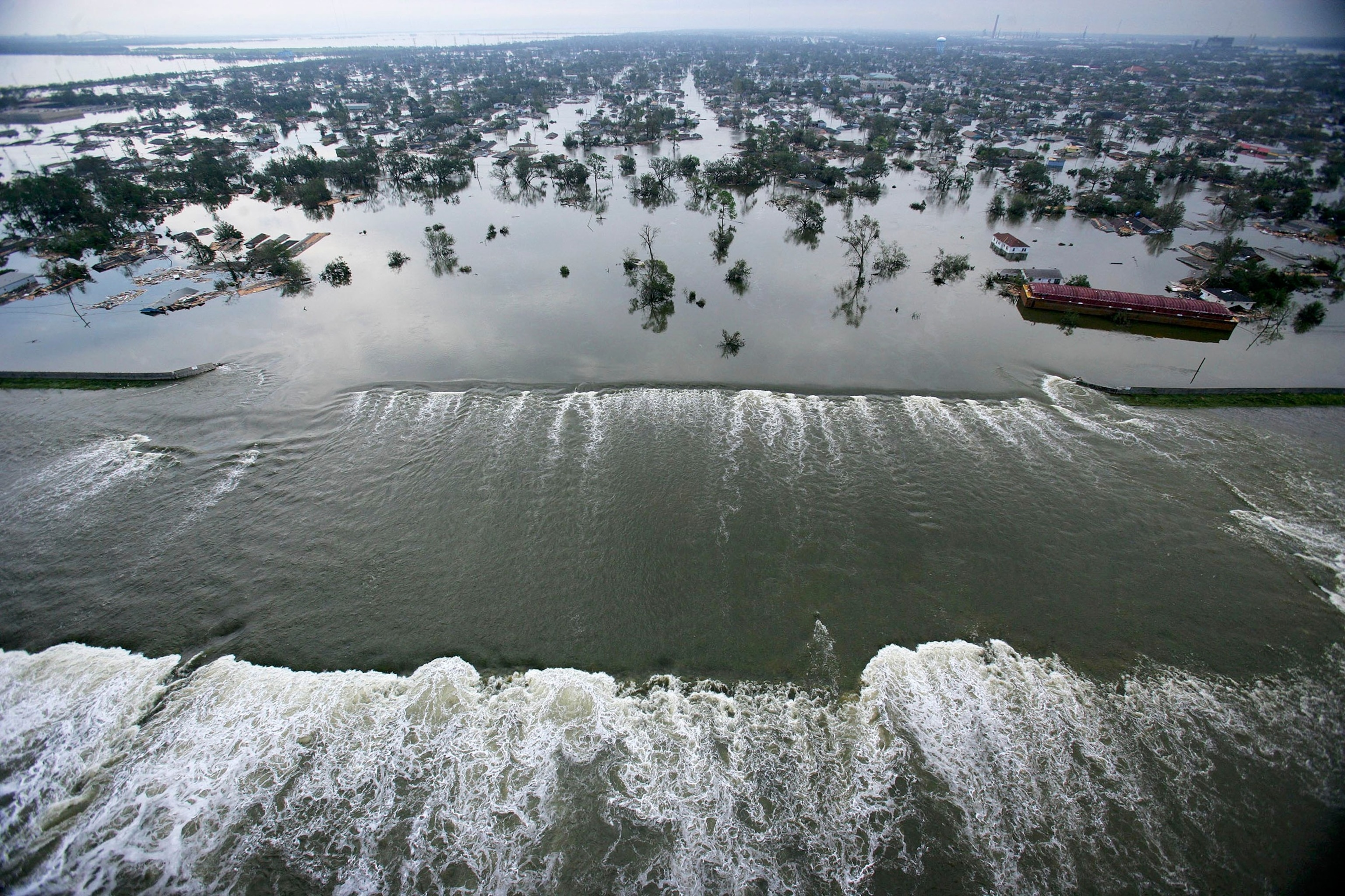
When Katrina made landfall, it brought with it a colossal storm surge that overwhelmed the city’s defenses. The levee system, designed to withstand certain levels of water, failed in numerous locations. This catastrophic breach led to widespread flooding, submerging approximately 80% of New Orleans. The initial impact was characterized by ferocious winds, but it was the relentless inundation of water that caused the most extensive and long-lasting damage.
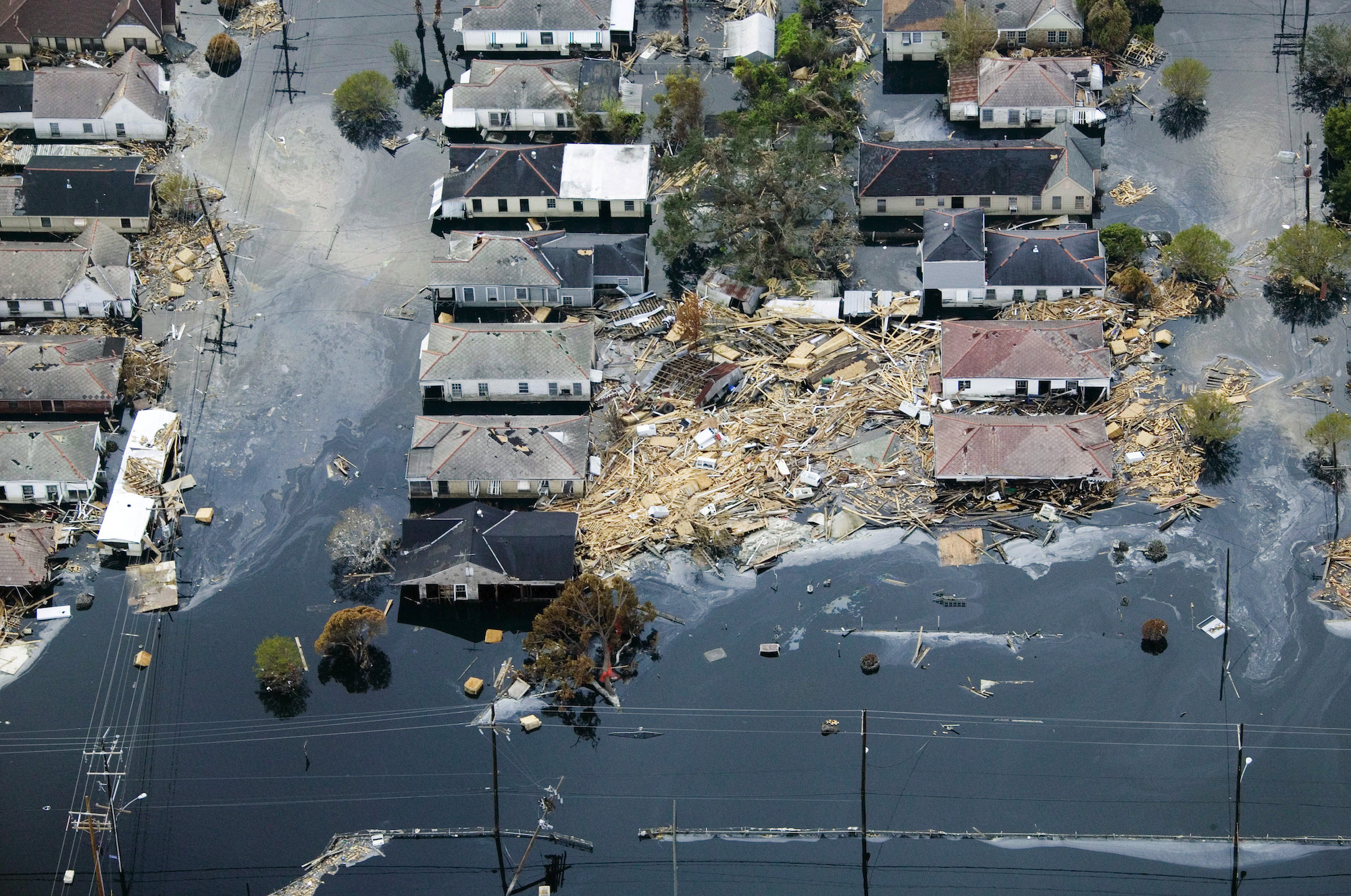
The scenes that emerged in the aftermath were harrowing. Families were stranded on rooftops, seeking refuge from the rising waters. Rescue efforts were hampered by the sheer scale of the disaster and the destruction of infrastructure. Power outages plunged the city into darkness, and communication networks were severely disrupted, leaving many isolated and desperate. The Superdome, a landmark stadium, became a temporary shelter for thousands, a symbol of both refuge and the immense challenges faced by the displaced population.
The Aftermath and Rebuilding
The immediate aftermath of Hurricane Katrina was a period of immense human suffering and logistical nightmares. Over 1,800 people lost their lives along the Gulf Coast, with New Orleans bearing a significant portion of the fatalities. Hundreds of thousands were displaced from their homes, creating a refugee crisis of unprecedented proportions within the United States.
Long-Term Impacts and Resilience
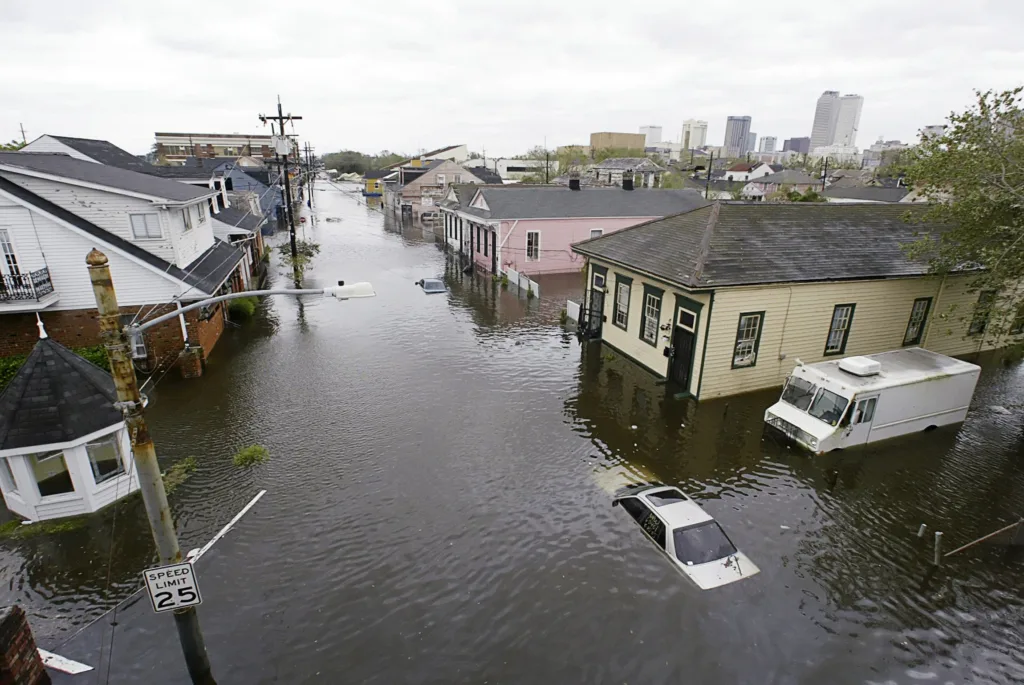
The physical destruction was staggering. Homes, businesses, and critical infrastructure were severely damaged or destroyed. The iconic French Quarter and other historic neighborhoods, vital to the city’s tourism and culture, suffered extensive water damage. The economic impact was profound, with businesses shuttered and the city’s vibrant food scene and cultural institutions facing an uncertain future.
However, the story of New Orleans after Katrina is also one of remarkable resilience and determination. The spirit of the city, deeply rooted in its unique local culture and vibrant lifestyle, refused to be extinguished. Slowly but surely, residents began to return, and the arduous process of rebuilding commenced.
This rebuilding effort involved not only repairing damaged infrastructure but also re-evaluating and strengthening the city’s defenses against future storms. The levees were reinforced and improved, becoming a symbol of a renewed commitment to the city’s safety. Hotels and accommodations that had been damaged began to reopen, welcoming back visitors and providing essential services.
The tourism industry, a lifeline for New Orleans, faced significant challenges but also played a crucial role in the city’s recovery. As parts of the city became safe and accessible, efforts were made to encourage tourists to return, bringing much-needed revenue and helping to restore a sense of normalcy. Guides and travel information focused on showcasing the city’s enduring charm and its capacity for reinvention. Attractions that had been closed began to welcome visitors again, and the city’s renowned food scene started to bloom anew.
The rebuilding was a long and complex process, involving federal, state, and local efforts, as well as the tireless dedication of the people of New Orleans. It highlighted the importance of community, mutual aid, and the deep emotional connection people have to their city and its history. For those who experienced Katrina firsthand, the year 2005 is etched into their memory, a reminder of the immense power of nature and the enduring strength of the human spirit. The rebuilding continues, and New Orleans stands as a testament to the power of hope and perseverance in the face of unimaginable adversity. The city’s landmarks, its architecture, and its very soul have been tested, but they remain, a beacon of vibrant culture and a destination that continues to captivate and inspire.
LifeOutOfTheBox is a participant in the Amazon Services LLC Associates Program, an affiliate advertising program designed to provide a means for sites to earn advertising fees by advertising and linking to Amazon.com. Amazon, the Amazon logo, AmazonSupply, and the AmazonSupply logo are trademarks of Amazon.com, Inc. or its affiliates. As an Amazon Associate we earn affiliate commissions from qualifying purchases.